


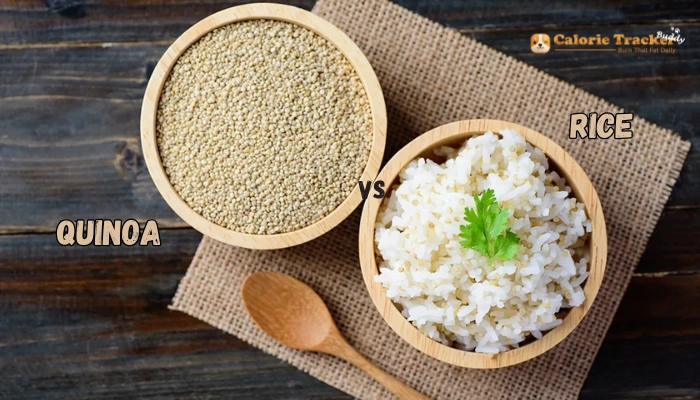
It’s one of the most common debates in the health and nutrition world, rice vs quinoa. Walk into any gym, scroll through any fitness feed, or sit at any health-conscious dinner table, and you’ll find strong opinions on both sides. Some people swear by quinoa as the ultimate superfood. Others refuse to give up their rice, a grain that has fueled billions of people across centuries and cultures.
But which one is actually better for you? And more importantly, which one is better for your goals?
This blog breaks down the rice vs quinoa debate from every angle nutrition, protein, carbohydrates, calories, digestion, cost, and real-world usability so you can make a genuinely informed decision rather than following diet trends blindly.
In a hurry? Listen to the blog instead!
What Exactly Are Rice And Quinoa Before We Compare Them?
Before diving into the numbers, it helps to understand what each of these foods actually is.
Rice is one of the oldest and most widely consumed staple grains on the planet. It comes in many varieties white, brown, basmati, jasmine, black, and red, among others. White rice is milled and polished, removing the bran and germ layers. Brown rice retains those layers, making it a whole grain with more fiber and nutrients.
Quinoa is technically a seed, not a grain, though it’s cooked and eaten like one. It comes from the Chenopodium quinoa plant, native to South America. It’s been consumed for thousands of years by Andean civilizations and has surged in global popularity over the past two decades due to its impressive nutritional profile.
The rice vs quinoa comparison is, at its core, a comparison between a traditional staple and a modern nutritional powerhouse. Both have real merit. The question is which suits your specific needs better.
Nutrition Breakdown: Rice Vs Quinoa
Let’s look at the numbers. Per 100 grams of cooked serving:
White Rice: approximately 130 calories, 28g carbohydrates, 2.7g protein, 0.3g fat, 0.4g fiber.
Brown Rice: approximately 112 calories, 24g carbohydrates, 2.6g protein, 0.9g fat, 1.8g fiber.
Quinoa: approximately 120 calories, 22g carbohydrates, 4.4g protein, 1.9g fat, 2.8g fiber.
When comparing rice vs quinoa, it’s important to understand the calories in rice and how they fit into your daily intake. For example, the calories in rice vary slightly depending on the type, white rice is slightly higher in calories than brown rice, while quinoa sits in a similar range.
At first glance, quinoa pulls ahead in protein, fat quality, and fiber. However, the calorie difference between quinoa and the calories in rice is smaller than most people assume. If you’re tracking intake, the overall macronutrient balance may matter more than just the calorie number alone.
The Protein Difference And Why It Matters?
One of the biggest talking points in the rice vs quinoa debate is protein, specifically, the quality of that protein.
Quinoa is one of the very few plant foods that contains all nine essential amino acids, making it a complete protein. This is genuinely rare in the plant kingdom and makes quinoa especially valuable for vegetarians, vegans, and anyone looking to increase protein intake without relying heavily on meat.
Rice, by contrast, is low in the amino acid lysine, making it an incomplete protein. While rice and beans together form a complete protein profile, rice alone cannot match what quinoa delivers in a single serving.
For someone focused on muscle building, recovery, or maintaining lean mass during weight loss, the protein advantage in the rice vs quinoa comparison tilts clearly toward quinoa.
Also Read:
How To Calculate Calories In Rice For Your Daily Diet?
How Do Carbohydrates And Glycemic Index Compare In Rice Vs Quinoa?
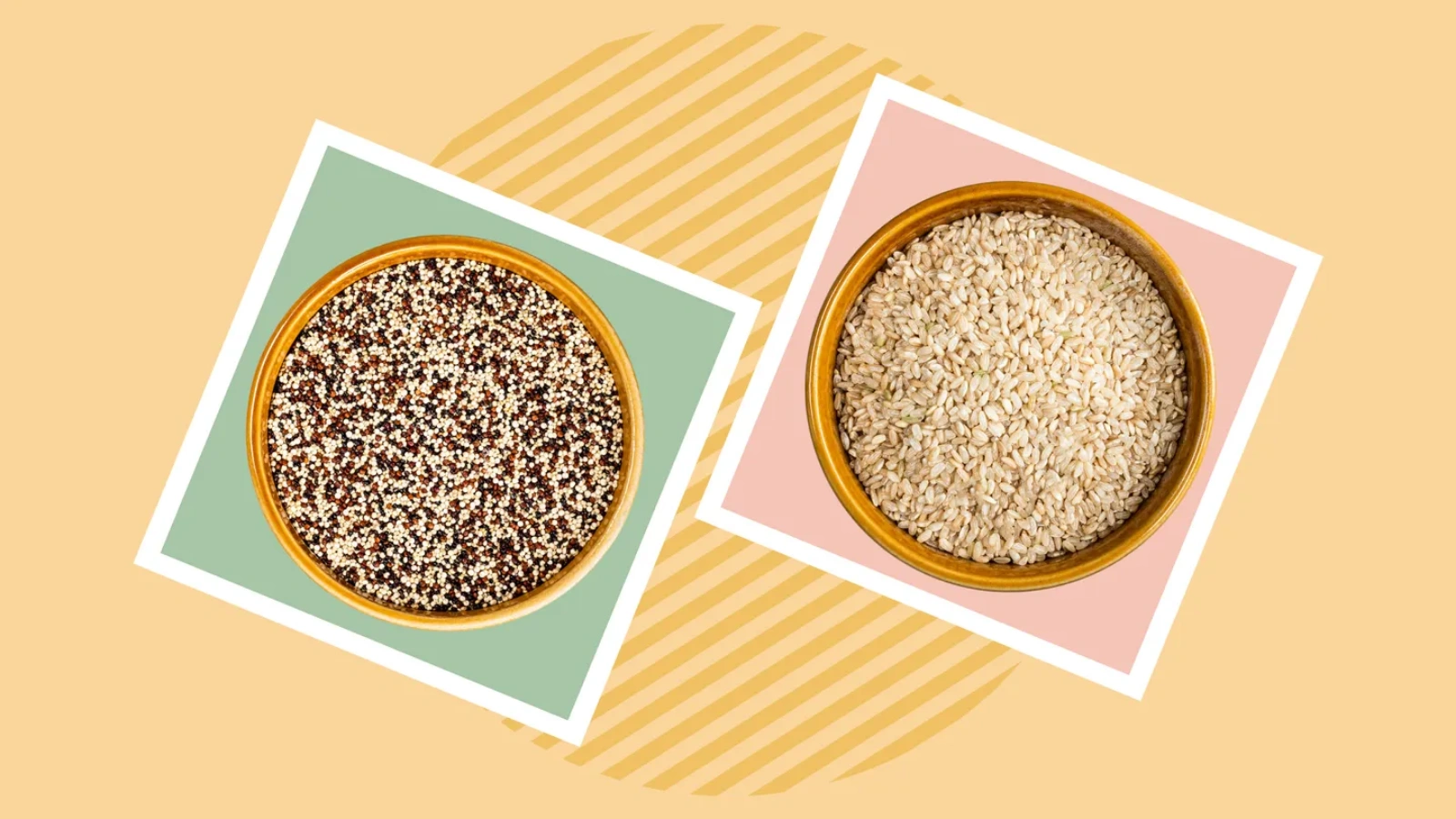
Understanding how carbohydrates affect blood sugar helps you choose the right grain for steady energy and better appetite control.
- White rice (GI ~72)
Digests quickly and raises blood sugar faster, which may cause energy spikes followed by crashes. - Brown rice (GI ~50–55)
Releases glucose more gradually due to higher fiber content, supporting steadier energy levels. - Quinoa (GI ~53)
Similar to brown rice, it provides slow, sustained energy and may help you feel full longer.
Bottom line: Brown rice and quinoa offer better blood sugar stability than white rice, making them stronger options for balanced energy.
Is Quinoa Better Than Rice For Weight Loss?
This is one of the most searched questions around the rice vs quinoa debate, and the honest answer is: it depends on the bigger picture of your diet.
When asking is quinoa better than rice for weight loss, the key factors are protein content, fiber, and how each food fits into your overall calorie balance. Quinoa offers more protein and fiber per serving, both of which support satiety the feeling of fullness that helps you eat less throughout the day. A high-protein, high-fiber meal keeps hunger hormones more stable and naturally supports a calorie deficit.
That said, weight loss ultimately comes down to total calorie intake versus expenditure. In the rice vs quinoa comparison, portion size matters just as much as nutrient profile. If you eat quinoa in large portions without tracking, you will not lose weight simply because quinoa appears healthier than rice. The same logic applies to rice a moderate portion of brown rice within a balanced diet can fully support fat loss.
The edge goes to quinoa when protein density and fiber intake are priorities. However, the broader rice vs quinoa conversation reminds us that neither food works as a magic solution. Sustainable weight loss depends on consistency, portion awareness, and overall dietary structure rather than choosing one grain alone.
Also Read:
Brown Rice Versus Quinoa: A Fairer Comparison
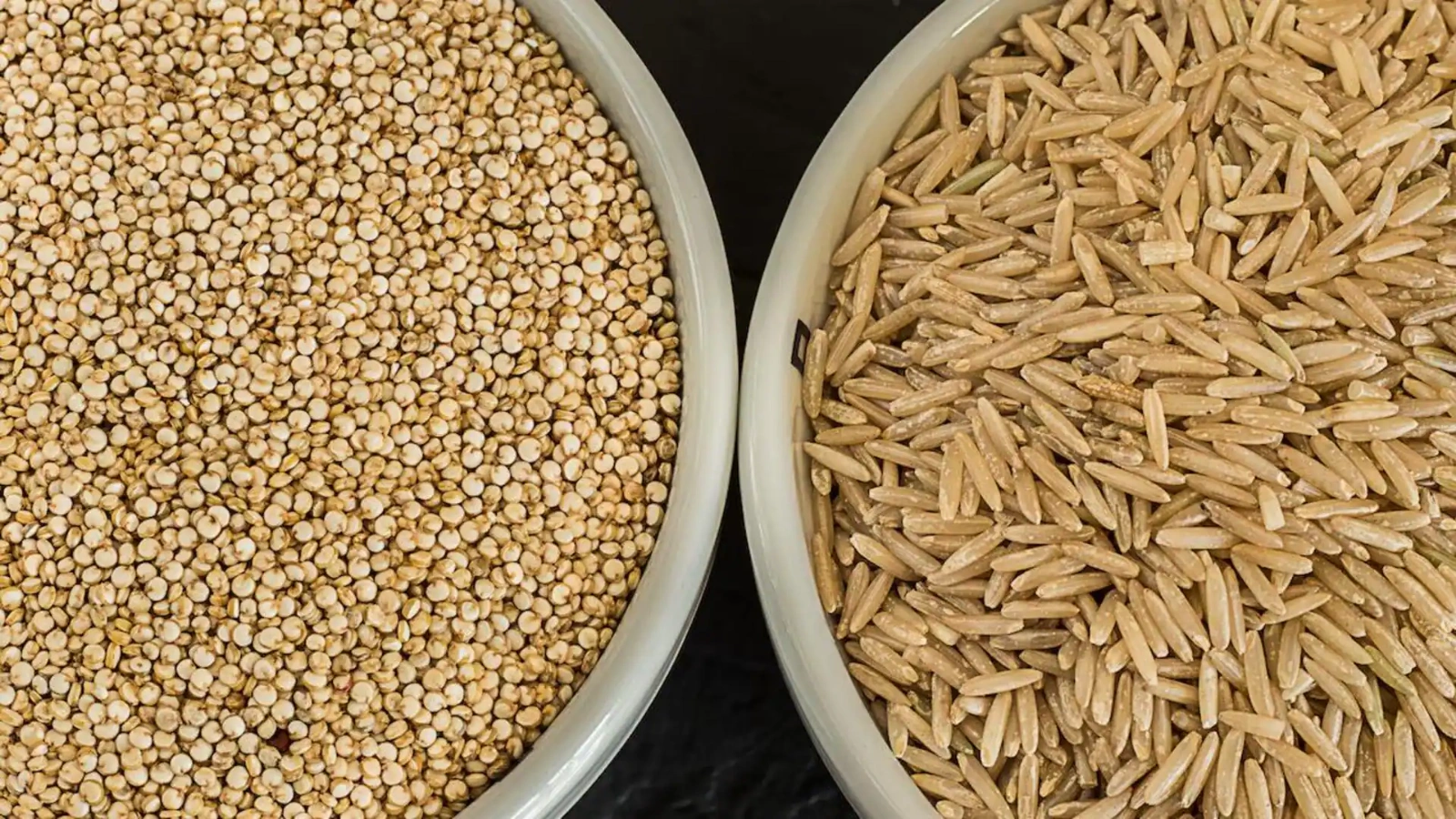
A More Balanced Comparison:
Comparing quinoa to white rice often makes quinoa look nutritionally superior by default. A fairer comparison is brown rice versus quinoa because both are whole-grain options that retain their natural fiber and nutrients.
Glycemic Index and Energy Release:
Brown rice has a moderate glycemic index, while quinoa falls within a similar range. Both digest more slowly than white rice, leading to steadier blood sugar levels and more sustained energy instead of sharp spikes and crashes.
Fiber and Satiety:
Both brown rice and quinoa provide solid amounts of fiber. This supports digestive health, improves fullness after meals, and can help with appetite control over time.
Protein and Amino Acids:
Quinoa has a slight edge in protein content and contains all nine essential amino acids, making it a complete protein source. Brown rice contains protein as well but lacks some essential amino acids in sufficient amounts.
Nutrient Density:
Quinoa offers higher levels of certain minerals such as magnesium and iron. Brown rice also provides valuable nutrients, including B vitamins and antioxidants, especially in its bran layer.
Arsenic Awareness:
Brown rice may contain trace amounts of arsenic due to how rice absorbs elements from soil and water. While occasional consumption is safe, those who eat rice daily may consider rotating grains.
Affordability and Accessibility:
Brown rice is generally more affordable and widely available worldwide. It fits naturally into many traditional cuisines and works well in diverse dishes.
In the brown rice vs quinoa debate, both are nutritious choices. The better option often depends on your dietary priorities, budget, and taste preferences rather than one being universally superior.
How Do Rice And Quinoa Affect Your Digestive Health?
Quinoa contains saponins, natural compounds found in its outer coating that can cause digestive irritation in some people. Rinsing quinoa thoroughly before cooking removes most saponins and significantly reduces this issue.
Rice, particularly white rice, is one of the most easily digestible foods available. It’s often recommended for people with sensitive stomachs, digestive conditions, or those recovering from illness. In the rice vs quinoa debate around gut health, rice tends to be gentler for individuals with digestive sensitivities.
Brown rice contains more fiber than white rice, which supports healthy gut bacteria and regular digestion. That added fiber can be beneficial for maintaining a balanced diet, though it may cause bloating in some individuals when consumed in large amounts.
Digestive comfort also depends heavily on portion size, and that’s something many people misjudge without realizing it. Eating too much of either food, even the healthier option, can trigger bloating and discomfort. A balanced diet isn’t just about choosing the “better” grain — it’s about eating the right amount for your body.
Calorie Tracker Buddy helps you stay within the right portions by tracking exactly what you eat in real time. Just snap your meal and let the app do the rest no overestimating, no guesswork, just the right amount for your body and your goals.
Why Is Calorie Tracker Buddy Your Smartest Nutrition Companion?
Knowing whether to eat rice or quinoa is one thing, but knowing exactly how it fits your daily calorie and nutrition goals is another. Calorie Tracker Buddy takes the guesswork completely out of the equation.
Whether you’re snapping a quinoa salad or logging a brown rice stir-fry, here’s how it keeps you on track:
Snap the Meal:
Point your camera at your rice bowl or quinoa salad, tap once, and your food is instantly scanned for calories, nutrients, and balance. No manual logging. No second-guessing portion sizes. Just real data in seconds.
Calorie Intake Tracker:
You eat, the app calculates. Whether it’s a side of brown rice or a quinoa grain bowl loaded with vegetables, track what’s on your plate and get instant feedback on how it fits your daily goals.
Calorie Burn Tracker:
From your morning workout to your evening walk, every calorie burned gets counted. Pairing your intake data with your burn data gives you the complete picture of your energy balance the real driver behind weight loss or maintenance.
Goal Predictions:
Calorie Tracker Buddy shows you exactly how each meal, snack, and sip moves you closer to or further from your target. So instead of hoping your food choices are working, you know they are.
Buddy Motivation:
Your virtual pet grows with every healthy choice you make. It’s a genuinely fun feature that turns daily consistency the hardest part of any health journey into something you actually look forward to.
Social Sharing:
Proud of your quinoa meal prep or your perfectly portioned rice dish? Share your meals, post your streaks, and let your community cheer you on. Accountability makes consistency stick.
Download Calorie Tracker Buddy on Google Play or the App Store and take the guesswork out of every grain on your plate, whether you’re comparing rice vs quinoa or tracking your daily meals with precision.
So, Which Should You Choose?
In the rice vs quinoa debate, there is no absolute winner — only the better choice for your specific situation.
Choose quinoa if you want more protein per serving, a complete amino acid profile, higher fiber, and a broad micronutrient range. It’s especially valuable for vegetarians, vegans, and anyone focused on muscle retention during fat loss.
Choose brown rice if you want a gut-friendly, affordable, culturally familiar whole grain that integrates seamlessly into a wide range of cuisines and dietary patterns.
Choose white rice if you need easy digestibility, quick energy, or you’re eating in a cultural context where white rice is a natural and meaningful part of meals.
And honestly, there’s no rule that says you have to pick one permanently. Rotating between rice and quinoa across the week gives you the benefits of both while keeping meals varied and satisfying.

Final Thoughts
The rice vs quinoa conversation is worth having, but it shouldn’t become a source of stress or dietary rigidity. Both foods are wholesome, real, minimally processed carbohydrate sources that have sustained human health for generations.
What matters far more than which grain you choose is how much of it you eat, what you pair it with, and how well you understand your overall intake. Smart tracking, consistent habits, and tools like Calorie Tracker Buddy will do more for your health goals than endlessly debating which grain sits higher on a superfood ranking.
Eat the food that nourishes you, track it accurately, and keep moving forward.
FAQs
Q1. Can I eat rice or quinoa on a low-carb diet?
Both are carbohydrate-rich foods, so neither is ideal for strict low-carb or keto diets. However, quinoa’s higher protein and fiber content makes it a slightly more filling option in smaller portions. If you’re moderately reducing carbs rather than eliminating them, both can fit with careful portion control.
Q2. Which one is better for kids?
White rice is generally easier for children to digest and is less likely to cause any stomach sensitivity. Quinoa can be introduced gradually and is nutritionally excellent for kids, but always rinse it well before cooking to remove saponins that may upset a young stomach.
Q3. Which is better for athletes and high-performance training?
Athletes with high energy demands often benefit from white rice as a fast-digesting carbohydrate source around workouts. For overall daily nutrition, the rice vs quinoa debate favors quinoa due to its complete protein profile, which supports muscle repair and recovery.