


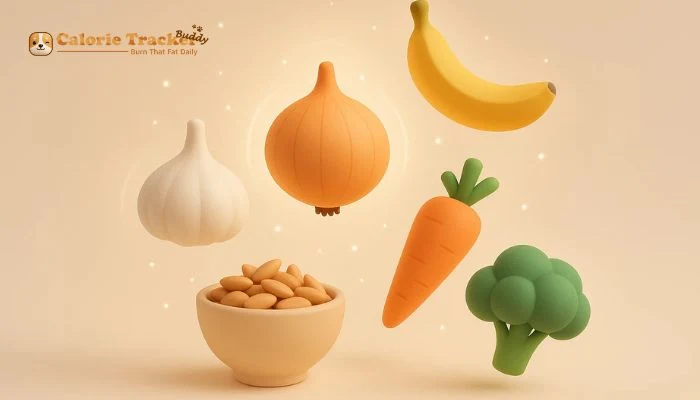
Gut health is crucial for proper digestion, immune function, energy levels, and overall well-being. Prebiotics, a type of dietary fibre, nourish the beneficial bacteria in your gut, helping to maintain a balanced microbiome and supporting overall well-being. Unlike probiotics, which add beneficial bacteria, prebiotics nourish the bacteria already present.
Common prebiotic foods include garlic, onions, fruits, vegetables, whole grains, and fibres like inulin, FOS, and resistant starch. These fibres reach the colon largely undigested, where gut bacteria ferment them.
Including prebiotic-rich foods in your diet can improve digestion, boost immunity, and even support mental health. Understanding prebiotics and their sources is the first step to naturally optimising gut health.
You can Listen to this Blog here.
How Prebiotics Benefit Gut Health?
Prebiotics help keep your digestive system healthy. By feeding the beneficial bacteria in your gut, you help create a balanced microbiome, which is essential for overall wellness. Here are some key benefits of including prebiotics for gut health in your diet:
- Improved Digestion
Prebiotics support the growth of good bacteria that aid in breaking down food efficiently. This can reduce bloating, gas, and irregular bowel movements, making digestion smoother. - Enhanced Nutrient Absorption
A balanced gut microbiome helps your body absorb vitamins and minerals more effectively, ensuring you get the most from your diet. - Strengthened Immune System
Healthy gut bacteria influence the immune system. By nourishing these microbes, prebiotics help your body defend against infections and illnesses. - Support for Mental Well-Being
Emerging research shows a connection between gut health and brain health, often called the gut-brain axis. A healthy gut supported by prebiotics can positively impact mood and mental clarity. - Reduced Risk of Digestive Disorders
Regular intake of prebiotic foods can help prevent common digestive issues, such as constipation and inflammatory conditions, by maintaining a healthy balance of gut bacteria.
Incorporating prebiotics regularly not only improves digestion but also supports long-term wellness. The next step is knowing which foods are rich in prebiotics so you can easily include them in your daily meals.
Top Prebiotic Foods to Include in Your Diet
Eating a variety of prebiotic foods is the easiest way to support your gut health naturally. Here are some of the best prebiotic foods to include in your daily meals:
- Garlic
Garlic contains inulin, a type of fiber that feeds beneficial gut bacteria. It’s easy to add to soups, sauces, and roasted dishes. - Onions
Rich in FOS (fructooligosaccharides), onions help stimulate the growth of good bacteria in the gut while adding flavor to your meals. - Leeks
Leeks are high in inulin and also provide antioxidants. They can be used in soups, stir-fries, or roasted as a side dish. - Asparagus
Asparagus is not only delicious but also packed with prebiotic fiber, supporting healthy digestion and nutrient absorption. - Bananas
Bananas have resistant starch, which helps feed the good bacteria in your gut. They’re perfect for snacks, smoothies, or breakfast bowls. - Oats
Oats are a versatile source of prebiotics. Enjoy them as oatmeal, overnight oats, or added to baked goods for a fiber boost. - Apples
Apples contain pectin, a soluble fiber that supports gut bacteria growth. They’re a convenient snack or a tasty addition to salads and desserts. - Chicory Root
Often used as a coffee substitute, chicory root is one of the richest sources of inulin and promotes healthy gut bacteria. - Jerusalem Artichokes
Sometimes called sunchokes, they are high in inulin and can be roasted, mashed, or added to soups for a prebiotic boost. - Whole Grains
Barley, rye, and whole wheat contain fibers that feed gut bacteria and help maintain a balanced microbiome.
Including a variety of these foods high in prebiotics ensures your gut receives a range of fibers that nourish beneficial bacteria, improve digestion, and support overall wellness.
How to Incorporate Prebiotics Into Your Daily Meals?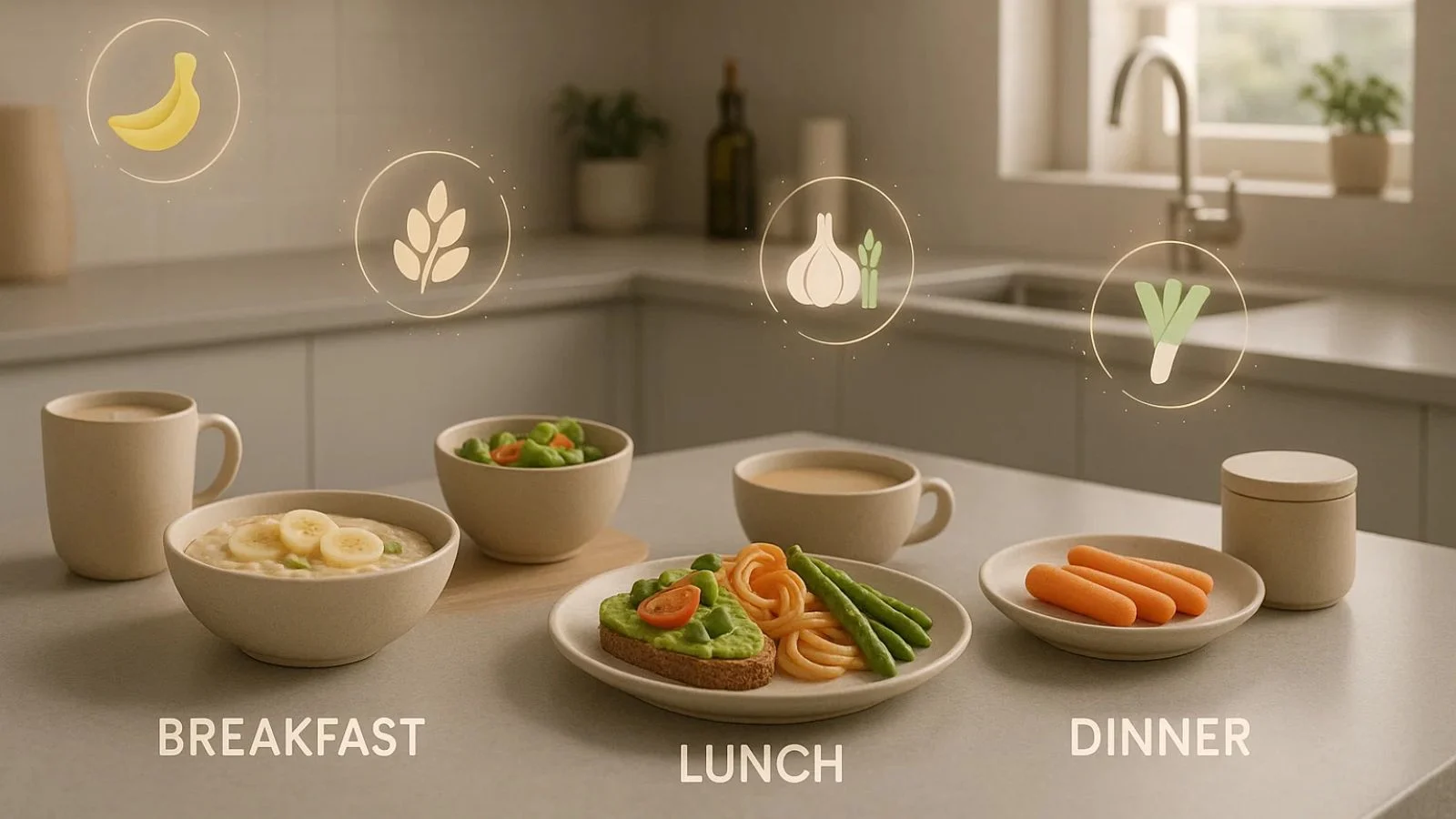
Adding prebiotic foods to your diet doesn’t have to be complicated. With a few simple tips and meal ideas, you can support your gut health naturally every day.
- Start Your Day with Prebiotics
- Add sliced bananas or apples to your oatmeal or yogurt.
- Mix in oats or a sprinkle of flaxseeds for an extra fiber boost.
- Consider smoothies with prebiotic-rich fruits and vegetables like bananas, asparagus, or chicory root powder.
- Include Prebiotic Vegetables in Lunch and Dinner
- Roast garlic, onions, and leeks as a side dish.
- Add asparagus, Jerusalem artichokes, or whole grains like barley and rye to salads or bowls.
- Stir prebiotic vegetables into soups, stews, or casseroles for both flavor and gut health benefits.
- Snack Smart
- Grab an apple, a handful of oats, or banana slices for a prebiotic-rich snack.
- Mix with nuts or yogurt to keep you full and nourished.
- Diversify Your Meals
- Rotate prebiotic foods throughout the week to ensure a variety of fibers and nutrients.
- Experiment with recipes like roasted garlic spreads, leek frittatas, or oat-based baked goods.
By consciously including foods high in prebiotics in every meal, you can naturally nourish your gut bacteria and maintain better digestion. Making these foods a consistent part of your diet is the key to long-term gut health.
Prebiotics vs. Probiotics: Understanding the Difference
It’s common to hear about both prebiotics and probiotics, but they serve different roles in gut health. Understanding the difference can help you make better dietary choices.
Prebiotics are non-digestible fibers that feed the beneficial bacteria already present in your gut. They create an environment where these bacteria can thrive, improving digestion, nutrient absorption, and overall wellness.
Probiotics, on the other hand, are live beneficial bacteria that are introduced into your digestive system through foods like yogurt, kefir, sauerkraut, and other fermented products. They add to the population of healthy bacteria in your gut.
In short:
- Prebiotics = Food for gut bacteria
- Probiotics = Live gut bacteria
When combined, prebiotics and probiotics work synergistically to maintain a balanced microbiome. This combination, sometimes called synbiotics, can enhance gut health even further by ensuring good bacteria have the nutrients they need to flourish.
Including both prebiotics for gut health and probiotics in your diet can help support digestion, immunity, and overall wellness.
Signs You Need More Prebiotics
Your gut health often reflects your diet, and a lack of prebiotics can show up in several ways. Here are some common signs that you might need to increase your intake of prebiotic foods:
- Digestive Issues
Frequent bloating, constipation, or irregular bowel movements can indicate that your gut bacteria aren’t thriving. Prebiotics help feed these beneficial microbes, improving digestion naturally. - Low Energy Levels
A sluggish gut can affect nutrient absorption, leading to fatigue. Including prebiotics for gut health helps your body absorb more vitamins and minerals, which can boost energy. - Weakened Immunity
An unbalanced microbiome can make you more susceptible to infections. Prebiotics support the growth of healthy gut bacteria that play a crucial role in immune function. - Cravings for Sugary or Processed Foods
An imbalanced gut may increase cravings for unhealthy foods. Prebiotics promote the growth of beneficial bacteria that can help regulate appetite and cravings. - Mood Fluctuations
Emerging research shows a strong link between gut health and mental well-being. Low prebiotic intake may contribute to mood swings, stress, or anxiety.
Recognizing these signs early can help you adjust your diet. Incorporating foods high in prebiotics regularly ensures your gut bacteria thrive, improving digestion, immunity, energy, and even mental health.
Tips for Choosing the Best Prebiotic Foods
Not all prebiotic foods are created equal. Selecting the right ones can maximize the benefits for your gut health. Here are some tips to help you choose the best prebiotic foods:
- Opt for Natural and Whole Foods
Fresh fruits, vegetables, and whole grains are rich in prebiotic fibers and provide additional nutrients like vitamins and minerals. Examples include garlic, onions, asparagus, and oats. - Choose a Variety
Different prebiotic fibers feed different types of beneficial bacteria. Including a variety of prebiotic foods ensures a diverse and balanced gut microbiome. Rotate foods like bananas, leeks, apples, and Jerusalem artichokes throughout the week. - Avoid Overly Processed Options
Processed foods often lose their fiber content during manufacturing. Stick to minimally processed, whole-food options to get the most prebiotic benefit. - Consider Portion Sizes
Too much prebiotic fiber at once can cause gas or bloating. Start with small portions and gradually increase intake to let your digestive system adjust. - Pair with a Balanced Diet
Prebiotics work best alongside a diet rich in protein, healthy fats, and micronutrients. Combining prebiotic foods with balanced meals supports overall digestion and wellness.
By following these tips and including a range of prebiotic foods in your diet, you can maintain a healthy gut, improve digestion, and support your immune system naturally.
Using Tools to Track Prebiotic Intake
Keeping track of your daily intake of prebiotic foods can make a big difference in supporting gut health. While it’s easy to include prebiotics in your meals, tracking them ensures you’re consistently meeting your gut’s nutritional needs.
Calorie Tracker Buddy is a simple and effective tool to help you monitor your prebiotic intake. Here’s how it can help:
- Track Daily Meals
You can log all your meals and snacks, making it easy to see how many prebiotic-rich foods you’re consuming each day. - Nutrient Insights
The tool provides detailed information about the fiber content and other nutrients in your food, helping you understand how much prebiotic fiber you’re getting. - Meal Planning Made Easy
By tracking your intake, you can plan meals that consistently include the best prebiotic foods. This helps maintain a balanced diet and supports a healthy gut microbiome. - Progress Monitoring
Calorie Tracker Buddy lets you monitor your gut health goals over time, helping you stay motivated and make informed dietary adjustments.
By incorporating tracking into your routine, you can ensure that your daily diet includes enough prebiotics for gut health, making it easier to support digestion, immunity, and overall wellness.
Read More,
Conclusion
Prebiotics play a vital role in maintaining a healthy gut, supporting digestion, immunity, and even overall well-being. By including prebiotic foods like garlic, onions, bananas, oats, and asparagus in your diet, you can nourish the beneficial bacteria in your gut and promote a balanced microbiome.
Understanding what prebiotics are, their benefits, and how they differ from probiotics helps you make informed choices for your diet. Regularly incorporating a variety of prebiotic-rich foods ensures your gut stays healthy, improves nutrient absorption, and supports energy and mental well-being.
Using tools like Calorie Tracker Buddy makes it easy to track your prebiotic intake, plan balanced meals, and stay consistent in supporting your gut health. With a mindful approach to your diet and the right prebiotic foods, you can boost your digestive wellness naturally and enjoy long-term benefits for your overall health.
FAQs
- What are prebiotics, and why are they important?
Prebiotics are a type of dietary fiber that feeds the beneficial bacteria in your gut. They support digestion, improve nutrient absorption, strengthen immunity, and promote overall gut health. - Which foods are richest in prebiotics?
Some of the best prebiotic foods include garlic, onions, leeks, asparagus, bananas, oats, apples, and Jerusalem artichokes. Including a variety of these foods ensures a healthy and balanced gut microbiome. - How can I track my prebiotic intake daily?
Tools like Calorie Tracker Buddy allow you to log meals, monitor fiber and nutrient content, and ensure you’re consistently consuming enough prebiotics for optimal gut health.