


Bringing a baby into the world changes everything: your sleep, hormones, routine, emotions, and body. It’s completely natural to start thinking about postpartum weight loss soon after delivery. But here’s something every new mom needs to hear: healing comes first.
Your body spent nine months growing as a human. Recovery, hormone stabilisation, and rebuilding strength take time. The goal isn’t rapid transformation. It’s steady, sustainable progress that protects your health, supports energy levels, and (if you’re breastfeeding) maintains milk supply.
In this guide, we’ll break down realistic calorie goals, a healthy postpartum weight loss timeline, smart food choices, and practical strategies that actually work for busy new moms.
You can listen to this blog here.
What Really Happens to Your Body After Birth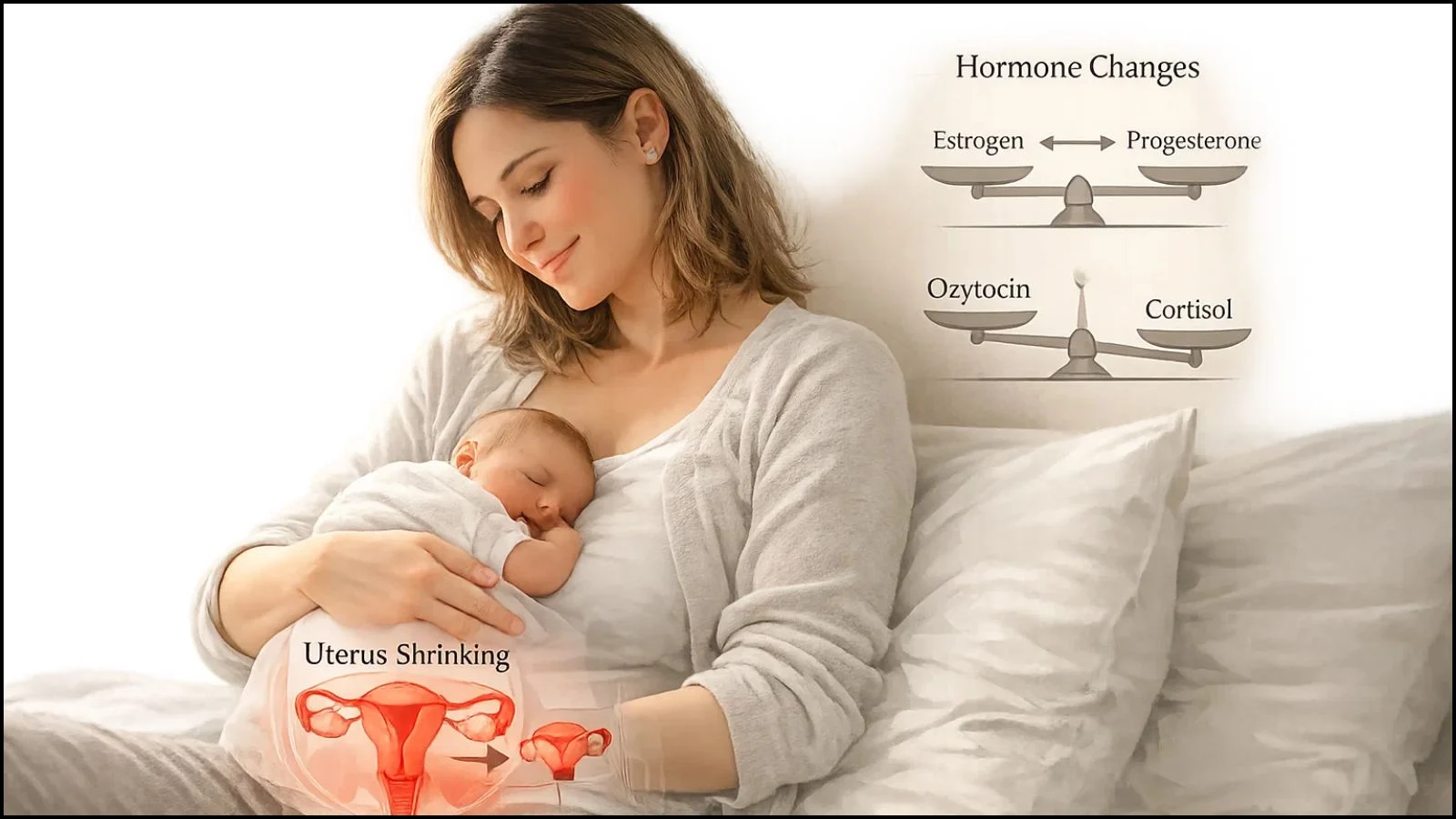
Understanding your body helps remove unrealistic expectations around post-partum weight loss.
After delivery, several things are happening simultaneously:
- Hormone levels drop dramatically
- The uterus shrinks back to pre-pregnancy size
- Fluid retention decreases
- Muscles and connective tissues begin repairing
- Sleep patterns become irregular
Immediately after birth, most women lose 10–13 pounds (baby, placenta, fluids). After that, weight loss slows, and that’s normal.
Your metabolism may fluctuate, especially if breastfeeding. Hunger often increases because your body is using additional energy to produce milk.
Safe post-partum weight loss starts with respecting this recovery phase.
A Realistic Postpartum Weight Loss Timeline
Social media often promotes “snap back” culture, but biology doesn’t work that way.
A healthy postpartum weight loss timeline typically looks like this:
Weeks 0–6:
Focus entirely on recovery. No calorie restriction. Nourish your body.
Weeks 6–12:
If medically cleared, begin gentle walking and light core rehabilitation.
Months 3–6:
Gradual fat loss may begin naturally, especially if you’re active and eating balanced meals.
Months 6–12:
Steady progress continues. Many women reach their comfortable weight during this period.
Losing 0.5–1 pound per week after recovery is considered safe. Faster weight loss can:
- Affect milk production
- Increase fatigue
- Slow tissue healing
- Elevate stress hormones
Sustainable post-partum weight loss is about consistency, not urgency.
Safe Calorie Goals for New Moms
Calorie needs vary based on:
- Age
- Pre-pregnancy weight
- Activity level
- Breastfeeding status
- Hormonal recovery
If You’re Not Breastfeeding
After the 6–8 week recovery window, a moderate deficit of 300–500 calories per day is generally safe.
Avoid extreme restriction. Dropping calories too low can:
- Slow metabolism
- Increase cravings
- Reduce energy needed for childcare
If You’re Breastfeeding
Breastfeeding burns approximately 400–500 calories daily. Your body requires adequate fuel to maintain milk supply.
Instead of aggressive dieting:
- Maintain only a small 200–300-calorie deficit
- Avoid going below 1,800 calories daily (general guideline)
- Focus on nutrient-dense foods
Balanced nutrition supports steady postpartum weight loss without compromising your baby’s needs.
Building a Balanced Postpartum Weight Loss Diet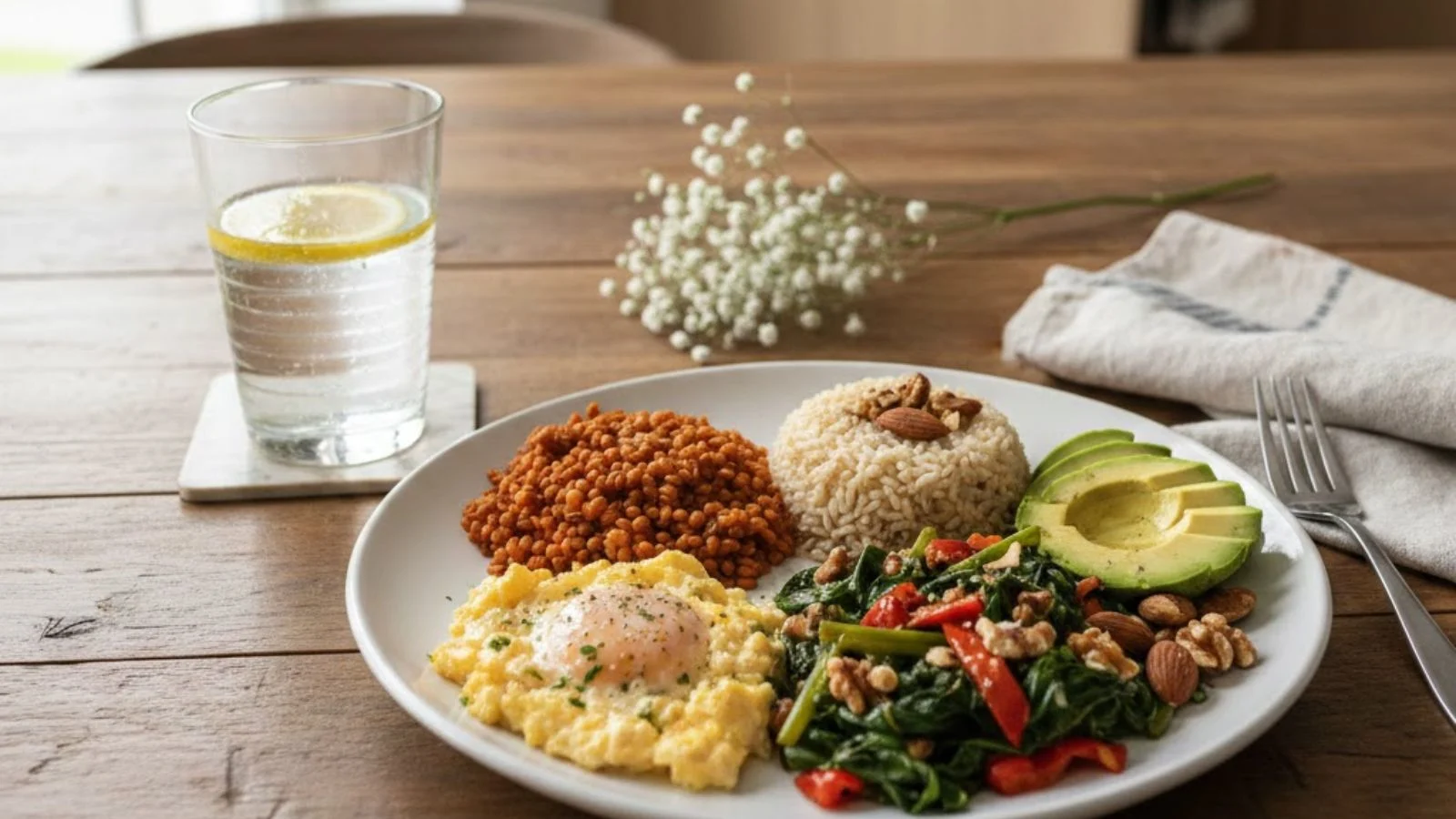
A smart post-partum weight loss diet focuses on nourishment, not restriction.
Prioritize Protein
Protein supports muscle repair and keeps you full.
Good sources include:
- Eggs
- Greek yogurt
- Paneer or tofu
- Lentils
- Chicken
- Fish
Aim for protein at every meal to stabilize blood sugar and reduce cravings.
Don’t Fear Carbohydrates
Carbs are essential for energy, especially when sleep-deprived.
Choose:
- Oats
- Brown rice
- Whole wheat roti
- Sweet potatoes
- Quinoa
Complex carbs support steady energy levels and help regulate mood.
Include Healthy Fats
Hormone recovery depends on adequate fat intake.
Add:
- Nuts and seeds
- Avocado
- Olive oil
- Flaxseeds
Healthy fats improve satiety and brain health.
Hydration Is Critical
Breastfeeding mothers especially need increased fluids.
Aim for:
- 2.5–3 litres daily
- Coconut water occasionally
- Herbal teas
Proper hydration supports digestion and helps manage hunger signals during postpartum weight loss.
Postpartum Weight Loss Tips That Actually Work
Here are realistic post-partum weight loss tips designed for sleep-deprived moms:
Eat Regularly
Don’t skip meals. Skipping increases cortisol and leads to overeating later.
Prep Simple Foods
Keep boiled eggs, chopped fruit, nuts, yogurt, and ready-to-eat healthy meals accessible.
Focus on Steps First
Walking 20–30 minutes daily improves insulin sensitivity and mood.
Add Strength Training Gradually
Light resistance bands or bodyweight exercises preserve muscle.
Manage Stress
Chronic stress slows fat loss. Breathing exercises and short naps help regulate hormones.
Small habits compound over time.
Why Sleep Impacts Postpartum Weight Loss
Sleep deprivation increases ghrelin (hunger hormone) and reduces leptin (satiety hormone).
That means:
- You feel hungrier
- Cravings increase
- Fat storage becomes easier
While perfect sleep isn’t realistic with a new born, try:
- Napping when possible
- Sharing night duties if available
- Avoiding heavy late-night meals
Improving sleep quality supports long-term post-partum weight loss naturally.
Exercise Guidelines After Delivery
Always consult your doctor before resuming workouts.
Vaginal Delivery
Light walking can begin within days if comfortable.
C-Section
Wait at least 6–8 weeks before structured workouts.
Start with:
- Pelvic floor exercises
- Gentle core strengthening
- Light stretching
- Short walks
Avoid intense abdominal workouts too early. Core recovery takes time.
Exercise should complement, not replace, a balanced post-partum weight loss diet.
Emotional Health and Body Image
Postpartum recovery isn’t only physical.
Body changes can impact self-esteem. Social pressure adds unnecessary stress.
Remind yourself:
- Your body carried life.
- Stretch marks and softness are part of healing.
- Progress isn’t linear.
Healthy postpartum weight loss includes mental well-being. If you feel overwhelmed, speak with a healthcare professional.
Common Mistakes to Avoid
Avoid these common pitfalls:
❌ Crash dieting
❌ Eliminating entire food groups
❌ Comparing your progress to celebrities
❌ Exercising intensely too soon
❌ Ignoring emotional hunger
Extreme methods often backfire, slowing sustainable post-partum weight loss.
Tracking Without Obsessing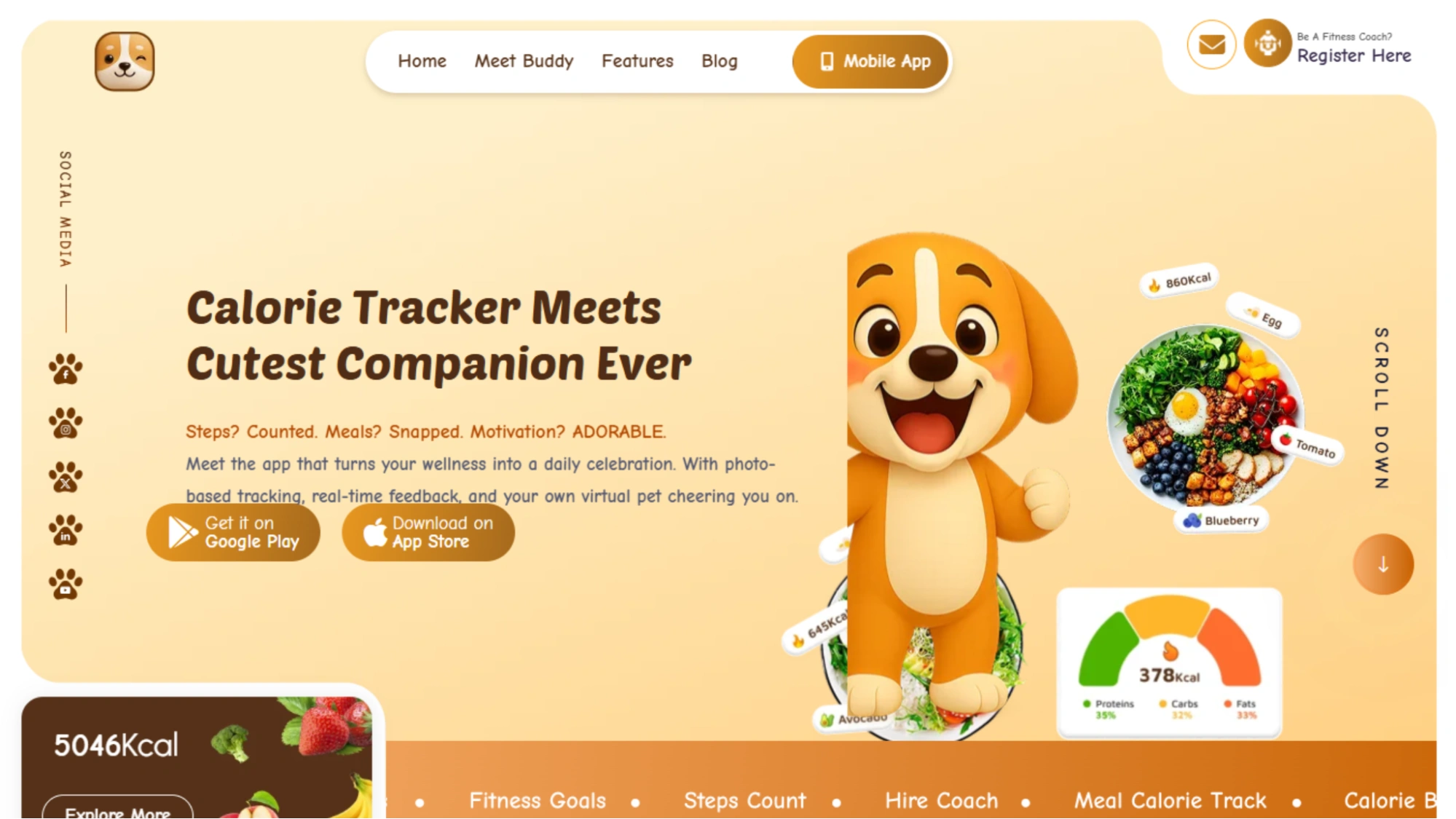
Tracking food intake can create clarity but it must be done gently.
That’s where Calorie Tracker Buddy becomes useful.
Calorie Tracker Buddy helps you:
- Set safe calorie targets
- Log daily meals easily
- Monitor protein intake
- Track hydration
- Adjust goals gradually
Instead of guessing, you gain awareness. For new moms juggling multiple responsibilities, structured tracking reduces anxiety around eating.
Calorie Tracker Buddy supports safe postpartum weight loss by promoting balance, not restriction.
Long-Term Expectations
Many women retain 5–10 pounds long-term, and that’s okay.
The focus should be:
- Strong muscles
- Balanced hormones
- Good energy levels
- Emotional stability
True success isn’t just a number on the scale.
Gradual progress over 6–12 months is completely normal. In fact, slower fat loss is more likely to stay off permanently.
Also Read,
Final Thoughts
There’s no universal blueprint for post-baby recovery. Everybody responds differently.
Safe calorie goals, a nutrient-rich post-partum weight loss diet, gentle movement, realistic expectations, and smart tracking create a sustainable path forward.
Remember:
- Heal first.
- Eat enough protein.
- Stay hydrated.
- Move gently.
- Be patient.
Healthy post-partum weight loss isn’t about shrinking quickly; it’s about rebuilding strength, confidence, and energy for this new chapter of life. And that strength starts with compassion toward yourself.