

Trying to lose weight can be a confusing process. Everyone says you need to follow a strict diet, and the next minute, you hear that diets do not work. Then, there is portion control, which sounds easy, but people still question whether it is actually useful.
What works better: portion control or dieting?
Dieting typically involves rules, restrictions, and eliminating foods you love. On the other hand, portion control is more about how much food you eat, not what food you eat. Both approaches have the same goal, but they function differently.
In this blog, we will break down portion control versus dieting in a simple, real-life way. You will learn how portion control works for weight loss, why portion sizes are important, the difference between portion and serving, and which approach is actually easier to stick to long term.
Listen to this blog.
What Is Portion Control?
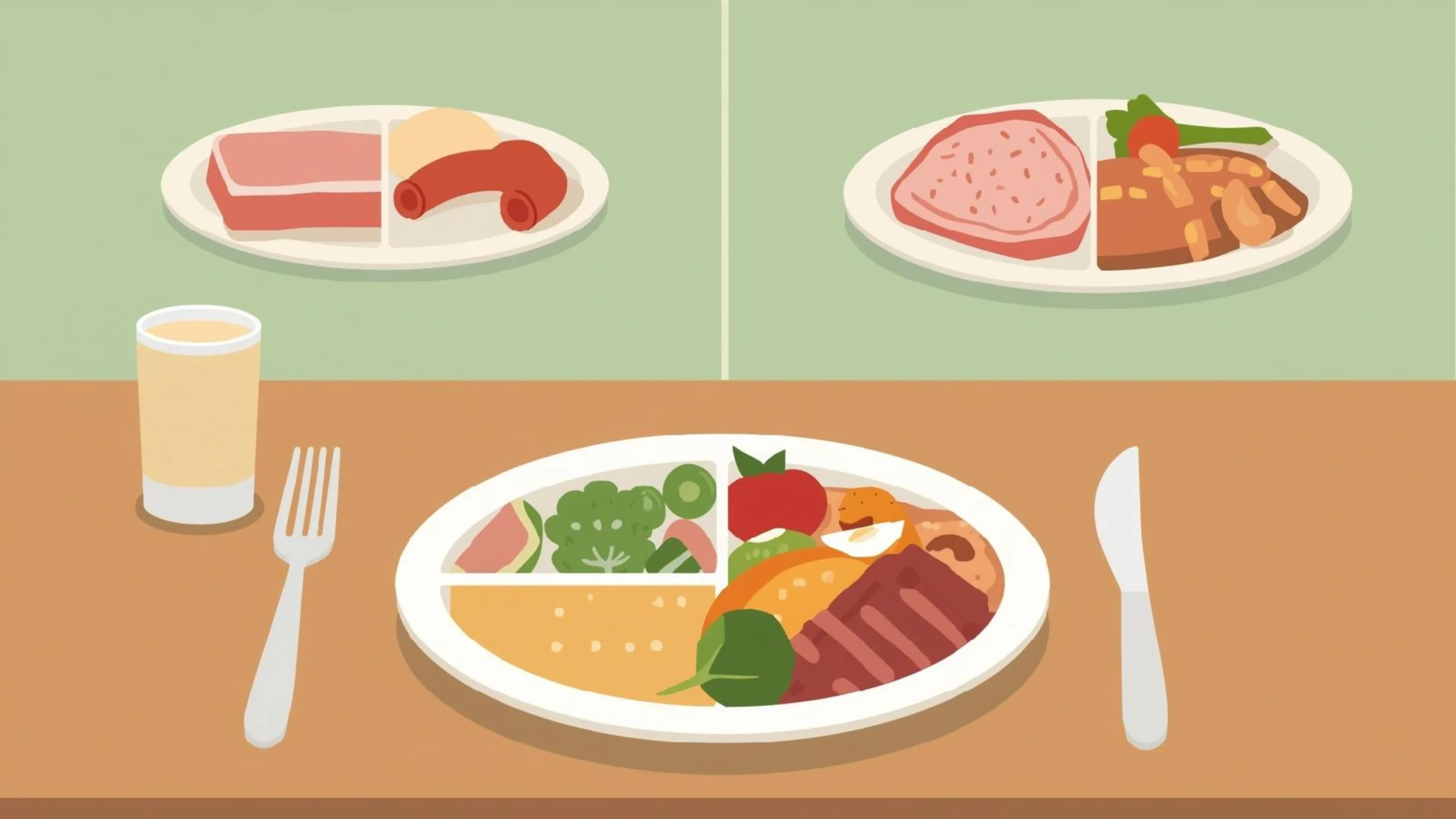
Portion control is basically about how much food one eats. It does not require you to cut out carbohydrates, skip desserts, or follow a strict meal plan. Instead, it helps manage portion sizes so that one does not eat more than the body requires.
A big reason portion control works is that portion sizes are much bigger than they used to be.
Restaurant meals, snacks, and even home-cooked food often come in large portions, making it easy to overeat without even recognizing it.
Another important thing is that portion control does not mark foods as “good” or “bad.” You can still eat your favorite foods in more balanced proportions. This makes portion control feel less difficult and easier in daily life.
Instead of counting every calorie or following strict diet rules, portion control focuses on balance, awareness, and listening to hunger and fullness cues.
Therefore, many people consider it a more realistic and long-term approach to weight loss.
Portion vs. Serving: What’s the Difference?
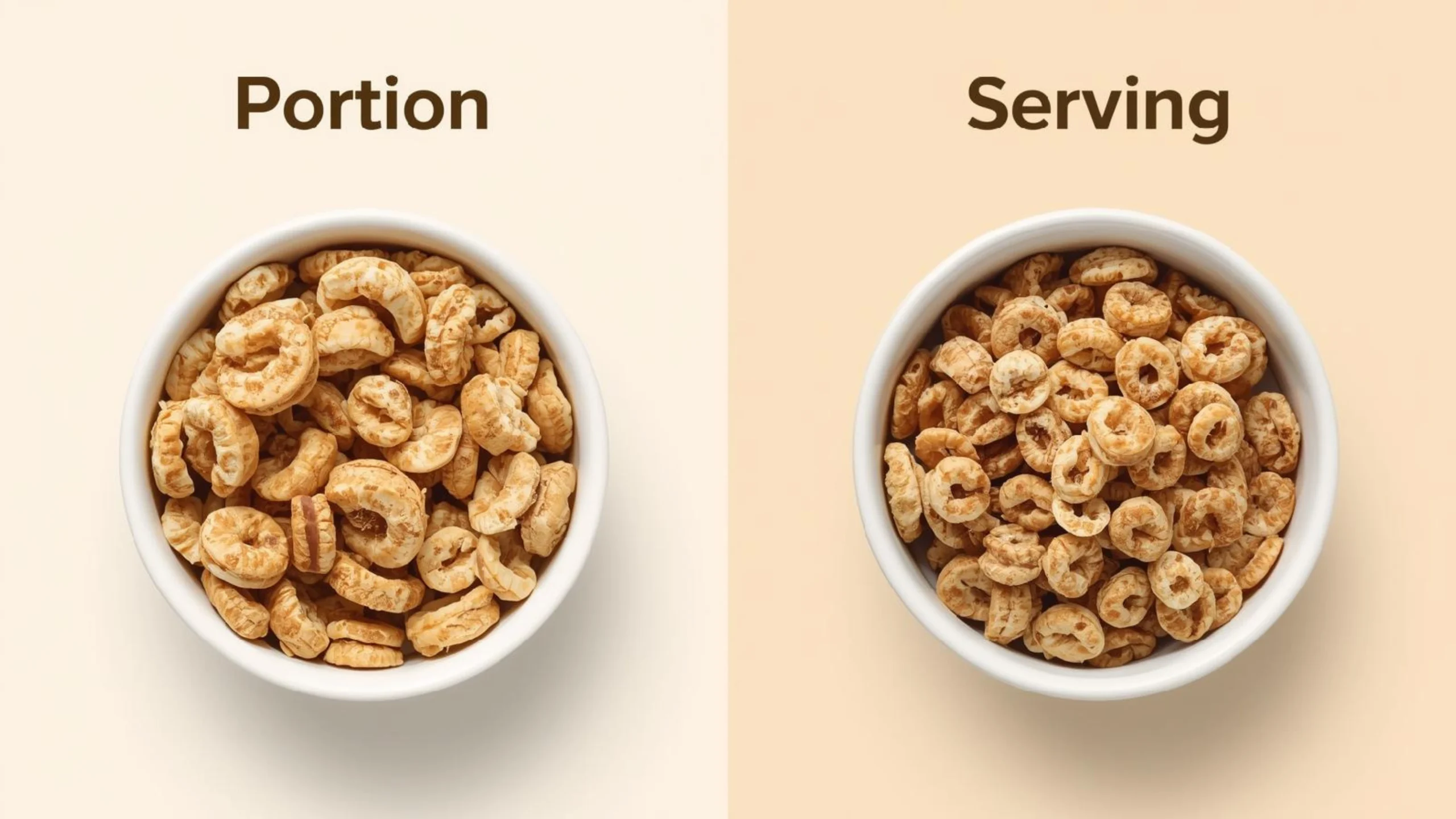
Many people think that portion and serving mean the same thing, but they are actually different. A serving is a standard amount listed on the nutrition labels. It is decided by health organizations and is meant to help you understand calories and nutrients. A portion is the amount of food you choose to eat.
For example, a cereal box might say that one serving is one cup, but if you fill your bowl without measuring, you are probably eating two or even three servings. This is where weight gain can happen. Even healthy foods can lead to weight gain if the portion size is too large. When portions are more extensive than servings, calorie intake increases, which you really notice.
Understanding the difference between portions and servings helps you make choices. You do not have to eat exactly one serving every time, but knowing what a serving looks like makes it easier to control portions and avoid overconsumption.
Once you start paying attention to this difference, portion control for weight loss becomes much more manageable.
How Portion Control Works For Weight Loss?
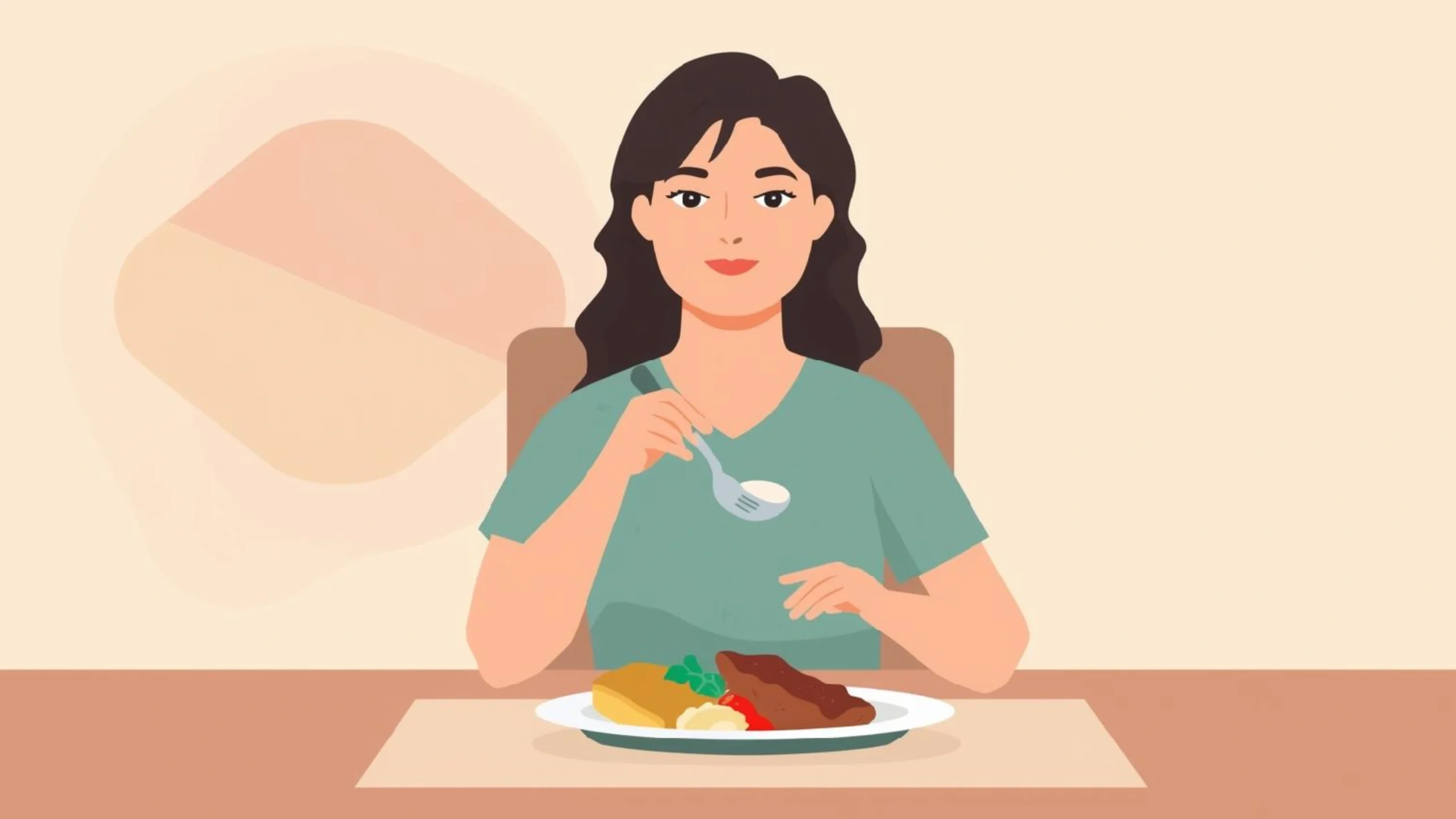
Portion control is effective for weight loss because it helps individuals consume fewer calories on a strict diet. When you reduce portion sizes, you naturally lower your calorie intake, even if you eat the same foods you enjoy.
Most people do not gain weight because they eat unhealthy food all the time. They gain weight because they eat too much of everything, said one participant. Portion control helps you become more aware of how much you are actually eating at each meal.
Another reason why portion control is effective is that it helps you listen to your body. When you slow down and pay attention to portion sizes, it becomes easier to notice when you are full and when your plate is empty. Over time, these better eating habits will benefit the children.
Portion control for weight loss is also important in the long term. There is no pressure to follow strict rules or completely change your lifestyle. You are just making small, realistic changes to your portion sizes, which leads to steady, sustainable weight loss.
How Much Food Should You Consume?
One of the biggest questions people have about portion control is how much food they should eat. The good news is that you do not need to weigh everything or use a food scale all the time. Simple portion guides work well.
A popular method is to use the hands as a guide. Your palm can help measure protein, such as chicken or fish; your fist is a good size for vegetables; your cupped hand works for carbohydrates, such as rice or pasta; and your thumb is a rough guide for fats, such as butter or oil. It is easy, quick, and works anywhere.
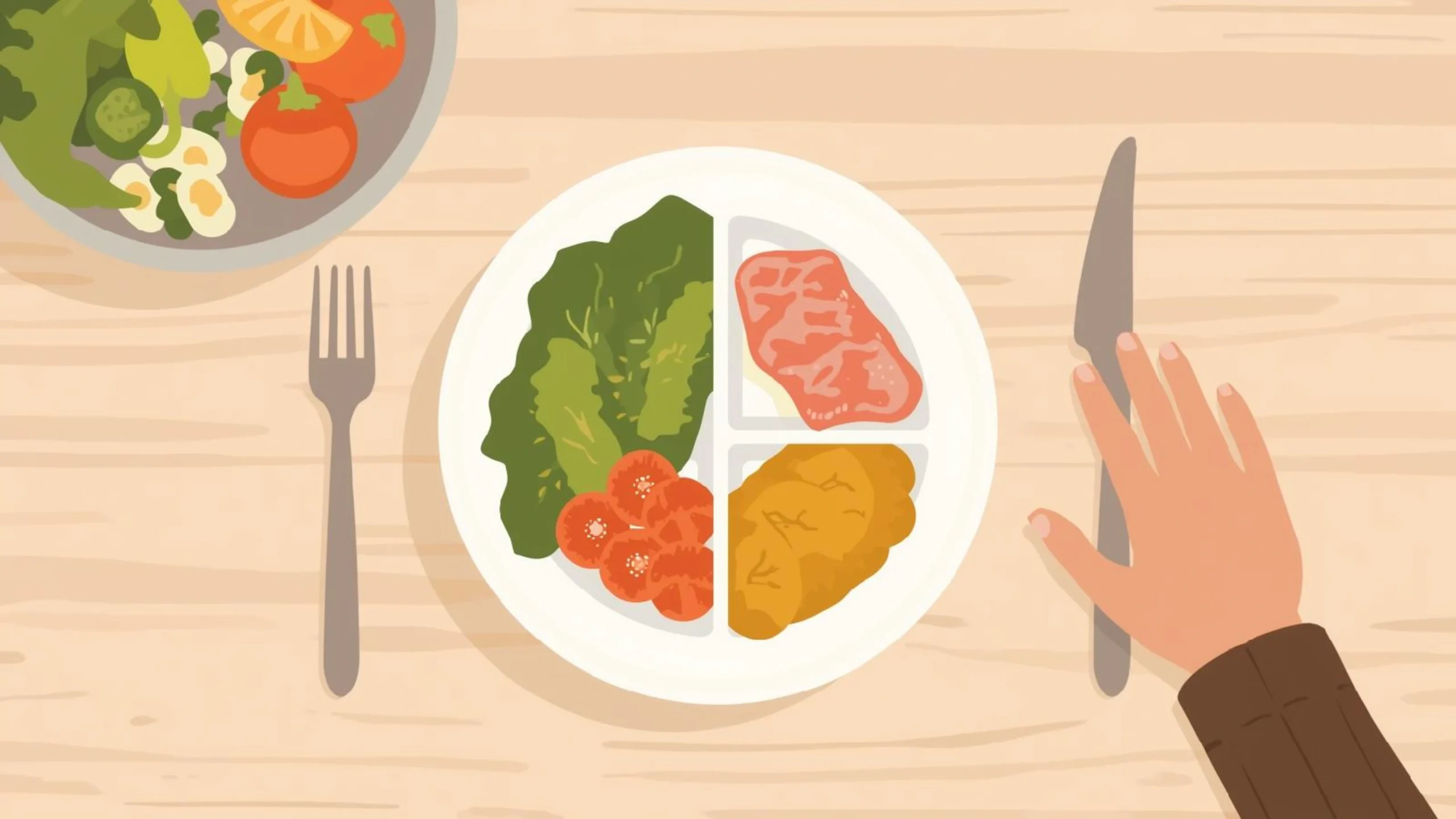
Another helpful tip is the plate method. Try filling half your plate with vegetables, one-quarter with protein tracker, and the last quarter with carbs. Keeps portion sizes balanced and makes meals feel filling without the need to overeat.
Portion sizes for weight loss do not have to be perfect. On some days, you will eat a little more, and that is acceptable. What is most important most of the time? When you focus on balanced portion sizes instead of strict rules, weight loss feels much more manageable.
Read More!
What Is Dieting?
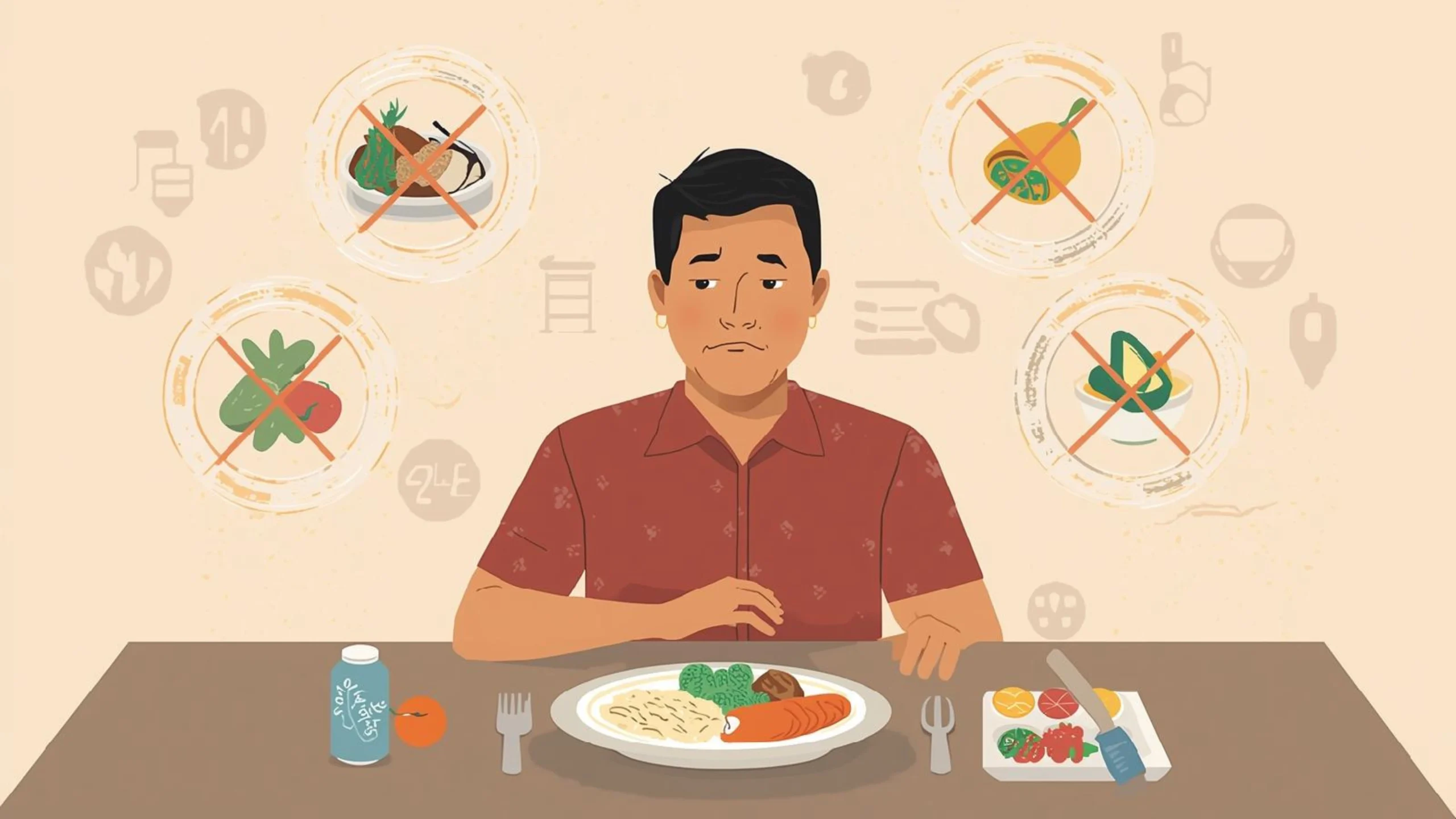
Dieting is a specific eating plan to lose weight. Include counting calories, carbs, and sugar, for certain hours, or following popular diets such as keto or intermittent. Most diets focus on what one should or should not eat.
The goal of dieting is to create a calorie deficit, which means consuming fewer calories than the body needs. Weight loss usually follows this. Therefore, many diets show quick results.
However, dieting often involves many rules. Some diets recommend avoiding certain foods completely, while others require tracking everything you eat. For many people, this can be stressful and difficult to maintain over time.
Dieting is not necessarily bad, but it can be challenging if it feels too restrictive. When food starts to feel like a rulebook instead of something enjoyable, it is easier to give up or fall back into old habits.
Pros and Cons
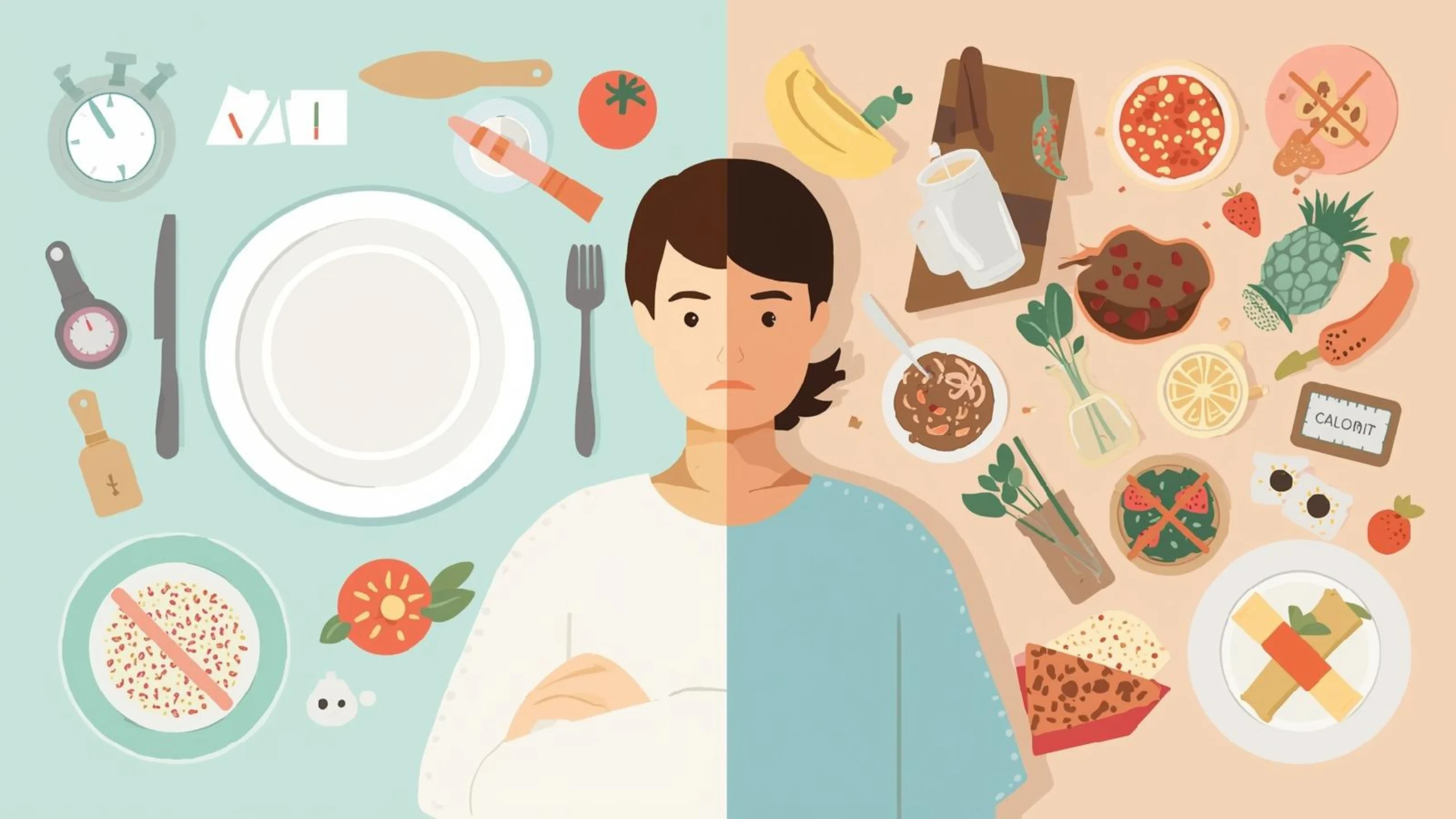
Dieting can be effective for weight loss. One of the biggest advantages is the structure. Having clear rules about what to eat can make decisions easier and help some people stay focused on their goals. Many diets also lead to quick results, which can be motivating at first.
Another benefit is that dieting can help people learn more about food calories and nutrition. Tracking meals or following a plan can make you more aware of what you are putting into your body.
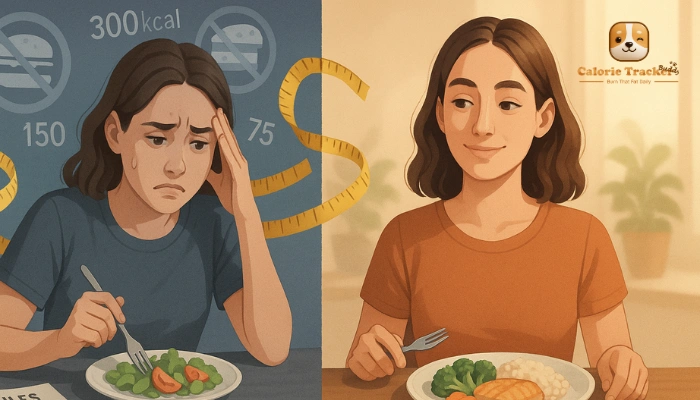
However, dieting has its downsides. Many diets are highly restrictive, which can make you feel deprived. When carb foods are labeled as “off-limits,” food cravings often get stronger, which can lead to overeating later.
Long-term dieting is also difficult to maintain. Once the diet ends, many people revert to their old eating habits and regain weight. This is why dieting sometimes feels like an on-and-off cycle instead of a lasting solution to weight loss.
Dieting is not wrong, but it works best when it fits your lifestyle and does not feel like a punishment. If a diet feels too strict or stressful, it is usually not something you will stick with for long.
Portion Control vs. Dieting: Which Is More Effective for Long-Term Weight Loss?
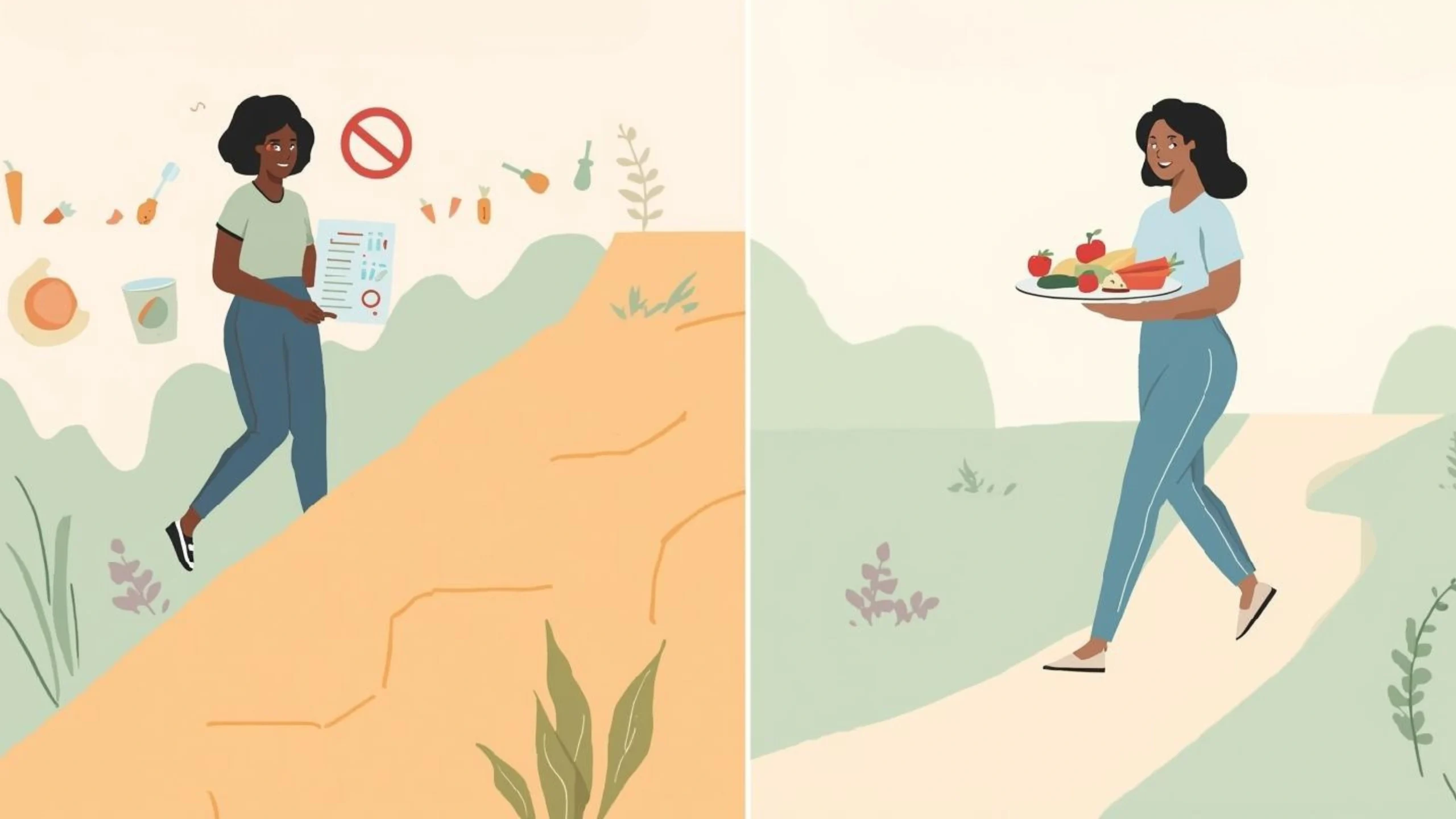
When it comes to long-term weight loss, consistency is more important than quick results. This is where portion control often has an advantage over other dieting methods. Because portion control does not feel restrictive, people are more likely to stick with it over time.
Dieting can lead to rapid weight loss at the beginning, which feels exciting. However, many diets are difficult to maintain once life gets busy or motivation drops. When the diet stops, old habits usually come back, and so does the weight gain.
Portion control, on the other hand, fits into everyday life and is more practical. You are not following strict rules or cutting out foods you enjoy. You are just eating smarter portions, which makes it easier to maintain weight loss without feeling stressed or deprived.
However, dieting can still work for some people, especially those who prefer structure and clear guidelines. The most effective approach depends on what can realistically be followed in the long term. For most people, portion control is the preferred method because it is simple, flexible, and sustainable.
Can Portion Control and Diet Work Together?
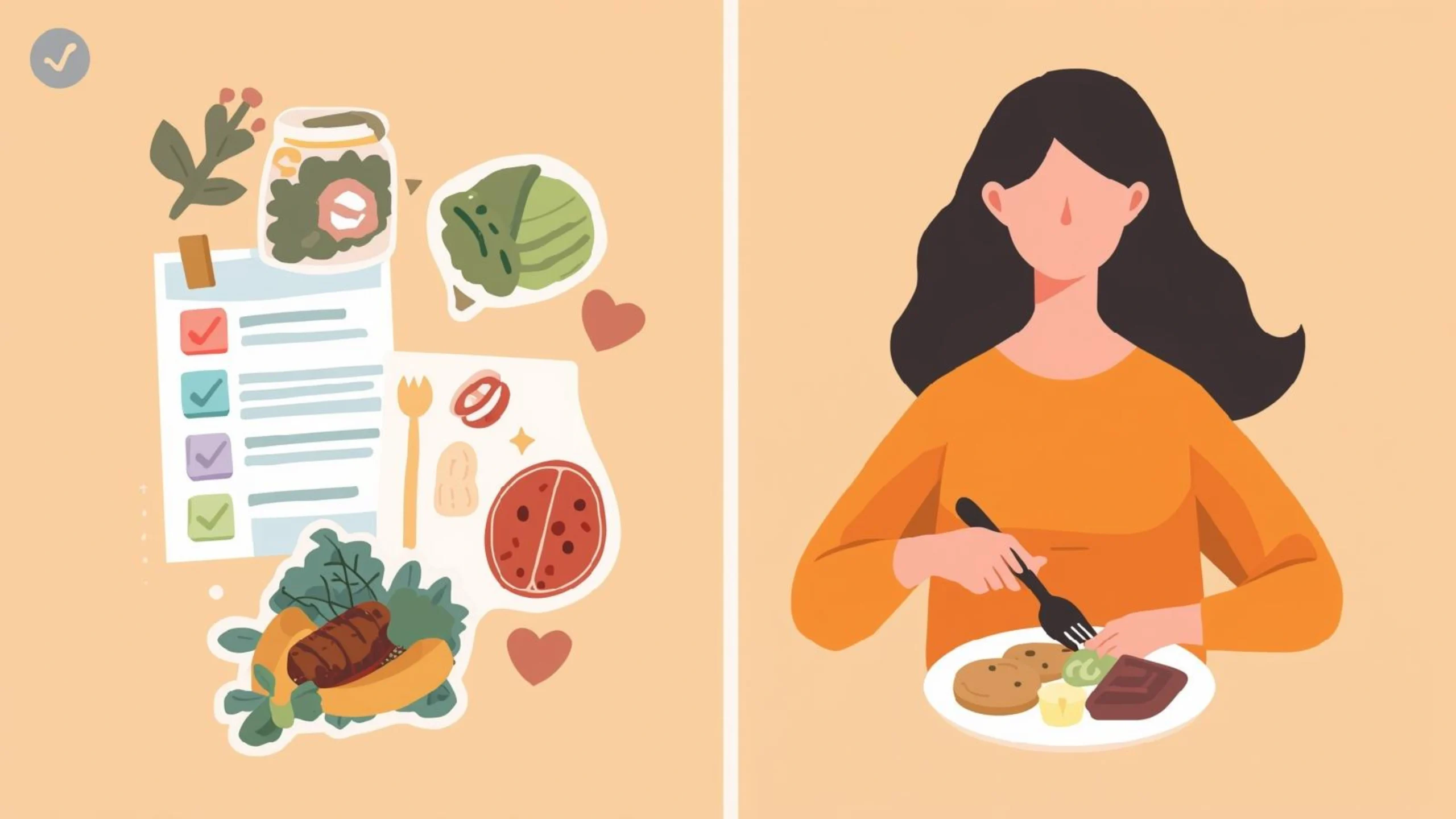
Yes, portion control and dieting can work together, and for many people, this is the best approach. Instead of choosing one or the other, combining both can make weight loss more balanced and realistic.
For example, you might follow a healthy eating plan or diet but still use portion control to avoid overeating. Even healthy foods can slow down weight loss if the portion sizes are too large; therefore, portion control helps keep things in check.
This combination also reduces stress. You get the structure of a diet without feeling overly restricted and the flexibility of portion control without feeling lost. Helps create better habits instead of relying only on short-term rules.
The key is to keep it simple. Avoid extreme restrictions and focus on balanced meals, reasonable portion sizes, and consistency in your diet. When portion control and dieting are done flexibly, weight loss becomes easier to maintain.
What Is Calorie Tracker Buddy?
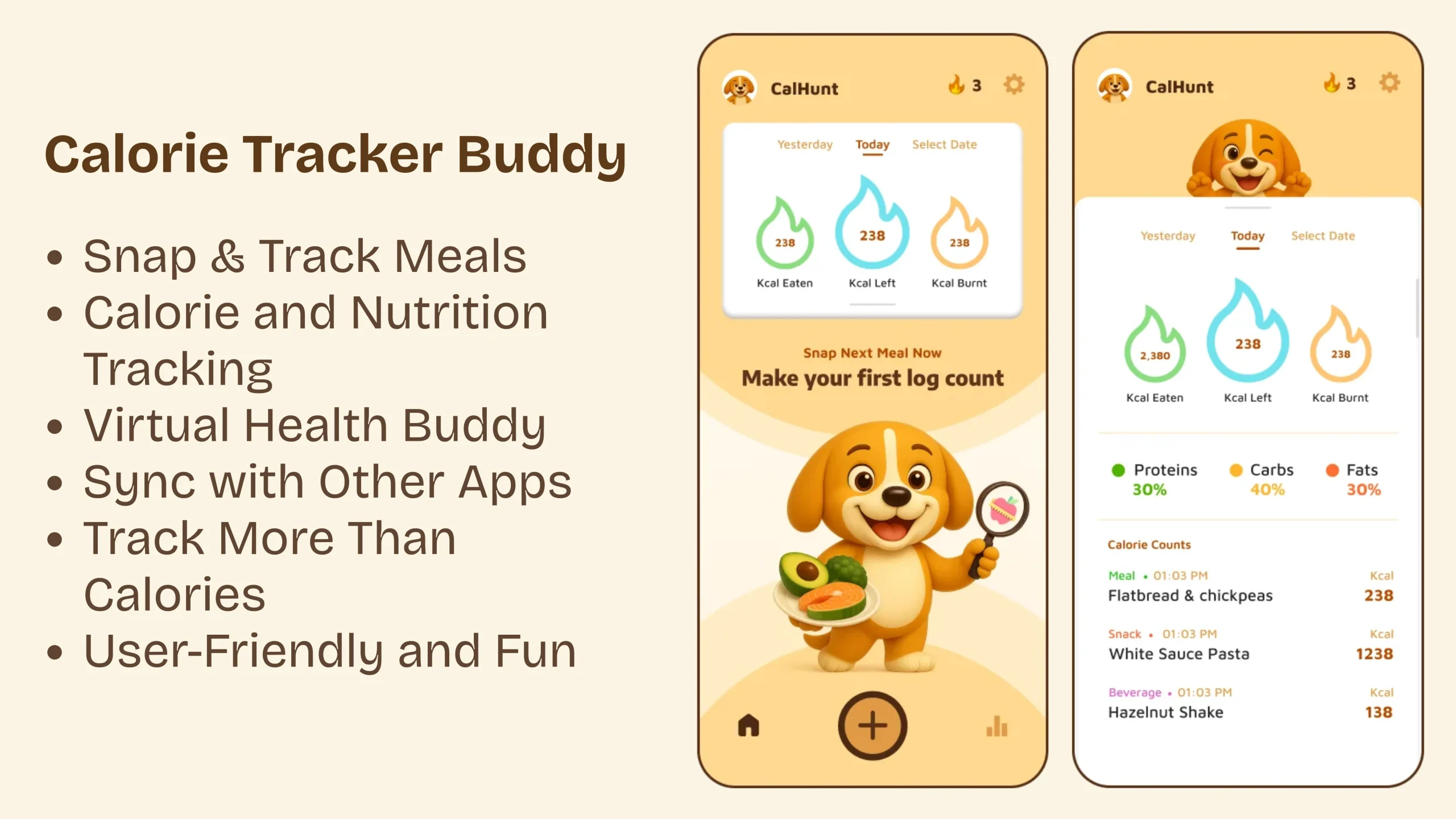
Calorie Tracker Buddy is a health and wellness tracking app that helps you monitor your nutrition and fitness in a simple, interactive way. This app makes calorie tracking fun and easy by using photos and a virtual “health buddy” that motivates users to reach their goals.
Main Features of Calorie Tracker Buddy
Snap & Track Meals
Just take a photo of your food, and the app instantly identifies it, calculates calories, and provides nutritional information such as carbs, High protein, and fat.
Calorie and Nutrition Tracking
Track how many calories you eat and burn each day, all in one place. You can see how meals add up and how they affect your goals.
Virtual Health Buddy
Your “buddy” evolves, grows, and motivates you to make healthy choices. It is like having a little coach cheering you on.
Sync with Other Apps
You can sync your steps and activity data from fitness trackers or apps, such as Google Fit, to obtain a complete view of your daily activity.
Track More Than Calories
In addition to calories, macros (carbs, protein, and fats), water intake, and exercise can be tracked. The app provides personalized suggestions to help users stay on track.
User-Friendly and Fun
The app’s design is simple and user-friendly. It uses reminders, visuals, and motivational messages instead of pressure or strict dieting.

Conclusion
When it comes to portion control versus dieting, there is no single method that works perfectly for everyone. Dieting can offer quick results and structure, but it often feels restrictive and difficult to maintain over the long term. In contrast, portion control focuses on balance, awareness, and realistic eating habits that fit into everyday life.
By understanding the portion sizes for weight loss and the difference between portions and servings, it becomes easier to manage calorie intake without feeling deprived. Portion control for weight loss encourages mindful eating, helps prevent overeating, and supports consistency in the long term.
For many people, the best approach is a flexible combination of these two methods. Using portion control alongside a healthy eating plan or tools like Calorie Tracker Buddy can make weight loss more manageable, less stressful, and sustainable.
At the end of the day, the most effective strategy is the one you can stick to. Focus on building healthy habits, eating balanced portions, and choosing an approach that fits your lifestyle rather than following extreme rules. Sustainable weight loss is about progress rather than perfection.
Frequently Asked Questions (FAQs)
How long does it take to see results with portion control?
The results of portion control vary from person to person; however, many people start noticing changes in their energy levels, digestion, and eating habits within a few weeks. Visible weight loss usually depends on consistency, activity levels, and overall food choices.
Does portion control work without exercise?
Yes, portion control can support weight loss, even without exercise, as it helps reduce calorie intake. However, combining portion control with regular physical activity can improve results, boost metabolism, and support the overall health of the individual.
Can portion control help prevent weight regain
Yes. Because portion control focuses on long-term habits rather than temporary rules, it can help prevent weight regain by teaching individuals how to eat balanced amounts even after reaching their goal weight.
Is portion control suitable for a busy lifestyle?
Absolutely. Portion control does not require meal preparation, calorie counting, or strict schedules. Simple habits, such as using smaller plates or being mindful of portions, can easily fit into a busy routine.