


Beyond just being a kid’s favorite bread spread, peanut butter is a nutrient-dense food that has earned a permanent place in kitchens around the world. Made by grinding roasted peanuts into a creamy or crunchy paste, this versatile spread delivers protein, healthy fats, vitamins, and minerals in every spoonful. But with so wide a variety on the market, from natural to flavored, creamy to powdered, it’s worth asking: Is peanut paste actually as healthy as it seems?
Let’s break down the nutrition, benefits, risks, and alternatives to see where peanut butter fits into a balanced diet.
Listen To The Podcast Now!
What Is Peanut Butter?
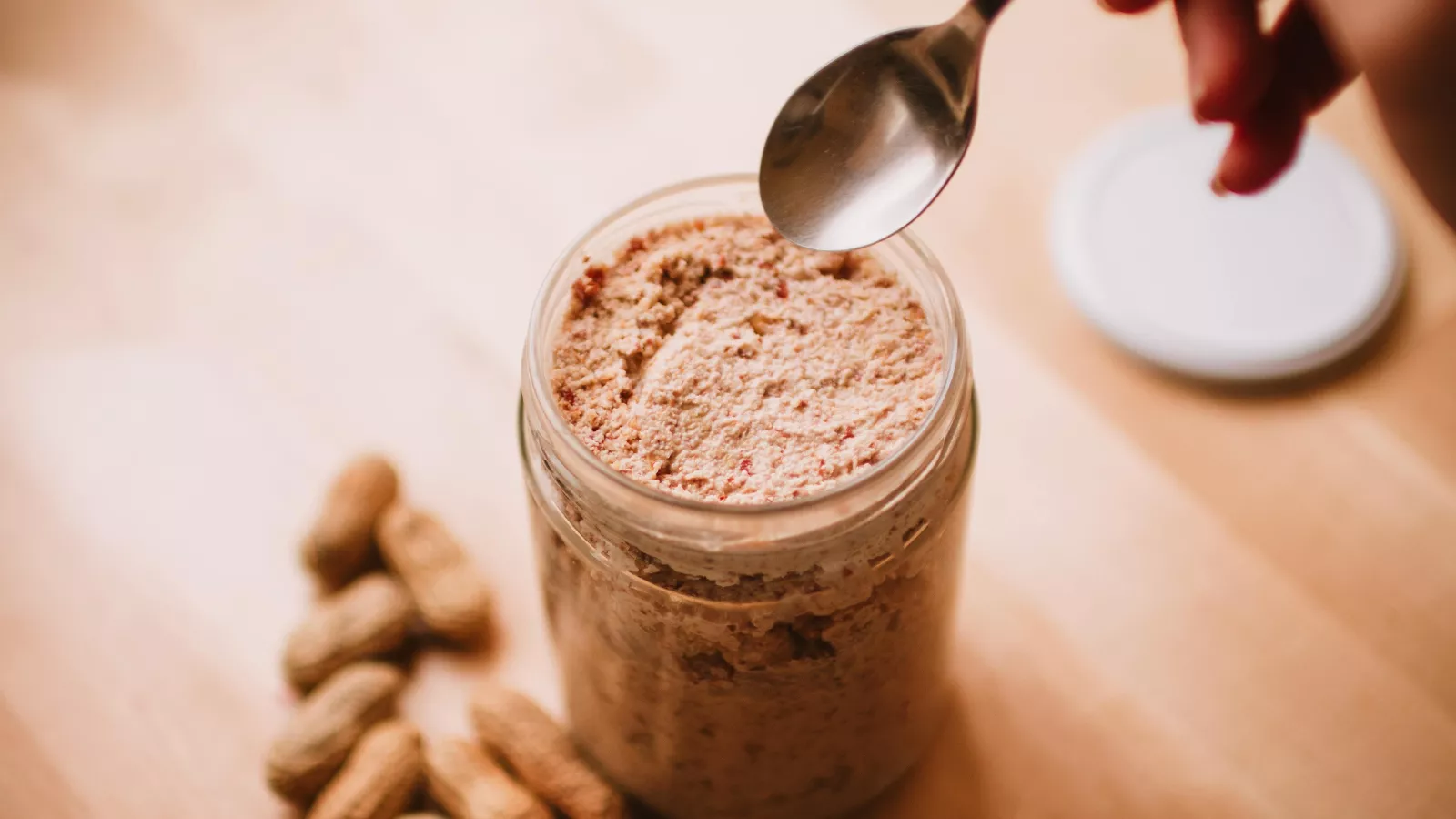 Peanut butter is created by grinding roasted peanuts into a paste. Depending on the type, manufacturers may add salt, sugar, or oils to adjust flavor and texture. Natural versions stick to just peanuts (and sometimes a pinch of salt), while commercial brands often include additives that affect both taste and nutrition.
Fun fact: while the Aztecs and Incas were among the first to grind peanuts into a paste, the modern peanut paste we know today came about thanks to inventors in the late 1800s, including Marcellus Gilmore Edson, John Harvey Kellogg, and Ambrose Straub.
Peanut Butter Calories And Nutrition (Per 2 Tablespoons / 32g)
- Calories: ~190 (1 spoon peanut butter calories = 94 calories approx)
- Protein: 8g
- Fat: 16g (mostly healthy fats)
- Carbs: 7g
- Fiber: 3g
- Sugar: 1g
It’s also a solid source of vitamin E, magnesium, vitamin B6, niacin, manganese, and copper — nutrients that support bone health, immunity, and energy production.
Types of Peanut Butter
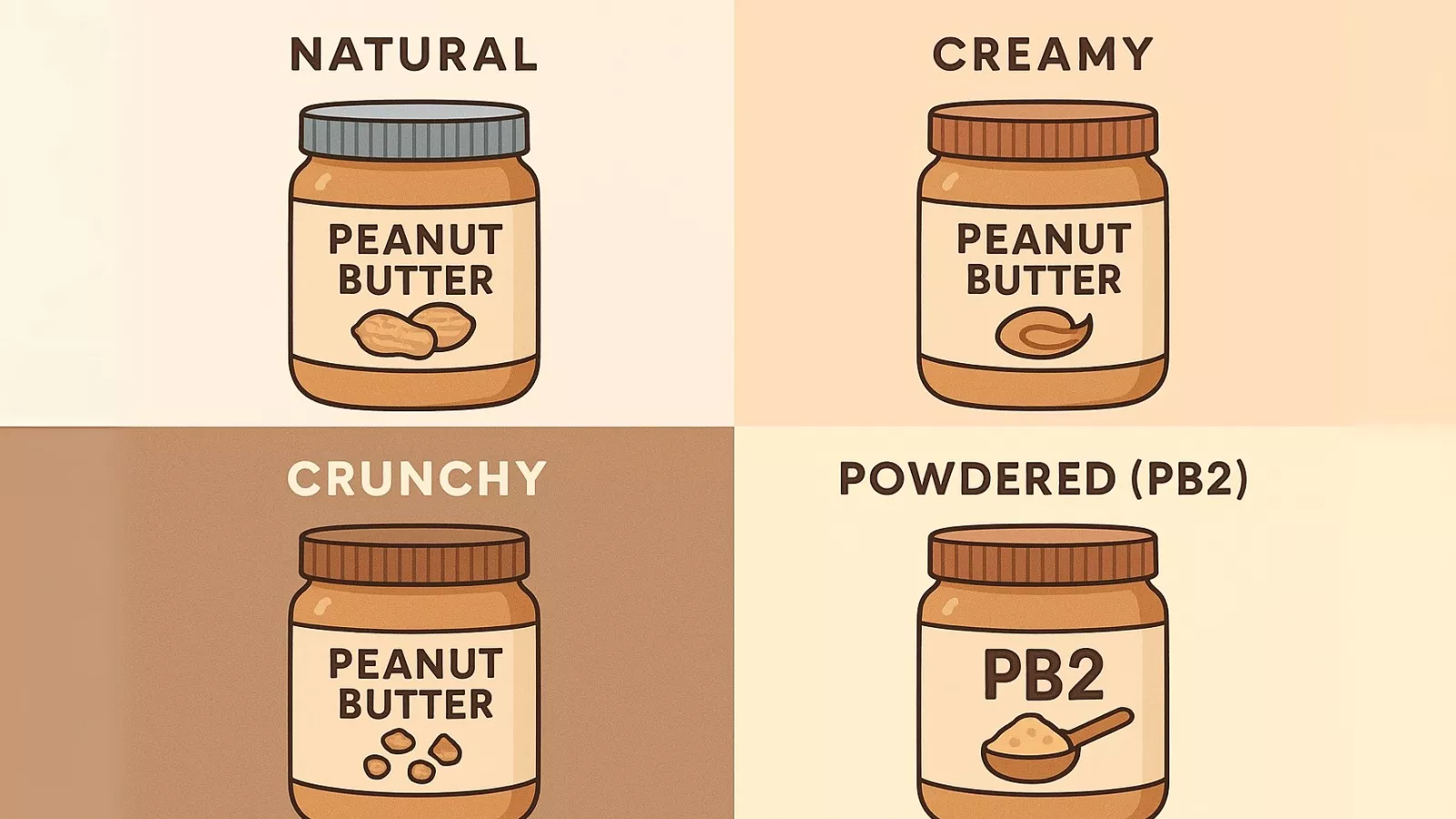
- Natural Peanut Butter – Just peanuts, sometimes with salt. No added sugars or oils.
- Creamy Peanut Butter – Smooth in texture, perfect for spreads and smoothies.
- Crunchy Peanut Butter – Contains small peanut chunks for added texture.
- Powdered Peanut Butter (PB2) – Made by pressing out most of the oils, offering fewer calories per serving.
Benefits of Peanut Butter
Peanut butter isn’t just a tasty spread; it’s a nutrient-dense food that can play a positive role in your diet when eaten in moderation.
✔ Heart Health
Peanut butter is rich in oleic acid and omega-6 fatty acids, both of which can support cholesterol balance by lowering LDL (bad cholesterol) and maintaining HDL (good cholesterol). Regular consumption may lower the risk of heart disease and promote better blood vessel function.
✔ Supports Blood Sugar Control
The healthy fats in peanut paste help reduce insulin resistance, which means your body can regulate blood sugar levels more effectively. Including peanut butter in a balanced diet may help reduce the risk of developing type 2 diabetes.
✔ Antioxidant Power
Peanuts are naturally loaded with antioxidants like resveratrol, vitamin E, and coumaric acid. These compounds help your body fight oxidative stress and prevent cell damage, potentially lowering the risk of chronic diseases like cancer and cognitive decline. Interestingly, roasting peanuts before making peanut butter enhances their antioxidant activity even more.
✔ Weight Management
Thanks to its combination of protein, fiber, and healthy fats, peanut butter keeps you feeling fuller for longer. This helps control cravings and reduces the likelihood of overeating. When paired with a balanced diet and active lifestyle, peanut butter can actually support weight management instead of hindering it.
Also Read
9+ Magnesium Rich Foods You Should Add to Your Diet Right Now!
Potential Risks Of Peanut Butter
While peanut butter offers plenty of benefits, it also comes with some cautions you should keep in mind.
⚠ Added Sugars & Oils
Many commercial peanut paste brands include hydrogenated oils, added sugars, or excessive salt, which diminish its nutritional quality. Opt for natural or homemade versions with just peanuts (and maybe a pinch of salt) to maximize health benefits.
⚠ Allergies
Peanut allergies affect millions worldwide and can be severe or even life-threatening. For those with allergies, even trace amounts of peanut butter should be strictly avoided.
⚠ Phosphorus Content
Peanuts are high in phosphorus, which, in excess, can limit the absorption of important minerals like zinc and iron. For individuals already deficient in these nutrients, too much peanut paste could make the problem worse.
⚠ Calorie Dense
Peanut butter is high in calories — about 190 calories per two-tablespoon serving. Eating it straight from the jar can quickly add up and lead to weight gain if portions aren’t controlled.
That’s where smart tracking makes all the difference. Instead of guessing or cutting out your favorite foods, you can balance indulgence with awareness.
Meet Your Calorie Tracker, Buddy 🍽️📲
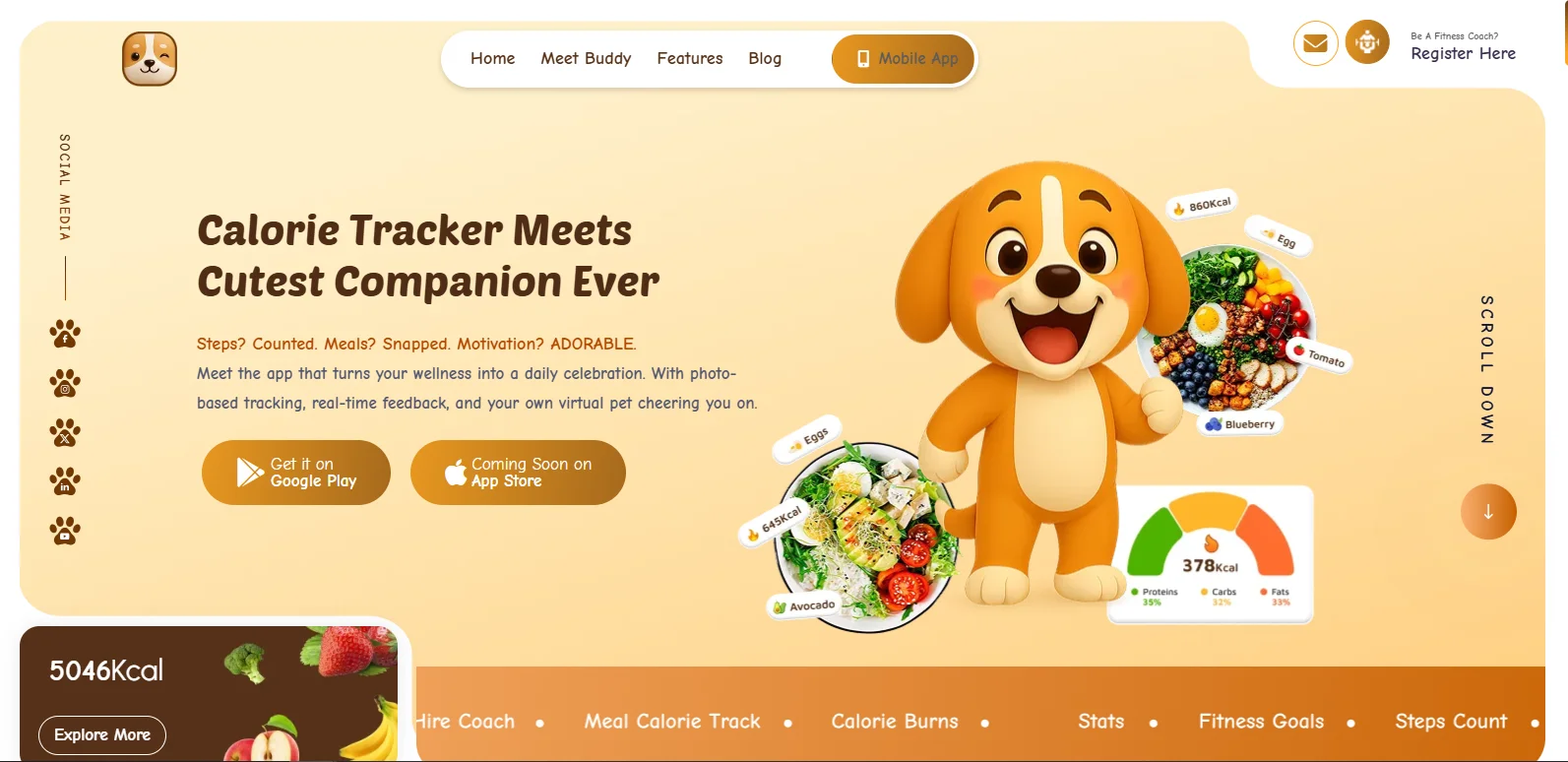
Your personal food companion that makes healthy eating effortless. From scanning your meals in seconds to tracking daily calorie burn, this tool helps you enjoy foods like peanut butter — without losing sight of your goals.
📸 Snap Your Meal
No more guessing. Just take a picture of your plate and instantly get the calories, nutrients, and portion details.
🔥 Track Your Burn
Every move matters — from gym reps to house chores. See how many calories you burn daily and balance them with your meals.
🥗 Smart Intake Log
Log what you eat in seconds and get real-time insights on how it fits into your daily goals.
🎯 Goal Insights
Stay on track with predictions that show how close you are to your fitness or weight targets.
🐾 Buddy Motivation
Your virtual buddy grows stronger with your healthy choices — turning progress into fun daily wins.
📢 Share Your Streaks
Celebrate your healthy meals and milestones with friends and inspire others on the journey.
How To Store Peanut Butter
Proper storage ensures your peanut paste stays fresh and safe to eat:
- Unopened jar → 6–9 months in a cool, dry pantry.
- Opened jar → 2–3 months in the pantry, then move to the fridge where it can last another 6–9 months.
- Always keep it away from direct sunlight or heat sources to avoid spoilage and oil separation.
Peanut Butter Alternatives
If you have a peanut allergy or simply want to add variety to your diet, there are plenty of nutritious alternatives:
- Almond Butter – Packed with vitamin E, fiber, calcium, and magnesium, making it great for heart and bone health.
- Walnut Butter – Rich in omega-3 fatty acids, which are excellent for brain function and reducing inflammation.
- Macadamia Nut Butter – High in healthy monounsaturated fats; though calorie-dense, it supports cholesterol management and heart health.
- Cashew Butter – Creamy and naturally sweet, with high magnesium content that supports muscle and nerve function.
- Sunflower Seed Butter – A peanut-free option that’s loaded with vitamin E and magnesium, great for those with nut allergies.
Takeaway
Peanut butter is nutrient-rich, affordable, and versatile. When eaten in moderation — and preferably in its natural form without added sugars or oils — it can be a healthy addition to your diet. Whether you spread it on toast, swirl it into smoothies, or pair it with fruits, peanut paste delivers a satisfying mix of taste and nutrition.
Peanut Butter FAQs
Which peanut butter is best for health and fitness?
If you’re aiming for both taste and nutrition, natural peanut butter with no added sugar or hydrogenated oils is considered the best. Brands like MyFitness, Pintola, and Alpino are popular choices among fitness enthusiasts because they’re high in protein and healthy fats. These are often rated as some of the best peanut butter in India for health-conscious consumers.
Is peanut butter vegan?
Yes, unless honey is added.
Is peanut butter gluten-free?
Naturally, yes — but check labels for cross-contamination.
Is it safe to eat peanut butter daily?
Yes, in moderation.
Can peanut butter help skin and hair?
Its plant-based protein supports hair growth; natural options are better for skin health.