


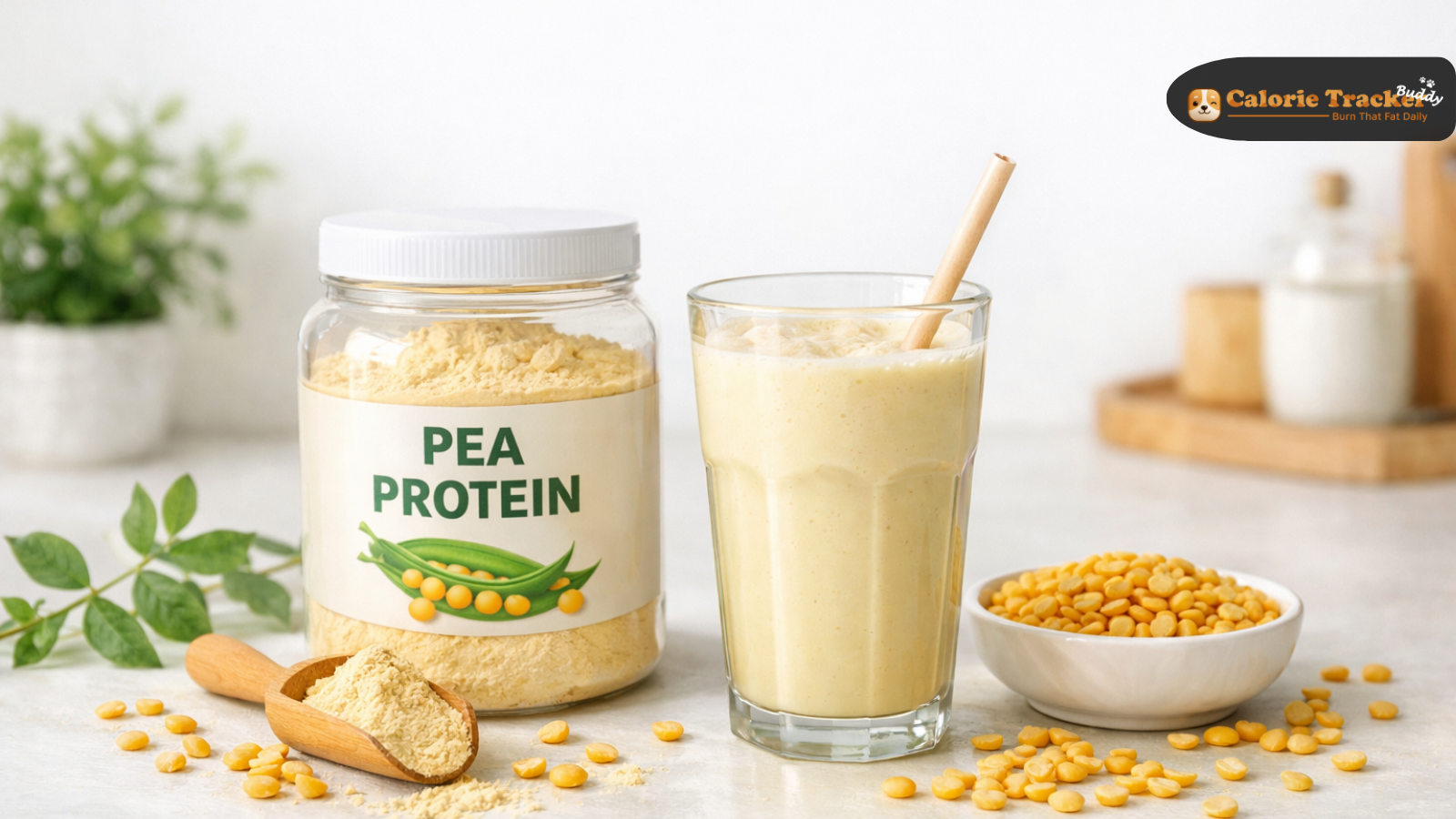
If you’re still relying only on whey for your daily protein boost, you might be missing out on something better, lighter, and surprisingly powerful. Plant-based nutrition has stepped out of the “alternative” corner and into the mainstream — and at the center of this shift is pea protein.
Once seen as niche, pea-based protein has now earned its place in gym shakers, breakfast smoothies, and wellness routines across the world. Athletes, busy professionals, vegans, and even people with sensitive digestion are turning to pea protein not just because it’s plant-based, but because it actually works.
So what makes it special? Is it really effective? And are there any downsides you should know about? Let’s break it down properly.
Listen To The Podcast Now!
What Exactly Is Pea Protein?
Pea-based protein is made by extracting protein from yellow split peas and concentrating it into an easily usable form. The result is a fine powder that blends smoothly into drinks, recipes, and supplements. Unlike whole peas, it’s low in fiber and gentler on digestion, while still delivering impressive nutrition.
What makes this protein stand out is its balance. It’s not just about being plant-based — it’s about being practical, digestible, and effective for real lifestyles.
It’s also worth noting that green peas protein differs slightly in nutrient profile, but both forms share the same core advantage: a strong amino acid structure that supports the body efficiently.
Nutritional Value: What Are You Really Getting?
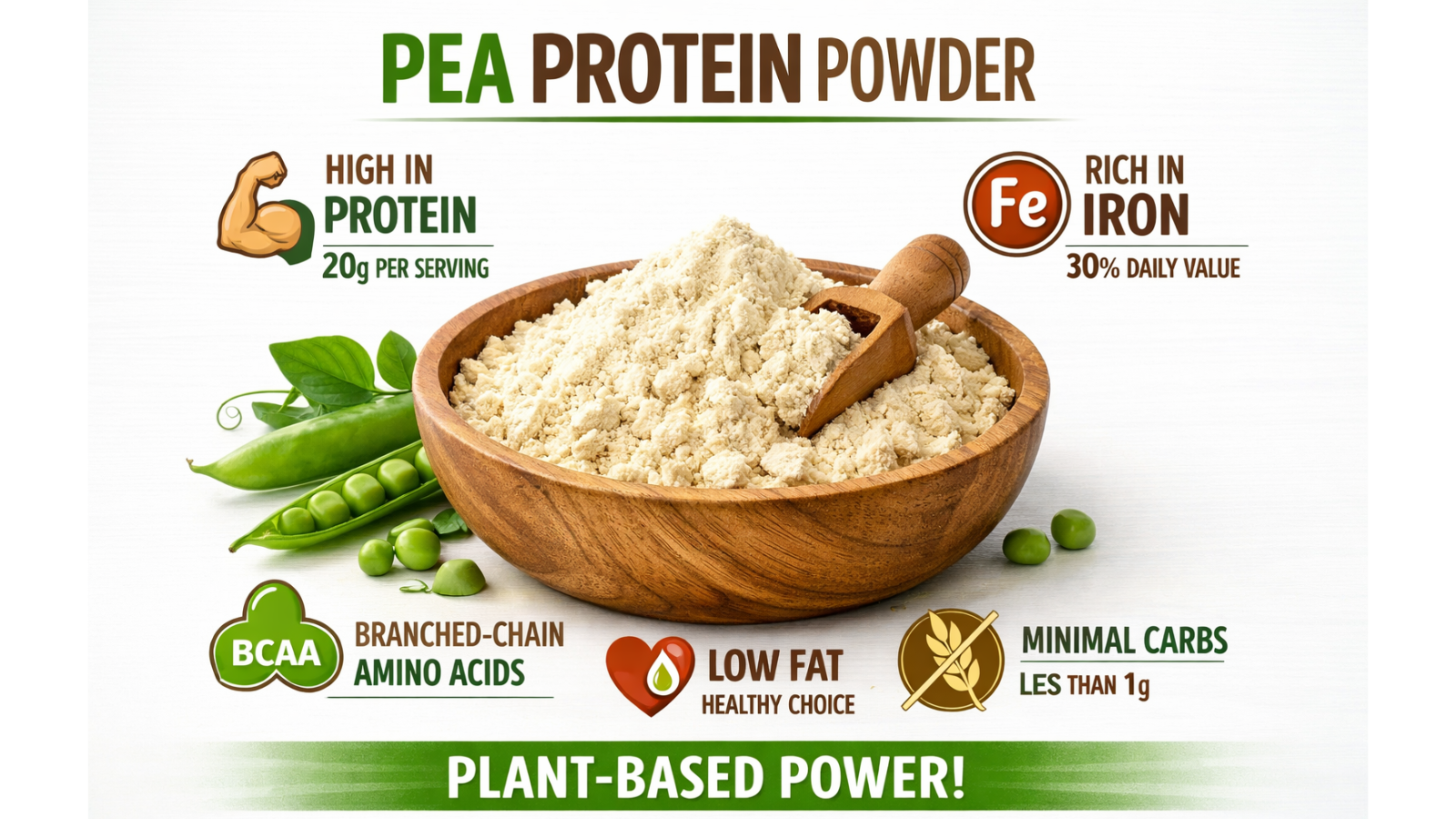
One of the biggest reasons people choose Protein from peas is its nutritional profile. It’s naturally rich in essential amino acids, including branched-chain amino acids (BCAAs) like leucine, isoleucine, and valine — the same compounds responsible for muscle recovery and growth.
Many people ask about peas protein per 100g, and while the exact numbers depend on the brand, most high-quality powders provide roughly 70–85 grams of protein per 100 grams. That’s comparable to many animal-based sources.
Beyond protein itself, this protein also delivers:
- Iron (great for energy levels)
- Arginine (supports blood flow and heart health)
- Low fat content
- Naturally cholesterol-free
- Minimal carbohydrates
This makes Protein from peas an excellent choice not just for fitness enthusiasts but also for people trying to improve their overall nutrition without complicating their diet.
Why Pea Protein Is Gaining Popularity So Fast
The rise of pea protein isn’t a trend — it’s a response to real problems people face with traditional protein sources for meal planning.
Whey doesn’t suit everyone. Lactose sensitivity, bloating, digestive discomfort, acne flare-ups, and inflammation are common complaints. That’s where Protein from peas changes the game.
Pea-driven protein is:
- Naturally dairy-free
- Naturally gluten-free
- Free from major allergens
- Easy on the stomach
- Suitable for almost every dietary lifestyle
Whether someone follows a plant-based diet or simply wants a cleaner protein option, pea-based protein fits in without friction.
Muscle Growth: Does It Actually Work?
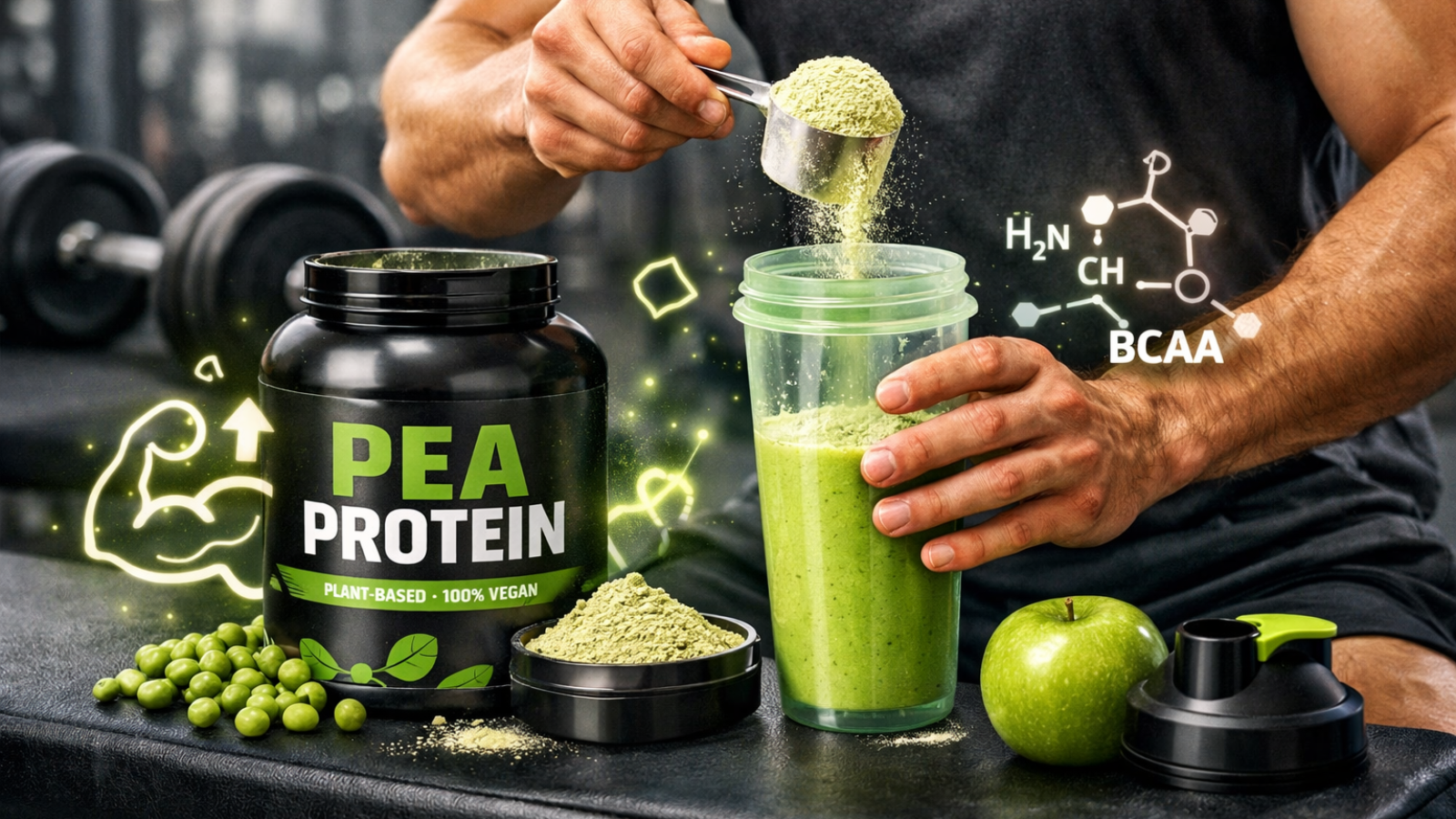
There’s a persistent myth that plant proteins can’t compete with animal-based options. But when it comes to pea protein, the evidence says otherwise.
Studies comparing pea protein with whey have shown similar results for muscle thickness, strength improvement, and recovery when combined with resistance training. That’s because this protein delivers a strong amino acid profile, especially leucine, which is crucial for muscle protein synthesis.
For anyone lifting weights, training consistently, or trying to preserve muscle while losing fat, pea protein can absolutely support performance goals.
The key isn’t the source — it’s consistency, total protein intake, and how well your body tolerates the supplement. For many people, Protein from peas actually performs better because it’s easier to digest and absorb.

Supports Weight Loss Without Feeling Restrictive
One of the underrated benefits of pea-driven protein is how filling it feels.
Protein naturally supports satiety — meaning you feel full for longer after consuming it. Pea protein does this effectively without the heaviness that some other sources can cause.
When included in breakfast or post-workout nutrition, pea protein can:
- Reduce unnecessary snacking
- Stabilize energy levels
- Support calorie control
- Make healthier eating feel easier
If you’re serious about making your nutrition more intentional, tracking what you eat can make a real difference. Tools like Calorie Tracker Buddy help simplify the process by letting you monitor your daily calorie intake, protein consumption, and overall food habits in one place. Instead of guessing whether you’re eating enough (or too much), you get clarity — which makes it easier to use options like pea protein effectively, whether your goal is fat loss, muscle building, or better overall health.
Track Your Nutrition With Calorie Tracker Buddy
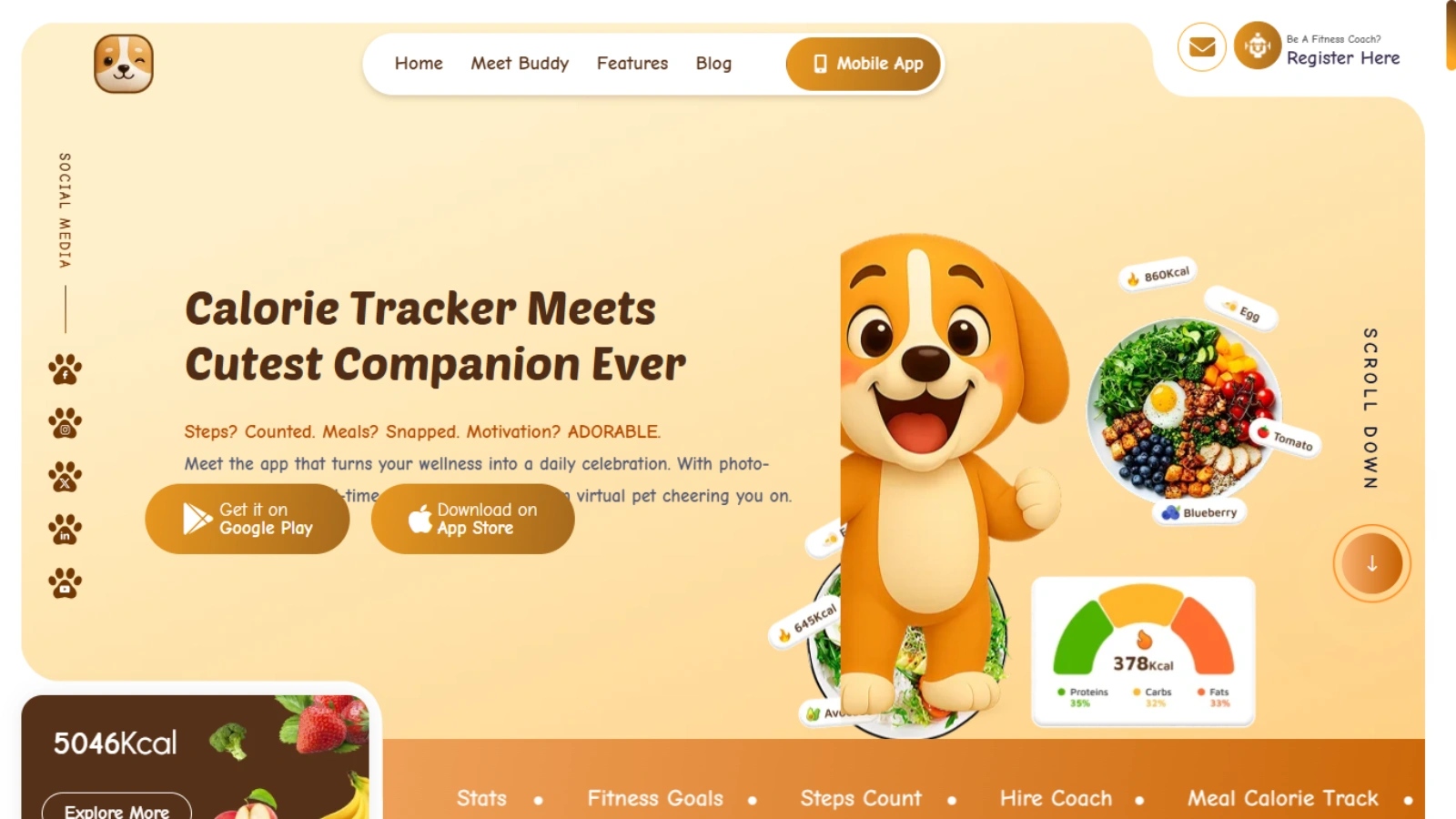
If you’re adding pea protein to your diet for muscle growth, weight management, or overall wellness, tracking your intake can make all the difference. That’s where Calorie Tracker Buddy comes in — a fun, easy, and effective way to monitor your calories, protein, and meals.
With Calorie Tracker Buddy, you get more than just numbers:
- Snap & Track Meals: Take a quick photo of your smoothie, pea-based protein shake, or lunch, and the app instantly calculates calories, protein, and nutrient balance.
- Track Your Protein Intake: Ensure you’re meeting your daily protein goals without overdoing it, making pea protein powder, shakes, or snacks more effective.
- Monitor Calorie Burn: Every step, workout, or even household activity counts toward your daily goal, giving you a complete picture of your energy balance.
- Motivation From Your Virtual Buddy: Your adorable health companion grows stronger as you make healthy choices — every meal, snack, and sip helps both you and your buddy progress.
- Goal Predictions & Insights: Wondering how close you are to your targets? Get real-time feedback on your meals, protein, and calories, so you can adjust and stay on track.
Whether your goal is muscle building, weight management, or just staying healthy, Calorie Tracker Buddy makes it fun and easy to stay consistent. Pair it with your pea protein shake or powder for maximum results — and watch your progress, one healthy choice at a time.
Download Calorie Tracker Buddy and turn your wellness routine into a daily celebration!
Heart Health and Long-Term Wellness
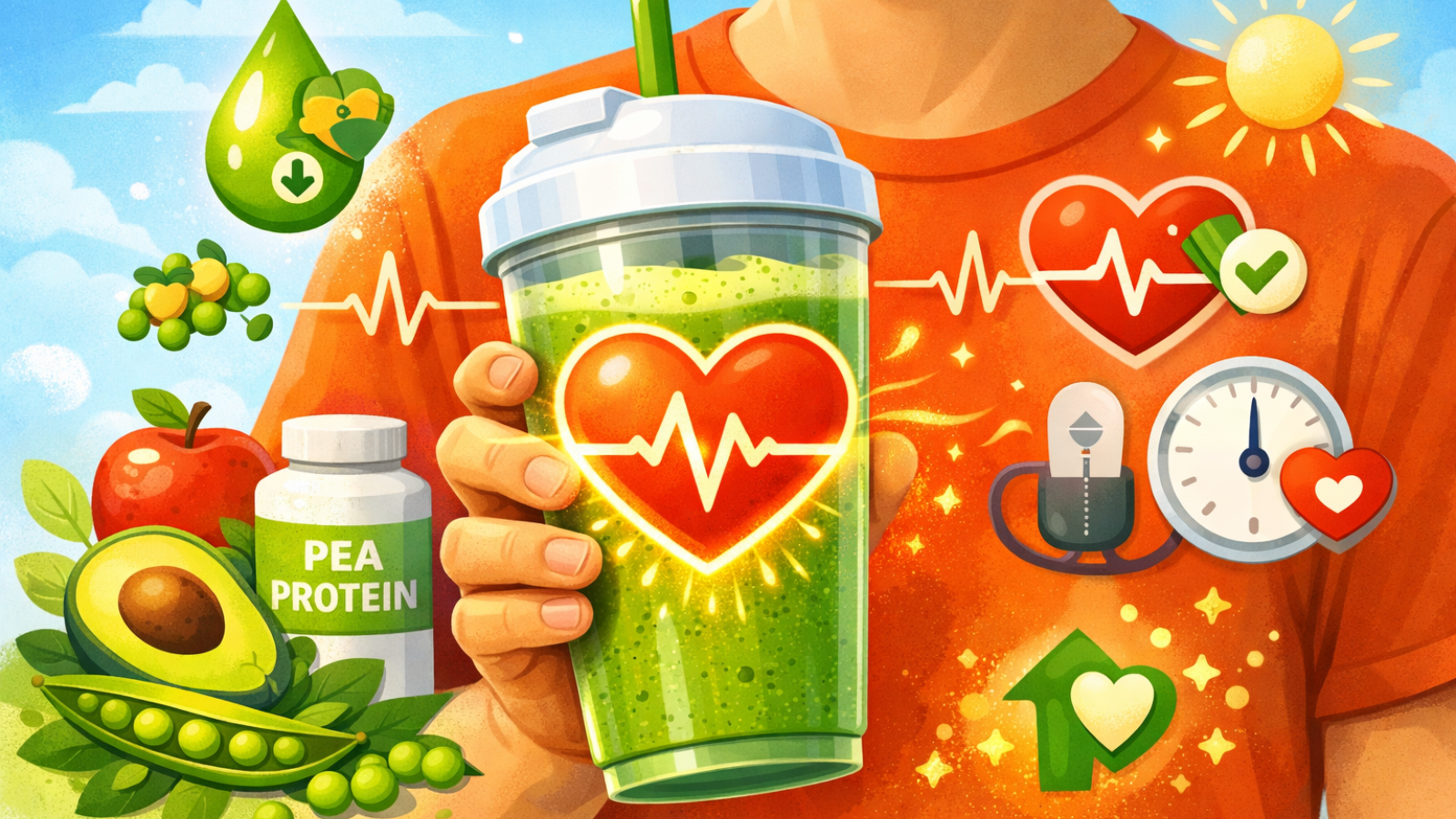
Pea-based protein isn’t just about aesthetics or gym performance. It offers meaningful benefits for long-term health too.
Research suggests that pea protein may support:
- Lower cholesterol levels
- Better blood pressure regulation
- Improved blood vessel function
Because it’s naturally cholesterol-free and low in saturated fat, pea protein supports cardiovascular health in a way that many animal-based proteins simply can’t.
Over time, small dietary shifts like replacing heavier protein sources with Protein from peas can have a real impact on overall wellness.
Digestion: Gentle on the Gut
One of the most common reasons people switch to pea protein is digestion.
Unlike many dairy-based supplements, Protein from peas doesn’t usually cause bloating, cramping, or discomfort. It’s naturally free from lactose and tends to be easier on the stomach lining.
That makes pea protein especially useful for:
- People with sensitive digestion
- Those who experience bloating with whey
- Individuals managing IBS or mild food sensitivities
- Anyone who simply wants a lighter-feeling protein source
You shouldn’t feel uncomfortable after fueling your body — and pea protein makes that possible.
Also Read: –
Easy Ways to Use Pea Protein Daily
You don’t need a complicated routine to make Protein from peas part of your day. It’s versatile and adapts easily to normal eating habits.
Some practical ways to use pea protein powder include:
- Blending into smoothies
- Stirring into oatmeal
- Adding to pancake or muffin batter
- Mixing into plant-based yogurt
- Baking into healthy Protein based snacks
The most popular option remains a quick pea protein shake — simply mixed with water or plant milk, plus fruit or nut butter for flavor. It’s fast, satisfying, and effective.
Because pea-based protein has a mild taste and smooth texture, it works well in both sweet and savory recipes without overpowering the dish.
Is Pea Protein Safe? Understanding the Risks
For most people, pea protein is very well tolerated. However, like any supplement, there are a few things to be aware of.
Some products may contain higher sodium levels depending on processing, so it’s always worth checking labels if you’re monitoring salt intake.
People with a true pea allergy should avoid pea protein, though such allergies are relatively uncommon compared to dairy or soy sensitivities.
The biggest “risk” is actually overconsumption. More protein isn’t always better. Balance matters. Pea protein works best when used as part of a well-rounded diet rather than as a replacement for all whole food sources.
Pea Protein and Sustainability: Better for You, Better for the Planet
Another reason this protein continues to rise is its environmental impact.
Compared to animal agriculture, pea protein requires:
- Less water
- Less land
- Fewer resources
- Lower carbon emissions
For people who care about sustainability without wanting to sacrifice nutrition, pea protein offers a rare combination: effective, ethical, and environmentally responsible.
Choosing pea protein isn’t just a health decision — it’s also a conscious lifestyle choice.
Who Should Consider Using Pea Protein?
Pea protein isn’t limited to one type of person. It fits into many different lives.
It’s especially beneficial for:
- People following a vegan protein lifestyle
- Fitness enthusiasts seeking muscle support
- Individuals with lactose intolerance
- Busy professionals needing convenient nutrition
- Older adults aiming to preserve muscle mass
- Anyone looking to improve protein quality without heaviness
Because Protein from peas adapts so easily, it doesn’t feel like a strict diet choice. It feels like a smart upgrade.
The Bottom Line
Pea protein has moved far beyond being a “plant-based alternative.” It’s now a legitimate, effective, and science-backed protein source that supports muscle, digestion, heart health, weight management, and overall wellbeing.
Whether your goal is fitness, better nutrition, easier digestion, or simply cleaner eating, pea protein fits naturally into that journey.
It’s simple, versatile and effective.
And most importantly — it works for real people with real lifestyles.
Frequently Asked Questions (FAQs) –
1. What is pea protein, and how is it different from other proteins?
Pea protein is a plant-based protein made from yellow split peas. Unlike whey or egg protein, it’s vegan, hypoallergenic, and easy to digest, making it suitable for most diets. It also provides a strong amino acid profile that supports muscle growth, recovery, and overall health.
2. How much protein does pea protein contain?
Most high-quality powders provide around 70–85 grams of protein per 100 grams, making it comparable to many animal-based sources. A single pea protein shake can supply a substantial portion of your daily protein needs.
3. Can Protein from peas help with muscle building?
Yes! With branched-chain amino acids (BCAAs) like leucine, pea protein supports muscle protein synthesis. Studies show it can be just as effective as whey for building muscle when combined with resistance training.
4. Is pea protein suitable for weight loss?
Absolutely. Pea protein helps you feel full longer, reduces cravings, and stabilizes energy levels. For best results, pair it with a calorie tracker like Calorie Tracker Buddy to monitor intake and progress.
5. Can I use pea protein if I’m vegan or lactose-intolerant?
Yes! It’s naturally vegan, lactose-free, and free from major allergens, making it ideal for people with dietary restrictions or sensitive digestion.
6. How should I use pea protein in my daily routine?
Pea protein powder is versatile — mix it into smoothies, shakes, oatmeal, yogurt, or baked goods. A pea protein shake post-workout is especially effective for muscle recovery and satiety.