


If you’ve ever had a bad day and suddenly found yourself aggressively attacking a packet of chips as it owes you money… congratulations, you’ve already practiced a bit of nutritional psychiatry without realizing it.
And before you go— “What is nutritional psychiatry? Is it that thing where I eat chocolate and magically become happy?” Let’s clear things up. Because the idea is way cooler (and a lot more scientific) than that. Nutritional psychiatry is basically the science of how food affects your mood, brain, and mental health. It’s the study of how nutrients, gut bacteria, vitamin levels, and everyday meals can change how you think, feel, and function.
And trust me—once you understand how nutrition affects mental health, you’ll look at your plate very differently. Grab your coffee (or kombucha if you’re fancy). Let’s get into it.
Listen To The Podcast Now!
So… What Is Nutritional Psychiatry, Really?
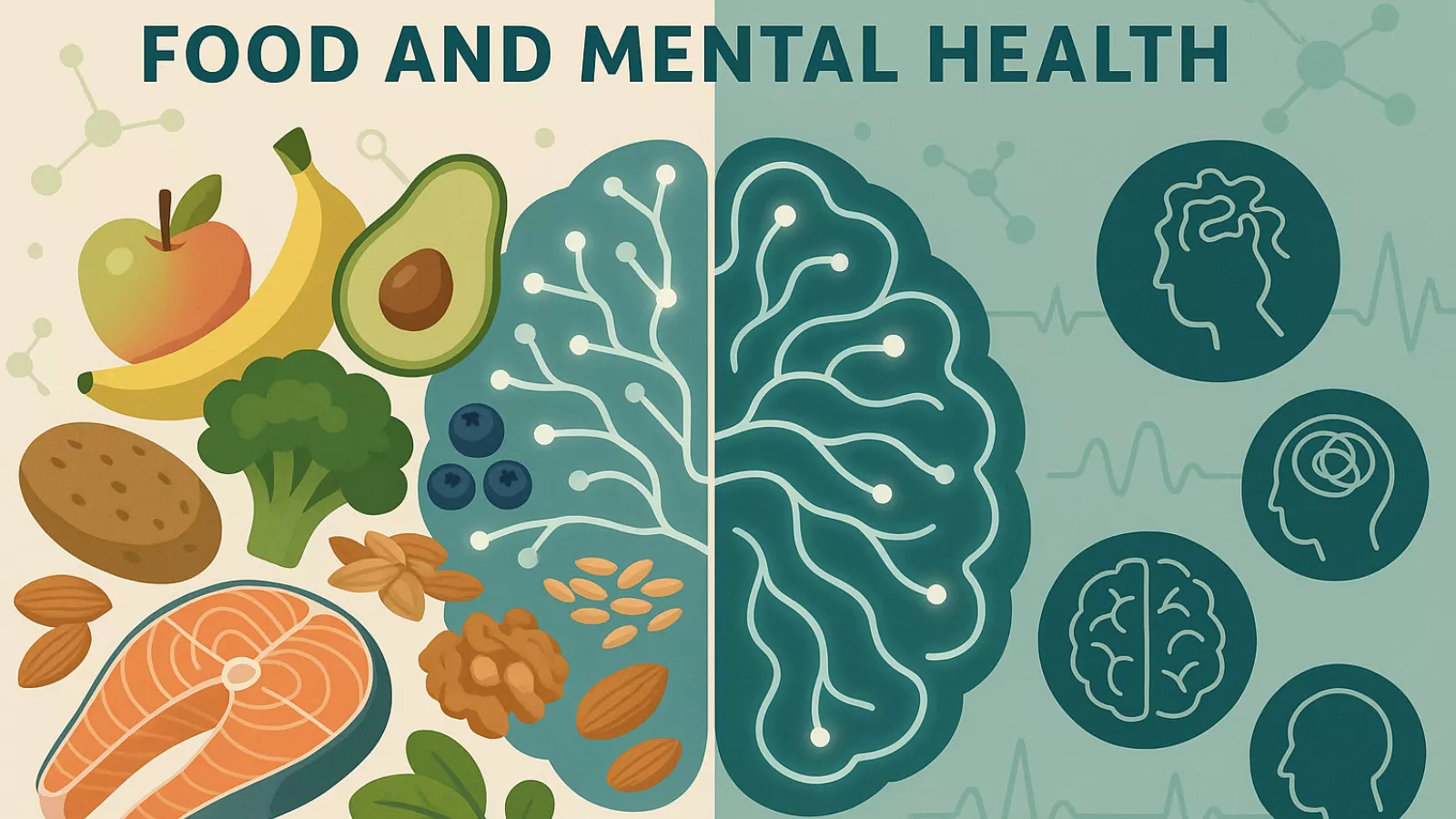 Nutritional psychiatry is a growing field that explores how food and mental health are connected. Not in a vague “pizza makes me happy” way—actual science-backed, measurable impact.
Researchers have been studying major psychiatric conditions like:
- Schizophrenia
- Psychosis
- Dementia
- Depression
- Anxiety
And they found something surprising:
Your brain is not running the show alone. Your gut is basically the co-director.
Foods you eat can influence:
- Mood
- Focus
- Memory
- Emotional Stability
- Stress Levels
- Cognitive Decline
Yep. Your dinner can literally slide into your brain’s DMs and change things. That brings us to the biggest character in this story.
The Gut–Brain Connection: Where All the Drama Happens
You know the phrase “trust your gut”? Turns out, your gut has more neurons than a cat’s brain. It talks to your mind 24/7 through something called the microbiota–gut–brain axis (MGBA).
Think of your gut biome as your internal WIFI system.
If the signal is strong → you feel good, think better, have stable moods.
If the signal is weak → glitchy moods, foggy brain, stress, irritability (and that weird sadness that hits at 11 p.m. for no reason). Studies show that people with disorders like schizophrenia and psychosis have different gut bacteria compositions than others. One study even showed elevated Lactobacillus bacteria linked to symptom severity.
Basically:
Your gut microbes are not just chilling. They’re influencing your dopamine, serotonin, cortisol, and all those chemical teammates running your mental health.
They affect:
- Inflammation
- Vagus Nerve Signals
- Neurotransmitter Production
- Stress Regulation
So yes, the gut biome is the real influencer. No ring light required.
Nutrient Deficiencies: The Plot Twist No One Talks About
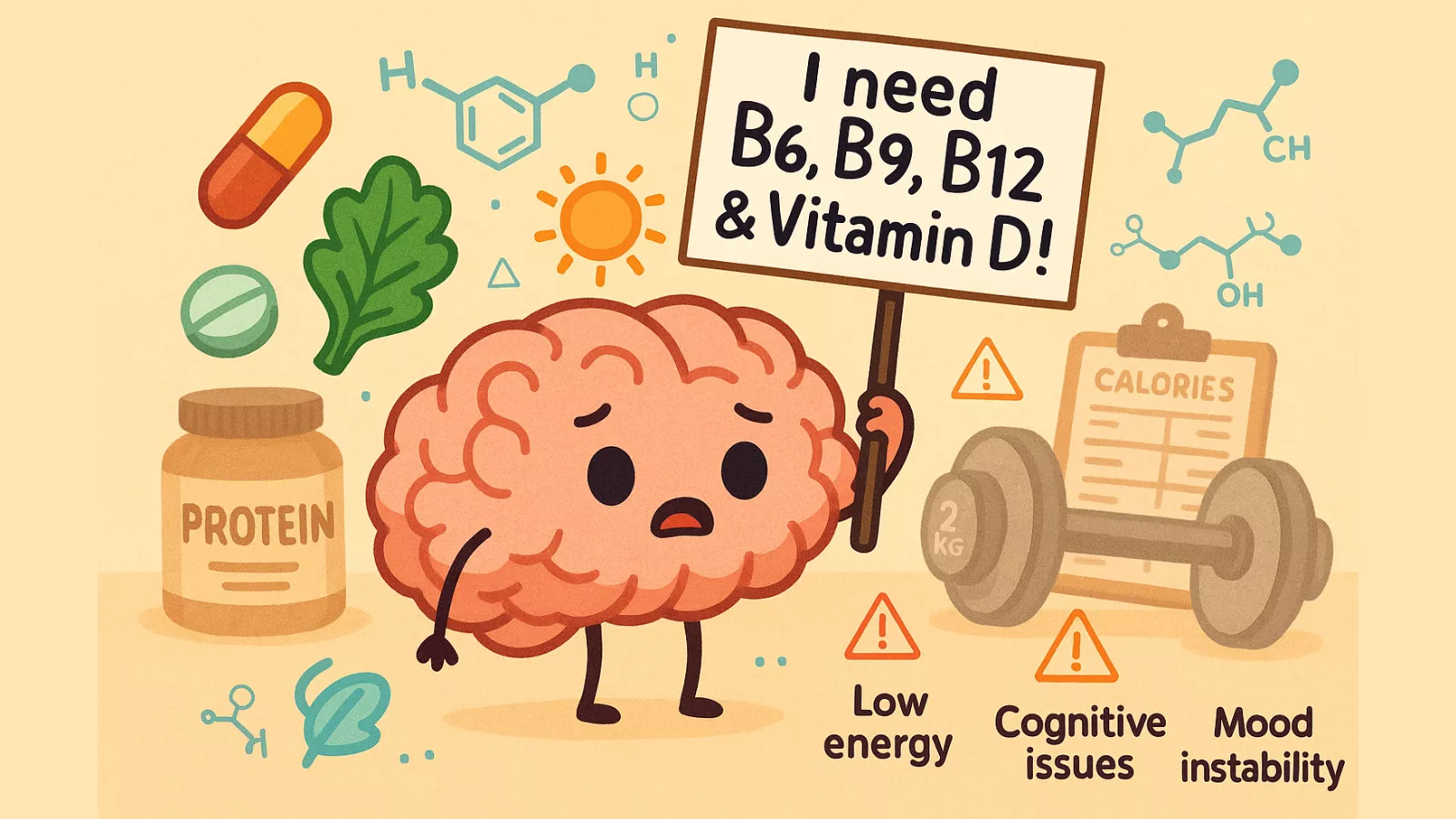
While everyone is out here obsessing over macros, calories, and protein powder flavors, your brain is like: “Can someone PLEASE get me vitamins B6, B9, B12, and vitamin D?” These nutrients play a massive role in brain development, cognitive performance, and mood balance.
Low B vitamins =
- low energy
- cognitive issues
- mood instability
- mental health risks
Research shows people with schizophrenia often have lower B6 and folate levels. Vitamin D deficiency is also linked with dementia and Alzheimer’s.
You know vitamin D—the one we all say we’ll get from the sun but we’re indoors scrolling 98% of the time?
Yep, that one. Low vitamin D → poor neurotransmitter release (especially dopamine). This is how nutrition affects mental health at a biochemical level. Not just “eat healthy, feel healthy”—more like “feed your brain, protect your brain.”
Food And Mood: The Relationship Status Is Complicated
Let’s talk practical. How does food affect your brain? Here’s the short version:
- Processed foods → inflammation → mood swings
- Sugar crashes → irritability + anxiety
- Healthy fats → better brain function
- Fiber → happy gut → stable mood
- Fermented foods → stronger gut biome → clearer mind
Your food choices influence neurotransmitters like:
- Serotonin (your “feel-good” hormone)
- Dopamine (reward + motivation)
- GABA (calmness)
Your gut is responsible for making the majority of your serotonin, nearly ninety-five percent of it. Not the brain. Wild, right? So yes—what you eat can absolutely make or break your mental state.
Traditional Diets Actually Got It Right
Mediterranean, Scandinavian, and Japanese diets are research favorites because they’re naturally rich in:
- fresh fruits & vegetables
- whole grains
- omega-3 rich foods
- fermented foods
- lean proteins
- minimal processed junk
Basically, the opposite of what most of us eat when life gets stressful.
And these diets have been shown to:
- reduce depression risk
- strengthen gut health
- improve cognitive function
- stabilize mood
- reduce inflammation
No fancy supplements. Just good old-school eating.
Probiotics, Fermented Foods & Your Mental Health
If your Instagram feed has recently become “fermented girl aesthetic,” there’s a reason.
Fermented foods like:
- kimchi
- sauerkraut
- yogurt
- kefir
- kombucha
Probiotic foods are basically the Avengers of your gut biome. They introduce healthy bacteria, helping stabilize the MGBA and improving mood and cognitive performance. It’s like giving your gut a VIP guest list—only the helpful microbes get invited.
Supplements That Actually Make a Difference (According to Research)
Science suggests the following may support mental health:
- Vitamin B6
- Vitamin B9 (folate)
- Vitamin B12
- Vitamin D
- Omega-3s
- Probiotics
But always—ALWAYS—talk to a doctor before starting anything. This blog is your friend, not your prescription pad.
Also Read
10 Types Of Prebiotic Foods And Why They’re Important
So… Does Nutritional Psychiatry Replace Traditional Treatment?
No. But it works beautifully with it. Think of traditional psychiatry as the main hero. Nutritional psychiatry is the sidekick that boosts power levels.
Traditional treatments can have heavy side effects. Nutritional changes rarely do. And the best part? They support physical health too.
Many people with mental health conditions struggle with:
- obesity
- diabetes
- hypertension
- low energy
- poor diet
- cardiovascular issues
Nutritional psychiatry improves both mental and physical quality of life. Double win. Knowing what to eat is one thing. Knowing how food actually makes you feel? That’s the real upgrade. And yes… there’s a simple way to track that.
Where Calorie Tracker Buddy Comes In
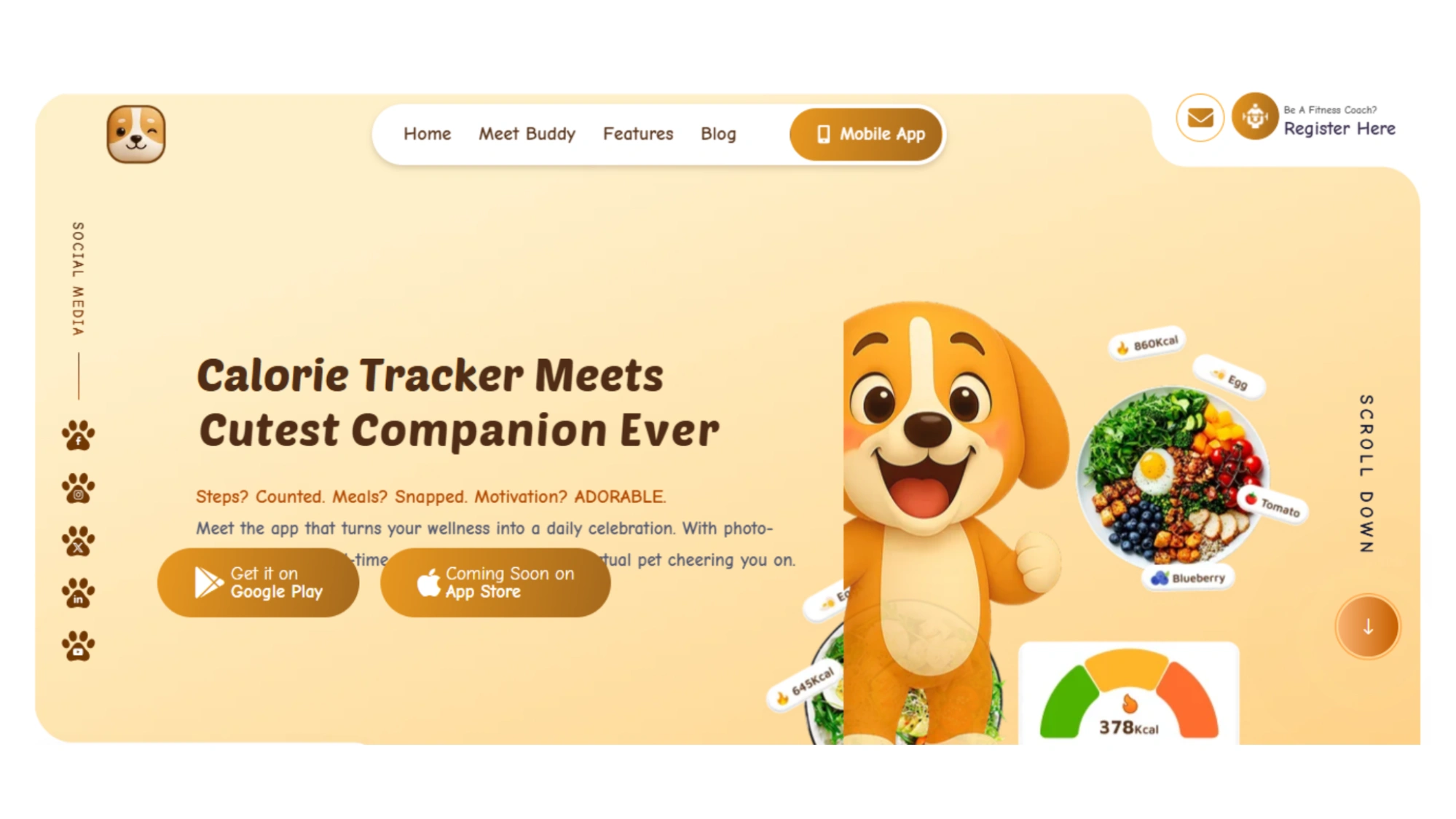 Tracking food shouldn’t feel like homework, and Calorie Tracker Buddy makes sure it never does.
Every feature is built to feel simple, a little fun, and surprisingly helpful—like that one friend who always knows what you should eat but says it nicely.
🍽️ Snap the Meal
Point your camera. Tap once. Yes, it’s that easy.
CTB scans your plate in seconds—calories, nutrients, balance… everything decoded instantly so you don’t have to overthink your meal.
🔥 Calorie Burn Tracker
Your day counts more than you think. Dance breaks? Counted. Cleaning your room like a maniac? Counted.
CTB tracks every move so you see real progress—even when you’re not “working out.”
🍕 Calorie Intake Tracker
You eat, CTB does the math.
No more food label detective work—just snap or log your meal and get instant feedback on how it fits your goals.
🎯 Goal Predictions
Ever wondered, “Am I on track or totally off today?”
CTB shows exactly how every meal, sip, snack, and bite nudges you closer to your daily goal—so you always know where you stand.
🧸 Buddy Motivation
Meet your virtual buddy who literally grows with your healthy routine.
Each good choice levels up your pet—making progress feel less like pressure and more like a game you want to win.
📸 Social Sharing
Feeling proud of your plate or noticing the glow-up?
Share your meals, streaks, and wins with your circle. CTB makes it easy to get that little dose of hype we all secretly love.
How to Start Using Nutritional Psychiatry in Real Life
Here’s the simple version:
1. Feed your gut
Add more prebiotics & fermented foods.
2. Prioritize whole foods
Your gut loves real food, not factory-made confusion.
3. Get your vitamins checked
Especially B complex and vitamin D.
4. Track how food affects your mood
This is where CTB becomes your daily partner.
5. Choose patterns, not perfection
You don’t need a perfect diet.
Just consistent, brain-friendly meals.
Your Brain Deserves Good Food — And You Deserve Good Days
Nutritional psychiatry is not a trend. It’s a movement towards understanding how deeply food and mood are connected.
You’re not “emotional.” Your brain is reacting to biology. And you have way more control over it than you think. Your meals, your microbes, your nutrients—they’re all part of your mental health toolkit. And now, with tools like Calorie Tracker Buddy, tracking isn’t just about weight.
It’s about well-being, clarity, and building a life where you feel good mentally and physically.
Your brain and your body are teammates. Feed them as they matter.