


Motivation vs discipline is a debate almost everyone faces at some point. You wake up inspired on Monday. You plan your goals. You feel ready to change your habits. Maybe you declare this your “winter arc,” the season where you disappear, rebuild, and come back stronger. And then Wednesday arrives. Energy drops. Distractions creep in. Suddenly the excitement fades.
This is where the real question begins.
Is motivation vs self discipline even a fair comparison? Or are we misunderstanding how these two forces actually work?
From personal experience and years of observing how habits succeed or collapse, I have learned something simple. Motivation makes you start. Discipline makes you finish. And if you want lasting results, especially in health and fitness, you need both working together and stay consistent.
Let’s break this down in a practical, real world way.
Listen To The Podcast!
What Is Motivation Really?

Motivation is emotional energy. It is the internal spark that pushes you to take action. It is the reason you sign up for a gym membership, download a calorie tracking app, set a bold New Year’s resolution, or promise yourself this time will be different.
It usually comes from two places:
Intrinsic motivation
This comes from within. You want to feel healthier. You want confidence. You want growth.
Extrinsic motivation
This comes from outside. Compliments, numbers on the scale, social validation, rewards.
Motivation feels powerful in the beginning because it is exciting. It gives clarity and urgency. But motivation is unstable. It depends on mood, sleep, stress, and environment. That is why relying on it alone rarely creates long term success.
This is where discipline enters the picture.
What Is Discipline?
Discipline is structure. It is the ability to act regardless of how you feel.
Discipline does not wait for inspiration. It follows a plan. It honors commitments. It shows up on tired days. It chooses long term reward over short term comfort.
Many people ask, what is more important discipline vs motivation?
The honest answer is discipline.
Motivation gets you to start tracking calories. Discipline makes you log meals even when you feel lazy. Motivation makes you decide to exercise. Discipline makes you move even when the couch looks comfortable.
If you want consistency, discipline carries more weight.
But here is the twist. Discipline without motivation becomes rigid and exhausting. And motivation without discipline fades quickly. So instead of choosing sides in the motivation vs discipline debate, the smarter approach is learning how to integrate both.
Motivation vs Discipline in Real Life
Think about health goals.
Day one feels exciting. You cook clean meals. You plan workouts. You visualize results.
Then real life happens. Work deadlines. Social events. Low energy days.
If you rely only on motivation, progress becomes inconsistent. But if you build systems that reduce decision making, discipline takes over.
That is why tools matter. The right tools reduce friction and support both motivation and discipline at the same time.
And this is where Calorie Tracker Buddy comes into the game, let us explore how Calorie Tracker Buddy helps to stay consistent and motivated.
Motivation vs Discipline: How Calorie Tracker Buddy Bridges Motivation and Discipline
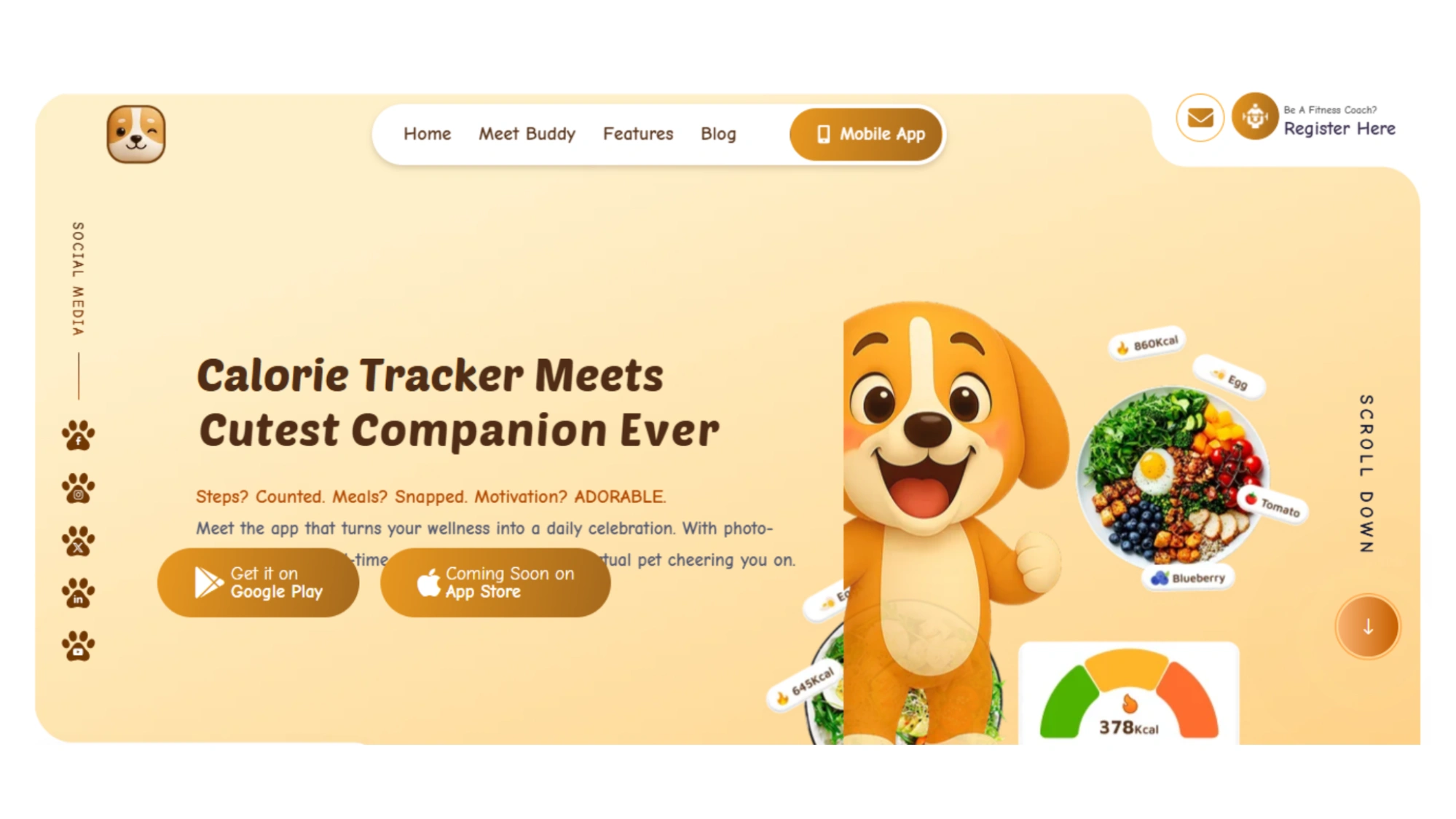 Health goals are the perfect example of motivation vs. discipline in action. Tracking calories, burning energy, and staying consistent require structure. But staying excited about the journey requires emotional engagement.
Calorie Tracker Buddy is designed to support both sides of the equation.
Snap the Meal
One of the biggest excuses people use is that tracking takes too much effort. Discipline struggles when friction is high.
With Snap the Meal, you simply point your camera and tap once. Your food is scanned for calories, nutrients, and balance instantly.
This removes mental resistance. It makes discipline easier because the action takes seconds. And when something feels simple, consistency improves.
Calorie Intake Tracker
You eat, it calculates.
Instead of guessing portions or manually entering long food lists, the calorie intake tracker gives instant feedback on how your meal fits your goals. That immediate feedback fuels motivation. You see alignment in real time.
When you know where you stand, you make better choices. That clarity strengthens discipline because decisions become data driven instead of emotional.
Calorie Burn Tracker
Movement is often underestimated. From workouts to small daily tasks, the calorie burn tracker counts it all.
When you see your effort reflected in numbers, motivation increases. You realize small actions matter. At the same time, discipline benefits because you start paying attention to daily activity rather than relying only on intense workout sessions.
Progress becomes visible. And visible progress fuels consistency.
Goal Predictions
One of the hardest parts of health journeys is uncertainty. People ask themselves, am I even close?
Goal predictions show how each meal, snack, and sip impacts your journey. That predictive insight reduces anxiety. It strengthens motivation because you can see your path forward clearly.
And when you see how today’s actions shape tomorrow’s results, discipline feels purposeful instead of restrictive.
Buddy Motivation
This feature adds emotional engagement in a subtle but powerful way.
Your virtual pet grows with every healthy choice you make. That small daily interaction keeps motivation alive. It creates a sense of companionship and reward without pressure.
When habits feel supported rather than forced, discipline becomes lighter.
Social Sharing
Progress feels better when shared.
Posting meals, streaks, and milestones creates accountability. Social sharing reinforces consistency because people tend to stick to commitments when others are watching.
At the same time, encouragement from your circle strengthens motivation. You feel seen. You feel supported.
This balance is what makes sustainable progress possible.
Also Read
Is Motivation vs Self Discipline the Wrong Question?
When people ask is motivation vs self discipline the right battle to focus on, they are usually looking for a shortcut. They want to know which one they should prioritize.
The truth is simpler.
Motivation is emotional ignition.
Self discipline is behavioral stability.
Motivation changes daily. Self discipline is built daily.
You cannot depend on feelings. But you can depend on systems.
The key is designing your environment so discipline requires less effort. When tracking food is quick, when burn counts are automatic, when goals are visible, consistency becomes natural.
That is the hidden advantage of using structured tools.

Motivation vs Discipline: Why Discipline Wins Long Term
 Let’s answer the big question clearly.
What is more important discipline vs motivation?
Discipline wins for long term outcomes.
Motivation may help you start a diet. Discipline helps you sustain healthy eating through stressful weeks. Motivation may get you excited about transformation. Discipline ensures you show up for small habits every single day.
However, discipline grows stronger when motivation is nurtured.
Celebrate progress. Use visual feedback. Track streaks. Make growth visible. These emotional reinforcements protect discipline from burnout.
That is why combining behavioral structure with emotional encouragement works best.
Motivation vs Discipline: How to Stay Consistent
Staying consistent is where most goals either succeed or collapse. The debate around motivation vs discipline often becomes practical at this stage. Starting is exciting. Continuing is repetitive. That repetition is where growth happens.
Consistency is not about intense effort every day. It is about sustainable effort every day.
Here is how you make that happen.
1. Build Systems, Not Moods
If your actions depend on how you feel, progress will always fluctuate. Create routines that remove daily decision making. Schedule workouts. Track meals immediately after eating. Prepare your environment in advance.
When systems are in place, discipline operates automatically.
2. Reduce Friction
The easier a habit feels, the more likely you are to repeat it. Use tools that simplify tracking. Automate where possible. Keep healthy food visible and distractions limited.
Consistency improves when the path forward is clear and simple.
3. Track What Matters
Visibility fuels both structure and emotional reinforcement. When you track calorie intake, monitor burns, and review progress predictions, you reduce uncertainty. You know where you stand.
That clarity keeps motivation alive while discipline handles the repetition.
4. Accept Fluctuations
There will be low energy days. That does not mean you failed. It means you are human. On those days, lower the intensity but keep the commitment. A short walk is better than none. Logging one meal is better than skipping tracking entirely.
Small consistency beats occasional perfection.
5. Reconnect With Your Why
Discipline keeps you moving, but meaning keeps you aligned. Regularly reflect on why your goal matters. Health. Confidence. Energy. Longevity. When purpose stays clear, repetition feels worthwhile.
6. Celebrate Evidence of Progress
Even small improvements deserve acknowledgment. When you see streaks building, calorie balance improving, or habits stabilizing, take a moment to recognize it.
Progress reinforces belief. Belief strengthens action.
Motivation vs Discipline: Final Thoughts
The debate around motivation vs discipline often sounds dramatic. But in everyday life, it is not dramatic. It is practical.
You do not need to feel inspired every morning. You need systems that support action even when you do not feel like it.
Motivation may get you started. Discipline keeps the promise.
When you combine emotional engagement with structured tracking, when you reduce friction and increase clarity, success becomes predictable instead of accidental.
If your goal is better health, sustainable fat loss, or improved energy, stop asking whether you feel motivated.
Instead, ask whether your system supports discipline.
And when your tools make discipline easier and motivation stronger, progress stops feeling forced.
It starts feeling natural.
Frequently Asked Questions
Can you build discipline even if you are not naturally disciplined?
Yes. Discipline is not a personality trait you are born with. It is a skill developed through repetition and structured habits. Start with small commitments you can realistically maintain. Over time, consistent action strengthens your ability to follow through, even when motivation is low. The key is reducing friction and making habits easy to repeat daily.
Why does motivation disappear so quickly?
Motivation is tied to emotion, and emotions fluctuate based on sleep, stress, environment, and life circumstances. When novelty fades or obstacles appear, motivation drops. That is why understanding Motivation vs Discipline is important. If you depend only on feelings, consistency becomes unpredictable. Discipline stabilizes your progress when emotional energy shifts.
How do I stay consistent when both motivation and discipline feel low?
Lower the standard, not the commitment. Instead of skipping a habit completely, scale it down. Log one meal. Take a short walk. Track one activity. Small actions maintain momentum. Consistency matters more than intensity. Once momentum returns, both motivation and discipline strengthen naturally.
Is tracking calories a form of discipline or motivation?
It is both. Tracking provides structure, which supports discipline. At the same time, seeing visible progress boosts motivation. When tools make tracking simple and quick, they remove resistance and help you stay aligned with your goals without feeling overwhelmed.