


Menopause is a natural phase in every woman’s life, marking the end of her menstrual cycles and reproductive years. But while it’s a biological milestone, the transition can bring along a rollercoaster of changes—hot flashes, mood swings, sleep disturbances, and those stubborn extra pounds that seem to appear out of nowhere.
The good news? What you eat can make a world of difference. A thoughtfully planned menopause diet can help ease symptoms, maintain energy, and even reduce long-term health risks. This guide brings together expert insights and practical tips to help you navigate menopause with confidence—through the power of nutrition.
Listen To The Podcast Now!
Understanding Menopause and Its Impact
Menopause typically occurs around the age of 50, confirmed after 12 consecutive months without a menstrual period. However, the transition—known as perimenopause—can start years earlier. During this time, the ovaries gradually produce less estrogen and progesterone, two hormones that regulate reproductive function.
This hormonal shift affects much more than your cycle. You may notice changes in metabolism, bone density, mood, and body composition. Lower estrogen levels can slow down calorie burning, making menopause and weight loss a frustrating challenge. It can also influence cholesterol levels, leading to higher risks of heart disease and diabetes.
Understanding these changes is the first step. Once you do, you can adapt your lifestyle and eating habits to help your body stay balanced and strong through this transition.
How Diet Affects Menopause Symptoms?
Your diet plan plays a key role in how your body copes with menopause. Certain foods can help stabilize hormones, reduce inflammation, and maintain a healthy weight, while others can worsen symptoms like hot flashes, bloating, and fatigue.
A menopause diet isn’t about restriction—it’s about nourishment. Focusing on nutrient-dense foods can support your body’s shifting needs. From calcium to phytoestrogens, every bite can help your system rebalance itself naturally.
Studies show that a well-rounded diet during menopause can ease symptoms and protect long-term health by supporting bone strength, heart function, and emotional well-being. Think of your plate as your daily self-care routine—it can make all the difference.
Best Foods To Include In Your Menopause Diet
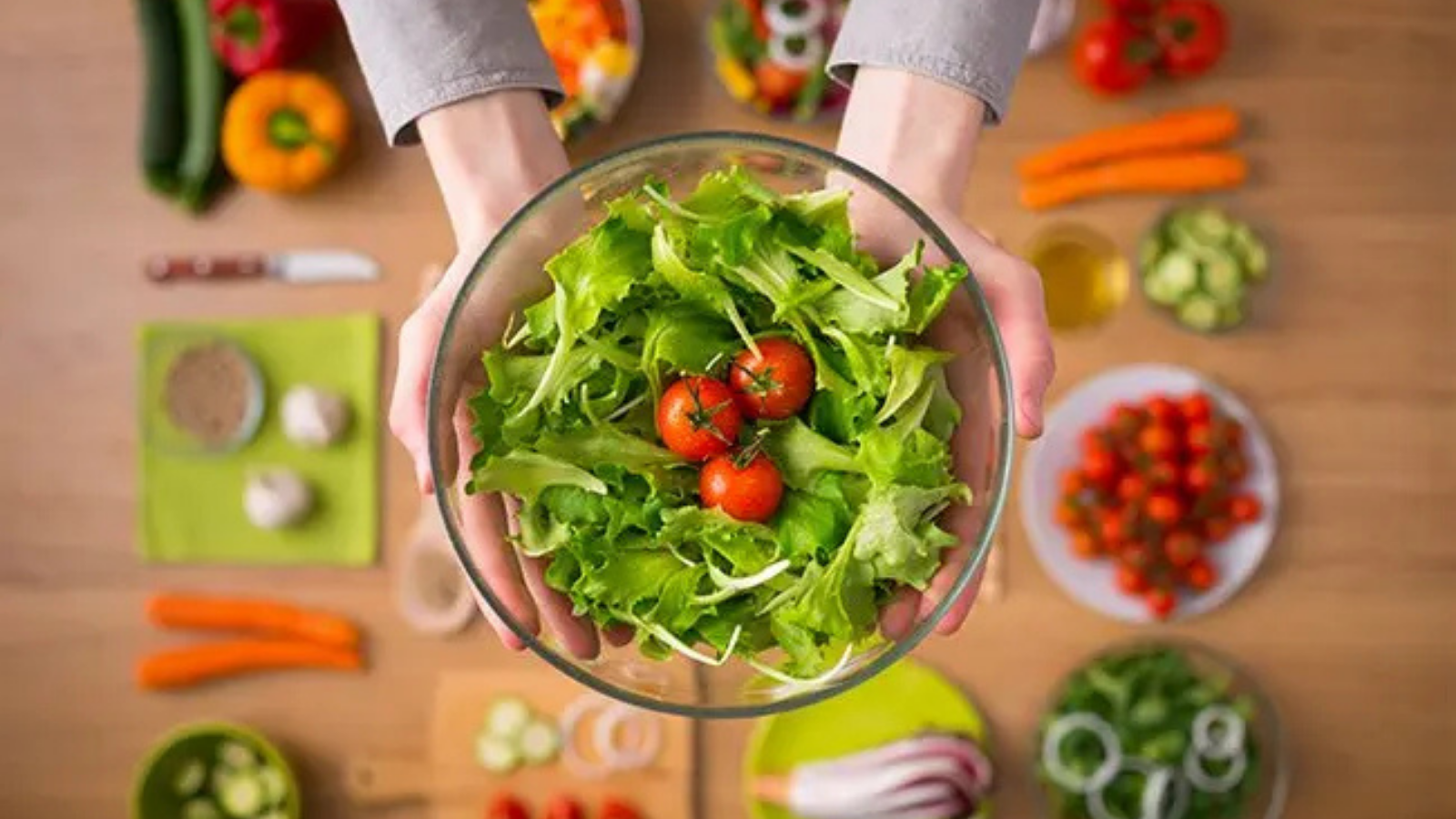
The key to an effective menopause diet lies in variety. Here are the top food groups that help manage symptoms naturally and keep you feeling your best.
1. Dairy Products
As estrogen levels drop, bone density can decline, increasing your risk of osteoporosis. Dairy foods such as milk, yogurt, and cheese are packed with calcium, vitamin D, and protein—nutrients that keep your bones and muscles strong.
If you’re not a fan of dairy, consider fortified plant-based options like almond or soy milk, which offer similar nutrients without the lactose.
2. Healthy Fats
Omega-3 fatty acids, found in fish like salmon, mackerel, and sardines, can help reduce inflammation and support heart health. They may also help with mood regulation and reduce the severity of hot flashes.
Plant-based options such as chia seeds, flaxseeds, walnuts, and hemp seeds are excellent sources of healthy fats for those following a vegetarian or vegan menopause diet.
3. Whole Grains
Whole grains are rich in fiber and B vitamins, which can help with energy, digestion, and hormone balance. Studies link diets high in whole grains to fewer menopausal symptoms and lower risks of heart disease.
Try adding oats, quinoa, brown rice, and whole wheat bread to your meals to keep your energy levels steady throughout the day.

4. Fruits and Vegetables
Fruits and vegetables are packed with antioxidants, vitamins, and fiber. They help combat oxidative stress and can improve skin, mood, and digestion.
Dark berries, leafy greens, and cruciferous vegetables like broccoli and kale are especially beneficial. Research even suggests that women who eat more fruits and vegetables experience fewer hot flashes and mood swings.
5. Phytoestrogen-Rich Foods
Phytoestrogens are plant-based compounds that mimic estrogen in the body, helping to balance hormones naturally. Foods like soybeans, tofu, chickpeas, and flaxseeds can be valuable additions to your menopause diet.
These foods may improve bone health and reduce cardiovascular risks. However, results vary—so listen to your body and consult your healthcare provider if you’re considering supplements.
6. Quality Protein
Estrogen decline can lead to muscle loss. Including protein in every meal helps preserve lean muscle mass and boosts metabolism, which is essential for weight loss for menopause.
Go for lean proteins like chicken, fish, eggs, legumes, and low-fat dairy. Plant-based proteins such as lentils, beans, and tofu are equally effective and heart-friendly.
Foods To Limit Or Avoid
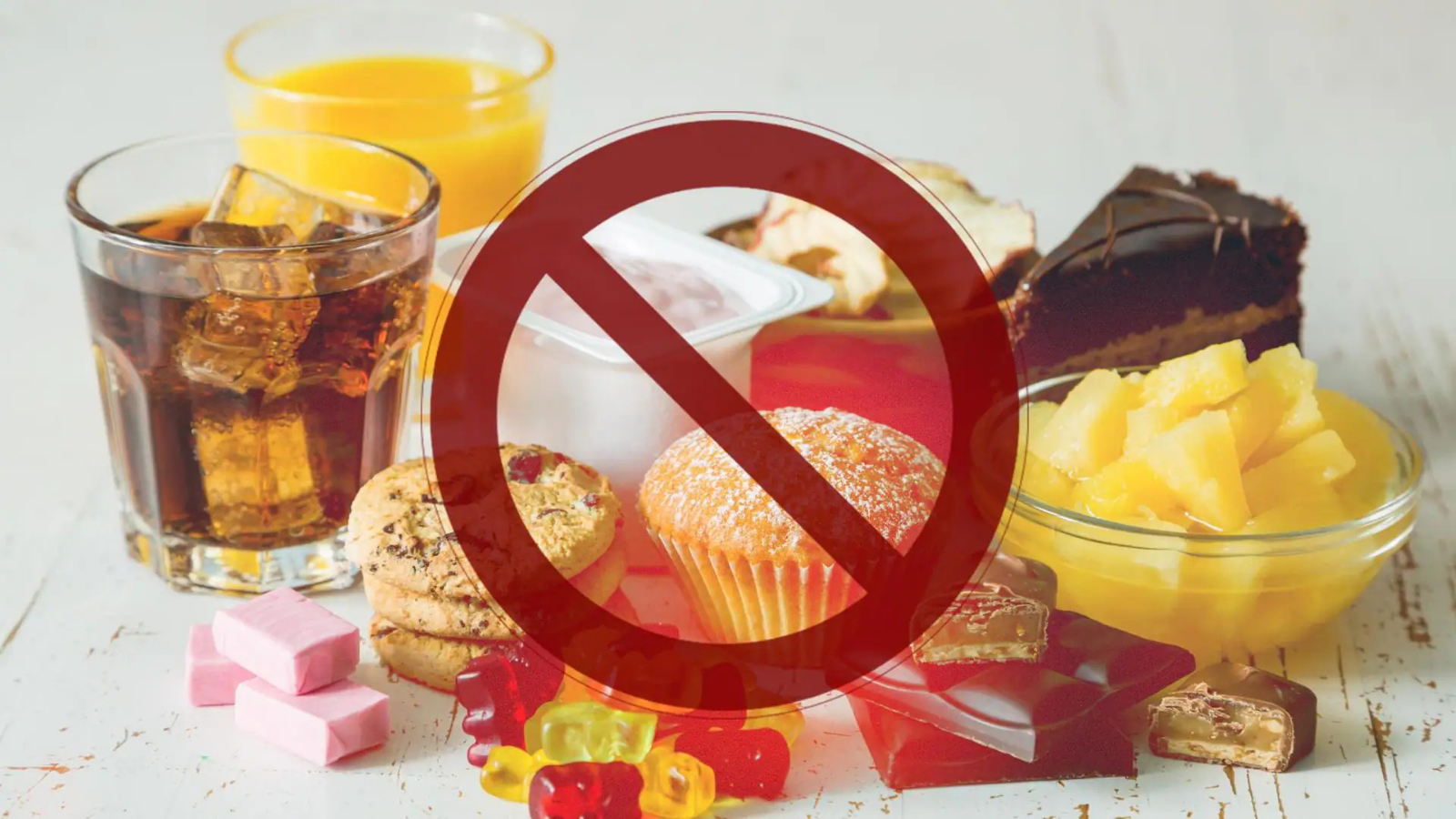
While certain foods can ease your transition, others may make symptoms worse. Understanding what to limit can be just as important as knowing what to include.
1. Highly Processed Foods
Processed snacks, fried foods, and refined carbs spike blood sugar and contribute to inflammation, making you feel sluggish and bloated. These foods can also promote weight gain—something many women notice during menopause.
2. Added Sugars
Sodas, desserts, and sweetened beverages can trigger energy crashes and mood swings. Cutting down on sugar can help you manage both your energy and your waistline during menopause.
3. Alcohol
A glass of wine may sound relaxing, but alcohol can intensify hot flashes, disrupt sleep, and slow down metabolism. Reducing alcohol intake can significantly improve overall comfort during menopause.
4. Caffeine
If you’re experiencing frequent hot flashes or sleep issues, it might be time to reassess your coffee habit. Too much caffeine can heighten these symptoms and cause anxiety or restlessness.
5. Salty and Spicy Foods
Excess sodium can lead to water retention and raise blood pressure. Similarly, spicy foods can increase body temperature and worsen hot flashes. Keeping meals mild and balanced helps your body stay cool and calm.
Supplements That May Help
Even with a balanced menopause diet, certain nutrients may need an extra boost—especially if you have dietary restrictions.
- Calcium & Vitamin D: These two nutrients work hand-in-hand to maintain strong bones. If you don’t get enough from food or sunlight, supplements can help.
- Black Cohosh: Some studies suggest this herbal supplement may ease hot flashes and mood swings, though it’s best to consult your doctor before use.
- Vitamin B Complex: B vitamins support energy production and can help reduce fatigue and mood changes.
- Omega-3 Supplements: A good option if you don’t consume fish regularly. They support brain and heart health.
Remember, supplements should complement your diet—not replace it. Always check with your healthcare provider before adding new supplements to your routine.
Also Read: –
Weight Management Tips During Menopause

Struggling with menopause and weight loss is one of the most common challenges during this stage. The hormonal shift slows metabolism and changes how your body stores fat, especially around the abdomen.
Here’s how to support meno weight loss naturally:
- Eat protein-rich meals: Keeps you full longer and helps preserve muscle.
- Stay hydrated: Water helps control appetite and boosts metabolism.
- Prioritize sleep: Poor sleep can increase cravings and stress hormones.
- Avoid crash diets: They can slow metabolism further and lead to nutrient deficiencies.
- Move regularly: Combine cardio (like walking or cycling) with strength training to maintain lean muscle and improve bone density.
For many women navigating menopause and looking to support their menopause diet and meno weight loss goals, apps like Calorie Tracker Buddy offer a fun, user-friendly way to track meals, monitor calories and support healthy habits.
Meet Calorie Tracker Buddy: Your Wellness Partner in Menopause
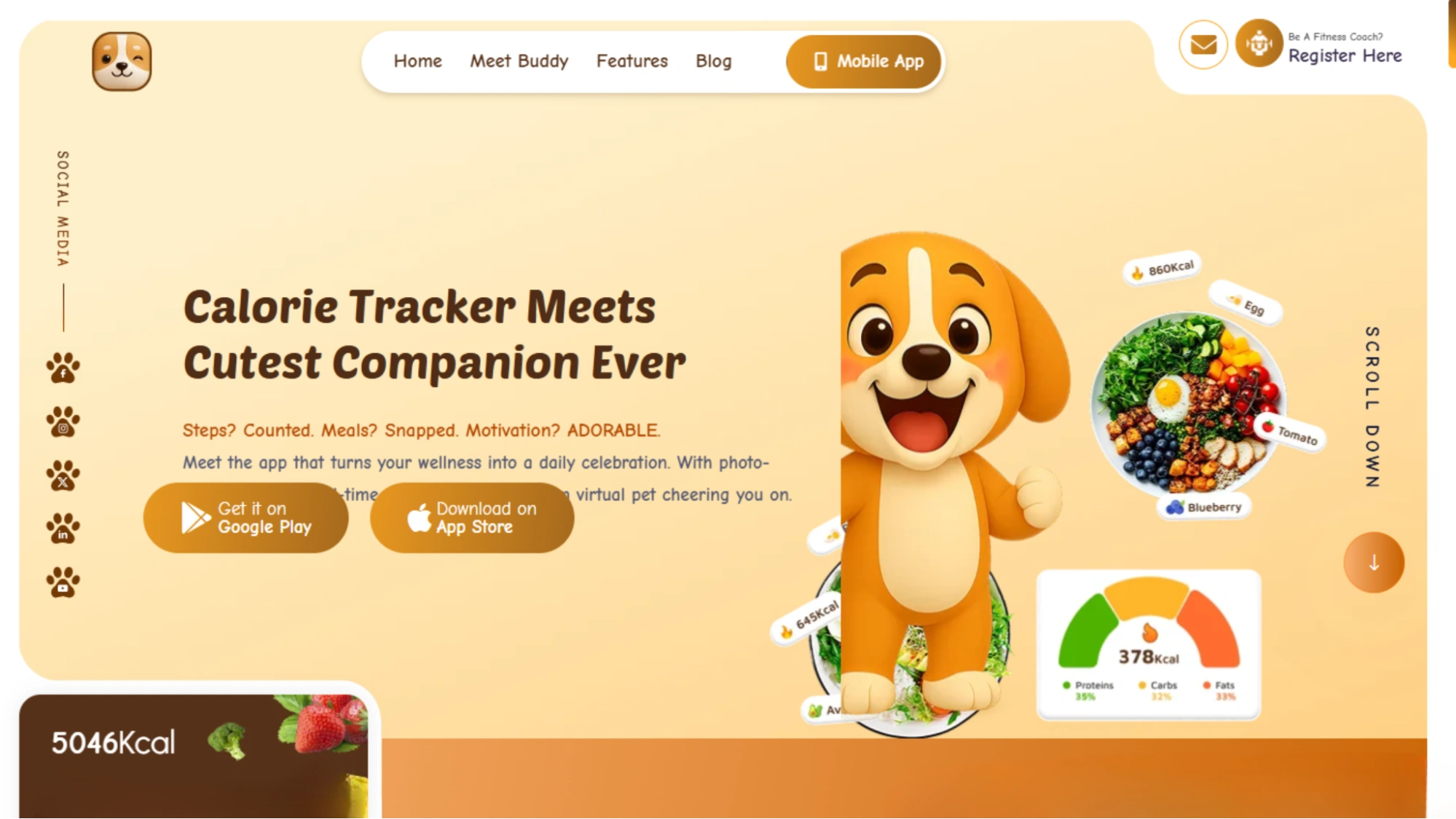
Managing your menopause diet doesn’t have to feel like a chore. With Calorie Tracker Buddy, every healthy step becomes a celebration! 🌸
This adorable yet powerful app combines calorie tracking, step counting, and hydration reminders — all while your cute virtual pet cheers you on.
- Snap your meals: Capture photos of your food, and the app automatically scans calories and nutrients.
- Track your movement: From morning walks to daily chores, every step counts.
- Stay hydrated: Set your water intake goal and get gentle reminders to stay on track.
- Get real-time motivation: Your virtual buddy grows stronger and happier as you make better food choices.
Whether you’re working on weight loss for menopause or simply maintaining balance, this app keeps you engaged, supported, and smiling through the process.
Lets do this, buddy’s waiting….
Download Now!
Lifestyle Tips To Support Your Menopause Journey
Food is just one part of the equation. Managing menopause also means nurturing your emotional and physical well-being.
- Practice mindfulness: Stress can worsen hot flashes and emotional swings. Meditation, yoga, or journaling can help.
- Stay active: Regular exercise supports heart health, mood, and sleep.
- Get enough rest: Aim for 7–8 hours of quality sleep each night.
- Stay social: Connecting with friends or joining support groups can ease emotional transitions.
- Be kind to yourself: Menopause is a major life shift—listen to your body and give it the care it deserves.
Combining a balanced diet with mindful habits will help you feel grounded and in control, even when your body feels unpredictable.
The Bottom Line
Menopause isn’t the end of your vitality—it’s the start of a new chapter in your health journey. With the right menopause diet, you can ease symptoms, maintain your energy, and support your long-term well-being.
By prioritizing whole foods, healthy fats, calcium, and plant-based proteins while limiting processed items, caffeine, and alcohol, you’ll give your body exactly what it needs to thrive.
Everyone’s menopause experience is unique, but one truth remains: your diet can empower you to take back control, feel balanced, and move through this phase with strength and grace.
Key Takeaway:
A well-balanced menopause diet rich in protein, phytoestrogens, fruits, vegetables, whole grains, and healthy fats can significantly reduce menopause symptoms and support weight management. With mindful eating and a positive outlook, you can feel your best—no matter what stage of life you’re in.
FAQs About Menopause Diet
- What is the best diet during menopause?
A balanced menopause diet includes whole grains, lean proteins, healthy fats, fruits, and vegetables. These foods help manage symptoms like hot flashes and fatigue while supporting overall health. - Can diet really help with menopause symptoms?
Yes! Eating nutrient-rich foods and staying hydrated can ease symptoms such as bloating, mood swings, and night sweats. It’s all about maintaining balance between menopause and diet for better comfort and energy. - Which foods should I avoid during menopause?
Try to limit caffeine, processed foods, alcohol, and excess sugar. These can worsen hot flashes and disrupt sleep patterns. - How can I lose weight during menopause?
Focus on portion control, protein intake, and regular exercise. Using wellness tools like Calorie Tracker Buddy can help monitor your meals and progress easily. - Are supplements necessary for a menopause diet?
Not always — but calcium, vitamin D, and omega-3s can support bone and heart health if your diet lacks these nutrients. Always check with your doctor before adding supplements.