

When it comes to healthy eating, one of the most overlooked concepts is the serving size.
Many people assume that what they see on their plate is the right amount to eat, but understanding proper serving sizes can make a huge difference in managing weight, improving nutrition, and maintaining overall health.
A serving size isn’t just a suggestion; it’s a guideline set by nutrition experts to help you balance your meals, control calorie intake, and ensure you’re getting the nutrients your body needs.
Despite its importance, confusion often arises between serving size and portion size.
That’s why it’s essential to explain the differences between serving sizes and portion sizes clearly. While a serving size is a standardized measurement, the portion you actually eat might be bigger or smaller depending on your appetite, food preferences, or even cultural habits.
By learning how to measure serving size correctly, you can make more informed choices, avoid overeating, and optimize your diet for weight management and overall wellness.
In this guide, we’ll break down everything you need to know about serving size, from definitions to practical tips, and even explore tools like Calorie Tracker Buddy that can make this process much easier.
Serving Size vs Portion Size: What’s the Difference?
Many people use the terms serving size and portion size interchangeably, but there’s a subtle yet important difference.
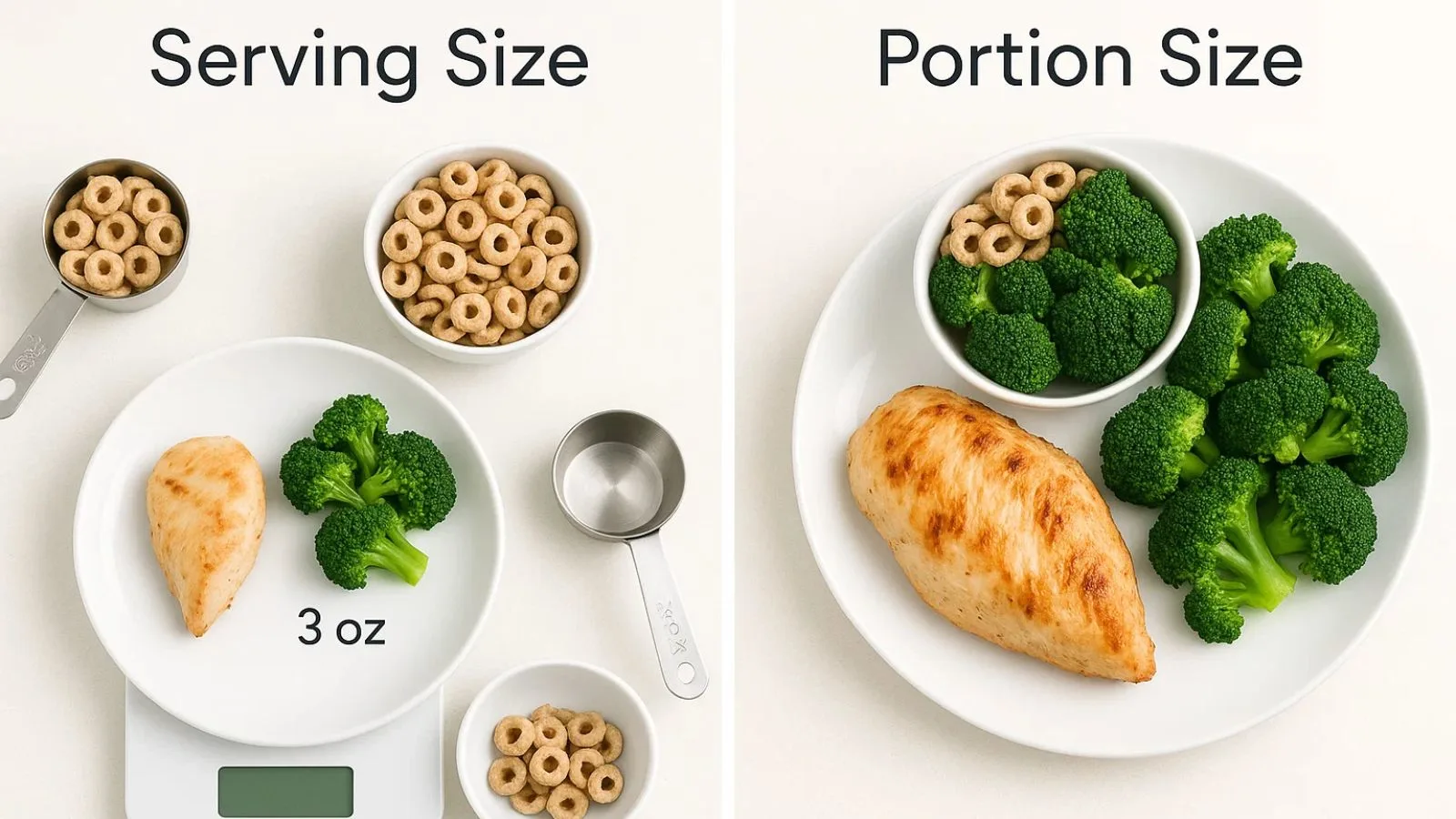
A serving size definition is a standardized amount of food recommended by nutrition experts, often found on nutrition labels. It helps guide how much of a food you should eat to maintain a balanced diet and manage calorie intake.
For example, a serving size of cereal might be ¾ cup, while a serving size of chicken could be 3 ounces.
On the other hand, what is portion size? A portion refers to the amount of food you actually place on your plate. This could be more or less than the standard serving size.
For instance, if your plate holds a cup of cereal instead of the recommended ¾ cup, your portion size exceeds the serving size. Understanding this distinction is crucial for controlling calorie intake and maintaining healthy eating habits.
When you Use A Calorie Counter To Reach Your Health Goals, it becomes much easier to track both serving and portion sizes accurately. A calorie counter can show how small differences in portion size can significantly impact your total daily intake.
By learning to recognize both serving sizes and portions of food, you can better manage your diet. While serving sizes act as a guideline, portion sizes are flexible and influenced by personal habits, restaurant servings, or cultural practices.
This knowledge is especially useful for anyone aiming to lose weight, gain muscle, or simply eat healthier — and when combined with the practice of using a calorie counter, it can make reaching your health goals much more achievable.
How to Measure Serving Sizes: Practical Tips?
Knowing your serving size is one thing, but actually measuring it can be challenging. Fortunately, there are simple methods to ensure you’re eating the right amounts.
Use Measuring Cups and Spoons:
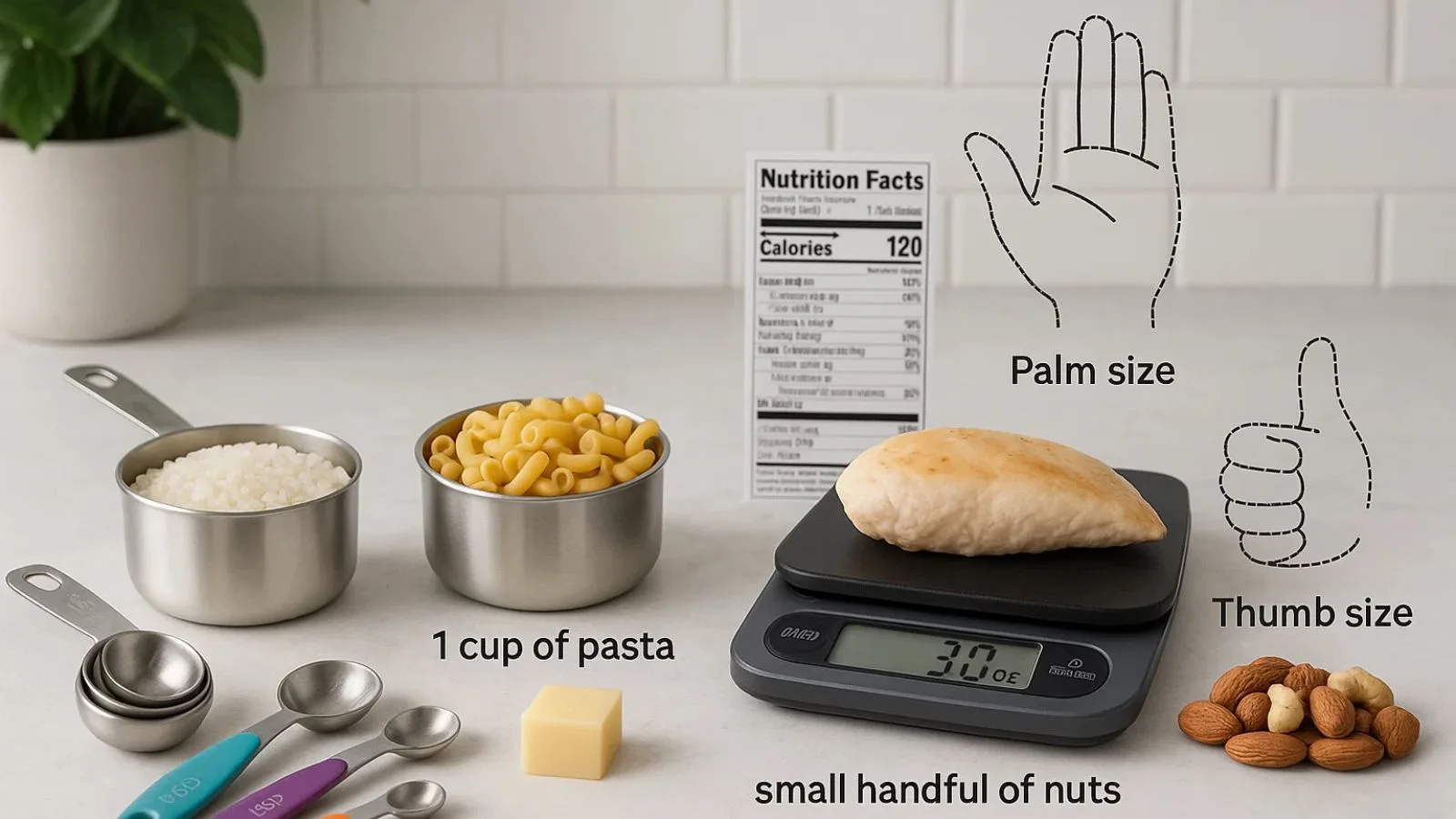
The most accurate way to measure a serving size is with kitchen tools like measuring cups and spoons.
For example, a serving size of rice is typically ½ cup cooked, while a serving of pasta is about 1 cup cooked. Using these tools helps you avoid unintentionally eating larger portions.
Weigh Your Food:
A food scale is an excellent tool for precise measurement. Many serving size recommendations are based on weight, such as 3 ounces of meat or 1 ounce of nuts.
Weighing your food ensures you stay within the intended serving size.
Visual References:
If you don’t have measuring tools handy, you can use visual cues.
For instance, a serving size of protein like chicken or fish is roughly the size of your palm, while a serving size of cheese is about the size of your thumb. These simple tricks make it easier to estimate serving sizes on the go.
Read Nutrition Labels:
Packaged foods provide a serving size on their labels. This tells you how much of that food counts as one standard serving and helps you track your intake accurately.
By consistently measuring serving sizes, you’ll better control your calorie intake, improve portion awareness, and make informed decisions about your meals.
Over time, estimating serving sizes becomes second nature, making healthy eating more manageable and stress-free.
Serving Sizes for Different Food Groups:
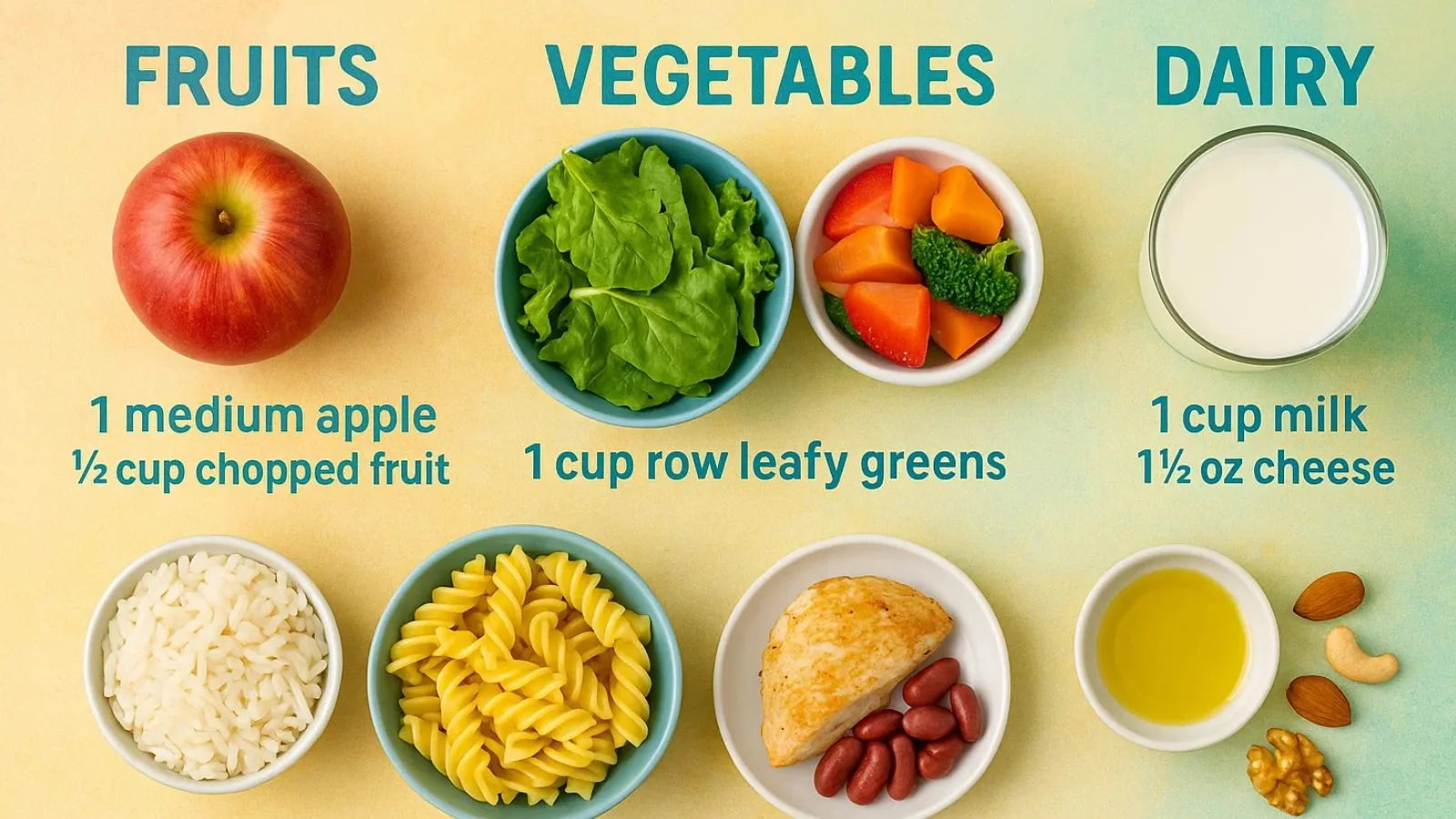
Understanding serving size isn’t just about one type of food, it applies to all food groups, helping you maintain a balanced diet. Here’s a practical breakdown:
Fruits and Vegetables: A standard serving size of fruits is typically 1 medium fruit, ½ cup of chopped fruit, or ¾ cup of fruit juice.
For vegetables, a serving size is about 1 cup of raw leafy greens or ½ cup of cooked vegetables. Keeping track of these serving sizes ensures you get enough vitamins and minerals daily.
Grains: A serving size of cooked rice, pasta, or cereal is generally ½ to 1 cup. Whole grains like oats or quinoa follow the same guidelines.
Sticking to recommended serving sizes helps manage calorie intake and supports energy levels throughout the day.
Protein Source in diet – Meat, poultry, or fish typically have a serving size of 3 ounces cooked, roughly the size of a deck of cards.
Plant-based proteins like beans or tofu usually have a serving size of ½ cup cooked. Measuring serving sizes here ensures you meet protein needs without overconsuming calories.
Dairy – For milk, yogurt, or cheese, a standard serving size is 1 cup of milk or yogurt, or 1½ ounces of cheese.
Paying attention to these serving sizes helps maintain calcium intake while avoiding excess fat or sugar.
Fats and Oils – Healthy fats like olive oil, butter, or nuts have smaller serving sizes, usually about 1 teaspoon of oil or 1 ounce of nuts. Monitoring these serving sizes is crucial since fats are calorie-dense.
By keeping serving sizes in mind for all food groups, you can create balanced meals, avoid overeating, and support weight management goals naturally.
How Calorie Tracker Buddy Helps You Manage Serving Sizes?
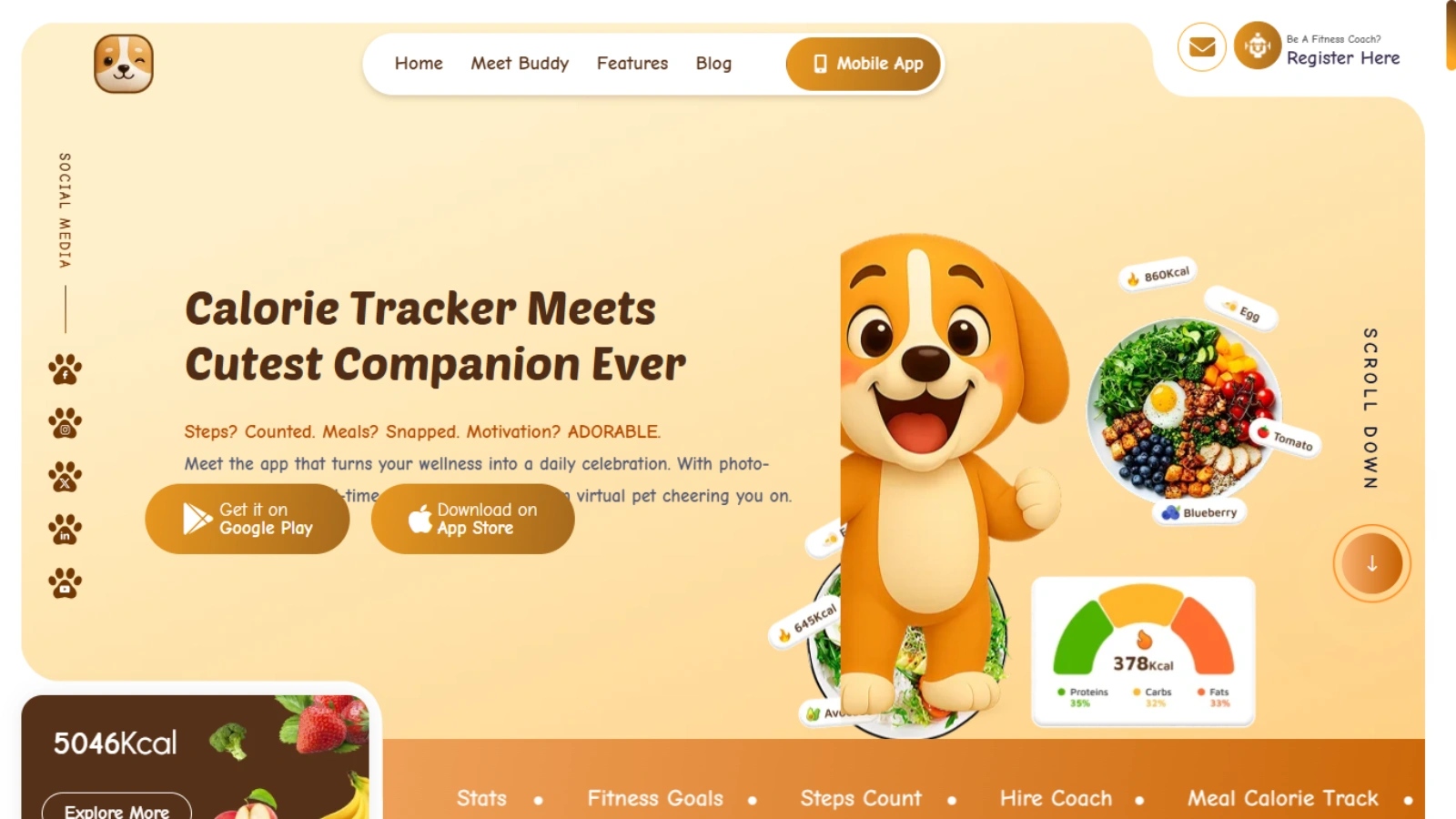
Managing serving size can be tricky, especially when eating out or preparing meals without measuring tools.
This is where Calorie Tracker Buddy becomes a game-changer. This user-friendly app helps you track your food intake, understand recommended serving sizes, and stay on top of your nutrition goals.
With Calorie Tracker Buddy, you can log the foods you eat and see the serving size for each item.
The app calculates calories, macronutrients, and portions automatically, so you know exactly how much you’re consuming.
This eliminates guesswork, making it easier to stick to your weight loss or health plan.
One of the standout features is the portion guide. By comparing your portions of food to standard serving sizes, the app helps you adjust your meals accordingly.
Whether it’s grains, proteins, fruits, or fats, Calorie Tracker Buddy provides visual and numeric feedback on whether you’re under, over, or right on target.
Additionally, the app allows you to track trends over time. By consistently logging meals and following serving size recommendations, you can identify patterns, prevent overeating, and make informed adjustments to your diet.
In short, Calorie Tracker Buddy turns the abstract concept of serving size into actionable, practical guidance that fits seamlessly into your daily life.
Tips to Stick to Proper Serving Sizes:
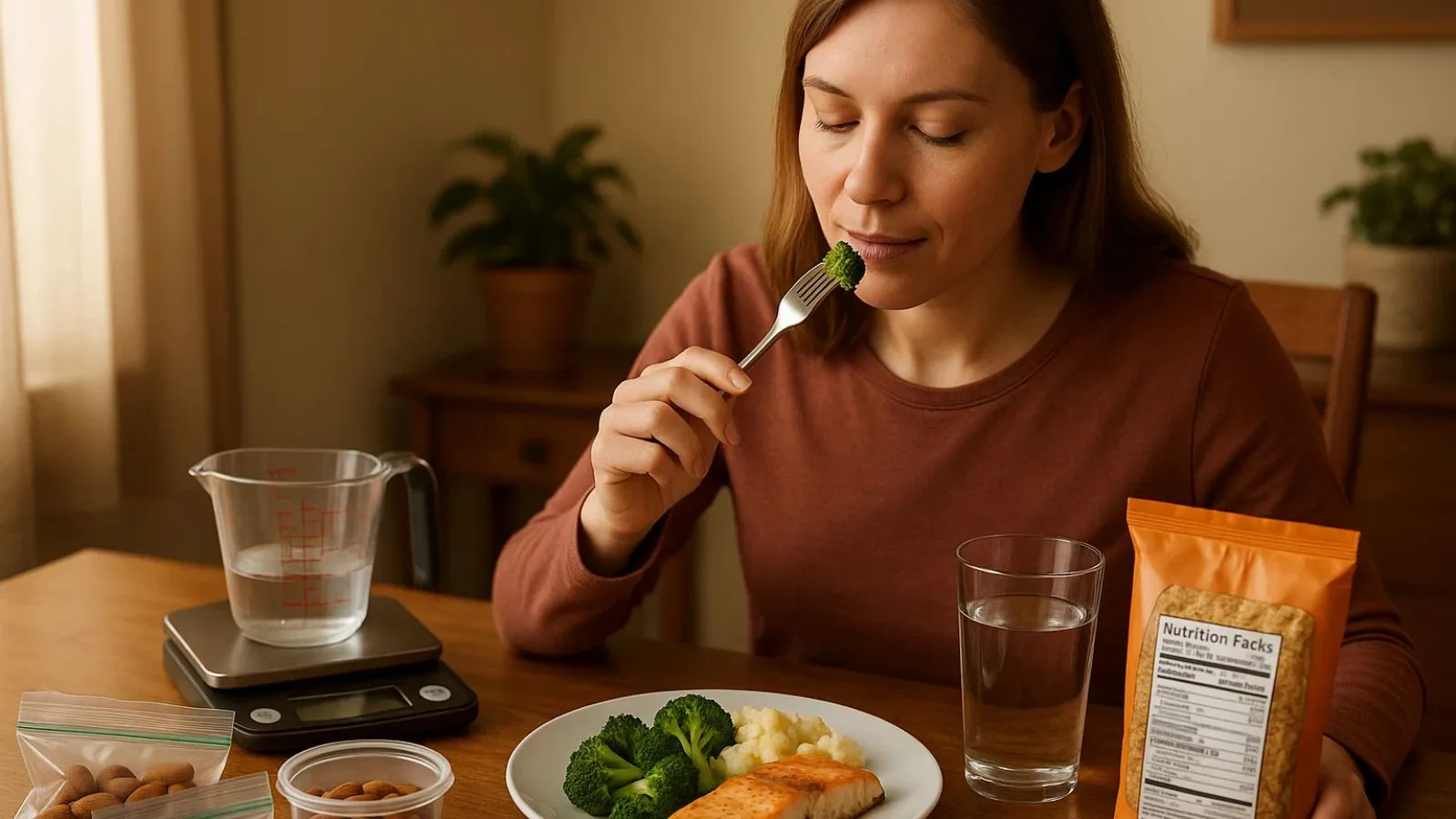
Learning the concept of serving size is one thing, but consistently sticking to it requires practical strategies. Here are some tips to help you manage serving sizes in daily life:
- Use Smaller Plates and Bowls – Serving your meals on smaller dishes naturally encourages smaller serving sizes. This visual trick helps prevent overeating without feeling deprived.
- Pre-portion Snacks – Instead of eating directly from large bags or containers, divide snacks into single-serving sizes ahead of time. This helps you enjoy your favorite foods without unintentionally consuming multiple serving sizes.
- Read Labels Carefully – Always check the serving size listed on packaged foods. Many people assume a bag of chips or cereal is a single serving, but it often contains multiple serving sizes. Being aware can prevent excess calorie intake.
- Measure When Needed – While visual cues work well, measuring tools like cups or a food scale are the most reliable way to track serving sizes accurately, especially when starting.
- Mindful Eating – Eat slowly and pay attention to your hunger and fullness cues. Properly recognizing when a serving size is enough can prevent overeating and help you feel satisfied with less.
- Plan Meals in Advance – Preparing meals with correct serving sizes ensures balanced nutrition and helps you avoid impulsive eating or oversized portions.
By implementing these tips, you can make serving size awareness a natural part of your routine, helping you maintain healthy eating habits and achieve your nutrition goals.
Also Read:
How To Use A Calorie Counter To Reach Your Health Goals?
Calorie Tracker Buddy: Best Calorie Counting Apps To Track Your Nutrition
Conclusion:
Understanding and managing serving size is essential for healthy eating, weight management, and overall nutrition.
By knowing what is a serving size is and how it differs from a portion size, you can make informed decisions about the foods you consume.
Measuring meals, reading labels, and using practical tools like Calorie Tracker Buddy can simplify this process, helping you stay on track without stress.
Paying attention to serving sizes for different food groups ensures balanced nutrition, prevents overeating, and supports your health goals.
With simple habits, like pre-portioning snacks, mindful eating, and following visual cues, you can incorporate serving size awareness into your daily routine.
Ultimately, mastering serving size is a small step that makes a big difference in achieving long-term wellness.
FAQ: Serving Size and Portion Size
Q1: What is a serving size?
A serving size is a standardized amount of food recommended for consumption, usually found on nutrition labels. It helps guide calorie and nutrient intake.
Q2: What is portion size?
A portion size is the actual amount of food you put on your plate, which may be larger or smaller than the recommended serving size.
Q3: How do serving size and portion size differ?
Serving size vs portion size differs in that one is a guideline (serving) and the other is what you actually eat (portion). Understanding both is key to healthy eating.
Q4: Why are serving sizes important?
Following correct serving sizes helps manage weight, control calorie intake, and ensure balanced nutrition across meals.
Q5: Can apps help with serving sizes?
Yes! Tools like Calorie Tracker Buddy track serving sizes and portions, making it easier to maintain proper nutrition.