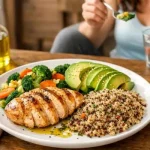



Creating a meal plan often feels overwhelming, but it doesn’t have to be. At its core, a meal plan is simply a way to decide what you’ll eat in advance so daily food choices don’t become stressful or impulsive. When done right, it supports better nutrition, saves time, and helps you stay consistent with your goals.
Instead of strict rules, a good meal plan focuses on structure and flexibility. Once that balance is clear, eating well becomes far easier to manage.
Listen To The Podcast now!
Why a Meal Plan Matters?
A well-structured meal plan supports your health by bringing intention into everyday eating. Instead of reacting to hunger, stress, or convenience, you already know what your meals look like, which reduces decision fatigue and improves consistency over time.
Key benefits include:
- Helps maintain consistent energy levels throughout the day
When meals are planned with the right balance of carbohydrates, protein, and fats, your energy stays more stable. This prevents sudden crashes that often lead to overeating or relying on quick, less nutritious snacks. - Reduces last-minute food decisions
Knowing what you’ll eat removes the daily question of “what should I make now?” This is especially helpful on busy days when decision-making feels exhausting and convenience foods become tempting. - Supports portion control and calorie awareness
A planned meal makes it easier to understand portion sizes and overall intake. This awareness becomes essential if you’re working toward fat loss or following a structured approach like a 1500 calorie meal plan. - Saves money by preventing unnecessary purchases
Shopping with a meal plan reduces impulse buying. You purchase ingredients with a clear purpose, which lowers grocery bills and avoids duplicate or unused items. - Minimizes food waste by using what you already have
When meals are planned around existing pantry and fridge items, food gets used instead of forgotten. This not only saves money but also makes your kitchen more efficient.
These benefits become even more noticeable when your goal involves fat loss or long-term habit building. With that foundation in place, the next step is understanding what foods make a meal plan both healthy and sustainable.
What To Include in a Healthy Meal Plan?
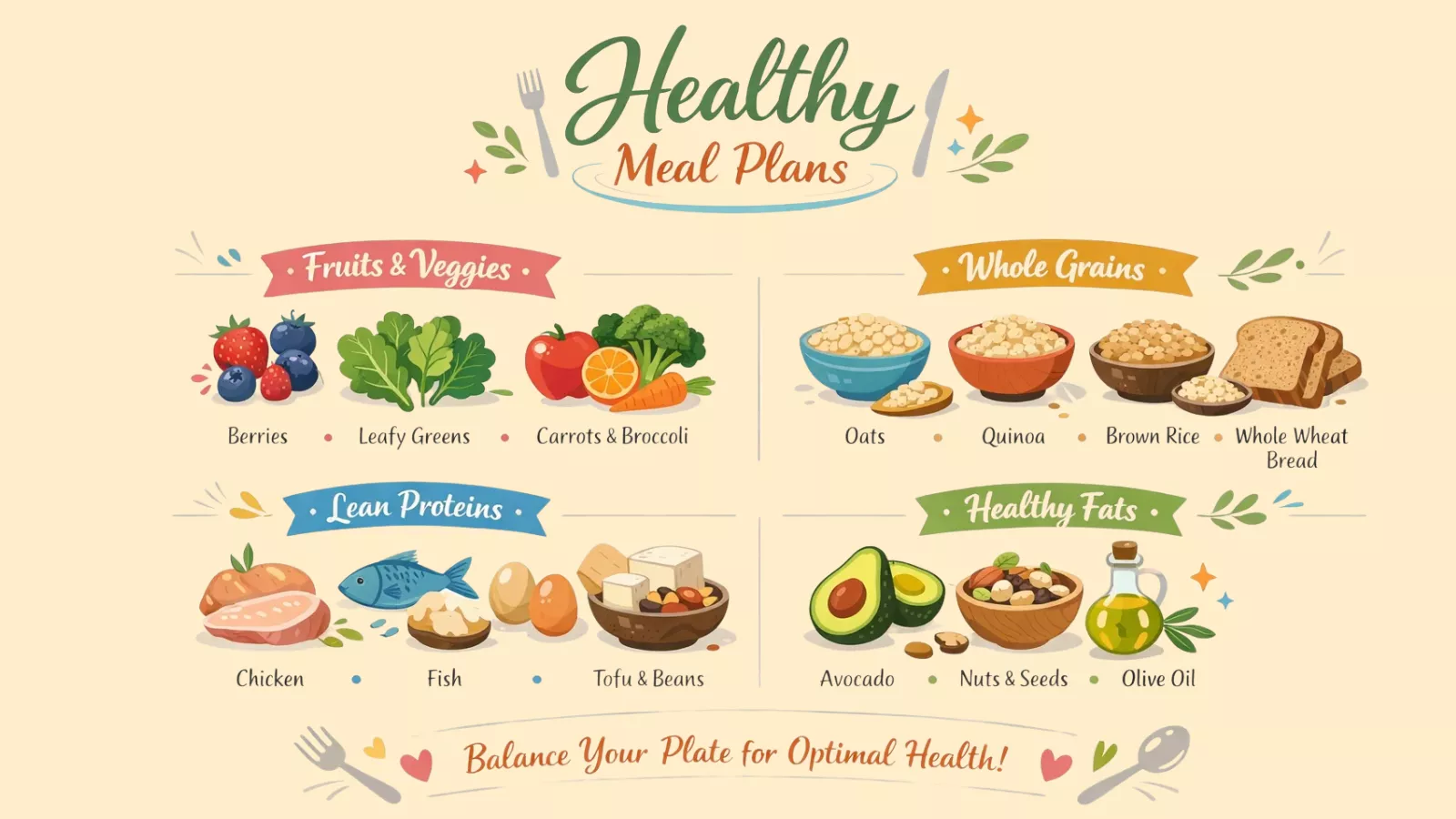 A healthy meal plan doesn’t depend on complicated recipes or strict rules. Instead, it focuses on consistently combining essential food groups that support nutrition and satisfaction.
Core components of a healthy meal plan include:
Vegetables
Vegetables should take up a significant portion of your plate. Leafy greens, broccoli, peppers, carrots, and other colorful vegetables add fiber, vitamins, and antioxidants, making them a core part of an anti-inflammatory meal while helping you feel full without excess calories.
Fruits
Fruits provide natural sweetness along with important nutrients. Berries, oranges, and apples, in particular, support anti-inflammatory meals and work well as snacks, breakfast additions, or light desserts, reducing reliance on processed sweets.
Whole grains
Foods like oats, brown rice, quinoa, and whole wheat bread offer complex carbohydrates that release energy slowly. This steady energy supports balanced eating and complements an anti-inflammatory meal by avoiding sharp blood sugar spikes.
Lean protein
Protein sources such as eggs, chicken, fish, legumes, yogurt, and tofu support muscle maintenance and satiety. Fatty fish and plant-based proteins fit especially well into an anti-inflammatory meal plan while helping control appetite.
Healthy fats
Fats from nuts, seeds, olive oil, avocado, and fatty fish add flavor and satisfaction. These fats are essential in an anti-inflammatory meal, supporting heart health and making meals more enjoyable and sustainable.
When these elements are present, meals feel complete rather than restrictive. This balance naturally makes meal planning easier and more realistic to follow.
Also Read
Healthy Anti Inflammatory Diet Recipes For Every Meal
The Ultimate Meal Calorie Calculator Guide For Beginners
Keeping Meal Planning Simple and Flexible
Meal planning works best when it adapts to your lifestyle instead of adding pressure. Overly rigid plans are harder to maintain, especially during busy weeks.
Ways to keep your meal plan realistic include:
- Plan around busy and relaxed days
Quick meals for hectic days and slightly more involved meals for calmer days help prevent burnout and abandoned plans. - Allow swaps between similar meals
Flexibility lets you replace one protein or vegetable with another without disrupting the overall plan. - Reuse ingredients across multiple meals
Cooking once and using ingredients in different ways saves time and reduces waste. - Avoid planning overly complex recipes for weekdays
Simple meals are more likely to be cooked and eaten as planned.
This flexible approach supports consistency, particularly if you’re following a calorie-focused structure like a 1500 calorie meal plan, where sustainability matters more than perfection.
Weekly Meal Plan Structure (At a Glance)
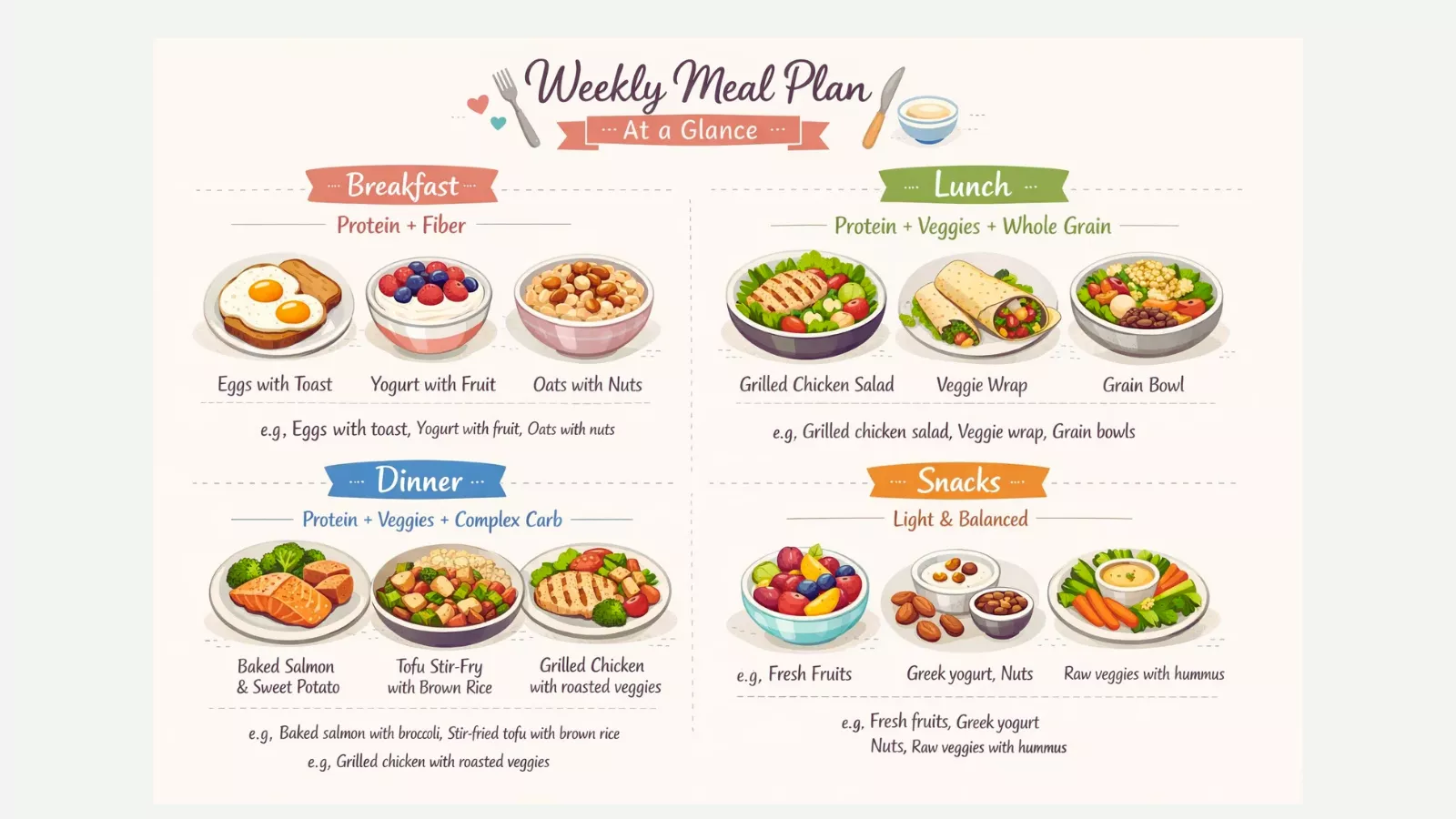 Creating a weekly meal plan doesn’t mean writing down exact recipes for every single day. Instead, thinking in patterns and meal structures makes planning more flexible and sustainable. This approach allows you to focus on nutrient balance, variety, and portion control without feeling restricted.
A simple daily structure can include:
- Breakfast: Protein + Fiber
Start your day with a breakfast that combines protein and fiber to keep you full and energized. Examples:
- Two eggs with whole wheat toast
- Yogurt topped with fresh fruit and a sprinkle of chia seeds
- Oats cooked with almond milk, topped with nuts and berries
These breakfasts not only fuel your morning but also prevent mid-morning energy crashes.
- Lunch: Protein + Vegetables + Whole Grain
Lunch should be satisfying and balanced to sustain energy for the afternoon. Options include:
- Grilled chicken salad with quinoa or brown rice
- Turkey or veggie wrap with whole grain tortilla
- Grain bowls with beans, roasted vegetables, and a lean protein
This combination ensures you get a mix of essential nutrients, fiber, and enough protein to keep you full.
- Dinner: Protein + Vegetables + Complex Carbohydrate
A well-balanced dinner supports recovery and satiety without overloading calories. For example:
- Baked salmon with steamed broccoli and sweet potato
- Stir-fried tofu with mixed vegetables and brown rice
- Grilled chicken with roasted vegetables and a small portion of whole wheat pasta
- Snacks: Light and Balanced Options
Snacks can help manage hunger and prevent overeating during main meals. Include:- Fresh fruit (apples, berries, oranges)
- Greek yogurt or cottage cheese
- Nuts or seeds in moderation
- Raw vegetables with hummus
By sticking to this pattern, you can mix and match meals while keeping balance consistent. From here, you can adjust your meal plan to specific goals, like fat loss, muscle gain, or following a Mediterranean diet meal plan.
Meal Plan for Fat Loss: What to Focus On
When designing a meal plan for fat loss, the emphasis should be on consistency and sustainability, not strict restriction. Losing fat is about creating a manageable calorie deficit while still meeting your body’s nutrient needs.
Important focus points include:
- Prioritize lean protein at each meal
Protein helps control hunger, supports muscle retention, and stabilizes blood sugar. Include sources like chicken, turkey, fish, eggs, tofu, or legumes.
- Increase vegetable intake for volume and fiber
Vegetables are low in calories but high in fiber, keeping you full without excess energy intake. Filling half your plate with vegetables is a simple guideline.
- Control portions of grains and fats
While grains and healthy fats are essential, controlling portions helps maintain a calorie deficit. For instance, choose measured servings of rice, oats, or nuts rather than free-pouring.
- Avoid skipping meals
Skipping meals can backfire by increasing hunger and leading to overeating later. Planning meals and snacks ensures your body gets steady fuel throughout the day.
By planning ahead, healthy meals for fat loss become easier to prepare and stick to, even on hectic days.
Mediterranean Diet Meal Plan Basics
A Mediterranean diet meal plan naturally promotes balanced, long-term healthy eating because it emphasizes whole foods, fresh ingredients, and simple preparation. It’s also flexible enough to adapt for fat loss.
Typical features of a Mediterranean diet meal plan:
- Plenty of vegetables, fruits, and legumes
- Whole grains instead of refined grains
- Olive oil as the primary fat source
- Fish and seafood consumed regularly
- Limited intake of processed foods
This style of eating is flavorful, sustainable, and versatile. Adjusting portion sizes makes it compatible with weight loss goals, so you can enjoy variety without feeling restricted.
Understanding a 1500 Calorie Meal Plan
A 1500 calorie meal plan is an excellent example for those looking to reduce daily intake while still eating a variety of foods. It provides structure without eliminating major food groups.
Key elements of a 1500 calorie meal plan:
- Calories spread evenly across meals
Ensures energy is consistent throughout the day and prevents extreme hunger between meals.
- Protein included consistently
Supports satiety, muscle maintenance, and overall nutrient balance.
- Snacks planned instead of avoided
Small snacks help curb cravings and make sticking to a calorie goal easier.
- No major food groups completely eliminated
Allows for a variety of foods, making the plan sustainable and nutritionally complete.
By planning ahead, meals remain nourishing and balanced, rather than feeling overly restrictive. This approach makes a 1500-calorie meal plan practical for everyday use and sustainable fat loss. To make tracking and managing these meals even easier, a tool like Calorie Tracker Buddy can step in as your personal guide, helping you stay on top of calories, nutrients, and daily goals effortlessly.
Meet Your Calorie Tracker Buddy: Your Ultimate Meal Planning Partner
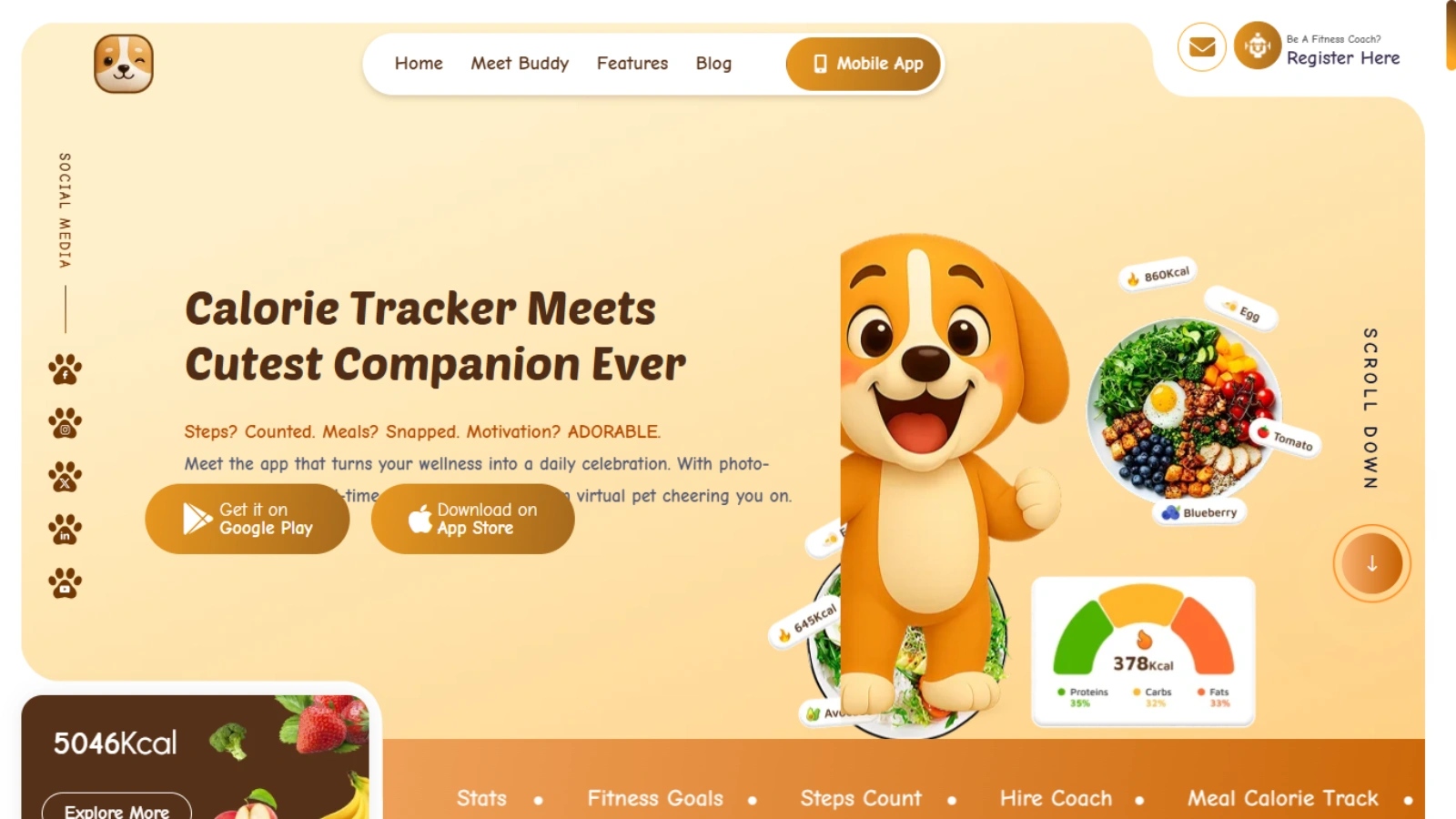
Planning meals, tracking calories, and staying consistent can feel overwhelming—but that’s where Calorie Tracker Buddy (CTB) comes in. Think of it as your personal guide, helping you make every meal count and keeping your meal plan on track. Here’s how CTB makes healthy eating effortless and fun:
Snap the Meal
Just point your camera, tap once, and let CTB do the rest! Your food is instantly scanned for calories, nutrients, and balance, giving you a clear picture of how it fits into your meal plan for fat loss or daily goals. No manual logging, no guesswork—just quick, accurate insights.
Calorie Burn Tracker
Every move counts—from dancing in the living room to washing dishes, CTB tracks your daily calorie burn. Watch your progress build in real-time and see how your activity complements your meals, helping you hit goals like following a 1500 calorie meal plan.
Calorie Intake Tracker
Whether it’s breakfast, lunch, or a snack, CTB’s meal calculator calculates your intake instantly. Get instant feedback on your meals, helping you stick to healthy meals for fat loss and make adjustments as needed. Your Mediterranean diet meal plan is fully trackable in seconds.
Goal Predictions
Curious about your progress? CTB predicts how close you are to your targets. Every meal, snack, and even sip of your favorite beverage is accounted for, giving you an accurate roadmap to your fat loss or health goals.
Buddy Motivation
Meet your virtual buddy—a fun, interactive companion that grows with every healthy choice you make. Daily reminders and encouragement keep you motivated and accountable, turning your meal plan from a task into an engaging routine.
Social Sharing
Celebrate your wins with friends! Share meals, track streaks, and show off your progress. Whether it’s your perfectly balanced lunch or a full week of sticking to your plan, CTB lets your social circle cheer you on and stay inspired alongside you.
Turning Meal Planning Into a Habit
Consistency is the secret to success when it comes to meal planning, and it doesn’t come from perfection—it comes from simplicity and routine. By making meal planning a regular habit, you reduce stress, save time, and stay on track with your health goals, whether you’re following a meal plan for fat loss, a Mediterranean diet meal plan, or a structured 1500 calorie meal plan.
Tips for long-term success:
- Keep a list of go-to meals
Maintain a list of breakfasts, lunches, dinners, and snacks that are easy, nutritious, and enjoyable. This way, you always have backup options when life gets busy, reducing the temptation to grab unhealthy choices.
- Rotate breakfasts and lunches
Rather than creating entirely new meals every day, rotate your favorites. This keeps planning simple, reduces food waste, and ensures you’re consistently getting the nutrients your body needs.
- Plan dinners based on your schedule
Use your calendar to plan meals around your week. On busy nights, choose quick, simple meals or prepare in advance. On more relaxed evenings, try more elaborate recipes. This flexibility keeps your meal plan realistic and sustainable.
- Update your plan gradually, not all at once
Adjust one or two meals at a time instead of overhauling your entire plan. Gradual changes are easier to stick to, help you learn what works best for your body, and prevent burnout.
With these strategies, planning meals becomes automatic over time. You’ll spend less mental energy deciding what to cook, reduce last-minute takeout, and make sticking to healthy meals for fat loss or calorie-controlled plans feel effortless. Before you know it, meal planning won’t feel like a task—it’ll be a natural part of your weekly routine.
Final Thoughts
A meal plan is not about strict control. It’s about making everyday eating easier and more intentional. When meals are planned with balance and flexibility, healthy choices feel natural rather than forced.
Combined with tools like Calorie Tracker Buddy, meal planning becomes a supportive system that adapts to your lifestyle. Small, consistent planning habits can lead to better nutrition, less stress, and a more confident relationship with food.