

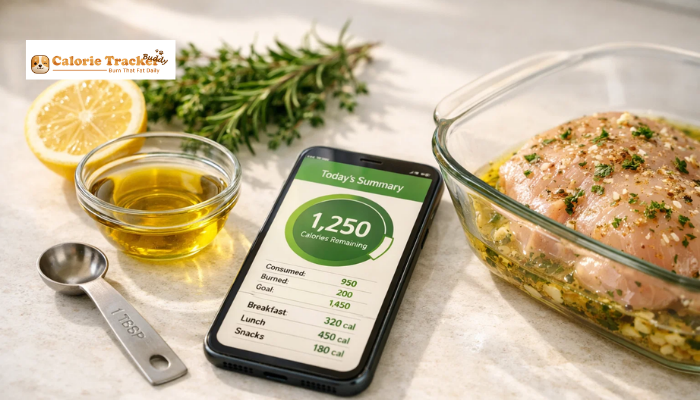
Every person who tracks their food intake hits the same invisible wall at some point. The meals look right. The protein is solid. The portions seem fair. Yet the scale refuses to move. More often than not, the answer hides in a tablespoon of oil that never made it into the food log.
Calories from marinades and cooking oils are genuinely easy to miss because they blend into the cooking process. You pour oil into a pan, brush a marinade across chicken, or drizzle extra virgin olive oil over a salad, and none of it feels like a real food decision. But those calories are absolutely real, and they accumulate quickly across a week of home cooking.
This guide covers everything you need to know about how to log calories for marinades and cooking oils with accuracy, consistency, and zero guesswork. Whether you reach for olive oil, a kitchen oil blend, or a specialty extra virgin olive oil, knowing what goes into your body from these sources gives you a far cleaner picture of your true calorie intake.
In a hurry? Listen to the blog instead!
Understanding The Calorie Density Of Kitchen Oil
Fat carries nine calories per gram, more than double the four calories per gram that protein and carbohydrates provide. Every kitchen oil lands at roughly 120 calories per tablespoon, regardless of source. Vegetable oil, coconut oil, avocado oil, and olive oil all sit in that same range because they are all pure fat.
That 120-calorie figure sounds manageable in isolation. The problem is that most people use two, three, or even four tablespoons of kitchen oil across a single meal without measuring. A stir-fry that calls for two tablespoons of oil already carries 240 calories before the vegetables or protein touch the pan. Add a marinade with an oil base, and the calorie contribution from fats alone can exceed 400 calories in one dish.
Tracking marinades and cooking oils is not about eliminating them. Healthy fats play a critical role in nutrient absorption, hormone production, and satiety. The goal is accuracy, knowing what you actually consumed rather than leaving a significant calorie source out of your log entirely.
Why Olive Oil And Extra Virgin Olive Oil Calories Add Up Fast?

Olive oil holds a respected place in healthy eating for good reason. It delivers powerful antioxidants, supports cardiovascular health, and provides monounsaturated fats the body uses efficiently. Extra virgin olive oil takes this further — cold-pressed without heat or chemicals, it retains far more of its natural phenolic compounds than refined varieties. Both are excellent choices, and both appear constantly in marinades and cooking oils that home cooks use every single day.
Neither one, however, escapes the calorie reality of all fats. A single tablespoon of extra virgin olive oil delivers approximately 119 calories. A generous pour over a salad — the kind most people consider a light touch — can easily reach three tablespoons, adding 357 calories to a meal that otherwise looks modest on paper.
The same applies when olive oil forms the base of a marinade. A classic lemon and herb chicken marinade might call for a quarter cup of olive oil. That quarter cup alone contributes around 480 calories, spread across however many servings the recipe makes. This is exactly why marinades and cooking oils deserve their own dedicated place in your daily food log — the calories are real, they are significant, and they are almost always underestimated.
When you calculate the calories that actually cling to the chicken after marinating and cooking, the number is smaller but still significant and often completely unlogged. Most people track the protein and forget the oil base entirely.
Understanding the calorie reality of olive oil does not make it a food to avoid. It makes it a food to measure. And understanding how marinades and cooking oils contribute to your total daily intake is the first step toward logging with genuine accuracy.
How Much Oil Do You Actually Use? The Measurement Problem?
This is where most calorie tracking breaks down with marinades and cooking oils. The human eye is not a reliable measuring tool for liquids. Research on self-reported portion sizes consistently shows that people underestimate oil quantities by 50 to 100 percent. A pour that feels like one tablespoon often turns out to be two.
The fix is straightforward: measure before you cook, not after. Pour your kitchen oil into a measuring spoon, then transfer it to the pan or bowl. This single habit eliminates the largest source of calorie inaccuracy in most home kitchens.
For marinades, calculate the total calories of the full recipe, then divide by the number of servings. From there, estimate how much of the marinade actually transfers to the food — generally between 10 and 30 percent absorbs into meat or vegetables during marinating, with the rest discarded. Using the absorbed portion as your logged quantity gives a reasonable and accurate estimate.
Logging Cooking Oils: The Basics You Need To Know
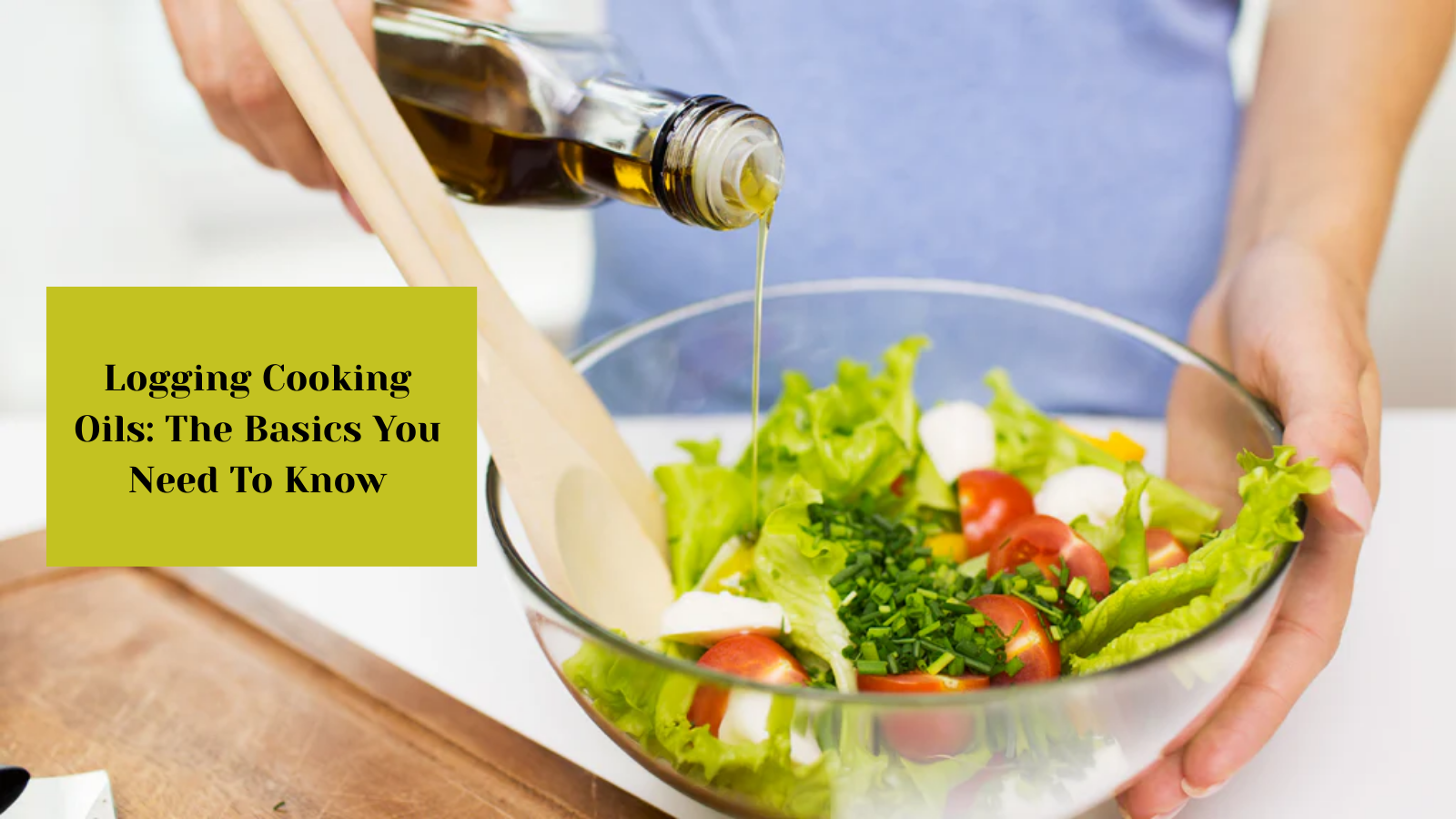
Accurate logging of marinades and cooking oils comes down to three consistent habits.
Measure before cooking. Always use a measuring spoon when adding kitchen oil to a pan, marinade, or dressing. This gives you a precise number to log rather than a guess.
Log the raw amount. Log the oil you add to the pan, not the estimated amount you think survived the cooking process. Oil that evaporates or stays in the pan still contributes heat and some residual calories to the food.
Use a reliable database. Most calorie-tracking apps include entries for common oils by tablespoon, teaspoon, and gram. Search for the specific oil you used — olive oil, extra virgin olive oil, avocado oil — and select the correct unit.
These three steps take less than thirty seconds per meal. Over a week of consistent application, they can reveal hundreds of unlogged calories that explain why a seemingly clean diet stalls.
How To Log Calories For Marinades Accurately
Marinades present a more complex logging challenge than straight cooking oil because they combine multiple ingredients — oil, acid, sweeteners, spices, each contributing to the total calorie count.
Start by building the full marinade recipe in your calorie tracker. Enter every ingredient — the olive oil, the honey, the garlic, the lemon juice — and record the total calories for the entire batch. Then note the total weight or volume of the marinade before it touches the food.
After marinating, weigh the protein or vegetables before and after. The weight gained represents the marinade absorbed. Divide that absorbed weight by the total marinade weight, then multiply by the total marinade calories. That number is what you log.
For example, a marinade totals 600 calories and weighs 200 grams. Your chicken absorbs 40 grams of marinade during the soak. That is 20 percent of the total, so you log 120 calories of marinade absorbed. This method gives you a genuinely accurate figure rather than a rough estimate.
Extra Virgin Olive Oil vs. Regular Olive Oil: Is There a Calorie Difference?
From a calorie standpoint, the gap between extra virgin olive oil and regular olive oil is negligible. Both sit at approximately 119 to 120 calories per tablespoon. The difference lies entirely in the nutritional quality, flavor profile, and processing method, not the fat content.
Extra virgin olive oil undergoes minimal processing and retains its full phenolic compound profile, which researchers associate with anti-inflammatory and cardiovascular benefits. Regular olive oil goes through more refining, which removes much of that compound richness while producing a more neutral flavor suitable for higher-heat cooking.
For calorie tracking purposes, treat them identically. One tablespoon of either variety logs at 120 calories. For flavor, cold applications, and nutritional quality, extra virgin olive oil wins. For high-heat cooking where the delicate compounds break down anyway, regular olive oil is a practical and economical choice. Neither choice changes your calorie math in any meaningful way.
Common Mistakes People Make When Tracking Cooking Oils
Here are the common mistakes people make while tracking cooking oils:
- Eyeballing instead of measuring.
- Forgetting the oil in marinades.
- Assuming spray oil has zero calories.
- Logging the wrong oil.
- Not logging at all because it feels complicated.
Also Read:
Castor Oil 101: Everything You Need To Know About This Versatile Oil
9 Best Protein Powders For Beginners In India
How Calorie Tracker Buddy Helps You Track Calories?

Logging marinades and cooking oils is one of the easiest habits to skip — and one of the most costly. Calorie Tracker Buddy makes sure nothing slips through the cracks by turning every meal log into a fast, simple, and even enjoyable experience.
- Snap the Meal: Point your camera, tap once, and the app scans your food for calories, nutrients, and balance instantly. No manual entry needed — even oily dishes and marinated proteins get logged in seconds.
- Calorie Intake Tracker: You cook, you eat, and Calorie Tracker Buddy calculates. Log what is on your plate and get instant feedback on how it fits your daily goals — including the olive oil in your pan and the marinade on your chicken.
- Calorie Burn Tracker: Every step, every movement, every kitchen activity counts toward your daily burn. The app tracks what you use so your intake and output always stay in balance.
- Goal Predictions: Wondering how two tablespoons of extra virgin olive oil affect your progress? The app shows exactly how each meal, snack, and pour impacts your journey so you course-correct before the numbers drift.
- Buddy Motivation: Your virtual buddy grows with every healthy choice you make — including the choice to log your kitchen oil honestly. Daily motivation keeps consistency high even on busy cooking days.
- Social Sharing: Proud of a clean, well-tracked meal? Share your plate, post your streaks, and let your squad celebrate the wins with you.
Tracking marinades and cooking oils does not have to feel like extra work. With Calorie Tracker Buddy beside you, every pour gets counted, every goal stays visible, and every healthy choice brings your buddy one step closer to growing.
Tips To Stay Consistent When Logging Kitchen Oil Every Day
Consistency with logging marinades and cooking oils comes down to making the habit as frictionless as possible.
Keep measuring spoons next to the stove rather than in a drawer. The easier they are to grab, the more likely you are to use them before every pour. Measure the oil into the spoon first, then into the pan — this sequence locks in accuracy before the cooking heat makes you rush.
Log immediately after cooking, while the amounts are fresh. Waiting until the end of the day means relying on memory, which consistently underestimates quantities. A thirty-second log right after you finish cooking is far more accurate than a five-minute reconstruction at midnight.
Create saved meals for dishes you prepare repeatedly. If you make the same lemon-herb chicken with olive oil marinade every week, build that recipe once in your tracker and save it. Future logs take five seconds.

Final Thoughts:
The tablespoon of kitchen oil that seems too small to matter is often the missing piece in a stalled calorie deficit. Marinades and cooking oils happen in the background of cooking, but their calorie contribution is real, consistent, and cumulative.
Accurate logging comes down to three things: a measuring spoon before every pour, a reliable calorie tracker, and the habit of logging immediately after cooking.
Extra virgin olive oil and olive oil deserve a permanent place in your kitchen. What they do not deserve is a permanent pass from your food log. Measure them, track them, and let the numbers guide your choices.
Your calorie goals are achievable. The oil in the pan is not your enemy — the unlogged oil is..
FAQs
Q1: How many calories does one tablespoon of olive oil contain?
One tablespoon of olive oil carries approximately 119 to 120 calories. Extra virgin olive oil sits in the same range. Both are pure fat, so the calorie count stays consistent regardless of the brand or origin.
Q2: Do I log the full marinade or just what the food absorbs?
For the most accurate result, log only what the food absorbs — typically 10 to 30 percent of the total marinade volume for meat or vegetables. Weigh the food before and after marinating to calculate absorbed quantity, then apply that percentage to the marinade’s total calorie count.
Q3: What is the easiest way to log marinades and cooking oils consistently?
Measure every pour with a spoon, log immediately after cooking, and save repeated recipes in your calorie tracker app. Calorie Tracker Buddy makes this process fast with its food database, snap feature, and saved meal function.