


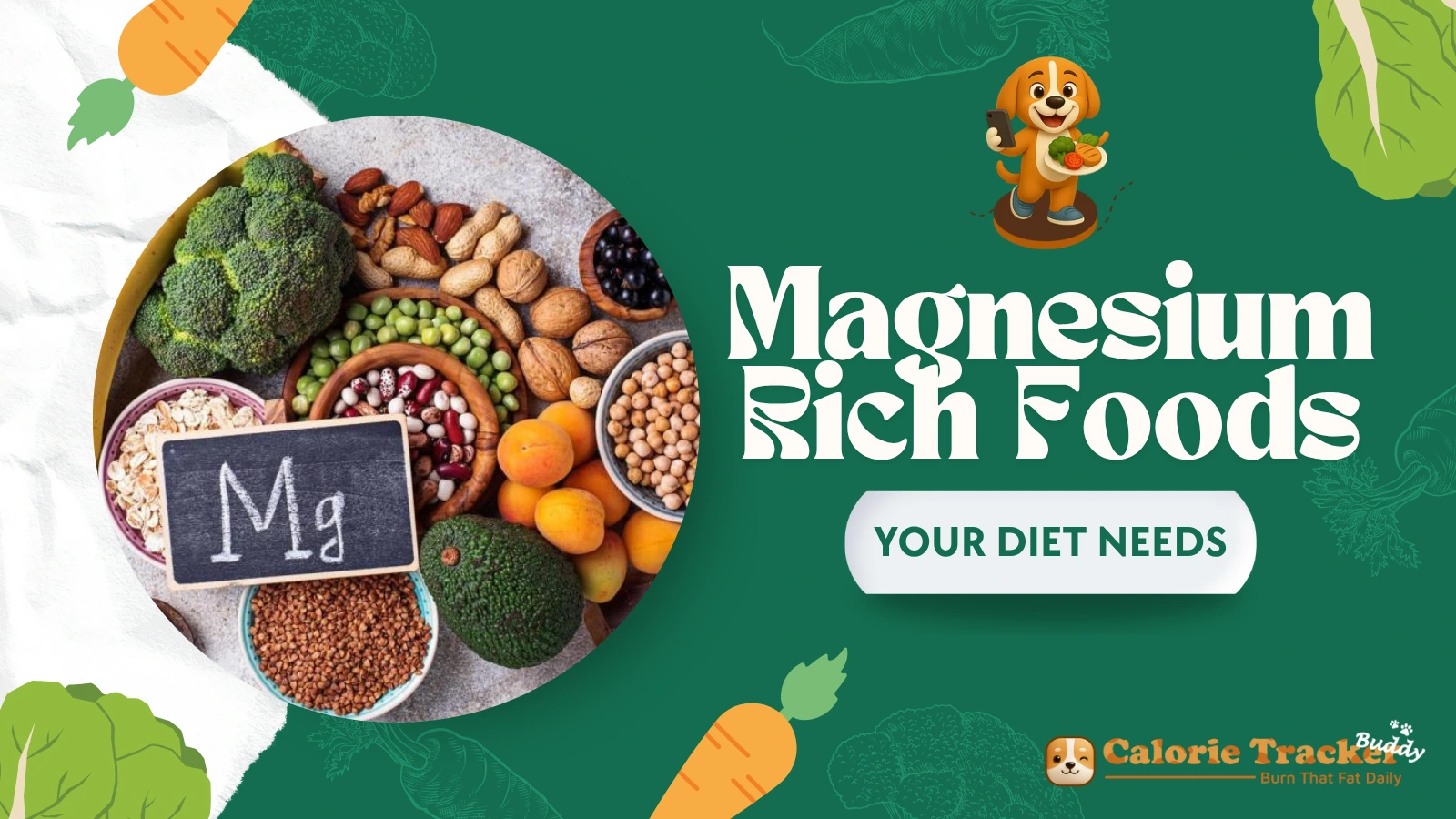
Magnesium is one of those essential minerals that your body simply can’t do without. It plays a role in over 300 enzyme reactions, supporting everything from muscle function to bone health and even your mood. Despite its importance, many people don’t get enough magnesium in their daily diets, which can lead to issues like muscle cramps, fatigue, or even heart rhythm problems.
The good news? You can easily boost your intake by incorporating magnesium rich foods into your meals. In this blog, we’ll dive into why magnesium matters, how much you need daily, and the top foods high in magnesium that you should be eating regularly.
Hit ‘Play’ Button & Tune Into The Blog!
Why Magnesium Matters
Magnesium rich food are involved in a surprising number of bodily functions. Here’s why it deserves a spot on your nutrition radar:
- Muscle Function and Performance: Magnesium helps regulate muscle contractions and relaxation. If you’re active or exercise regularly, adequate magnesium intake can help prevent cramps and support better performance.
- Nervous System Health: Magnesium regulates neurotransmitters — the chemicals that transmit signals in the brain and nerves. This helps stabilize mood, support cognitive function, and keep your nervous system running smoothly.
- Bone Health: About 50-60% of the body’s magnesium is stored in bones. Magnesium works alongside calcium and vitamin D to strengthen bones and reduce the risk of osteoporosis.
- Blood Sugar Regulation: Magnesium supports glucose metabolism, helping control insulin levels and reducing the risk of type 2 diabetes.
- Heart Health: Adequate magnesium can help maintain healthy blood pressure and support overall cardiovascular health.
How Much Magnesium Do You Need?
Adults generally need around 310-420 mg of magnesium per day, depending on age and gender. Pregnant or breastfeeding women may require slightly more. While supplements are an option, it’s best to focus on foods with magnesium, as they provide other essential nutrients and are easier for your body to absorb.
Signs You Might Be Low on Magnesium

Magnesium deficiency is more common than you think. Some warning signs include:
- Muscle cramps or spasms
- Fatigue or weakness
- Nausea and loss of appetite
- Numbness or tingling
- Irregular heart rhythms
- Migraines
If you experience these symptoms frequently, it may be worth reviewing your diet to include more magnesium rich foods or consulting a healthcare professional.
Also Read
Peanut Butter: Is It Really Good for You?
Top 9+ Magnesium Rich Foods to Include in Your Diet
Here’s a list of nutrient-packed magnesium rich foods that you can start enjoying today.
1. Dark Chocolate

Dark chocolate is more than just a treat — it’s a magnesium powerhouse. A 1-ounce (28 g) serving of dark chocolate provides 65 mg of magnesium, roughly 15% of your daily requirement.
Besides magnesium, dark chocolate is rich in antioxidants like flavanols, which help prevent LDL (bad) cholesterol from oxidizing, supporting heart health. It also contains iron, copper, manganese, and prebiotic fiber that promotes gut health. For maximum benefits, choose chocolate with at least 70% cocoa solids.
Tip: Enjoy it in moderation — a small piece after meals can satisfy your sweet tooth while boosting magnesium.
2. Avocados
Avocados are creamy, nutrient-dense fruits that provide 58 mg of magnesium per medium avocado (14% DV). They are also loaded with heart-healthy monounsaturated fats, potassium, fiber, and B vitamins.
Avocados may help reduce inflammation, improve cholesterol levels, and keep you full for longer periods. They’re incredibly versatile — slice them on toast, blend into smoothies, or add them to salads and sandwiches.
3. Nuts
Almonds, cashews, and Brazil nuts are particularly rich in magnesium. For instance, a 1-ounce (28 g) serving of cashews contains 83 mg of magnesium. Brazil nuts are also high in selenium, with just one nut providing nearly 175% of the DV for this mineral.
Nuts are excellent for heart health, blood sugar control, and appetite management. They’re easy to snack on, add to cereals, or include in baking recipes.
4. Seeds
Seeds like pumpkin, chia, and flax are concentrated sources of magnesium. Pumpkin seeds are the standout, containing 168 mg per 1-ounce (28 g) serving, covering 40% of your daily magnesium needs.
Seeds are also rich in iron, omega-3 fatty acids, monounsaturated fats, and antioxidants, which help protect your cells from damage. Sprinkle seeds on yogurt, salads, or smoothies, or enjoy them as a crunchy snack.
5. Leafy Greens
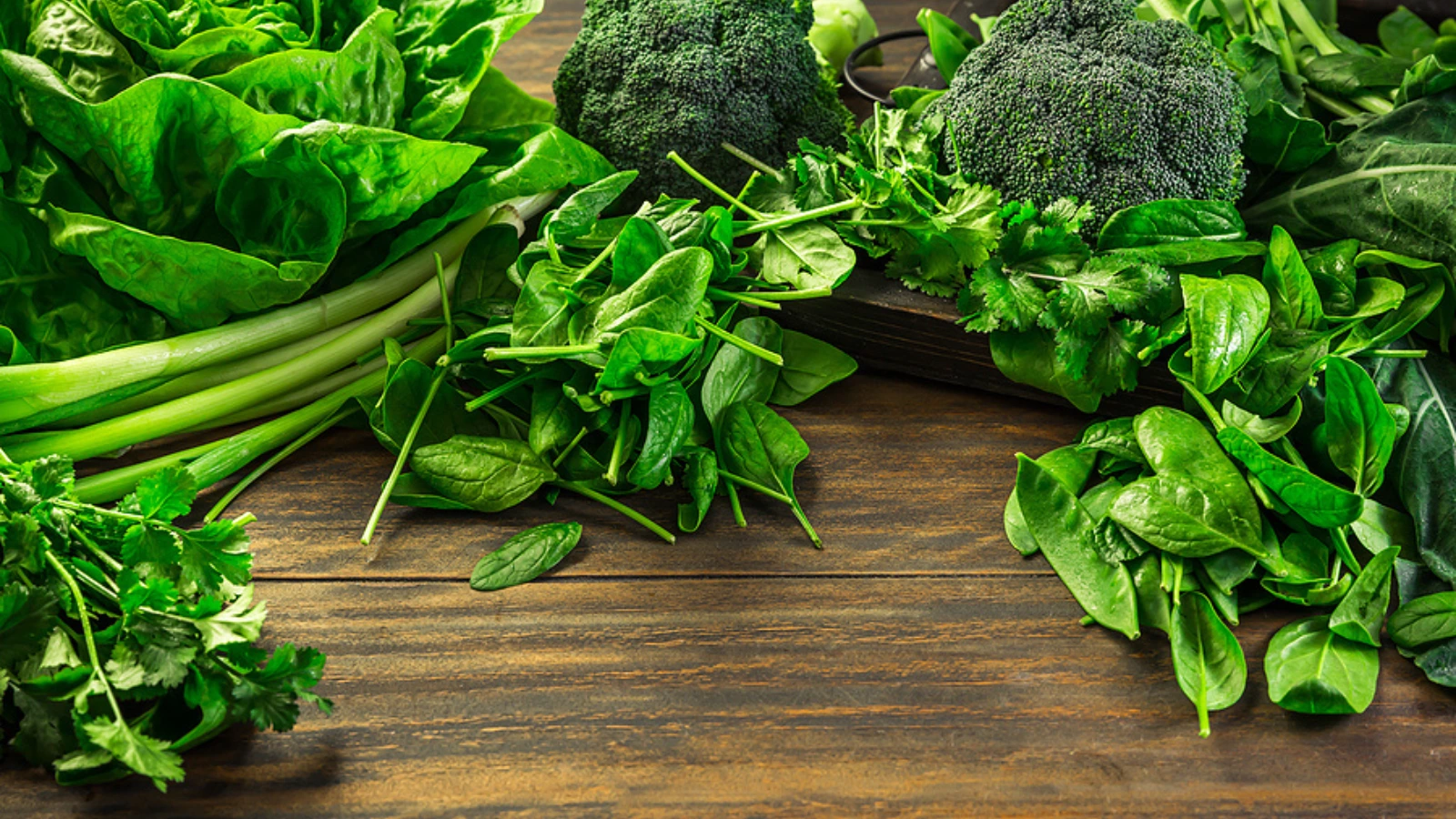
Leafy greens like spinach, kale, Swiss chard, and collard greens are nutritional powerhouses. One cup of cooked spinach provides 158 mg of magnesium, which is 37% of the daily value.
Besides magnesium, these greens are rich in iron, vitamins A, C, and K, and beneficial plant compounds that may help protect against chronic diseases. They’re perfect for salads, soups, stir-fries, or smoothies.
6. Legumes
Legumes — including black beans, lentils, chickpeas, peas, and edamame — are packed with magnesium and other nutrients. One cup of cooked black beans offers 120 mg of magnesium, nearly 30% of your daily requirement.
Legumes are also rich in potassium, iron, protein, and fiber, helping regulate blood sugar, support digestion, and reduce the risk of heart disease. Add them to soups, stews, or make a bean salad for a nutritious meal.
7. Whole Grains
Whole grains such as quinoa, brown rice, oats, barley, and buckwheat are excellent sources of magnesium. For example, a cup of cooked buckwheat contains 86 mg of magnesium (20% DV).
Whole grains also provide B vitamins, selenium, manganese, and fiber. Studies suggest that regular consumption can reduce inflammation and support heart health. Swap refined grains for whole grains in your meals to maximize nutrient intake.
8. Fatty Fish
Fatty fish like salmon, mackerel, and halibut are not only rich in omega-3 fatty acids but also contain magnesium. A 100 g serving of cooked salmon provides 30 mg of magnesium.
Fish also delivers high-quality protein, potassium, selenium, and B vitamins. Regular intake may reduce the risk of heart disease, lower inflammation, and support brain health.
9. Tofu
Tofu, a staple in vegetarian diets, provides 35 mg of magnesium per 100 g serving. It’s also a rich source of protein, calcium, iron, manganese, and selenium.
Studies suggest tofu and other soy products may help protect the cells lining your arteries and may reduce the risk of certain cancers. Enjoy tofu in stir-fries, soups, or grilled as a main dish.
10. Bananas

Bananas are widely recognized for their potassium content, but they also provide magnesium — 37 mg per large banana. They’re rich in fiber, vitamin B6, vitamin C, and manganese.
Unripe bananas contain resistant starch, which can help lower blood sugar levels, reduce inflammation, and improve gut health. Add bananas to smoothies, oatmeal, or enjoy them as a quick snack for a magnesium boost.
Simple Tips to Add Magnesium Rich Foods to Your Diet
Here are some easy ways to ensure you’re getting enough magnesium each day:
- Breakfast Boost: Start your day with oatmeal or a smoothie packed with spinach and chia seeds.
- Snack Wisely: Keep a mix of almonds, cashews, or pumpkin seeds handy for a mid-day magnesium hit.
- Add Greens: Include kale, spinach, or Swiss chard in your meals, soups, or stir-fries.
- Go Whole Grain: Swap refined grains for brown rice, quinoa, or oats.
- Include Fish: Enjoy salmon or mackerel a couple of times per week.
- Dairy Options: Milk, yogurt, and cheese can also contribute to your magnesium intake.
With just a few tweaks to your daily meals, you can meet your magnesium needs and enjoy the numerous health benefits it offers.
Calorie Tracker Buddy: Track Your Magnesium Intake the Smart Way

Eating magnesium rich foods is a great start — but staying consistent makes all the difference! That’s where Calorie Tracker Buddy comes in — your healthy sidekick that makes wellness feel fun, simple, and rewarding.
Your Healthy Sidekick’s Secret Powers 👇
Snap the Meal
Point your camera, tap once, and boom! Your food is scanned for calories, nutrients, and balance in seconds.
Calorie Burn Tracker
From dance moves to dishwashing, every step you take counts. Track your daily burn and watch your progress ignite!
Calorie Intake Tracker
You eat, we calculate! Get instant feedback on how every meal fits into your goals — from magnesium intake to overall balance.
Goal Predictions
Wondering how close you are? See how each snack, sip, and bite impacts your wellness journey.
Buddy Motivation
Your virtual buddy grows with every healthy choice you make — cheering you on with daily motivation.
Social Sharing
Feeling proud of your plate? Share your meals, streaks, and glow-up moments with your friends!
Meet Your New Food Buddy
Make healthy eating exciting and effortless with Calorie Tracker Buddy. Track your meals, calories, nutrients, and progress — all in one place. Real-time insights, daily streaks, and zero hassle.
Buddy’s waiting — let’s start tracking today! 🥑💪
Download now – calorietrackerbuddy
Magnesium Benefits at a Glance

- Supports muscle and nerve function
- Maintains healthy bones and prevents osteoporosis
- Helps regulate blood sugar and insulin levels
- Supports heart health and blood pressure management
- Reduces fatigue, cramps, and mood swings
Also Read: –
Final Thoughts
Magnesium is an essential mineral that supports countless functions in your body. From promoting strong bones to boosting energy and heart health, it’s clear that magnesium rich foods deserve a place in your daily diet.
By including items like dark chocolate, avocados, nuts, seeds, leafy greens, whole grains, legumes, tofu, fatty fish, and bananas, you can easily meet your magnesium needs and enjoy a healthier, more energized life.
Remember, a balanced diet rich in foods high in magnesium not only helps you reach your daily requirements but also provides a range of other vital nutrients. So start adding these delicious foods to your meals today and feel the difference!
FAQs About Magnesium
Q1: How can I raise my magnesium levels quickly?
Eating a diet rich in magnesium containing foods like nuts, seeds, leafy greens, and whole grains can help restore your magnesium levels. Magnesium supplements may also be recommended by a healthcare provider if needed.
Q2: What are the signs of low magnesium?
Symptoms can include muscle cramps, fatigue, nausea, loss of appetite, numbness, irregular heartbeats, and even migraines. Persistent signs should be evaluated by a healthcare professional.
Q3: How many mg of magnesium per day should I consume?
Adults generally need 310-420 mg per day, depending on age and gender. Pregnant and breastfeeding women may require slightly more.
Q4: Are magnesium supplements necessary if I eat magnesium-rich foods?
Most people can meet their magnesium needs through diet alone. Supplements may only be necessary for individuals with deficiencies or certain health conditions, but these should be taken under medical guidance.
Q5: Can I get magnesium from both plant and animal sources?
Yes! Magnesium rich foods are available in both plant-based (nuts, seeds, legumes, leafy greens) and animal-based sources (fish, dairy, meat), making it easy for everyone to include them in their diet.