


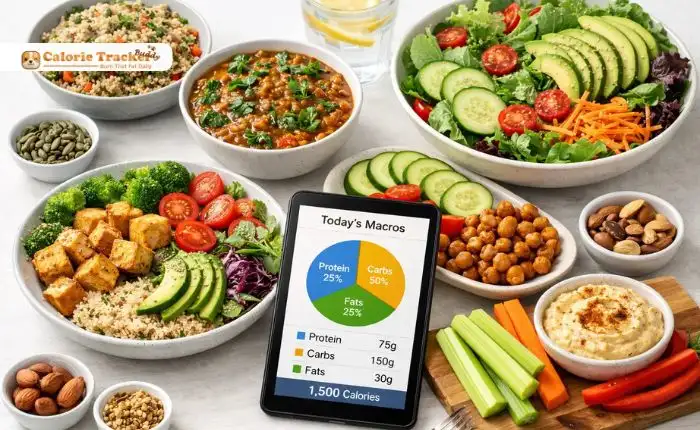
If you have recently switched to a plant-based lifestyle and are wondering how to track macros on a vegan diet, you are not alone. Many people find it tricky to manage protein, carbohydrates, and fats without animal products on the plate. But the good news is that it is absolutely doable, and once you get the hang of it, it becomes second nature. Whether your goal is to build muscle, maintain energy, or simply eat more mindfully, learning how to track macros gives you a clear and honest picture of your nutrition every single day.
Listen To The Podcast Now!
What Are Macros and Why Do They Matter on a Vegan Diet?
Macros, short for macronutrients, are the three core nutrients your body needs in large amounts: protein, carbohydrates, and fats. Each plays a vital role. Protein helps repair and build muscle tissue, carbohydrates fuel your daily energy, and healthy fats support brain function and hormone balance.
On a vegan diet, your macro sources look very different from a conventional one. Instead of chicken or eggs for protein, you are relying on lentils, tofu, tempeh, chickpeas, and seeds. That shift makes it especially important to learn how to track macros using a Keto Calculator to ensure you’re hitting your targets and not just guessing.
How Do You Figure Your Macros as a Vegan?
Before you start tracking, you need to figure out your macros, meaning calculate how much of each nutrient your body specifically needs. Start with your Total Daily Energy Expenditure (TDEE), which accounts for your age, height, weight, and activity level. A common macro split for vegans is 25–30% protein, 45–55% carbohydrates, and 20–30% fats.
From there, you can adjust based on your personal goals. Someone trying to lose weight by counting macros will likely reduce carbs slightly and increase protein to preserve muscle mass. A vegan endurance athlete, on the other hand, may need a higher carb ratio for sustained performance. Getting this baseline right is step one of knowing how to track macros effectively.
How Do You Count Macros on a Vegan Diet?
Once you know your targets, the next question is: how do you count macros from whole, plant-based foods? The process is simpler than it sounds. Every gram of protein contains 4 calories, every gram of carbohydrate contains 4 calories, and every gram of fat contains 9 calories.
When you log your meals, you are recording the grams of each macro from everything you eat, then checking that against your daily targets. For vegan foods, this means reading nutrition labels carefully and measuring portions accurately, especially for calorie-dense foods like nuts, avocados, and nut butters. Getting into this habit of daily measurement is the real foundation of how to track macros with consistency.
Best Vegan Protein Sources to Hit Your Macro Goals:
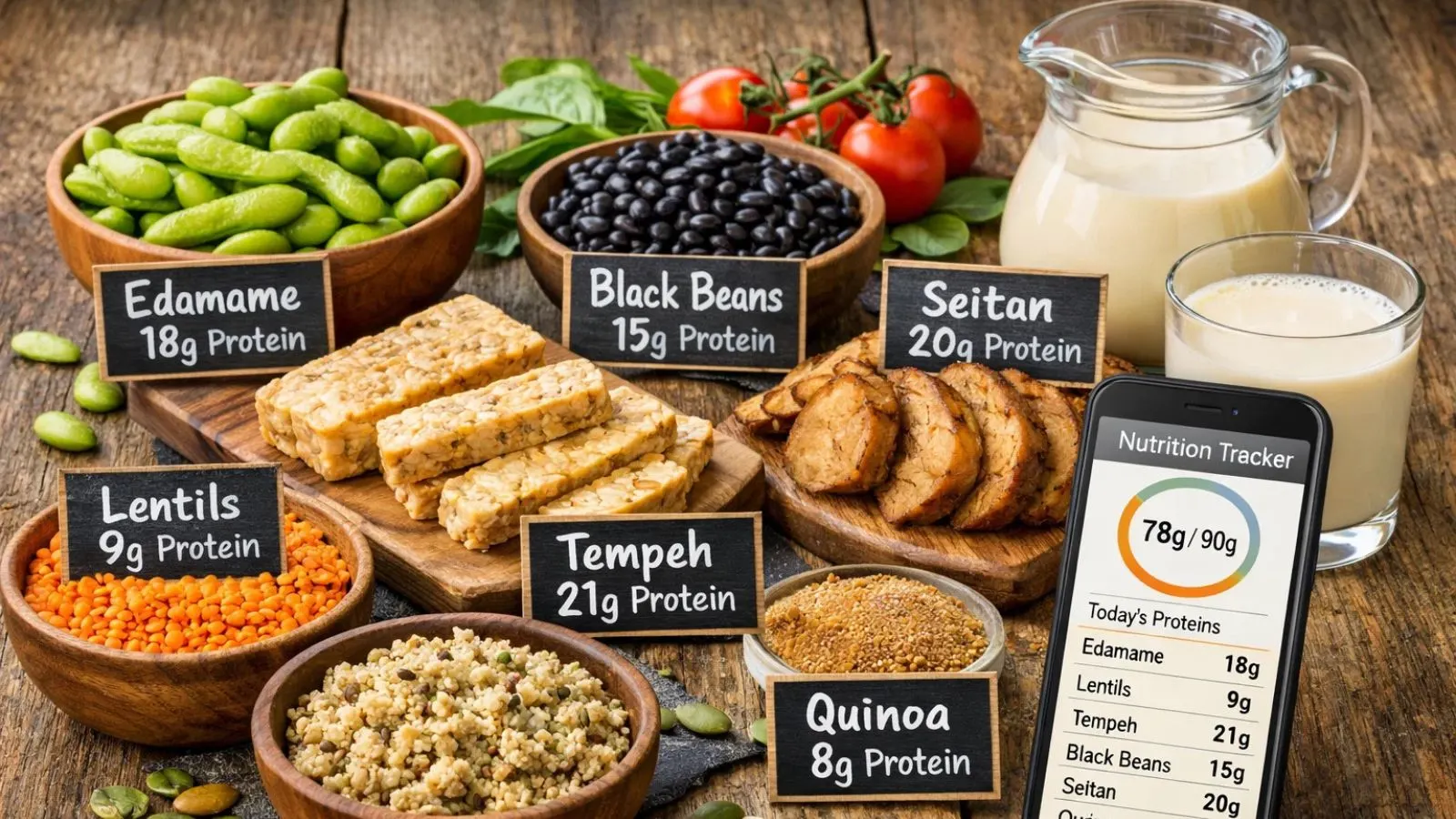
Protein is the macro that most vegans worry about, and understandably so. Animal proteins are complete, meaning they contain all nine essential amino acids. Most plant proteins are not. However, by combining various plant sources throughout the day, you can absolutely meet your needs.
When you learn how to track macros properly, you will start noticing which vegan foods are protein powerhouses: edamame (17g per cup), lentils (18g per cup cooked), tempeh (31g per cup), black beans (15g per cup), and seitan (25g per 3.5 oz). Quinoa and soy milk are among the few complete plant proteins. Spreading these across all your meals ensures you never fall drastically short.
Managing Carbs and Fats the Vegan Way:
Vegan diets are naturally rich in carbohydrates, which is not a bad thing, as long as you are choosing the right kind. When you understand how to track macros, you quickly learn to differentiate between complex carbs (oats, brown rice, sweet potatoes) and simple carbs (white bread, sugary drinks).
Complex carbs digest slowly, keeping energy steady and hunger in check. For fats, vegans have excellent options like avocados, flaxseeds, chia seeds, walnuts, and olive oil. These provide essential omega-3 and omega-6 fatty acids. Tracking fats is particularly important for vegans who want to lose weight by counting macros, as plant fats, while healthy, can quickly push your calorie intake over your daily goal.
Can You Lose Weight by Counting Macros on a Vegan Diet?
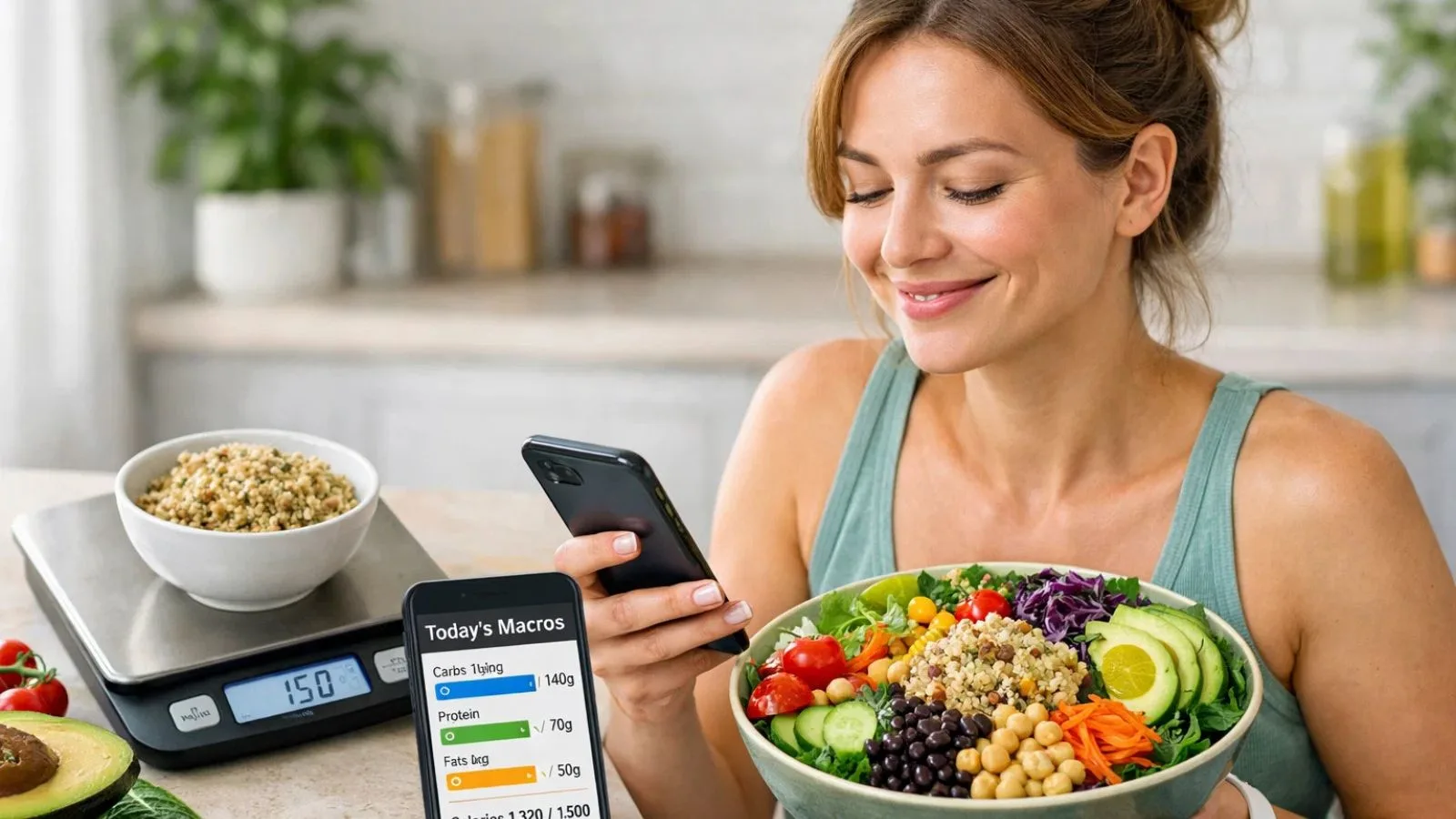
Absolutely. One of the most powerful benefits of learning how to track macros is that it puts you in full control of your energy balance. To lose weight by counting macros, you need to be in a caloric deficit, consuming fewer calories than you burn while keeping protein high enough to preserve muscle.
Vegan diets can be very effective for weight loss because high-fiber foods or 5 minute lunches like legumes and vegetables are naturally filling at low calorie counts. When you pair that natural advantage with precise macro tracking, results tend to come faster and feel more sustainable. You are not starving yourself; you are simply eating smarter and seeing the data to back it up.
Tips to Stay Consistent With Macro Tracking Long-Term:
Knowing how to track macros is only half the battle; consistency is where most people struggle. A few practical tips that help: meal prep your staple vegan foods in bulk so logging becomes repetitive and fast. Build a go-to library of your regular meals in your tracking app. Do not aim for perfection; aim for being close to your targets at least 80% of the time.
Review your weekly average rather than stressing about a single off day. Also, remember that tracking macros is a skill that gets easier with time. After a few weeks, you will estimate portions almost automatically, and your relationship with food will feel far less stressful and far more empowered.
Also Read:
Keto Calculator: Track Your Macros, Calories, And Keto Progress
Can Tracking Nutrition Unlock Maximum Health And Vitality Today?
Track Macros Effortlessly With Calorie Tracker Buddy:
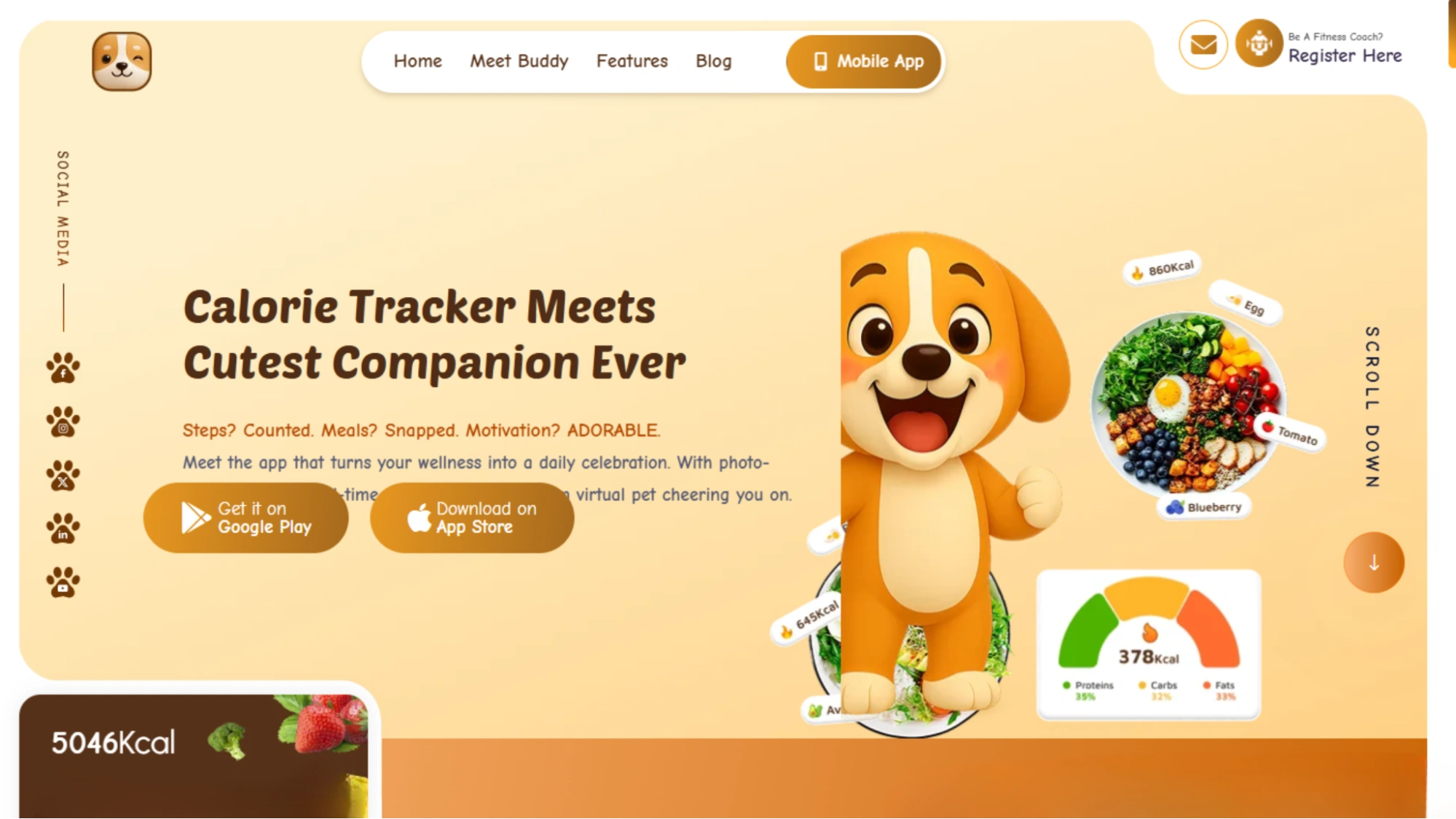
If you are serious about learning how to track macros on a vegan diet, the right app makes all the difference. Calorie Tracker Buddy (calorietrackerbuddy.com) is a smart, beginner-friendly health app that takes the guesswork out of daily nutrition tracking. Simply snap a photo of your meal, and the app identifies the food, calculates its macros and calories instantly. Here is what makes it stand out:
- Photo-based meal logging, just snap and track, no manual entry needed
- Full macro tracking, monitor protein, carbs, and fats alongside total calories
- Goal predictions see in real time how each meal impacts your progress
- Virtual Buddy motivator, a fun companion that grows with every healthy choice you make
- Step counter and calorie burn tracker syncs seamlessly with Google Fit
- Personalized dietary preferences, including vegan and allergen-friendly customization options
Available on both Google Play and the App Store, Calorie Tracker Buddy turns healthy living into a daily celebration, not a chore.
Common Mistakes Vegans Make When Tracking Macros:
Even when you know how to track macros, it is easy to slip into a few common pitfalls. The biggest one is underestimating protein, assuming that because you ate a lot of food, you must have eaten enough protein. Plants are voluminous but not always protein-dense. Another common mistake is forgetting to log cooking oils, sauces, and condiments, which can silently add hundreds of fat calories.
Many new vegans also overlook the difference between raw and cooked weights when logging foods; 100g of raw oats becomes much heavier once cooked with water. Learning how to track macros means tracking everything that goes in your body, not just the obvious items on your plate.
Conclusion:
Learning how to track macros on a vegan diet is one of the best investments you can make in your long-term health. It removes the guesswork, helps you hit your protein targets, and gives you real data to make smarter food choices. Whether you are just starting or looking to refine your approach, the right combination of education and a reliable tracking tool will take you far. Start simple, stay consistent, and let the results speak for themselves.
FAQ’s:
Q1: How do you figure out your macros as a beginner vegan?
Ans: Calculate your TDEE, then apply a standard split of 25–30% protein, 45–55% carbs, and 20–30% fats. Adjust based on your goals.
Q2: How do you count macros from plant-based foods?
Ans: Check nutrition labels, measure your portions, and log everything, including oils and sauces. A tracking app makes this much faster.
Q3: Can you lose weight by counting macros on a vegan diet?
Ans: Yes. Stay in a caloric deficit, keep protein high, and let high-fiber vegan foods naturally keep you full throughout the day.
Q4: How often should I track my macros?
Ans: Daily tracking gives the best results. Even tracking 5 out of 7 days builds strong awareness and keeps you close to your targets.
Q5: Do I need an app to track macros on a vegan diet?
Ans: You do not have to, but an app like Calorie Tracker Buddy makes it significantly easier with instant macro breakdowns and photo-based meal logging.