

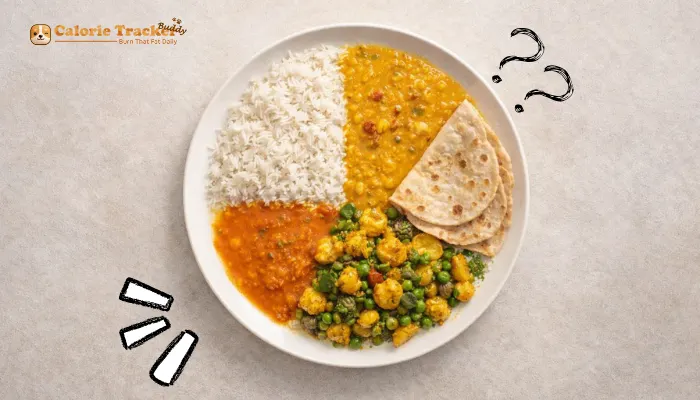
Tracking calories is easy when food comes with a label, but it becomes confusing when you cook homemade meals.
There is no barcode on a bowl of dal, no serving size written on a family curry, and no exact measurement for the oil added halfway through cooking. Portions change, ingredients shift, and by the time the food reaches your plate, estimating calories can feel impossible.
Many people stop tracking at this point. Not because they lack discipline, but because tracking homemade meals feels complicated. Apps often ask for precise measurements. Recipes assume structure. Real kitchens rarely follow strict rules.
The truth is that tracking does not require perfection. It requires a repeatable approach. Once you understand how ingredients contribute to calories, how portions vary, and where hidden calories exist, you can estimate with useful accuracy. This makes calorie tracking sustainable rather than stressful.
If you have wondered how to count calories without measuring every spoon, you are not alone. Mixed dishes, family cooking, and quick improvisation make it harder to track than packaged food. This guide explains how to estimate calories using practical steps that work in everyday life.
You will learn how to break down homemade meals into ingredients, estimate portions visually, manage batch cooking, and log quick meals with basic ingredients without overthinking numbers.
Listen To The Podcast
The Core Principle: Track Ingredients Instead of Recipes
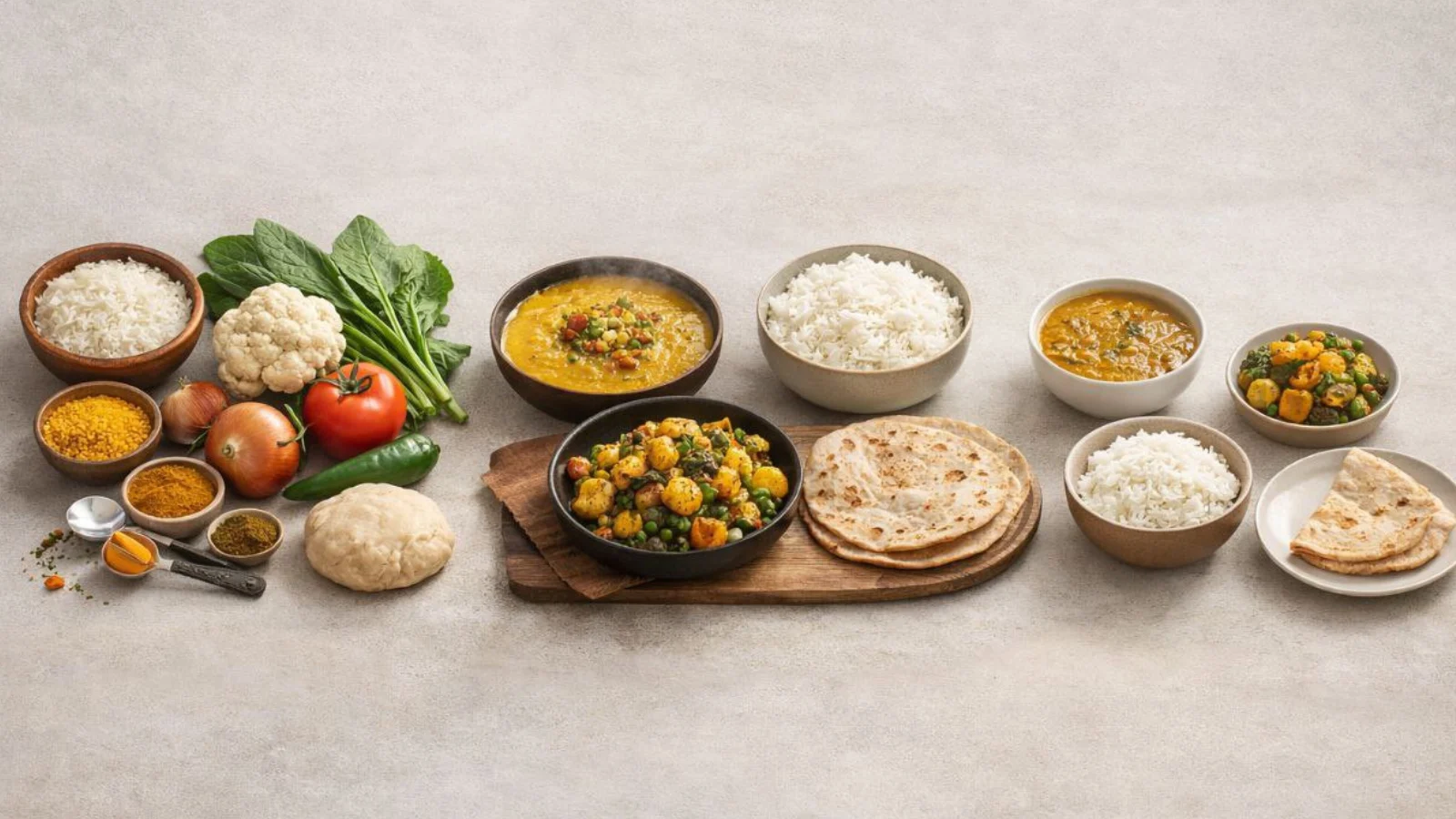
The biggest shift that simplifies tracking is focusing on ingredients rather than dish names.
Recipes assume consistency. Real meals change frequently. When you track ingredients, the process stays flexible even when meals vary.
Thinking in Components
Every plate contains a few core elements. These usually include a grain or base, a protein, vegetables, and fats. By identifying these components, you can estimate calories without searching for an exact recipe.
Building Familiar Patterns
Over time, repeated meals create memory. You start recognizing typical portions such as one cup of rice, one portion of chicken, or one spoon of oil. This reduces effort because you no longer calculate from scratch.
Estimating When You Did Not Cook
Sometimes you eat something prepared by someone else. In these cases, visual identification is enough. Focus on visible ingredients and assign reasonable portions. Prioritise calorie dense elements like oil, grains, and protein.
This approach keeps tracking homemade meals practical rather than overwhelming.
Step by Step Method to Calorie Count Homemade Meals Without Measuring Everything
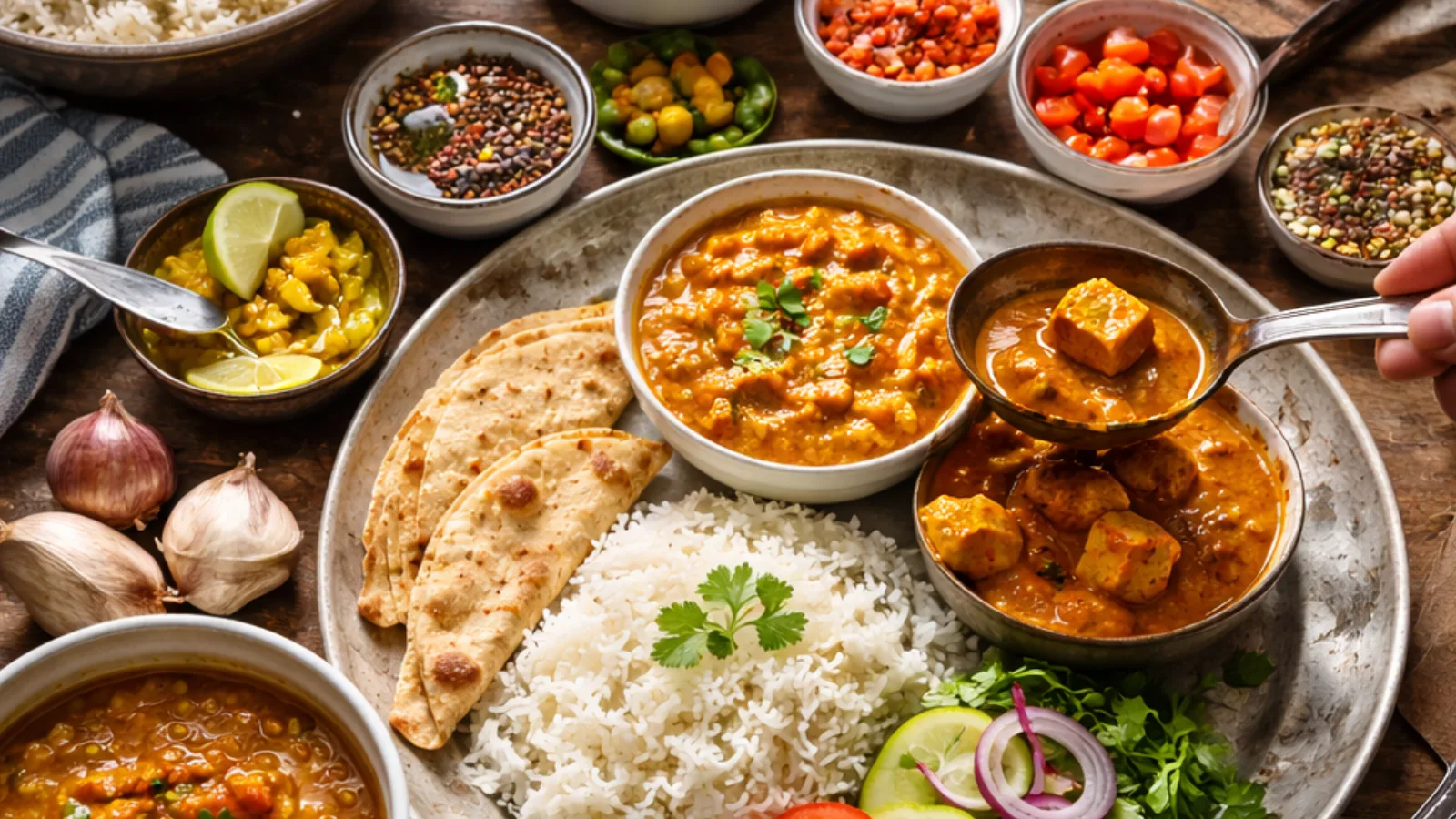
Tracking becomes easier when you follow the same sequence every time. Instead of trying to calculate exact numbers, focus on breaking the meal into simple parts and estimating consistently.
Identify the Main Parts of the Meal
Start by looking at what actually contributes the most calories to your plate. In most home cooked food, this includes a base such as rice or roti, a protein source like paneer, chicken, eggs, or lentils, vegetables, and cooking fat.
You do not need to track spices or very small ingredients. Paying attention to the main calorie sources reduces effort while keeping your estimate useful.
Thinking in parts also helps when meals change slightly from day to day. Even if the recipe is different, the structure of the plate usually stays similar.
Estimate Portions Using Visual References
Once you identify the main parts, assign rough portions using visual cues instead of measurements. A palm sized portion works well for protein, a cupped hand for carbs like rice, and a thumb sized amount for fats. Vegetables often fill the rest of the plate and usually need less attention unless they are cooked in heavy oil.
These visual references make tracking faster because you are not starting from zero each time. After repeating this for a few meals, your estimates become more consistent without extra effort.
Account for Cooking Oil Early
Cooking oil is one of the biggest reasons homemade meals are underestimated. Oil is often added gradually, which makes it harder to notice how much ends up in one serving.
If you are unsure, logging about one tablespoon of oil for your portion is a practical approach. This simple assumption improves accuracy more than trying to guess perfectly. Over time, you start recognizing when meals contain more or less oil and can adjust.
Log the Closest Match Instead of Searching for Perfection
When logging, choose a standard entry that closely matches the meal rather than searching for the exact recipe. A general entry, such as paneer curry, mixed vegetable sabzi, or cooked rice usually provides a reliable estimate when portions are consistent.
Switching between different database entries for the same meal often creates more variation than the food itself. Using similar entries repeatedly keeps tracking stable and easier to maintain.
Divide Batch Meals Into Rough Servings
Large dishes prepared for families or meal prep can be tracked by estimating the total calories of ingredients once and dividing by the number of servings. Even a rough division works well if you use the same assumption each time.
If you did not cook the meal, estimate how much of the dish you ate compared to the whole. Thinking in fractions such as one-quarter or one-third keeps the process simple.
Focus on Consistency Rather Than Exact Numbers
This method works because it removes the pressure to be precise for every plate. You are building a repeatable way to estimate that improves naturally with practice.
After a few weeks, familiar meals require very little thought. What felt like guessing starts to feel structured, and tracking homemade food becomes part of your routine instead of a separate task.
Also Read :
Real Example of Tracking Homemade Meals
Seeing a real scenario helps make the process repeatable.
Consider paneer vegetable curry with rice, a common example:
Ingredients
Paneer, vegetables, oil, gravy base, and rice form the meal.
Estimated Portions
Paneer about 100 g
Vegetables, about one cup
Oil, around one tablespoon for your serving
Gravy base, small portion
Cooked rice, one cup
Approximate Calories
Paneer has about 265 calories
Vegetables have about 80 calories
Oil: about 120 calories
Gravy base about 70 calories
Rice about 200 calories
The total estimate for this type of meal is around 700 to 750 calories.
If the curry was shared between two people, you divide the curry calories and then add rice. This brings one plate closer to 450 to 500 calories.
The important part is the process, not the exact number. Repeating this method builds reliable awareness.
How to Improve Accuracy Over Time With Homemade Meals
Tracking becomes easier with practice.
Save Frequent Meals
Repeated meals can be saved as templates in tracking apps. This reduces daily effort.
Standardise Cooking Oil
Using a consistent amount of oil improves predictability.
Create Portion References
Using the same bowl or plate helps maintain consistency when eating homemade meals.
Understand Error Margins
Calorie estimation for meals typically falls within a small range. Being directionally accurate is enough for progress.
Improvement happens gradually rather than instantly.
Tracking Batch Cooking and Family Homemade Meals
Batch cooking is common; the key is estimating totals once.
Calculate the calories of all ingredients used in the dish. Divide by the number of servings the dish produces. Each portion of homemade meals can then be logged consistently.
For family cooking, observe portion ratios. If you eat roughly one quarter of a dish, log one quarter of the estimated calories. This keeps track of reality.
Common Mistakes When Tracking Homemade Meals
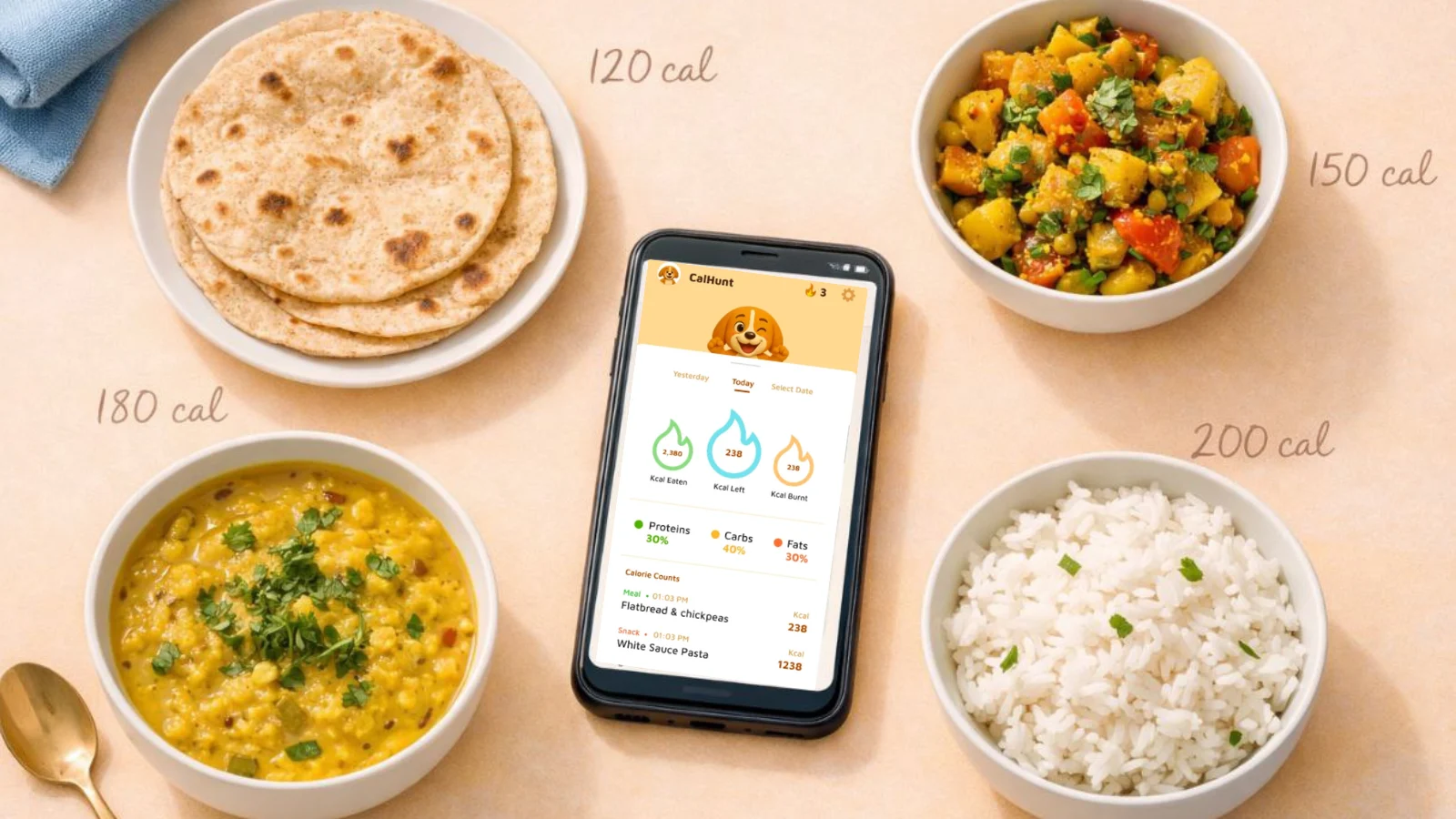
Several habits reduce accuracy.
Ignoring oil
Logging only main ingredients
Overestimating vegetables
Changing database entries frequently
Trying to be perfectly precise
Tracking meals works best when consistency is prioritized over perfection.
Manual estimation builds awareness, but it still requires mental math. This is where tools can reduce friction. Calorie Tracker Buddy approaches homemade meals from a different angle. Instead of debating whether a portion is four or six ounces, you can capture the meal with a photo.
Meet Calorie Tracker Buddy- The Best Calorie Tracking App
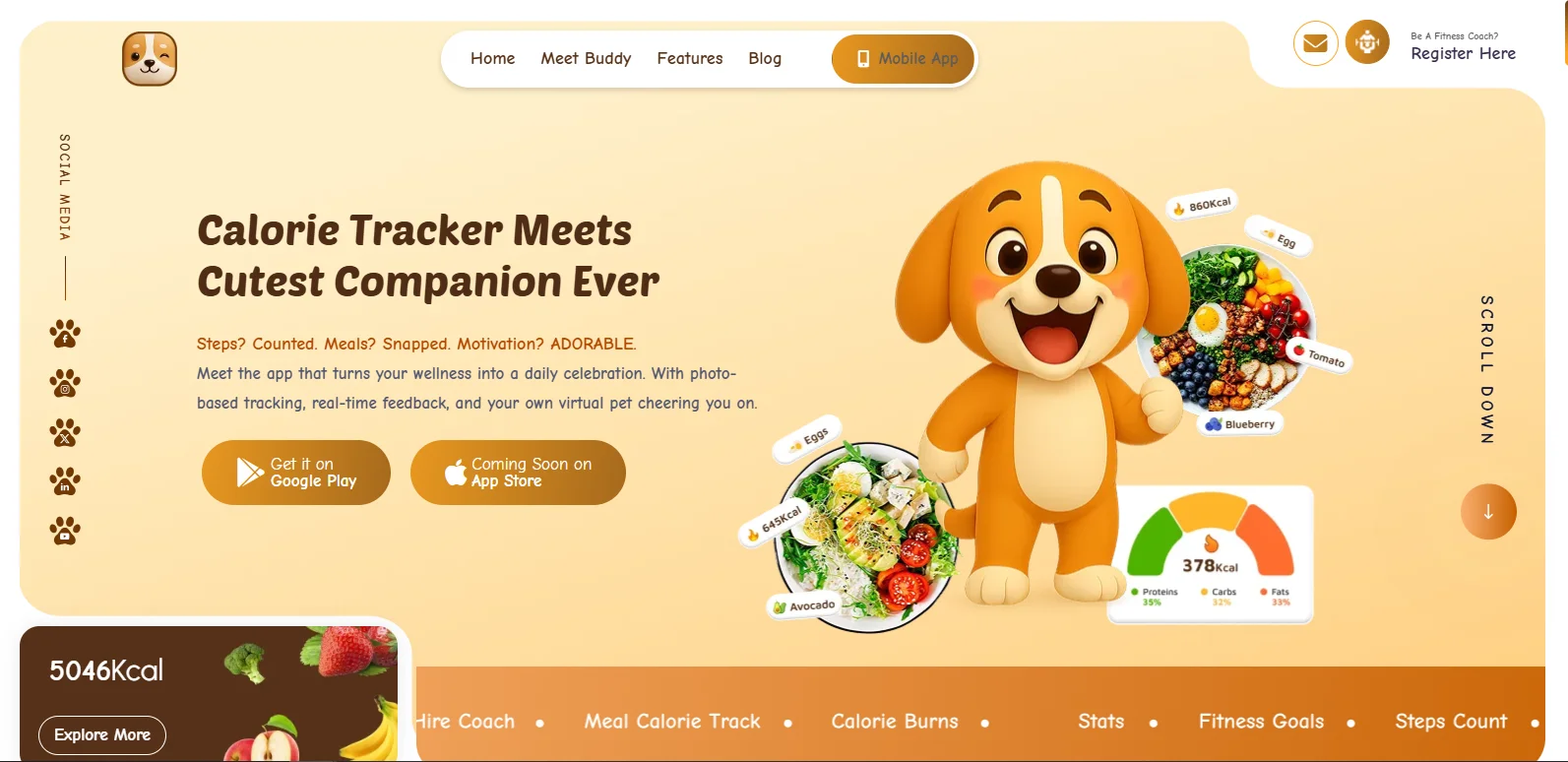
The app uses AI-powered vision to identify visible ingredients and applies depth-based estimation to approximate volume automatically. That data connects to your virtual companion, turning logging into an interactive process rather than a repetitive task. The result is not perfect precision it’s a faster, consistent estimation without needing a food scale or detailed measurements. For people who cook at home regularly, that shift removes one of the biggest barriers to tracking.
Along with smart photo logging, Calorie Tracker Buddy includes several features designed to make nutrition tracking more practical and sustainable:
- Personalized calorie & macro targets based on your goals (fat loss, maintenance, or muscle gain).
- Protein and micronutrient insights so you see not just calories but food quality.
- Habit tracking and streaks to build consistency without pressure.
- Progress dashboards that show weekly trends instead of daily fluctuations.
- Photo logging support for quick entry when typing feels inconvenient.
- Smart reminders that nudge you gently if you forget to log in.
Homemade Meals and Macros vs Calories
Some people focus only on calories, while others track macronutrients. Both approaches work with homemade meals.
Calories determine energy balance. Macros provide insight into protein, fat, and carbohydrate distribution. For most people, calorie awareness is enough. Macros can be added later.
How Homemade Meals Become Easier to Track
The first week of tracking homemade meals feels slow. Within a few weeks, patterns emerge. Familiar portions, repeated ingredients, and saved entries reduce mental effort.
What once felt like guessing becomes structured estimation. This shift makes tracking homemade meals sustainable.
Conclusion
Tracking meals is not about achieving perfect numbers. It is about building a system that works in real life. By focusing on ingredients, recognizing hidden calories, estimating portions visually, and dividing batch cooking logically, you create a repeatable approach.
Over time, it has become easier to track because familiarity replaces uncertainty. Consistent estimation provides meaningful insight into eating habits without requiring strict measurement.
You do not need precision for every plate. You need awareness that you can maintain daily. When tracking becomes simple, it stops feeling like a task and starts supporting long-term health decisions.
FAQ
Should I log raw or cooked ingredients for meals?
If you know the ingredients before cooking, raw ingredients are more consistent. If estimating after cooking, use cooked entries and stay consistent across meals.
How do I track calories in meals at someone else’s house?
Identify visible components, assume a reasonable amount of oil, and log similar homemade meals from a database.
Do cooking methods change calories in meals?
Calories stay similar, but cooking methods influence fat absorption and portion appearance in homemade meals.
How accurate does calorie tracking need to be for homemade meals?
Tracking does not need perfect precision. Consistent estimation within a small range is enough to understand eating patterns and support long-term progress.