


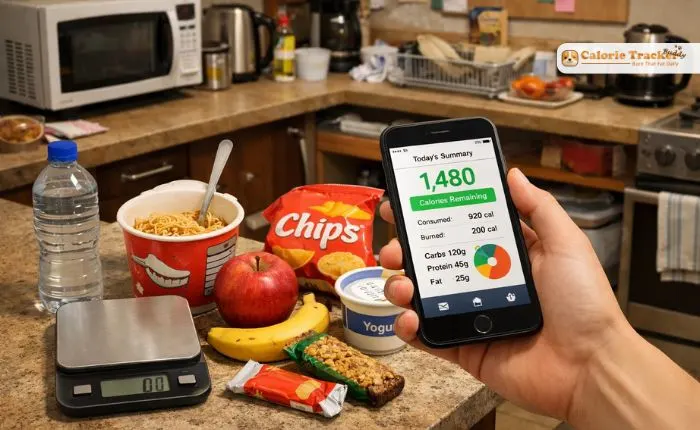
Living in a dorm or hostel is exciting, but it can quietly wreck your eating habits. Between shared kitchens, late-night snacks, and unpredictable meal schedules, staying healthy feels like a challenge. That’s why learning to track calories from day one makes such a big difference.
When you track calories consistently, you stay aware of what you’re eating, even when your environment isn’t exactly nutrition-friendly. You don’t need a fancy kitchen or a personal chef. All you need is the right mindset and the right tools. This guide will walk you through practical, realistic ways to manage your nutrition while living in shared spaces, without stress, guilt, or confusion.
Listen To The Podcast Now!
Why Calorie Tracking Matters In Shared Living Spaces?
Dorm and hostel life often means irregular meals, shared junk food, and zero control over what’s cooked. When you don’t track calories, it becomes easy to eat far more (or far less) than your body actually needs. Studies show that people living in shared accommodations tend to gain weight faster during their first year due to mindless snacking and poor portion awareness.
Learning how to track Calorie Intake helps you understand your body’s needs and make smarter food decisions without obsessing over every bite. It also creates a healthy routine in a lifestyle that often has none. Whether your goal is weight loss, muscle gain, or simply staying energized for long study sessions, awareness is the foundation.
Understanding Your Daily Calorie Needs:
Before you can track calories effectively, you need to know your target. Your Total Daily Energy Expenditure (TDEE) depends on your age, height, weight, gender, and activity level. For most college students, this falls between 1,800 and 2,500 calories per day.
A simple way to estimate yours is by using a TDEE calculator available on most fitness apps. Once you have your number, divide it roughly across three meals and one to two snacks. This gives your day structure, which is something dorm life desperately lacks. Knowing your target also helps you understand how to track calories burned through walking to class, gym sessions, or even climbing stairs; every little bit adds up over a week.
How To Handle Hostel Mess And Cafeteria Food?
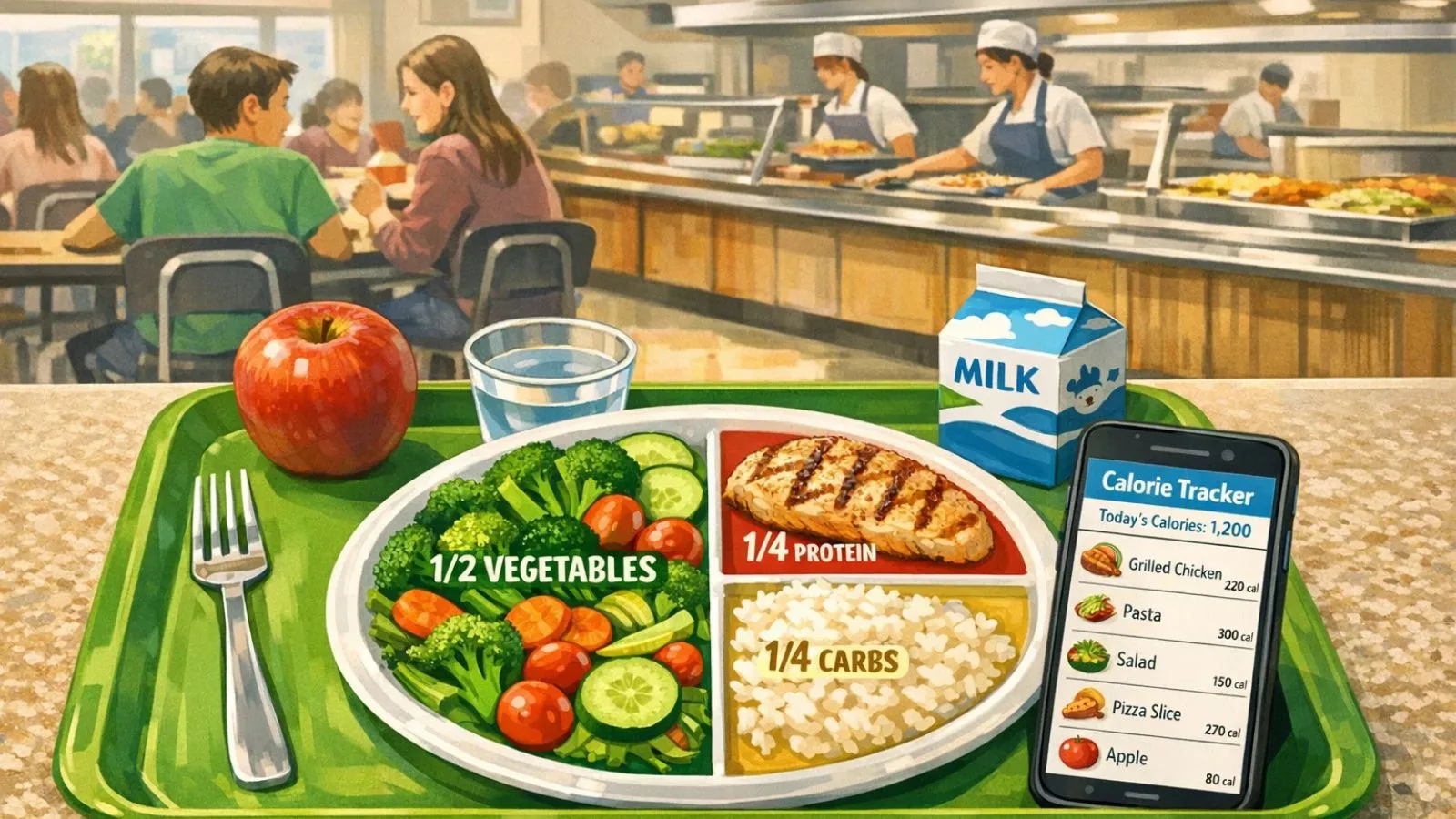
Cafeteria eating is one of the biggest challenges for anyone trying to track calories. The portions are large, the ingredients aren’t listed, and you’re usually hungry and in a hurry. A practical approach is to visually estimate using the plate method: fill half your plate with vegetables, one quarter with protein, and one quarter with carbs.
When learning how to track calorie intake from cafeteria meals, use reference databases in tracking apps that have generic entries for common dishes like rice, dal, pasta, or grilled chicken. Avoid the habit of going back for seconds just because food is included in your meal plan. Being aware of what your plate looks like compared to your daily goal is often enough to make better choices without overthinking it.
Practical Tips To Track Calories In A Dorm Or Hostel:
You don’t need a full kitchen to eat smart. Here’s how to make calorie tracking work in shared living:
- Use photo-based tracking. Modern apps let you snap a picture of your meal and instantly get calorie estimates. This is perfect for hostel food, where you can’t always check ingredients.
- Keep a small food scale or measuring cups. Even a basic digital scale helps you understand how to track calories in food when you’re cooking shared meals or portioning out snacks.
- Plan your snacks. Stock your room with pre-portioned, calorie-labeled items like nuts, protein bars, and fruit. This removes guesswork during midnight hunger pangs.
- Log meals immediately. Don’t wait until bedtime to remember what you ate. Logging in real-time keeps your data honest and your awareness sharp.
- Track your steps. Walking between classes, doing laundry, or heading to the mess hall all count. These daily movements help you understand how to track calories burned throughout an ordinary day without any formal workout.
Building A Simple Calorie Tracking Routine For Students:
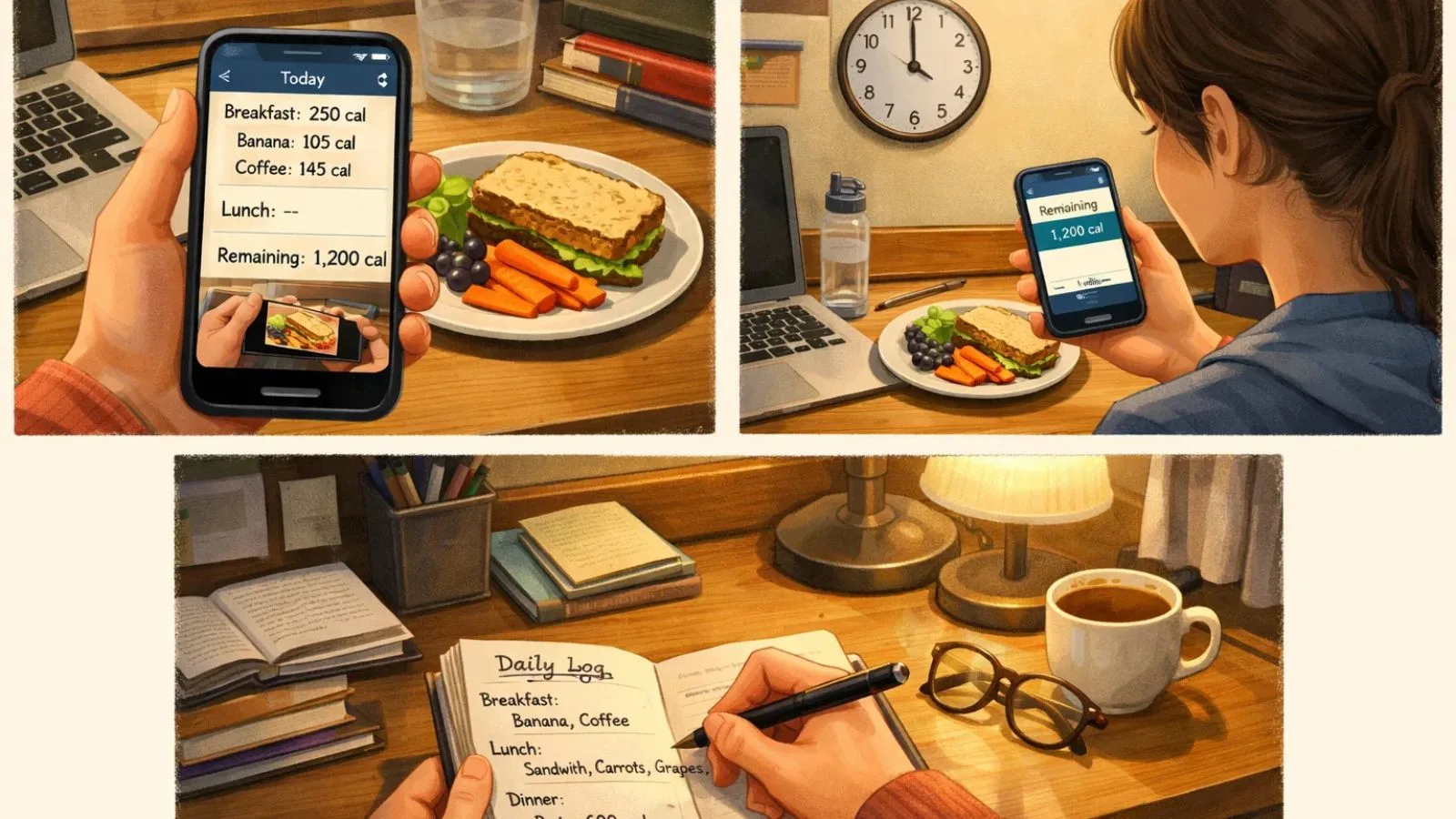
Consistency matters more than perfection. The best routine is one you’ll actually stick to. Here’s a simple daily framework to track calories as a dorm student:
Start your morning by logging your breakfast, even if it’s just a banana and coffee. Use your app to check how that fits your daily goal. At lunch, photograph your meal or quickly search it in your app’s database. Before your evening meal, check how many calories you have left for the day. This prevents overeating at dinner.
At night, spend two minutes reviewing your log. This small habit builds self-awareness over time. On days when you eat out or share food with roommates, use estimations rather than skipping the log entirely. Imperfect data is still useful data. The more regularly you track calories, the more intuitive it becomes.
Also Read:
How To Track Calories In Indian Foods Accurately?
Calorie Intake: How to Track and Optimize for Weight Loss?
Meet Calorie Tracker Buddy, Your Dorm-Life Fitness Partner:
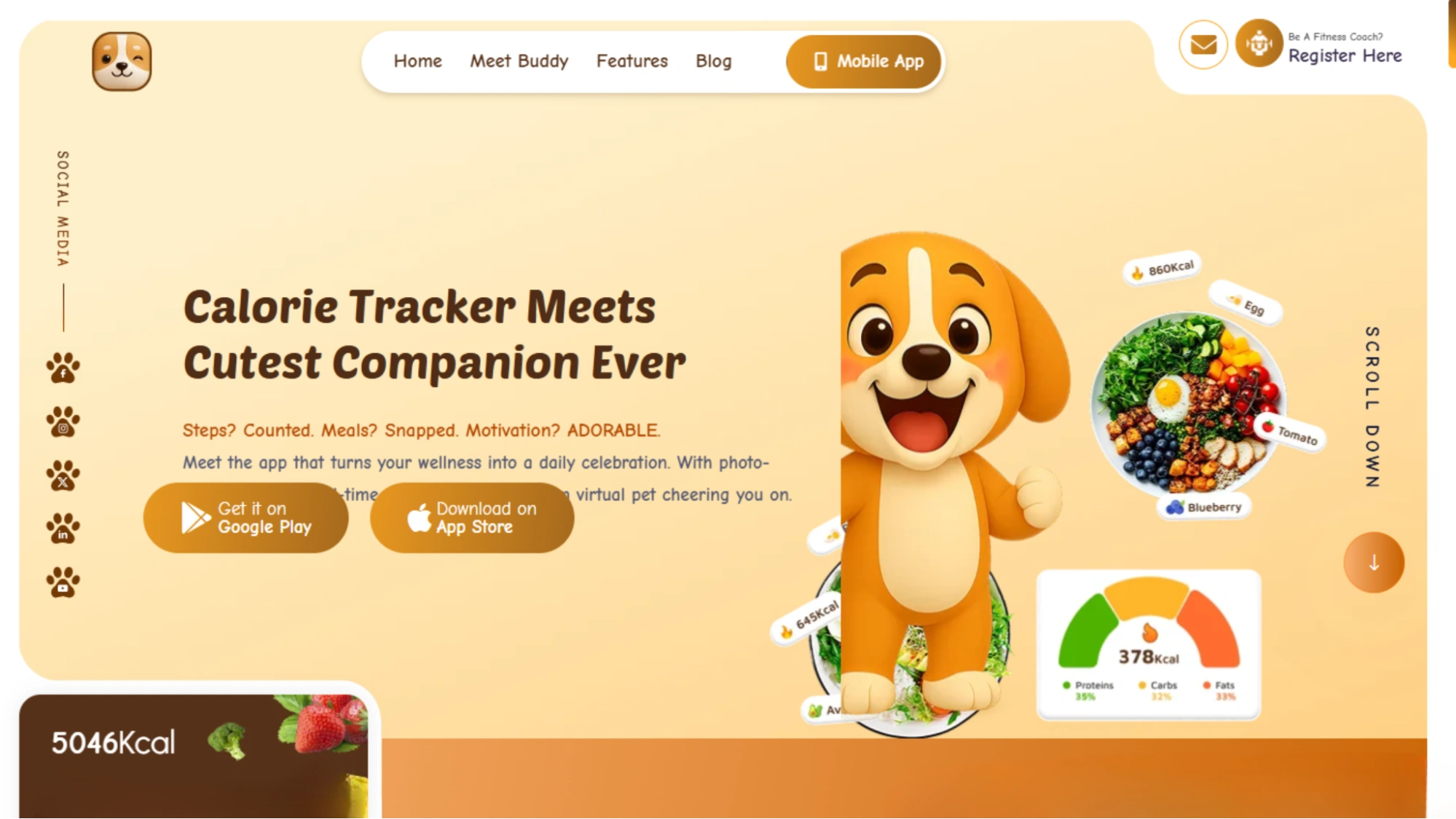
If you want to track calories without the usual app boredom, Calorie Tracker Buddy is worth downloading right now. This app makes calorie tracking genuinely fun with a virtual pet that grows stronger as you make healthier choices. It uses photo-based meal logging, just snap your food and get instant calorie and nutrition feedback.
The app also includes a calorie burn tracker that counts your steps and daily activity, plus goal predictions that show how each meal impacts your progress. You can track macros, water intake, and exercise, all in one place. Whether you’re a complete beginner or someone who’s tried other apps, Calorie Tracker Buddy keeps you motivated, consistent, and actually excited to track calories every day. Available on Google Play and the App Store.
Common Mistakes Students Make When Tracking Calories:
Even motivated students slip up when they first start trying to track calories. The most common mistake is forgetting to log drinks. Juices, sodas, and milk teas can add 300–500 calories to your day invisibly. Another mistake is only tracking on “good” days and abandoning the habit after a binge.
The log doesn’t judge you, it just informs you. Skipping weekends is also a pattern that destroys progress because weekend eating in hostels tends to be the most unpredictable. Some students also underestimate shared portions during group meals.
If you cooked together, divide the total estimated calories by the number of people eating. Knowing how to track calories in food more accurately, even in social settings, helps you stay consistent without isolating yourself from normal college experiences.
Conclusion:
Living in a dorm or hostel doesn’t have to mean giving up on your health goals. With the right habits and tools, it’s completely possible to track calories even in the most unpredictable environments. Start by knowing your daily calorie target, log your meals in real time, and never ignore your drinks or snacks.
Use apps that simplify the process rather than complicate it. Small, consistent efforts always beat occasional perfection. Whether you’re eating cafeteria food or cooking a quick dorm meal, staying aware of what goes into your body puts you in control. Make calorie tracking a daily habit, not a punishment, and your health will follow.
FAQ’s:
Q1: Do I need to track calories every single day?
Ans: Ideally, yes, but tracking even 5 out of 7 days gives you enough data to build better habits over time.
Q2: What if I don’t know the exact calorie count of hostel food?
Ans: Use visual estimation and search for similar generic dishes in your tracking app’s food database. Approximate logging is still far better than no logging.
Q3: Is Calorie Tracker Buddy free to use?
Ans: Yes, you can download Calorie Tracker Buddy for free on both Google Play and the App Store and start tracking immediately.
Q4: How do I track calories burned without going to a gym?
Ans: Walking to class, climbing stairs, and doing daily chores all count. Apps like Calorie Tracker Buddy automatically count your steps and estimate your daily calorie burn.
Q5: Can I track calories while eating out with friends?
Ans: Absolutely. Most tracking apps have restaurant and generic food entries. You can also split estimated calories for shared dishes to keep your log as accurate as possible.