

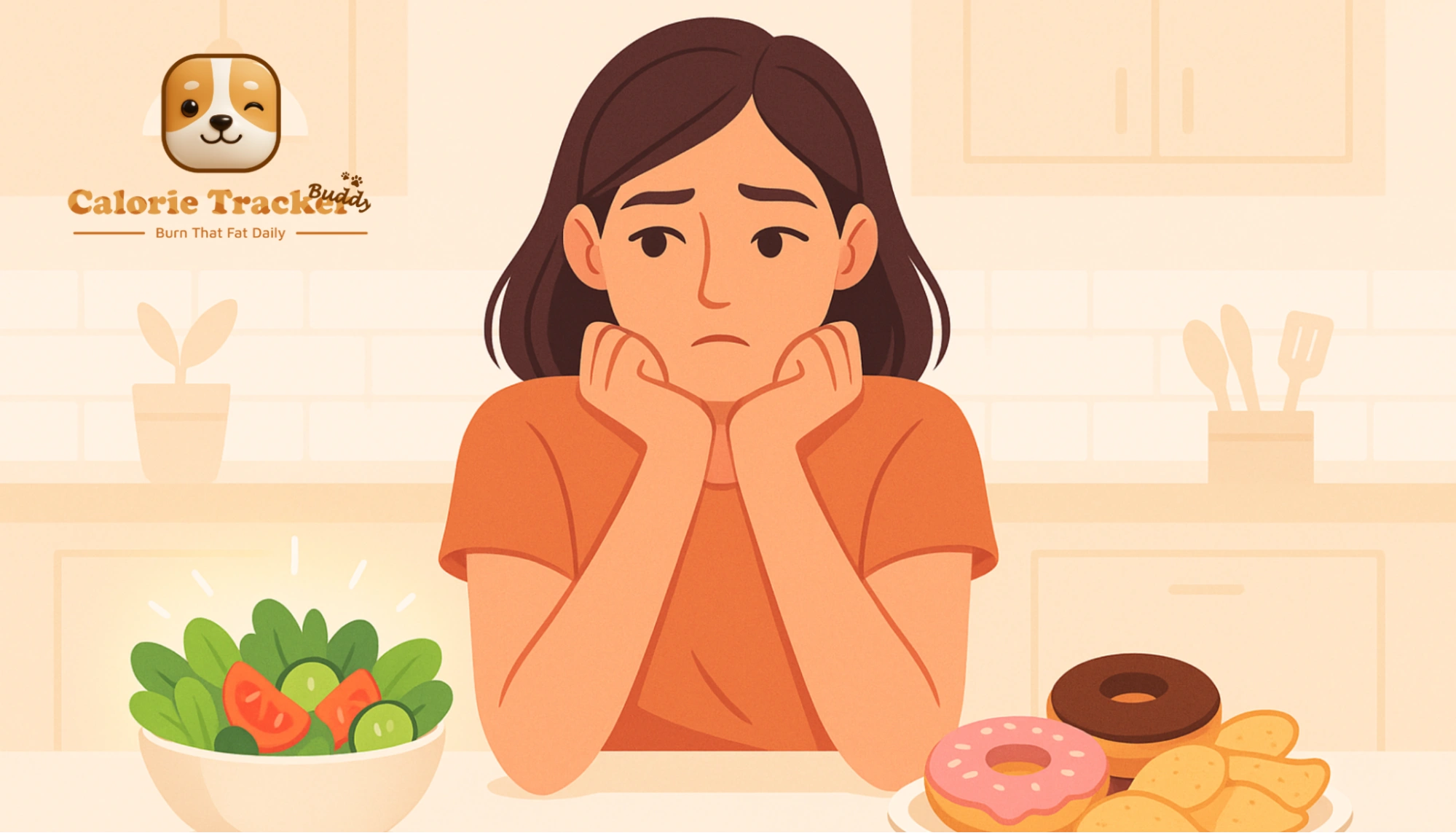
Are you trying to lose weight but keep getting random food cravings? At first, you are eating healthily, and then you are thinking about chocolate, chips, or literally anything in the fridge. It is extremely frustrating, especially when you are trying to lose weight and wonder how to stop food cravings. Food cravings are not just about “no willpower.” Your body and mind are just sending signals, and once you understand them, it becomes much easier to stay in control.
In this guide, we will break down how to stop food cravings for weight loss in a simple, realistic way, without depriving yourself or cutting out everything you love to eat.
Tap to play the audio ↓
What Are Food Cravings And Why Do They Affect Weight Loss?
Food cravings occur when your brain suddenly decides that you need a specific food, even if you just ate. It is not regular hunger. Regular hunger builds slowly, and you are open to different foods.
A craving feels urgent and super specific, like “I want ice cream” or “I need something crunchy.”
So, why does this affect weight loss?
- Cravings usually push you toward high-sugar or high-fat snacks
- They make you eat even when your body doesn’t actually need energy
- Most people don’t just take one bite; it turns into extra calories without noticing
The annoying part is that cravings don’t happen because you’re “weak.” They are triggered by things like:
- stress or boredom
- not eating enough during the day
- scrolling food videos
- lack of sleep
- habits (like always snacking while watching Netflix)
Once you understand how to stop food cravings, it becomes much easier to control them instead of letting them control you.
This guide will show you how to realistically stop food cravings for weight loss so that you do not feel like you are constantly fighting your own brain.
How To Stop Food Cravings Using Simple Nutrition Tips?
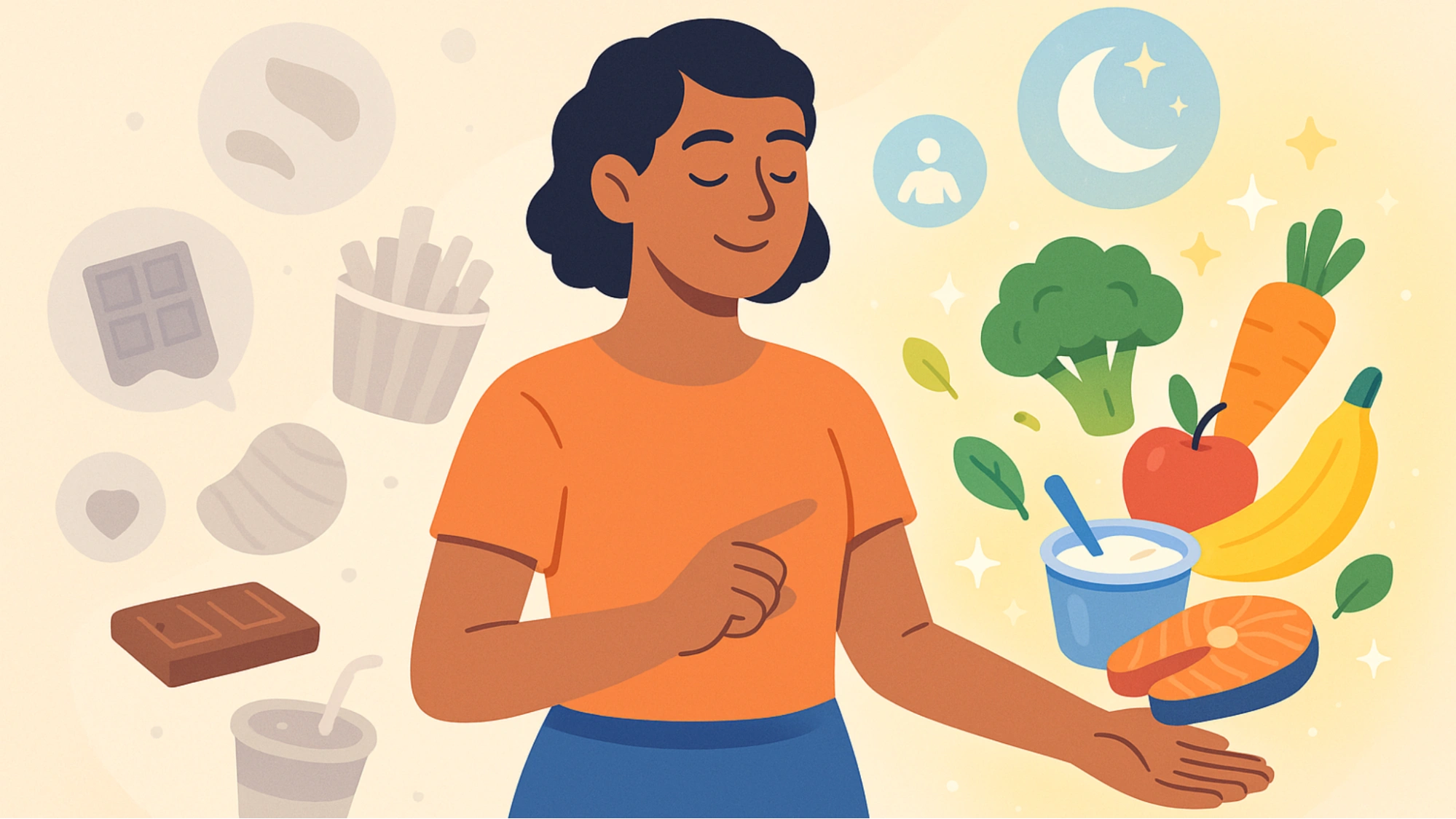
One of the easiest ways to stop food cravings during weight loss is to fix what you eat before cravings even appear.
Most cravings occur because the body is low on energy, or blood sugar levels keep spiking and crashing. These small changes make a huge difference.
Eat More Protein So You Stay Full Longer
high-protein plant-based diet keeps you full and stops random snack attacks.
When your meals mostly consist of brown bread, noodles, or snacks, you keep getting hungry.
Easy protein ideas:
- eggs
- yogurt or paneer
- chicken or fish
- dal, chana, rajma
You can add protein Powder to every meal.
Add Fiber Instead Of Cutting Everything
Fiber slows digestion, so energy levels remain steady instead of spiking.
Simple food swaps:
- Choose whole wheat instead of white
- Add veggies to at least two meals
- Snack on fruit or nuts instead of biscuits
You will feel full without eating more food.
Don’t Skip Meals
Skipping breakfast or eating one large meal a day sounds “healthy,” but it usually backfires.
Your body reacts later, and you start craving quick sugar.
Try:
- 3 normal meals
- 1–2 planned snacks
It keeps your hunger stable and stops nighttime bingeing.
Drink Water Before You Grab a Snack
Sometimes, you think you are hungry, but you are actually just thirsty.
Drink a glass of water and wait for 10–15 minutes.
If you are still hungry, eat something real.

Physical Hunger Vs Food Cravings: How To Tell The Difference
Before attempting to stop food cravings and overthinking how to stop food cravings, you need to know what is actually going on.
Sometimes, you are truly hungry, and sometimes your brain is just bored or stressed and asking for snacks for fun.
How Real Hunger Feels
Real hunger comes slowly and does not demand anything specific.
You are open to eating anything and everything.
The following are signs of real hunger:
- Your stomach is growling
- You feel low energy or tired
- You can focus on food, but not only one food
- Eating a normal meal actually helps
When you are physically hungry, your body needs fuel; therefore, eating is normal and healthy.
How Food Cravings Feel
Cravings hit quickly and feel urgent, like “I need chocolate right now.”
It is more in your head than in your stomach.
Signs it’s a craving:
- You want only one specific food
- It shows up suddenly
- It happens when you’re emotional or bored
- You already ate recently
- The feeling goes away if you wait a little
Cravings usually arise from:
- stress
- seeing or smelling food
- late nights
- scrolling food content
- habits (like snacking every time you watch TV)
Quick 10-Second Check
Ask yourself:
- When did I last eat?
- If it was 1–3 hours ago, it was probably a craving.
- Would I eat a proper meal right now or only chips?
- If the answer is “only chips,” it is a craving.
- Can I wait 10 minutes?
- If yes, it was not an emergency.
Learning the difference makes it easier to stop food cravings for weight loss without feeling like you are constantly fighting yourself.
Stress Eating And Emotional Triggers That Increase Food Cravings
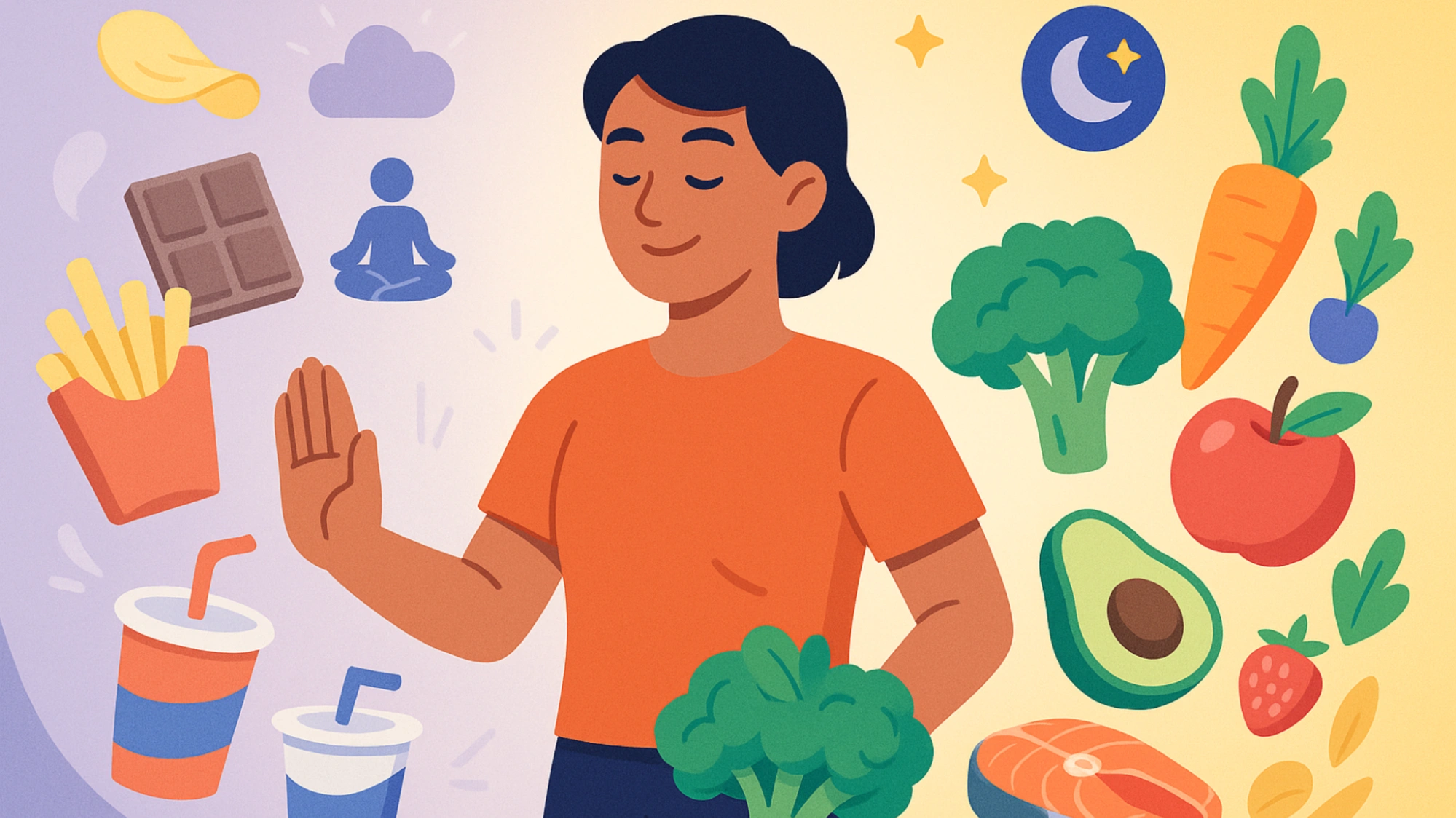
Food cravings sometimes have nothing to do with hunger.
Your brain only wants comfort, not calories.
When you are stressed, sad, bored, or overthinking, your body releases hormones that make you crave snacks, especially sugary or salty ones.
Why Stress Makes You Crave Junk
When stressed, the body releases cortisol.
Cortisol basically tells your brain, “Hey, let’s get quick energy,” which usually means:
- chocolate
- chips
- ice cream
- Brown bread or fried stuff
It is not that you are “weak”; your body is literally trying to calm you down.
Common Emotional Triggers
People do not only eat when they are hungry.
Most cravings occur when you feel:
- bored and scrolling
- anxious about school or family
- lonely or upset
- tired after a long day
- overwhelmed with assignments or exams
You are not craving food; you are craving comfort.

How To Stop Stress Eating Without Cutting Everything
Here are some simple ways to handle cravings when they are emotional, not physical:
1. Pause Before You Eat
Take 10s and ask:
- What am I feeling right now?
- Do I need food or a break?
Sometimes, your brain just wants to rest, not snacks.
2. Switch to a Non-Food Coping Move
Try:
- music
- walk 10000 steps
- journaling for 2 minutes
- calling a friend
- deep breathing (even 5 breaths help)
Distraction is not avoidance; it gives the craving time to pass.
3. Don’t Keep Trigger Foods Everywhere
You do not need to ban them; just make them less easy.
Smart food swaps:
- Keep snacks in a cabinet, not on the table
- Prep healthy stuff that’s ready to grab
- Don’t eat straight from the packet
Small environmental changes = fewer automatic cravings.
You are Not Supposed To Be Perfect
Everyone eats emotionally sometimes — literally everyone.
The goal is not to “never stress eat again,” but to notice it sooner and handle it better.
Learning this makes it easier to stop food cravings for weight loss without feeling guilty or out of control.
Recommended For You
Calorie Tracker Buddy: Best Calorie Counting Apps To Track Your Nutrition
How To Stop Binge Eating At Night Without Extreme Restriction
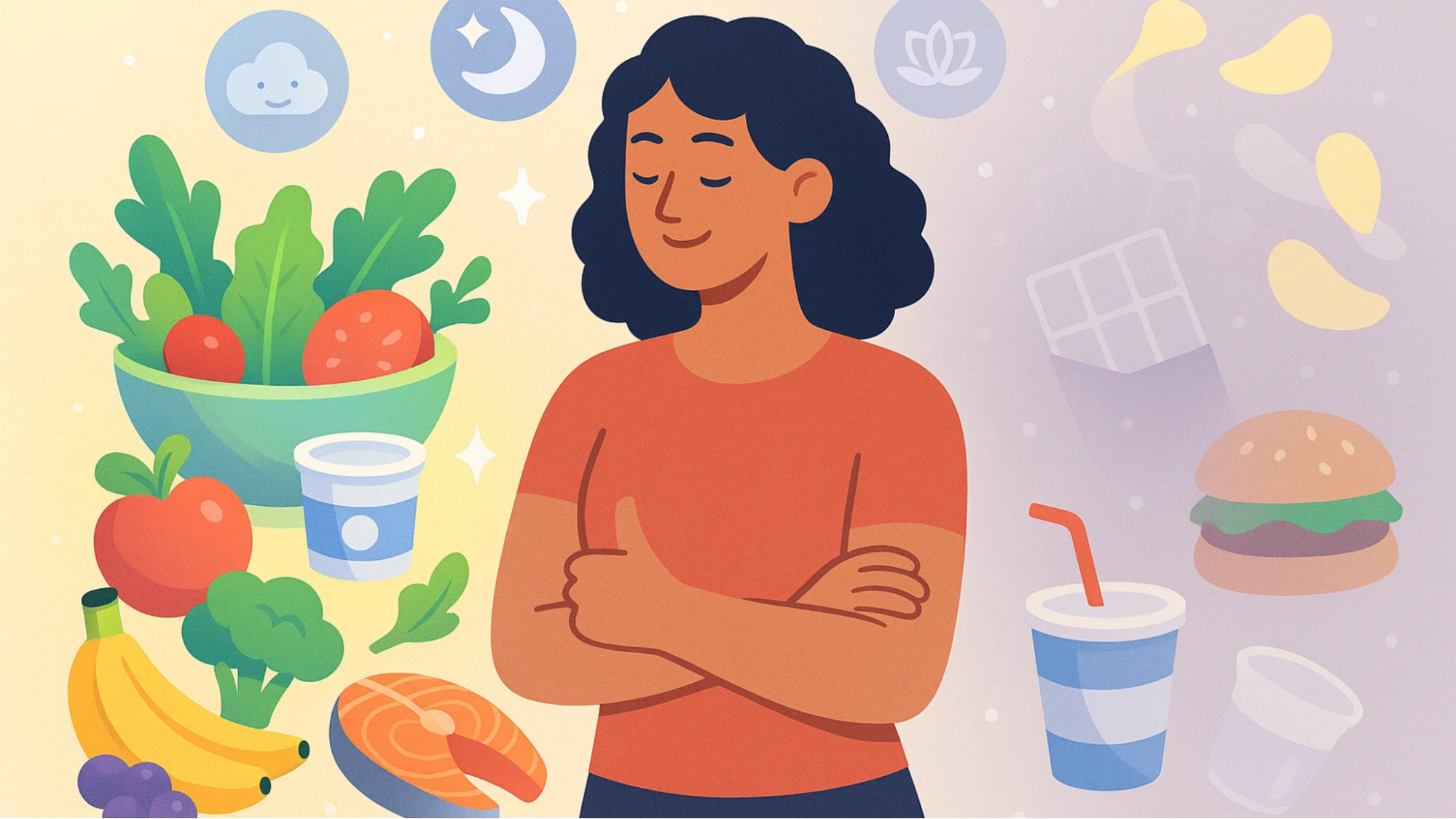
Nighttime is when cravings hit the hardest. During the day, you are busy, but at night, your brain finally slows down, and food feels like the only way to relax.
If you keep snacking after dinner or end up binge eating at night, you are not the only one; it is super common and fixable.
Why Night Cravings Happen
Most late-night eating is not about hunger. It usually comes from:
- barely eating all day
- eating only carbs and no protein
- stress from school or family
- staying up too late
- boredom + Netflix = automatic snacking
- calling food your “reward” for surviving the day
Your body is not asking for food; it is asking for energy and comfort.
Fix the Day to Control the Night
Binge eating at night actually begins much earlier.
Eat enough during the day.
Skipping meals causes your hunger to explode later.
Try:
- high protein breakfast (eggs, yogurt, peanut butter toast)
- Lunch that’s not just snacks
- a balanced evening meal, not only noodles or fries
When your body is not starving, cravings remain calm.
Don’t wait until you’re exhausted.
Late-night fatigue feels like hunger.
If you are yawning, stressed, and scrolling at 1 AM:
- Your brain wants sleep, not snacks
- Go to bed earlier instead of fighting cravings
Make a Simple Evening Routine
You do not need a strict rule, just structure.
Try:
- Set a “kitchen closed” time
- Brush your teeth after dinner
- Drink water or herbal tea
- Keep snacks out of your room
- Pick one activity that relaxes you (music, shower, journaling, Netflix without food)
Small habits beat willpower every time.
Plan a Snack Instead of Losing Control
If you know that you get hungry at night, do not panic; plan for it.
Good options:
- yogurt with fruit
- a banana and peanut butter
- paneer cubes
- warm milk
A planned snack is completely normal and acceptable.
A random binge occurs when you restrict yourself all day.
When You Should Ask for Help
If nighttime eating feels out of control, and you:
- eat large amounts quickly
- feel guilty or ashamed after
- can’t stop even when you are full
It may be more than just cravings.
Talking to a therapist or nutrition professional can actually help, and you are not “broken.”
Stopping binge eating at night is not about being perfect.
It is about eating enough, handling stress, and building routines that make food less tempting.
Use Calorie Tracker Buddy For Weight Loss
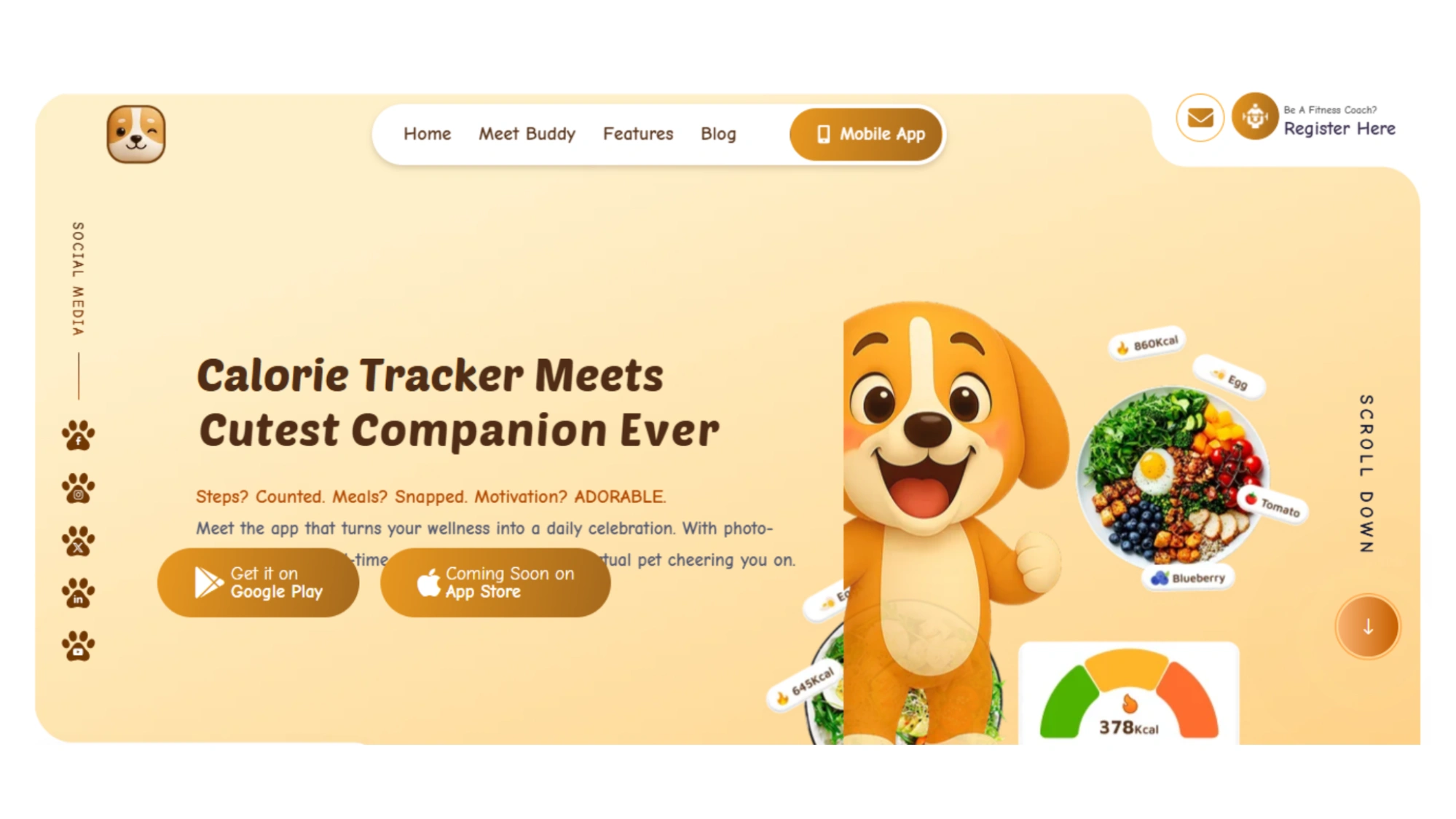
Calorie Tracker Buddy is an easy-to-use tool that helps you keep track of what you eat so you can stay on top of your weight-loss goals.
Instead of thinking about daily calories, it shows you exactly how much you are eating and what changes you need to make. This is for anyone who wants a simple, stress-free method to manage their food choices.
Feature
Daily Calorie Tracking: Enter your meals and instantly see how many calories you have used and how many are left.
Food Database Search: Quickly find common foods and snacks without typing long details.
Meal Logging Made Easy: Add breakfast, lunch, dinner, and snacks in just a few clicks.
Progress Monitoring: See how your eating habits improve over time, so you stay motivated.
Beginner-Friendly Interface: No confusing charts; clean, simple, and perfect for everyday use.
How To Stop Food Cravings With Simple Lifestyle Habits
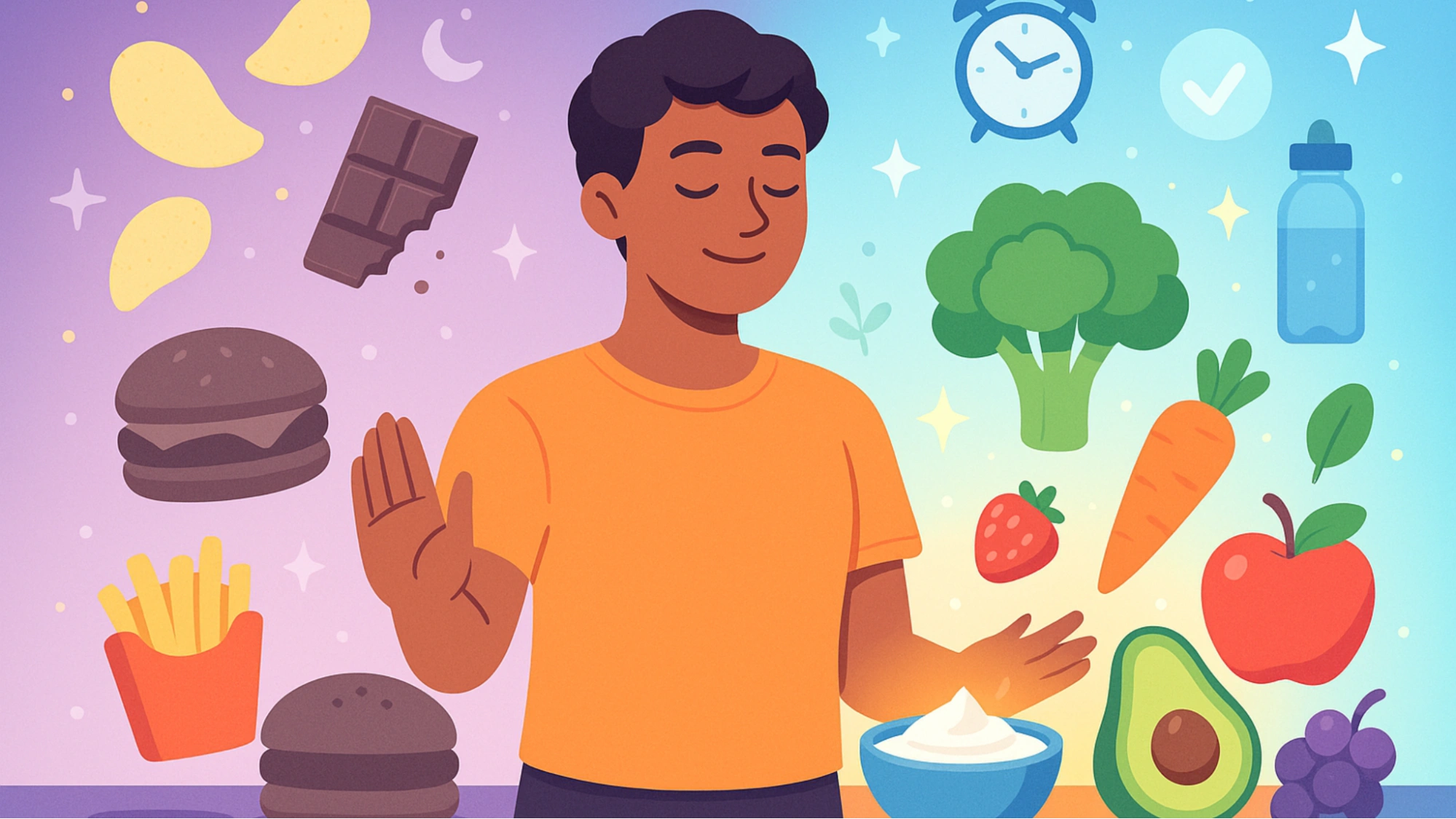
Stopping food cravings for weight loss is not only about what you eat; your daily habits make a huge difference.
When your routine is inconsistent, cravings are more likely to occur. Fix the basics, and suddenly, food feels much easier to control.
Get Enough Sleep (Seriously)
Fatigue can disrupt the balance of hunger hormones.
When you sleep less than 6–7 h:
- You crave more sugar
- You feel hungrier even if you ate
- Your brain wants quick energy, not healthy food
If you are scrolling at 2 AM, of course, you will want snacks.
Try:
- aim for 7–9 hours
- Avoid screens 30 minutes before bed
- Don’t drink caffeine late in the day
Sleep first → cravings drop quickly.
Move Your Body (Doesn’t Need to Be a Workout)
You do not need a fancy gym routine.
Moving your body helps improve your mood and reduces cravings.
Easy ideas:
- a 20-minute walk
- dancing in your room
- cycling with friends
- stretching after school
Movement boosts feel-good hormones, so you are less likely to eat for comfort.
Don’t Keep Trigger Foods in Your Face
You do not need to ban snacks forever; just do not make them too easy.
Try:
- Keep snacks in a cabinet, not your desk
- Store cut fruits or yogurt at eye level
- Don’t eat in your room if possible
Out of sight = less automatic munching.
Reduce Ultra-Processed Foods (Slowly)
Foods such as chips, cookies, and sugary drinks are designed to make you crave more.
You do not have to quit — just balance it out.
Swap:
- soda → flavored water or lemonade
- biscuits → nuts or fruits
- instant noodles → add veggies and protein
Small changes accumulate without the feeling of being on a vegan diet.
Build a Chill Routine
Cravings worsen when your day feels chaotic.
Simple things help:
- Eat around similar times daily
- Don’t skip meals
- Take short breaks instead of stress-snacking
- have a wind-down routine at night
When your life feels more stable, so do your cravings.
Conclusion: You Can Stop Food Cravings Without Feeling Deprived
Food cravings are completely normal, but they do not have to control your weight loss journey.
Once you understand what triggers them, whether it is stress eating, boredom, lack of sleep, or going too long without real meals, it becomes much easier to stay in control instead of constantly fighting yourself.
You do not need extreme diets to figure out how to stop food cravings. Small changes, such as eating enough protein, adding fiber, drinking water, and maintaining a routine, can make a huge difference.
Paying attention to the difference between real hunger and cravings also helps you respond to your body.
If you ever catch yourself asking, “What am I craving and why?”, pause for a moment instead of panicking.
Sometimes, your body needs energy, and sometimes, your mind just needs comfort. Both are valid, and learning to handle them calmly is what works long term.
Nighttime eating is also common, and knowing how to stop binge eating at night starts during the day and not by starving yourself or relying only on willpower.
Eating balanced meals, getting enough sleep, and creating a simple evening routine can prevent late-night cravings from taking over.
The goal is not perfection. It’s progress. With consistent habits and a realistic approach, you can stop food cravings for weight loss without giving up the foods you love or feeling like you are always struggling. Small steps add up, and you are already on the right track.
FAQs About Stopping Food Cravings For Weight Loss
1. Do certain vitamins stop food cravings?
Not directly. Most cravings are linked to habits, stress, and blood sugar changes, not vitamin deficiencies. If you are constantly tired or have unusual cravings, such as ice (called pica), talk to a doctor instead of taking random supplements.
2. Does chewing gum help reduce food cravings?
Yes, for some people. Chewing gum can keep your mouth busy and lower cravings for sweet snacks for a short duration. Do not use it as your only strategy, and choose sugar-free gum if you try it.
3. Are food cravings normal during menstruation?
Totally normal. Hormonal changes can increase cravings for carbohydrates and sweets. Eating more protein, staying hydrated, and not skipping meals can help, but you should not feel guilty for craving extra comfort foods during your cycle.
4. Do artificial sweeteners worsen food cravings?
This depends on the individual. Some people find that very sweet, zero-calorie drinks make them want more sugary foods later, while others do not notice any difference. The best approach is to pay attention to how the body reacts.