



A week of binge eating can leave you feeling physically uncomfortable and emotionally drained. You may notice bloating, fatigue, mood swings, or guilt that seems hard to shake. The good news is that one difficult week does not undo your long-term progress. Your body is resilient, and your habits can shift back into balance faster than you think.
This guide will help you reset your routine, rebuild trust with food, and move forward with confidence. Instead of extreme restriction or punishment, you will learn how to take steady, healthy steps toward recovery.
Hit ‘Play’ Button & Tune Into The Blog!
What Happens During Binge Eating?

Binge eating often feels like losing control around food. It may involve consuming large amounts of food quickly, even when you are not physically hungry. Emotional triggers, stress, sleep deprivation, strict dieting, and even using food as reward commonly fuel uncontrolled eating episodes.
When uncontrolled eating continues for several days, your body reacts. Blood sugar levels fluctuate, digestion slows, and inflammation may increase. Mentally, you might experience shame or frustration. However, the most important thing to understand is this: your body responds to consistency, not perfection.
Instead of focusing on what went wrong, shift your attention to what you can do today.
14 Practical Steps To Reset After Binge Eating
Getting back on track after binge eating does not require extreme dieting or punishment. It requires structure, self-compassion, and simple daily actions that restore balance. Follow these practical steps to rebuild healthy habits, stabilize your appetite, and regain confidence in your routine.
Step 1: Drop the Guilt Immediately:
Guilt keeps the uncontrolled eating cycle alive. When you feel ashamed, you may try to restrict your food intake. That restriction increases cravings and often leads to another episode of binge eating.
Break the cycle by choosing self-compassion. One week does not define your health. It does not erase months of balanced choices. You are not “starting over.” You are simply adjusting.
Speak to yourself the way you would speak to a friend. That mental shift alone can reduce the urge to binge again.
Step 2: Do Not Skip Meals:
After uncontrolled eating, many people attempt to “compensate” by skipping meals. This strategy backfires. Skipping meals lowers blood sugar and intensifies cravings later in the day.
Instead, return to structured eating:
- Eat three balanced meals
- Include protein in each meal
- Add fiber-rich vegetables
- Drink enough water
Regular meals stabilize hunger hormones and reduce the risk of another uncontrolled eating episode.
Step 3: Hydrate and Rebalance:
A week of binge eating often means high sodium and processed foods. Your body may retain water and feel bloated. Do not panic.
Increase water intake gradually. Add potassium-rich foods like bananas, spinach, and yogurt. Focus on whole foods without forcing detox routines. Your liver and kidneys already detox your body efficiently.
Hydration improves digestion and energy levels within days.
Also Read:
Step 4: Move Your Body Gently:
After uncontrolled eating, intense workouts may feel tempting. Many people exercise excessively to “burn off” calories. This mindset reinforces punishment.
Choose movement that feels supportive:
- Walking outdoors
- Light strength training
- Yoga or stretching
- Dancing at home
Gentle activity improves mood, reduces stress hormones, and rebuilds a healthy connection with your body.
Step 5: Identify the Trigger:
Binge eating rarely happens without a trigger. Ask yourself:
- Were you stressed?
- Did you restrict calories earlier?
- Were you bored or lonely?
- Did poor sleep affect your appetite?
Understanding patterns helps you build awareness. If stress caused uncontrolled eating, work on stress management. If restriction triggered it, avoid extreme dieting.
Self-awareness transforms long-term habits.
Step 6: Rebuild Structure With Tracking:
One practical way to regain clarity after uncontrolled eating involves mindful tracking. Tracking does not mean obsession. It means awareness.
When you understand what you eat and how it affects your body, you reduce uncertainty. You gain control without restriction.
This is where smart tools can help.
If you struggle with binge eating and want structure without rigidity, digital tracking can support your reset. Tools like Calorie Tracker Buddy simplify the process and remove guesswork.
Instead of manually calculating every calorie, you can scan meals quickly and receive instant feedback. This approach helps you stay aware of portions and nutrients without overthinking.
Tracking can become a form of accountability rather than punishment.
How To Stop Binge Eating Without Extreme Dieting?

Many people search for ways to understand how to stop binge eating, but the answer rarely lies in strict rules. Sustainable change focuses on balance, not elimination. Sometimes the trigger is external, a social setting, emotional pressure, or even a persistent food pusher encouraging you to eat more than you planned.
Follow these principles:
- Eat consistently.
- Avoid labeling foods as “good” or “bad.”
- Prioritize protein and fiber.
- Sleep at least seven hours.
- Manage stress daily.
When your body feels nourished, cravings decrease naturally.
Step 7: Focus on Protein and Fiber:
Protein increases satiety. Fiber improves digestion and stabilizes blood sugar. After uncontrolled eating, balanced meals reduce the urge to overeat again.
Include:
- Eggs or Greek yogurt for breakfast
- Lentils or chicken for lunch
- Vegetables and whole grains for dinner
This balance supports metabolic recovery and reduces future binge eating risk.
Step 8: Avoid the “All or Nothing” Trap:
One of the biggest triggers for uncontrolled eating is perfectionism. If you eat one unplanned snack, you may think the day is ruined. That mindset leads to overeating.
Replace that thought with flexibility. One snack does not require an entire day of excess. Consistency over weeks matters more than one imperfect choice.
Step 9: Strengthen Your Environment:
Your environment influences binge eating patterns. Keep nutritious foods visible. Store trigger foods out of sight. Avoid grocery shopping while hungry.
Prepare simple meals in advance. When healthy options feel convenient, decision-making becomes easier.
Also Read:
Small environmental changes reduce mental effort.
Step 10: Manage Emotional Hunger:
Emotional hunger feels urgent. Physical hunger builds gradually.
If you suspect emotions drive uncontrolled eating, pause for five minutes before eating. Drink water. Take a short walk. Journal briefly.
If you still feel hungry afterward, eat mindfully. That pause builds awareness without restriction.
How Calorie Tracker Buddy Supports Your Reset?
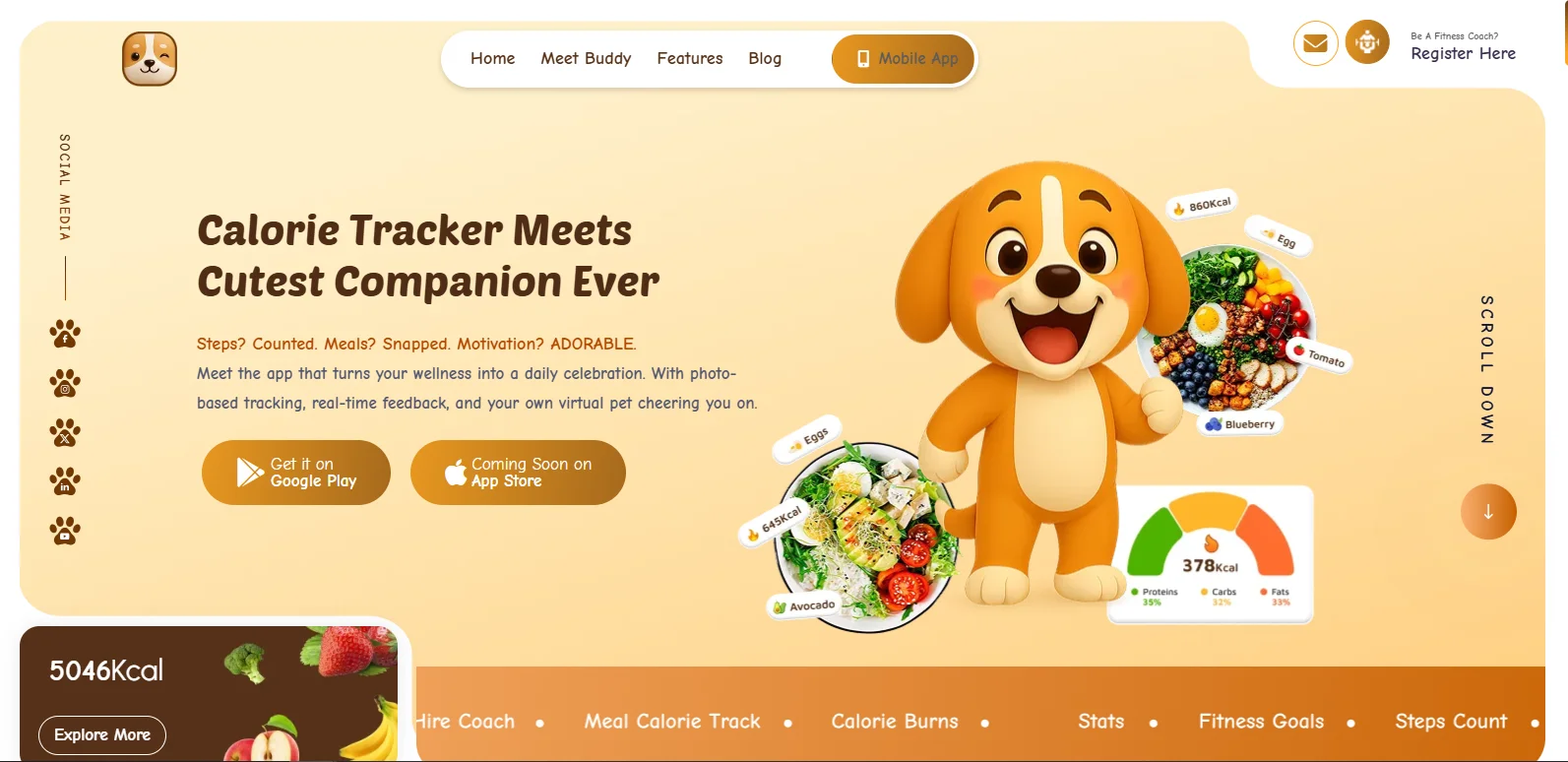
When recovering from binge eating, clarity matters. Calorie Tracker Buddy offers features that simplify your journey without overwhelming you.
Snap the Meal:
Use your camera to scan food instantly. The app analyzes calories, nutrients, and balance. You receive fast feedback without manual entry.
Calorie Intake Tracker:
Log what you eat in seconds. The app calculates how each meal fits your goals. This insight prevents accidental overeating and supports mindful choices.
Calorie Burn Tracker:
Track daily activity automatically. From workouts to daily chores, your calorie burn updates in real time. You gain a clear view of energy balance without guesswork.
Goal Predictions:
Curious about progress? The app shows how meals and snacks influence your journey. That forward-looking feedback helps prevent uncontrolled eating decisions driven by emotion.
Buddy Motivation:
Your virtual pet grows with healthy habits. Each positive action reinforces consistency and builds encouragement rather than shame.
Social Sharing:
Share meals, streaks, and milestones with friends. Community support can reduce isolation, which often contributes to uncontrolled eating episodes.
By combining awareness, motivation, and gentle accountability, Calorie Tracker Buddy creates structure without extreme dieting.
Step 11: Prioritize Sleep:
Sleep deprivation increases hunger hormones like ghrelin and reduces fullness signals. After uncontrolled eating, prioritize seven to nine hours of quality sleep.
Create a bedtime routine:
- Reduce screen time
- Keep your room cool
- Avoid caffeine late in the day
Better sleep stabilizes appetite and mood quickly.
Step 12: Give Your Body Time:
A week of binge eating may cause temporary weight fluctuations. Most of that gain involves water retention and glycogen storage, not fat.
Avoid daily weigh-ins during your reset week. Focus on habits instead. Within several days of balanced eating, bloating often decreases naturally.
Trust the process.
Step 13: Consider Professional Support:
If uncontrolled eating feels frequent or uncontrollable, speaking with a registered dietitian or therapist can help. Professional guidance supports uncontrolled eating recovery in a structured, evidence-based way.
Therapy can uncover emotional triggers. Nutrition counseling can build sustainable meal plans. You do not need to manage everything alone.
Step 14: Build a Long-Term Mindset:
Recovery does not mean perfection. It means resilience. You may experience occasional overeating again. That does not erase progress.
Long-term success requires:
- Consistent meals
- Gentle movement
- Adequate sleep
- Emotional awareness
- Realistic expectations
uncontrolled eating loses power when you respond with structure instead of shame.
A Realistic 7-Day Reset Plan
To simplify your restart after binge eating, follow this structured yet flexible 7-day outline. The goal is not restriction, but restoring balance, stabilizing hunger cues, and rebuilding confidence in your routine.
Day 1–2: Rehydrate and Rebalance:
Focus on drinking plenty of water to reduce bloating and support digestion. Eat three balanced meals with protein, fiber, and healthy fats. Avoid skipping meals. Add a 20–30 minute walk each day to improve circulation and mood without stressing your body.
Day 3–4: Rebuild Strength and Improve Sleep:
Introduce light strength training or bodyweight exercises to reactivate your muscles and boost metabolism. Keep workouts moderate. Prioritize 7–9 hours of quality sleep to regulate hunger hormones and reduce cravings.
Day 5–6: Plan and Prepare:
Meal prep simple, protein-rich foods such as grilled chicken, lentils, boiled eggs, chopped vegetables, and whole grains. Having ready-to-eat balanced meals reduces impulsive choices and lowers the risk of another uncontrolled eating episode.
Day 7: Reflect and Adjust:
Review your week. Identify emotional or situational triggers that contributed to uncontrolled eating. Adjust your schedule, stress management habits, or meal timing if needed. Set realistic goals for the upcoming week.
Throughout the reset, use tools like Calorie Tracker Buddy to monitor your intake, track activity levels, and stay aware of progress. Consistency during these seven days builds momentum that carries into long-term healthy habits.
Final Thoughts
A week of binge eating does not define your health journey. It reflects a moment, not your identity. Your body can rebalance quickly when you provide consistency and care.
Release guilt. Return to structured meals. Move gently. Sleep deeply. Track progress wisely.
With awareness, balance, and supportive tools, you can step out of uncontrolled eating patterns and rebuild confidence in your choices.
If you want a simple and motivating way to stay consistent, Calorie Tracker Buddy can help you monitor meals, track activity, and stay aligned with your goals in a stress-free way.
Progress comes from patience, not punishment.

FAQs
How long does it take to feel normal after overeating for a week?
Most people notice reduced bloating and better energy within a few days of returning to balanced meals, proper hydration, and consistent sleep. Your body responds quickly when you provide structure and regular nourishment.
Should I restrict calories to make up for overeating?
No. Extreme restriction often increases cravings and leads to another cycle of overeating. Focus on balanced meals with protein, fiber, and healthy fats instead of cutting calories aggressively.
Is temporary weight gain after uncontrolled eating permanent?
In most cases, short-term weight changes come from water retention and increased glycogen stores, not body fat. Once you return to regular eating patterns, your body gradually stabilizes.
Can tracking food help prevent future episodes?
Yes, mindful tracking can increase awareness and reduce impulsive decisions. The key is to use tracking as a guidance tool rather than a form of punishment or obsession.