



The holiday season brings joy, family dinners, desserts, and long conversations around the table. It also brings a serious challenge for anyone who wants to protect progress. Many people struggle with how to stay in a Deficit During the Holidays, especially when food sits at the center of every celebration.
It is not necessary to follow strict guidelines in order to achieve a caloric deficiency during the holiday season. You simply need a plan of action as well as an understanding of what you can do or cannot do to achieve success in this regard. By following this guide, you will be able to maintain a caloric deficiency throughout the holiday season without any unnecessary stress, guilt, or excessive food anxiety. With the right attitude and knowledge as to how to maintain a caloric deficit, you will have no problem enjoying Thanksgiving, celebrating Christmas, and still achieving your goals.
Listen To The Podcast Now!
Why Staying In A Calorie Deficit Feels Hard During The Holidays?
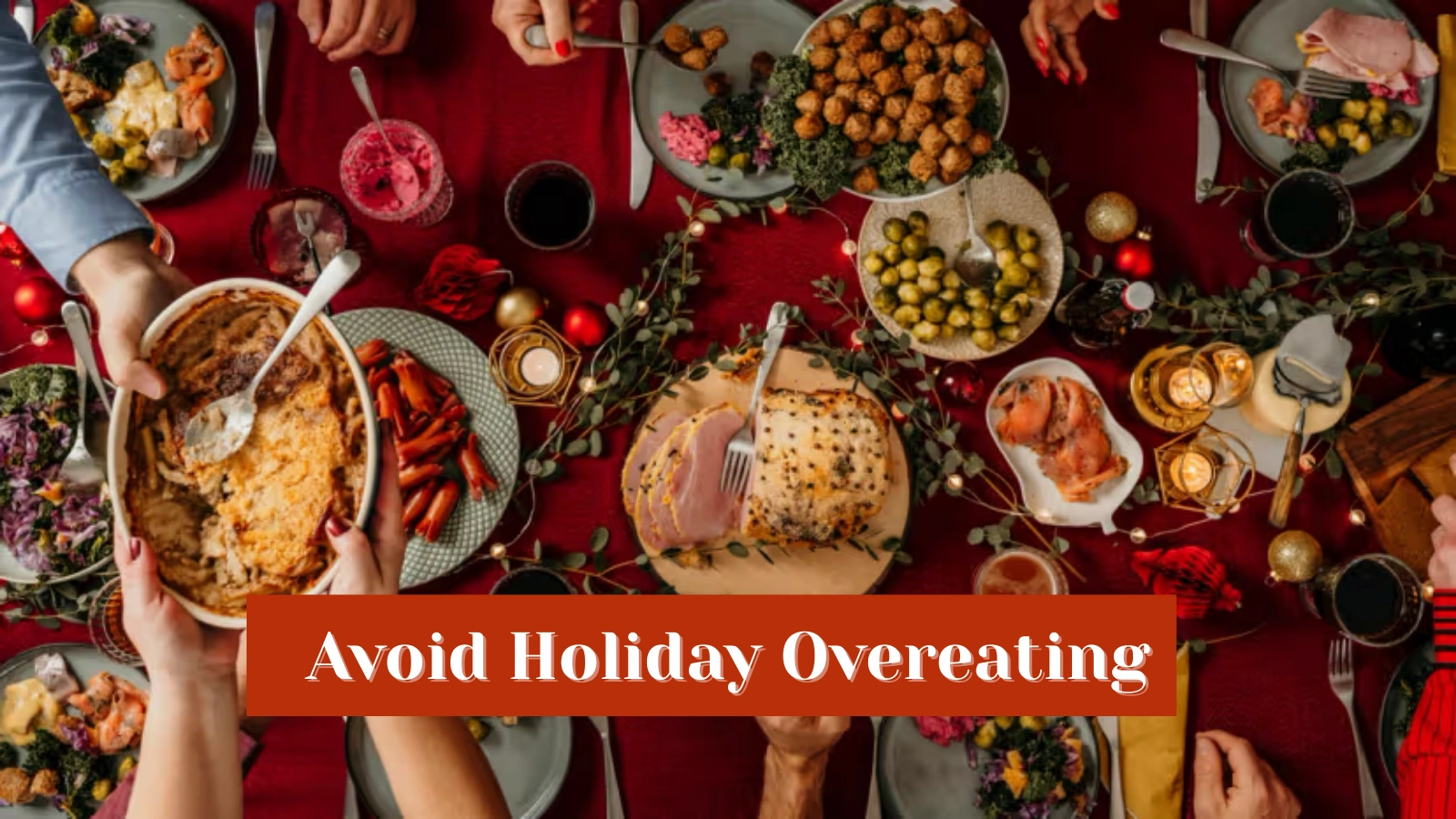
Holiday celebrations surround you with rich food, social pressure, and emotional triggers that challenge even the strongest calorie-deficit goals.
Emotional Eating & Festive Mindset
Holidays connect food with comfort, nostalgia, and reward. You see your favorite dishes once a year, so you tell yourself, “I deserve this.” That mindset makes How to Stay in a Deficit During the Holidays feel impossible.
Emotions drive choices more than hunger does. Stress, excitement, and celebration push you toward larger portions. When you understand this pattern, you gain control.
Social Pressure & Family Traditions
Family members encourage second servings. Friends insist you try every dessert. Traditions revolve around food. Social pressure can derail even the most disciplined person.
When you learn how to stay in a Deficit During the Holidays, you must prepare for these situations in advance. A polite “I’m good for now” protects your progress more than you think.
The “I’ll Start in January” Trap
Many people pause their goals in November and promise a reset in January. That delay leads to six weeks of surplus calories. Instead of damage control later, focus on how to stay in a Deficit During the Holidays now.
Small, consistent control beats a massive restart.
Understanding Weight Loss Holidays: Is It Even Possible?
Balancing celebration and progress may feel impossible, but weight loss holidays become realistic when you use strategy, structure, and self-control.
What “Weight Loss Holidays” Really Mean
The phrase Weight loss holidays does not mean restriction or isolation. It means balance. You can celebrate and still protect your deficit.
Many people believe fat loss must stop in November. That belief lacks truth. Smart structure allows progress year-round.
Why You Don’t Need to Skip Celebrations
You do not need to avoid parties. Social connection supports mental health. Learning how to stay in a Deficit During the Holidays means attending events with a plan, not fear.
Eat with intention. Choose favorites. Skip random extras.
The Difference Between Maintenance and Surplus
Maintenance keeps weight stable. Surplus adds weight. Most holiday gain comes from consistent surplus, not one meal.
If you apply How to Stay in a Deficit During the Holidays correctly, you either maintain or stay slightly below maintenance across the week.
Smart Strategy vs Strict Dieting
Strict dieting backfires. You feel deprived, then overeat. Strategy works better. Flexible planning defines success during Weight loss holidays.
Thanksgiving Dieting Without Feeling Miserable
You can enjoy Thanksgiving dinner, protect your progress, and stay satisfied when you approach dieting with balance and a clear plan.
Plan Before the Big Meal
Successful Thanksgiving dieting starts before you sit at the table. Review the menu. Decide what matters most. Allocate calories accordingly.
Planning defines how to stay in a Deficit During the Holidays.
Protein-First Approach
Start with turkey or lean protein. Protein controls hunger and supports muscle retention. When protein fills your plate first, you reduce the urge for excess starch.
Smart Portion Control Tips
Use smaller servings. One scoop instead of three. Taste everything, overfill nothing. Portion control plays a central role in How to Stay in a Deficit During the Holidays.
Managing Desserts Strategically
Choose one dessert you truly love. Skip the rest. Enjoy slowly. You do not need every pie.
During Thanksgiving dieting, satisfaction matters more than volume.
Avoid the Post-Thanksgiving Guilt Spiral
One higher-calorie meal does not erase months of discipline. Guilt leads to more overeating. Control your next meal. Resume structure immediately.
That mindset strengthens your ability to master how to stay in a Deficit During the Holidays.
Christmas Calorie Counting Made Simple
Christmas meals feel overwhelming, but simple portion awareness and smart swaps make calorie counting easy and stress-free.
Estimate Portions Without Obsessing
You do not need perfection. Estimate visually. Focus on balance. Christmas calorie counting works best with calm judgment, not anxiety.
Swap High-Calorie Ingredients Smartly
Choose roasted vegetables instead of creamy sides. Select lean cuts of meat. Small swaps protect your deficit.
Liquid Calories: The Hidden Holiday Trap
Cocktails, soda, and specialty drinks add silent calories. Liquid sugar destroys progress fast. During Christmas calorie counting, track beverages carefully.
Balance Indulgence With Movement
A brisk walk after dinner improves digestion and burns extra calories. Movement supports your effort in How to Stay in a Deficit During the Holidays.
Enjoy Traditions Without Sabotage
You can enjoy family recipes without excess. Keep portions controlled. Focus on connection, not constant refills.
Avoid Holiday Overeating With These Proven Strategies

Holiday feasts tempt everyone, but clear strategies and mindful choices help you control portions and protect your calorie goals.
Don’t Arrive Starving
Eat a balanced meal before events. Arriving hungry leads to loss of control. Preparation helps you avoid holiday overeating.
Use the 80/20 Approach
Eat nutrient-dense meals most of the day. Leave room for treats later. This simple system supports How to Stay in a Deficit During the Holidays.
Eat Mindfully, Not Emotionally
Choose awareness over impulse and focus on hunger cues instead of stress, boredom, or celebration-driven cravings.
Recognize Boredom vs Hunger
Pause and identify whether your body needs fuel or your mind simply seeks distraction during social gatherings.
Control Second Servings Without Deprivation
Wait ten minutes before seconds. Often, fullness arrives. These small tactics help you avoid holiday overeating consistently.
Smart Meal Planning During Weight Loss Holidays
Careful meal planning during weight loss holidays helps you enjoy celebrations while maintaining structure, control, and consistent calorie balance.
Pre-Plan Indulgent Meals
Schedule higher-calorie meals in advance. Reduce earlier intake slightly. Strategy defines success in Weight loss holidays.
Create a Weekly Calorie Buffer
Lower daily intake by a small amount during the week. Use saved calories for celebrations. This technique supports How to Stay in a Deficit During the Holidays without Stress.
Use Light Meals Before Heavy Dinners
Choose lean protein, vegetables, and fiber earlier in the day to control hunger and prevent excessive calorie intake later.
Keep Hydration High
Drink water consistently throughout the day to manage appetite, improve portion control, and help you avoid holiday overeating.
Also Read:
Balanced Diet Chart: Simple Steps to a Healthier Lifestyle
10 Powerful Foods For An Anti Inflammatory Diet
Staying Active Between Thanksgiving and Christmas
Consistent daily movement between Thanksgiving and Christmas helps control calorie balance, support fat loss, and protect long-term fitness progress. Activity acts as your safety net during a season full of rich meals and long dinners. When you stay active, you create more flexibility in your calorie budget and reduce the impact of indulgent meals. If you truly want to master How to Stay in a Deficit During the Holidays, daily movement must remain a priority, not an afterthought.
Why Movement Matters More Than Perfection
You do not need extreme workouts to see results. You need consistency. Many people skip exercise during the holidays because they cannot follow their usual routine. That mindset leads to complete inactivity. Instead of chasing perfect workouts, focus on simple daily movement. Regular steps, light strength sessions, and short walks protect your deficit far better than occasional intense sessions. This simple approach strengthens your plan for How to Stay in a Deficit During the Holidays without burnout.
Daily Step Goals During Busy Weeks
Set a realistic step target, such as 8,000–10,000 steps per day. Walking after meals improves digestion and helps regulate blood sugar levels. It also increases daily calorie burn without adding stress to your schedule. Even shopping trips, decorating, and household tasks contribute to your total movement. Small actions add up quickly and play a key role in How to Stay in a Deficit During the Holidays when structured workouts feel difficult.
Family Walks After Dinner
Turn movement into a shared activity. Invite relatives for a short walk after dinner. You create quality time, enjoy fresh air, and support your calorie goals at the same time. A 20-minute walk after a heavy meal can reduce sluggishness and help stabilize energy levels. Habits like this make How to Stay in a Deficit During the Holidays practical and sustainable.
Short Home Workouts for Festive Days
Busy days call for simple solutions. Ten to twenty minutes of strength training at home protects muscle mass and supports metabolism. Bodyweight exercises such as squats, push-ups, lunges, and planks require no equipment. Muscle retention supports fat loss and makes staying in a Deficit During the Holidays easier long term. When you combine strength work with step goals, you build a reliable system for How to Stay in a Deficit During the Holidays.
You do not need perfection. You need consistent action. Keep your body active, track your steps, monitor your calorie burn, and stay aware of your daily progress. This is where Calorie Tracker Buddy becomes powerful. The app tracks your daily movement, monitors calorie burn, and shows how each workout supports your deficit. When you see your numbers clearly and receive motivation from your virtual Buddy, consistency feels easier—even during the busiest holiday weeks.
How Calorie Tracker Buddy Helps You Stay In A Deficit?
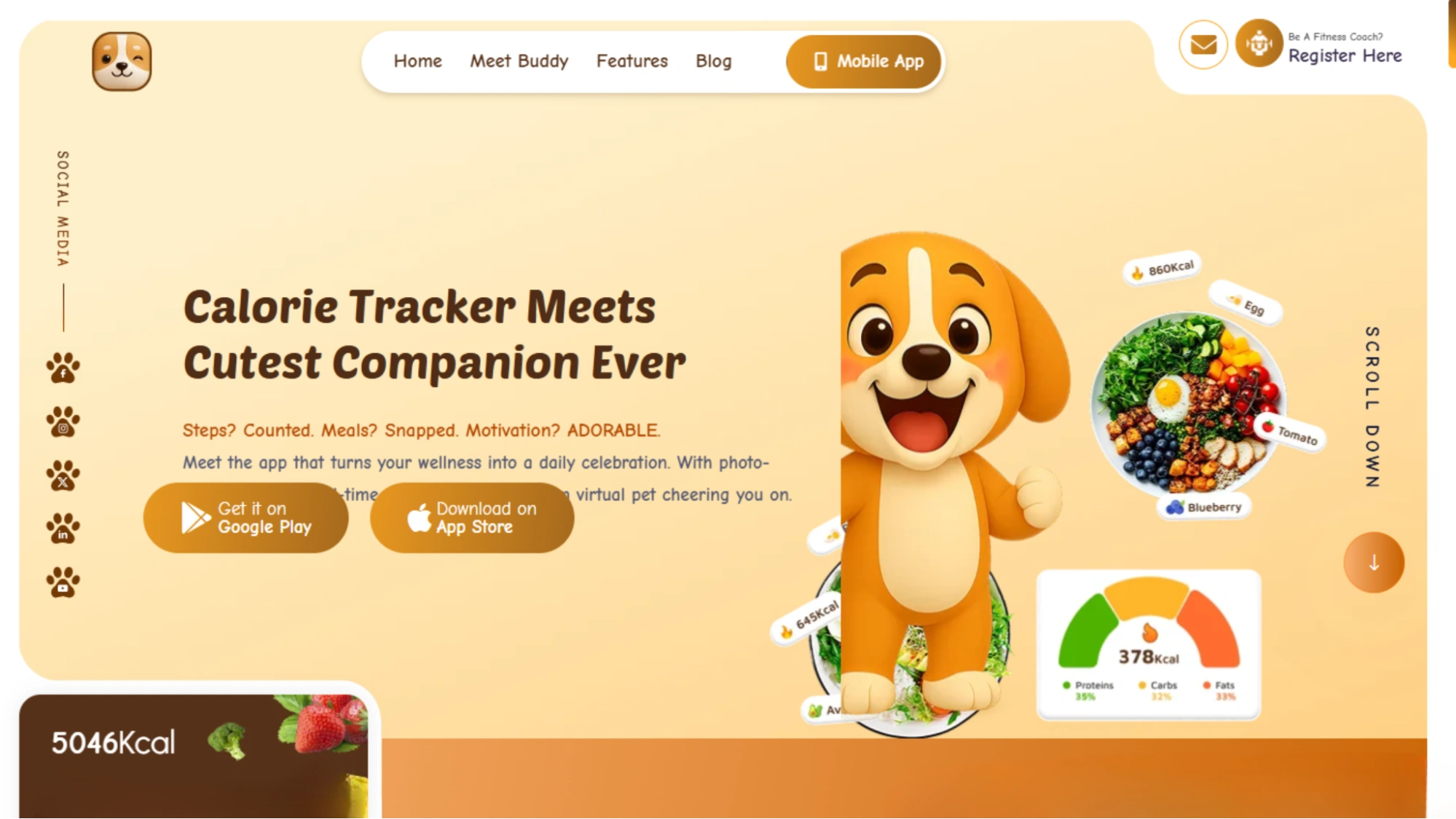
Success becomes easier with the right tool. Calorie Tracker Buddy simplifies how to stay in a Deficit During the Holidays.
- Snap Your Holiday Plate & Get Instant Calorie Feedback
Snap a quick photo of your meal and receive instant calorie, macro, and nutrient analysis within seconds. - Track Thanksgiving Dieting Without Stress
Log festive meals effortlessly and stay aware of calories without interrupting family time or celebrations. - Simplify Christmas Calorie Counting
Use fast photo tracking instead of manual entry to make Christmas calorie counting simple and accurate. - Calorie Intake & Burn Tracking in One Place
Monitor daily calorie intake alongside calorie burn to maintain balance and protect your deficit. - Monitor Hydration & Daily Steps
Track water intake and daily steps easily to support appetite control and consistent activity levels. - Goal Predictions for Smarter Planning
View clear projections that show how each meal affects your progress and timeline toward goals. - Prevent Holiday Overeating With Real-Time Insights
See instant calorie updates that reduce impulse eating and help you avoid holiday overeating. - Stay Motivated With Your Virtual Buddy
Your virtual pet rewards healthy choices, creating daily motivation to stay in a Deficit During the Holidays.
Managing Social Pressure Without Ruining Your Progress
Holiday gatherings often test your discipline more than the food itself. Friends and family may encourage second servings or insist you try every dessert. You can protect your progress without creating tension. Confidence and calm responses work better than long explanations. When someone says, “Just have one more,” smile and reply, “I’m satisfied, thank you.” A simple answer sets the tone and ends pressure politely.
Setting boundaries shows self-respect, not rudeness. Share your goals if you feel comfortable, but keep it brief and positive. Most people respect honesty when you speak clearly and kindly. You do not need approval to stay committed to your health.
Shift your focus away from the table and toward connection. Engage in conversations, play games, help in the kitchen, or suggest a group activity. Laughter and shared moments create stronger memories than extra servings. When you prioritize people over plates, staying in control during the holidays becomes much easier.

Final Thoughts
The holidays test discipline, but they do not control your outcome. When you understand how to stay in a Deficit During the Holidays, you remove fear from the season. You can enjoy family dinners. You can enjoy dessert. You can celebrate fully. Apply strategy. Track intake. Stay active. Use tools that simplify decisions. Focus on balance instead of extremes.
Mastering how to stay in a Deficit During the Holidays means you enter the New Year ahead, confident and proud of your discipline. Progress does not pause for celebration. With the right mindset and plan, you win both your memories and your goals.
FAQs
- Can I really stay in a calorie deficit during Thanksgiving and Christmas?
Yes, you can stay in a calorie deficit during holidays with portion control, smart planning, and consistent tracking of food and activity. - Should I stop dieting completely during the holidays?
No, you do not need to stop. Focus on balance instead of perfection and follow a flexible plan to protect progress. - How can I avoid holiday overeating at family gatherings?
Eat before events, control portions, track your meals, stay hydrated, and shift focus toward conversations instead of food.