



Learning how to reduce carbs in diet can transform your health and energy levels completely.
Whether you’re looking to lose weight, manage blood sugar, or simply feel more energized throughout the day, cutting back on carbohydrates is a practical approach that works for many people.
The good news is that how to reduce carbs in the diet doesn’t mean eliminating entire food groups or following restrictive meal plans.
Instead, it’s about making smart, sustainable choices that fit your lifestyle and preferences, such as incorporating High Fiber Foods that keep you full longer and help stabilize blood sugar levels naturally.
In a Hurry? Listen To The Podcast Now!
1. Start with Whole Grains Instead of Refined Carbs:

One of the easiest ways to understand how to reduce carbs in a diet is to swap refined carbohydrates for whole grain options.
Refined white bread, pasta, and rice spike your blood sugar quickly. By choosing whole wheat bread, brown rice, or oats, you’re reducing the carb impact while adding valuable fiber.
This small change helps you feel fuller longer and maintains steady energy levels throughout the day.
2. Load Up on Non-Starchy Vegetables:

Vegetables are your secret weapon when learning how to reduce carbs in your diet. Non-starchy vegetables like broccoli, spinach, bell peppers, and cauliflower are naturally low in carbs but packed with nutrients.
You can eat generous portions without worrying about carb overload. For those following how to reduce carbs in indian diet, incorporating more leafy greens and low-carb curries can be incredibly effective.
Similarly, if you’re interested in how to reduce carbs in vegetarian diet, focusing on vegetable-based meals provides satisfying nutrition.
3. Choose Protein-Rich Foods:

Protein is essential when figuring out how to reduce carbs in the diet effectively. Including lean meats, fish, eggs, and legumes in your meals helps stabilize blood sugar and reduce cravings.
Protein keeps you satisfied longer, making it easier to stick to your carb reduction goals. For those practicing how to reduce carbs in vegetarian diet, nuts, seeds, tofu, and paneer are excellent protein sources.
For those exploring how to reduce carbs in indian vegetarian diet, dal preparations and legumes offer both protein and manageable carb content when portions are controlled.
4. Reduce Sugary Beverages and Hidden Sugars:

Beverages are often overlooked when considering how to reduce carbs in my diet. Soft drinks, fruit juices, and sweetened coffee drinks contain hidden carbs that add up quickly.
Switch to water, unsweetened tea, or black coffee to eliminate liquid carbs. Also check condiments and sauces for added sugars.
This dual approach to how to reduce the carbs in your diet can make a significant difference in your daily carb intake.
5. Practice Intelligent Portion Control with Starches:
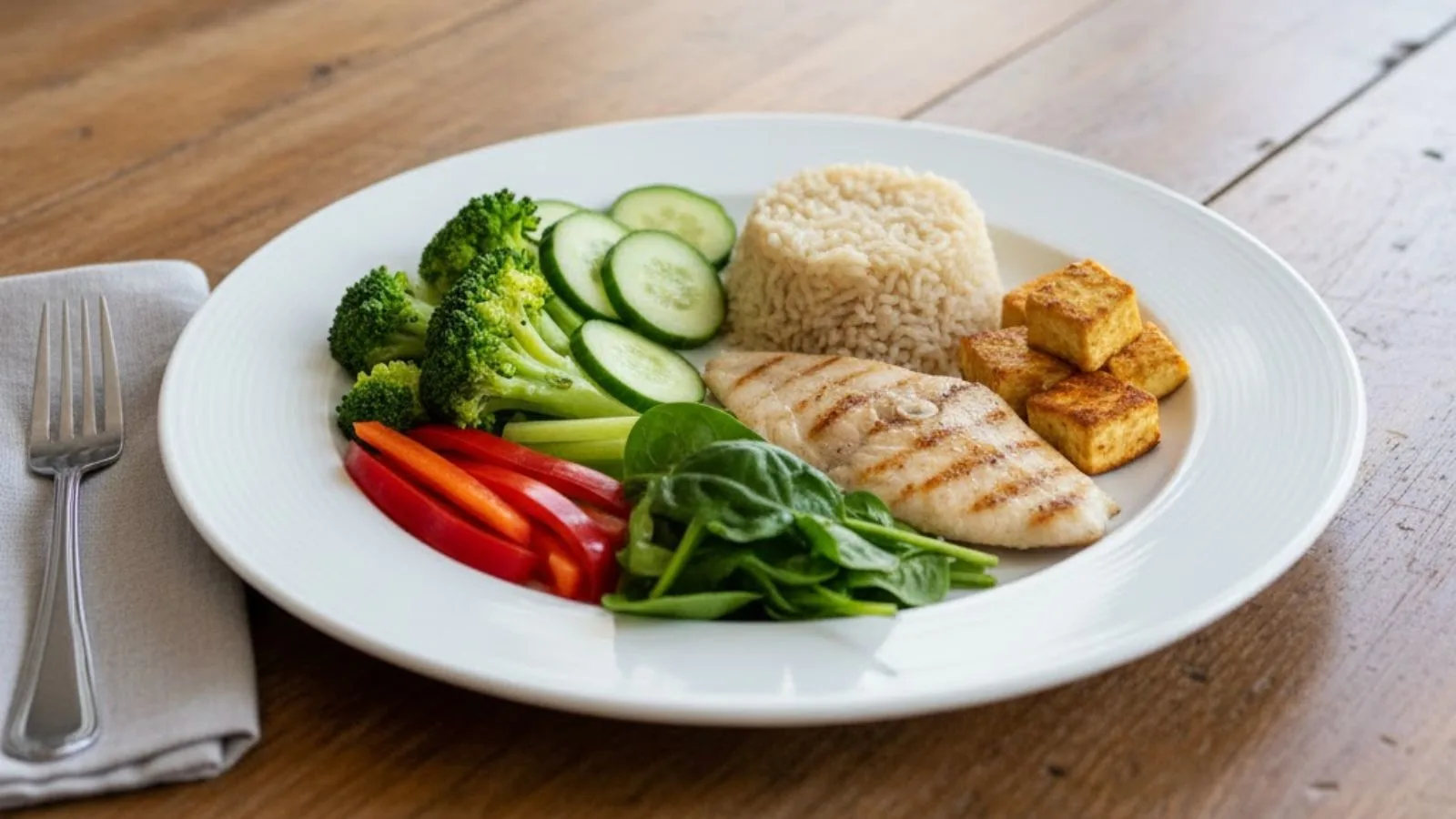
You don’t have to eliminate rice, potatoes, or bread when learning how to reduce carbs in diet. Instead, control portions intelligently.
Use a smaller plate, fill half with vegetables, and limit starches to a quarter of your plate. The remaining quarter should contain protein.
This balanced approach makes how to reduce carbs in your diet more sustainable long-term, preventing feelings of deprivation.
6. Incorporate Healthy Fats into Your Meals:

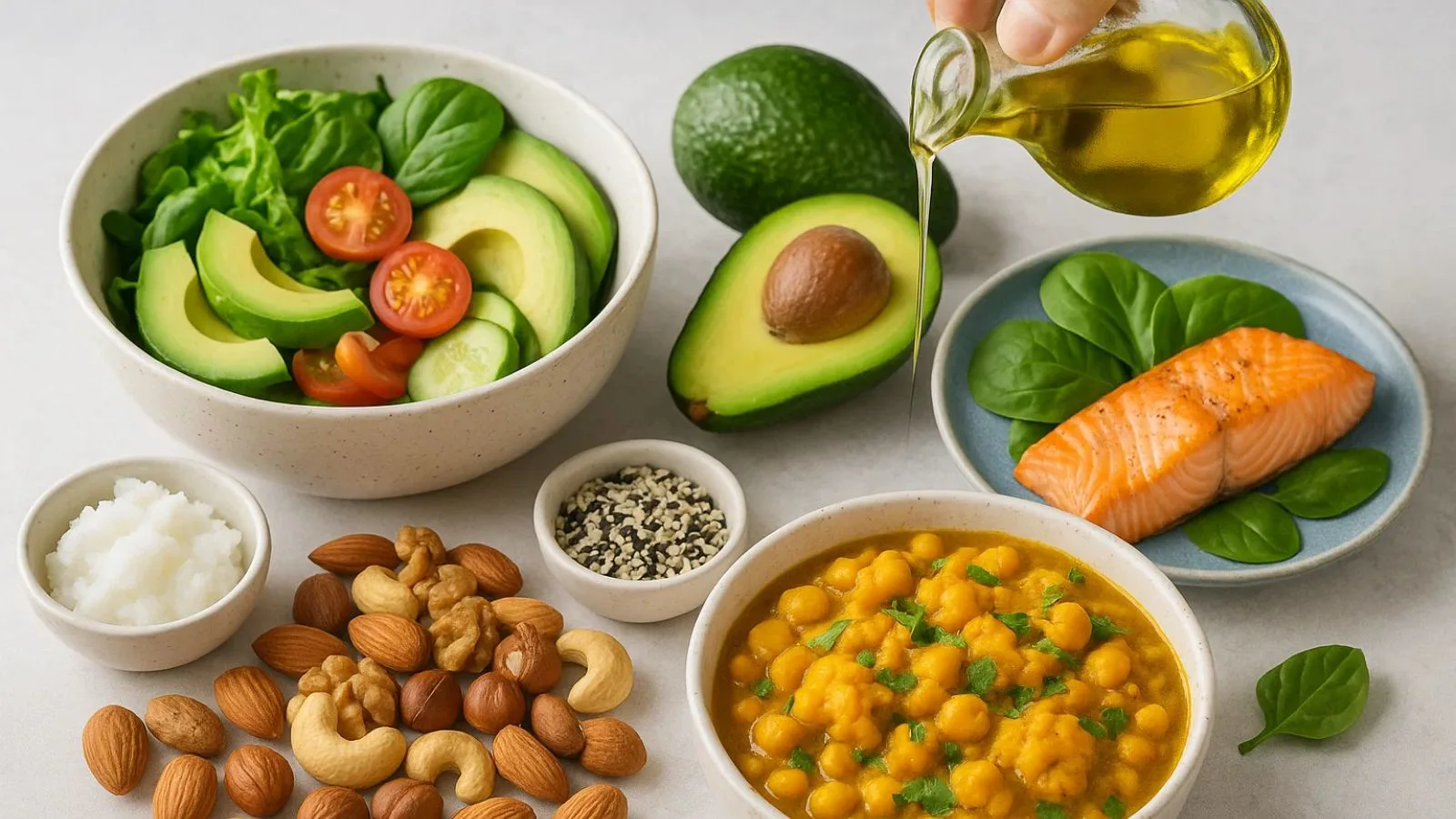
Understanding how to reduce carbs in diet includes recognizing the role of healthy fats. Incorporate avocados, olive oil, nuts, and fatty fish into your meals.
Healthy fats improve satiety and nutrient absorption, making your low-carb transition smoother. For how to reduce carbs in indian vegetarian diet, coconut oil and sesame seeds work wonderfully in traditional preparations.
7. Become a Nutrition Label Reader:
When learning how to reduce carbs in diet, become a dedicated label reader. Check packaged foods for total carbohydrates and added sugars.
Many seemingly healthy products hide significant carb content behind marketing claims. This awareness empowers you to make informed choices consistently and avoid carb traps that derail progress.
8. Master Meal Prep and Planning:

Successful carb reduction relies on preparation and planning. When you know how to reduce carbs in your diet through strategic meal planning, you’re less likely to reach for quick, carb-heavy options.
Prepare vegetable-based meals, portion proteins, and keep healthy snacks ready. This approach ensures you always have nutritious options available when hunger strikes.
9. Try Creative Vegetable Alternatives:

Finding how to reduce carbs in the diet can be creative and fun. Cauliflower rice, zucchini noodles, and cauliflower pizza crusts offer satisfying alternatives to high-carb staples.
These substitutes maintain familiar textures and flavors while dramatically cutting carb content.
They’re particularly useful for how to reduce carbs in indian vegetarian diet through innovative cooking methods that honor traditional flavors.
10. Stay Hydrated and Track Your Progress:

Proper hydration supports your metabolism and reduces false hunger signals.
When implementing how to reduce carbs in diet, drinking adequate water is crucial. Additionally, tracking your food intake helps you understand actual carb consumption versus assumptions.
Regular monitoring keeps you accountable and motivated throughout your journey.
Also Read:
Keto Calculator: Track Your Macros, Calories, And Keto Progress
Top 15 High Fiber Foods To Boost Digestion And Improve Overall Health
Track Your Progress with Calorie Tracker Buddy:

Learning how to reduce carbs in diet becomes dramatically easier with the right tracking tool.
Calorie Tracker Buddy is specifically designed to help you understand how to reduce carbs in your diet by providing detailed food breakdowns and nutritional insights.
The app simplifies how to reduce carbs in your diet by showing exactly where your carbohydrates come from.
With an extensive database including Indian cuisine and vegetarian options, tracking how to reduce carbs in indian diet or how to reduce carbs in vegetarian diet becomes effortless.
Calorie Tracker Buddy reveals hidden carbs you might miss, sets personalized daily targets, and tracks your progress over time.
Whether you’re learning how to reduce the carbs in your diet for the first time or refining existing strategies, this comprehensive app provides the visibility and accountability needed to achieve your goals successfully.
FAQ’s:
Q1: Is it safe to significantly reduce carbs in my daily meals?
Ans: Moderately reducing carbs is generally safe and effective for most people. However, before making dramatic dietary changes, especially if you have existing health conditions like diabetes or heart disease, it’s important to consult with a qualified healthcare provider who can assess your individual situation and monitor your progress.
Q2: How quickly will I see results from how to reduce carbs in diet efforts?
Ans: Many people notice significant changes within 1-2 weeks of implementing strategies on how to reduce carbs in your diet. Initial weight loss often comes from water retention, followed by steady fat loss over time. The speed varies based on your starting point, consistency, and overall lifestyle. Keep in mind that sustainable results come from consistent effort rather than rapid changes.
Q3: Can I still enjoy fruits while trying to reduce carbs in my diet?
Ans: Yes, absolutely. When learning how to reduce carbs in diet, choose fruits wisely. Berries like strawberries and blueberries are lower in carbs compared to tropical fruits such as mangoes and bananas. Portion control remains important when figuring out how to reduce carbs in my diet to keep your daily intake within goals.
Conclusion:
Learning how to reduce carbs in diet is a practical, sustainable path toward better health.
Whether you’re exploring how to reduce carbs in an indian diet, how to reduce carbs in vegetarian diet, or seeking general strategies on how to reduce carbs in your diet, these ten proven approaches provide an excellent foundation for success.
Remember, how to reduce carbs in my diet doesn’t require perfection or extreme restriction—it requires consistency and smart choices over time.
Start with one or two strategies that resonate with you, master them completely, then gradually add more to your routine. Track your progress regularly and stay accountable to understand your eating patterns better.
By making gradual adjustments and maintaining flexibility with how to reduce the carbs in your diet, you’ll successfully implement lasting changes that support your wellness goals and improve your overall health and energy levels.