



If you’ve been searching for how to quit smoking, you’re already taking the first crucial step toward a healthier life. Breaking free from nicotine addiction isn’t easy, but with the right strategies and mindset, it’s absolutely achievable. Every year, millions of people successfully quit smoking, and you can be one of them, too.
Smoking affects nearly every organ in your body, from your lungs and heart to your skin and immune system. The good news? Your body begins healing the moment you stop. Understanding what happens during the quitting process and having a solid plan can make all the difference between another failed attempt and lasting success.
In A Hurry Listen To The Podcast Now!
Understanding Why Quitting Is So Challenging:

Nicotine is one of the most addictive substances on the planet. When you smoke, nicotine reaches your brain within seconds, releasing dopamine and creating feelings of pleasure. Over time, your brain becomes dependent on this chemical boost, making quit smoking efforts feel overwhelming.
However, adopting the Best Foods And Lifestyle Tips can play a crucial role in easing this transition. During the withdrawal process, the symptoms typically peak within the first 72 hours and can include irritability, anxiety, difficulty concentrating, increased appetite, and intense cravings. Understanding that these symptoms are temporary and a sign your body is healing can help you push through the toughest moments.
Proven Strategies for How to Quit Smoking Successfully:
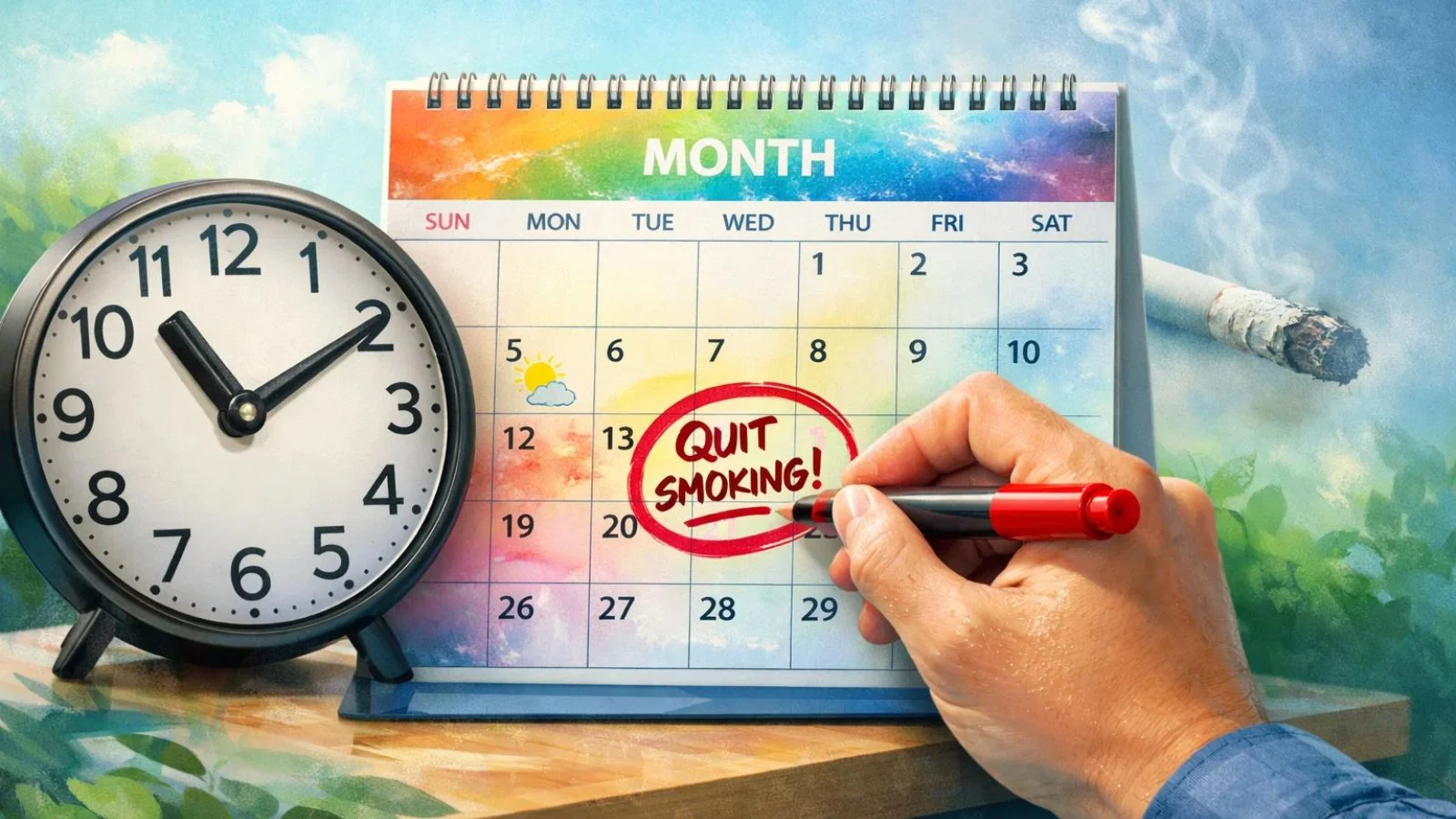
1. Set a Definite Quit Smoking Day:
Choose a specific date within the next two weeks as your quit-smoking day. This gives you enough time to prepare mentally and practically without losing momentum. Mark it on your calendar and treat it as an important appointment with yourself. Tell your friends and family about your decision. Having accountability increases your chances of success.
2. Understand the Quit Smoking Timeline:
Knowing what happens when you quit smoking can be incredibly motivating. Here’s the quit smoking timeline:
- 20 minutes: Your heart rate and blood pressure drop to normal levels
- 12 hours: Carbon monoxide levels in your blood return to normal
- 2-3 weeks: Circulation improves, and lung function increases
- 1-9 months: Coughing and shortness of breath decrease significantly
- 1 year: Your risk of heart disease is cut in half
- 5 years: Stroke risk is reduced to that of a non-smoker
- 10 years: Lung cancer risk drops to about half that of a smoker
Understanding this timeline reminds you that positive changes are happening constantly, even when you can’t feel them immediately.
3. Explore How to Quit Smoking Naturally:
While nicotine replacement therapy and medications can be helpful, many people successfully learn how to quit smoking naturally. Here are some natural approaches:
- Deep Breathing Exercises: When cravings hit, practice deep breathing. Inhale slowly for four counts, hold for four, and exhale for four. This mimics the physical sensation of smoking and calms your nervous system.
- Stay Hydrated: Drinking water helps flush nicotine from your system faster and keeps your mouth busy. Carry a water bottle everywhere and sip frequently.
- Physical Activity: Exercise releases endorphins that combat withdrawal symptoms. Even a 10-minute walk can significantly reduce cravings and improve your mood.
4. Master How to Quit Smoking Immediately:
If you’re wondering how to quit smoking immediately without a long preparation period, the “cold turkey” method might work for you. This involves stopping completely without a gradual reduction.
To succeed with immediate cessation, remove all cigarettes, lighters, and ashtrays from your environment. Avoid alcohol and other triggers for the first few weeks. Keep your hands busy with stress balls, fidget toys, or healthy snacks. Use apps that track your smoke-free time and money saved.
While this approach works for some, remember there’s no shame in using nicotine replacement products if you need them. The best method for quitting smoking is the one that works for you.
Navigating Quitting Smoking Day by Day:

The journey of quitting smoking day by day requires patience and self-compassion. Each day presents its own challenges, but also its own victories. Focus on getting through one day at a time rather than worrying about staying smoke-free forever.
- Days 1-3: These are typically the hardest. Your body is detoxing from nicotine, and withdrawal symptoms peak. Stay busy, drink plenty of water, and remind yourself that you’re getting through the worst part.
- Days 4-7: Physical withdrawal eases, but psychological cravings remain strong. This is when having a plan for triggers becomes crucial.
- Weeks 2-4: You’ll start feeling better physically. Your sense of taste and smell improve, breathing becomes easier, and energy levels increase.
Understanding the Effects of Quitting Smoking:

The effects of quitting smoking extend far beyond your physical health. While the health benefits are substantial and well-documented, the positive impacts touch every area of your life.
- Financial Freedom: The average smoker spends thousands of dollars annually on cigarettes. Imagine what you could do with that money: take a vacation, pay off debt, or invest in your future.
- Improved Relationships: Non-smokers often avoid smokers due to the smell and health concerns. Quitting can improve your relationships and social opportunities.
- Mental Clarity: Once you break free from nicotine addiction, you’ll no longer experience the cycle of craving and relief. Many people report feeling more in control and less anxious.
Also Read:
How To Spot Silent Symptoms Of High Cholesterol?
Best Foods And Lifestyle Tips For A Healthy Digestive System
Track Your Progress with Calorie Tracker Buddy:
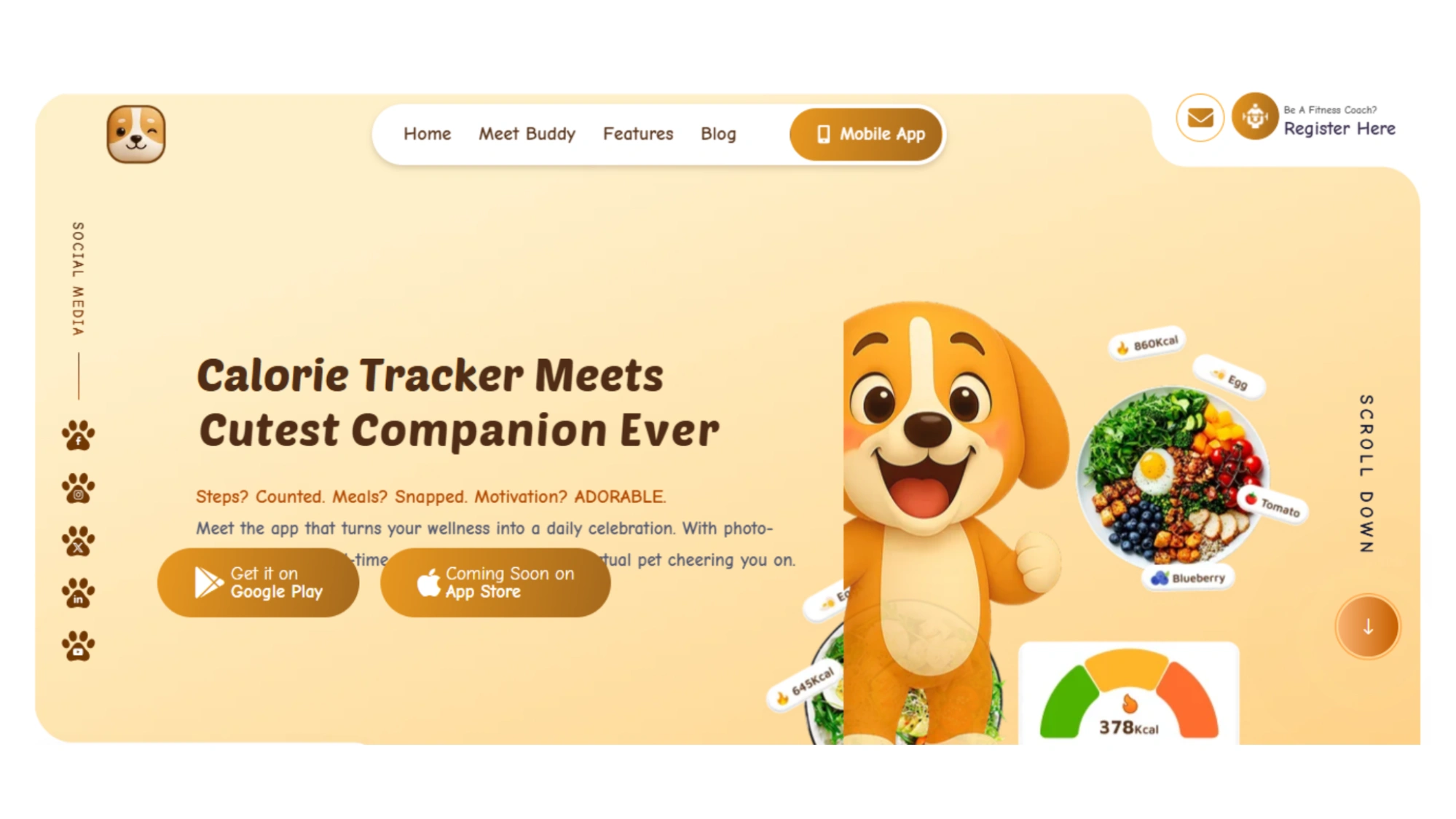
While you’re working on improving your health by quitting smoking, why not take a comprehensive approach to wellness? Calorie Tracker Buddy is an innovative app designed to help you maintain a healthy lifestyle during this transformative period.
Many people gain weight when they quit smoking because nicotine suppresses appetite and increases metabolism. Calorie Tracker Buddy helps you:
- Monitor Your Nutrition: Track your daily caloric intake to prevent excessive weight gain while ensuring you’re getting proper nutrition to support your body’s healing process.
- Set Personalized Goals: Create achievable wellness goals that complement your smoke-free journey. The app adapts to your needs, whether you want to maintain your current weight or make other health improvements.
- Stay Accountable: Just as you’re tracking your smoke-free days, tracking your food intake keeps you mindful and motivated. The visual progress indicators celebrate your wins, big and small.
- Build Healthy Habits: Replace smoking routines with positive habits like meal planning and mindful eating. The app’s intuitive interface makes it easy to log meals throughout the day.
The combination of quitting smoking and maintaining proper nutrition gives your body the best possible foundation for recovery. Calorie Tracker Buddy makes this dual journey manageable and sustainable.
Overcoming Common Obstacles:

Learning how to quit smoking means preparing for challenges. Here are common obstacles and how to overcome them:
- Weight Gain: Many people gain 5-10 pounds after quitting. Combat this by staying active, eating healthy snacks like fruits and vegetables, and using tools like Calorie Tracker Buddy to monitor your intake.
- Social Pressure: If your friends smoke, let them know you’re quitting and ask for their support. Consider taking a temporary break from situations where smoking is prevalent.
- Stress: Smoking doesn’t actually relieve stress; it just temporarily relieves nicotine withdrawal. Find healthier stress management techniques like meditation, yoga, or talking with a friend.
- Boredom: Cigarette breaks provided structure to your day. Replace them with other short breaks, stretch, make a cup of tea, or do a quick breathing exercise.
Building Your Support System:

You don’t have to figure out how to quit smoking alone. Building a strong support system dramatically increases your success rate. Tell your circle of friends, family, and coworkers about your decision. Their encouragement matters, especially during difficult moments.
Join support groups, whether online communities or local meetings, to connect with people who understand exactly what you’re going through. Consider professional help from counselors, therapists, or smoking cessation specialists who can provide personalized strategies.
Remember, relapse doesn’t mean failure. Many successful ex-smokers made several attempts before quitting permanently. Each attempt teaches you something valuable about your triggers and what strategies work best for you.
Conclusion:
Learning how to quit smoking is one of the most important decisions you’ll ever make for your health. While the journey isn’t always easy, the rewards, improved health, financial savings, and freedom from addiction, are absolutely worth it.
Start by setting your quit date, understanding the timeline of recovery, and preparing strategies for handling cravings. Whether you choose to quit cold turkey or gradually reduce, the key is finding an approach that works for you and sticking with it. Remember that every smoke-free day is a victory.
FAQ’s:
Q1: How long does it take to quit smoking completely?
Ans: Physical nicotine withdrawal typically lasts 2-4 weeks, but psychological cravings can continue for months. Most people feel significantly better after three months.
Q2: What’s the hardest part of quitting smoking?
Ans: The first 72 hours are typically the most challenging due to intense physical withdrawal symptoms.
Q3: Will I gain weight when I quit smoking?
Ans: Many people gain 5-10 pounds due to increased appetite and metabolism changes. Using a tool like Calorie Tracker Buddy and staying active can help manage this.
Q4: Can I quit smoking without medication?
Ans: Yes, many people successfully quit without medication using behavioral strategies, support systems, and natural methods.