

Many people are choosing to quit drinking because they want a clearer mind. Alcohol affects not only the body. It can disturb sleep, lower focus, increase stress, and impact the relationships and daily routines of individuals.
Regular drinking usually leads to feelings of tiredness, lack of motivation, and mental drain. Over time, this can contribute to anxiety, poor decision-making, and long-term health issues.
Even small amounts of alcohol can slowly reduce confidence and overall quality of life without the person realizing it. This guide explains how to quit drinking alcohol practically and realistically.
It is not about strict rules or overnight changes. It involves understanding one’s habits, making adjustments, and choosing healthier alternatives. By taking simple, steady steps, one can build a healthier and more balanced life over time.
Listen to the audio version of this blog
Why You Should Quit Drinking?
The future is changing, and people are curious about their health.
Health is about feeling steady, focused, and in control of life. For many, alcohol is a barrier to achieving this.
Life is busy. When you drink, it often becomes harder to stay consistent with your workout routine and responsibilities.
Disruptions accumulate over time. Missed mornings, low follow-through, and reduced discipline can slowly hold you back without being obvious.
Quitting drinking helps you to create a day. It becomes more comfortable to plan and show up fully, both personally and professionally.
Many people notice that they make better choices, manage their time more reliably, and are more reliable to themselves and others.
In 2026, choosing to quit drinking was less about reacting to problems and more about being intentional. It is a way to protect the future and build a life that feels stable, clear, and aligned.
How To Quit Drinking Alcohol: Start With the Right Mindset?
Quitting alcohol does not begin with willpower. Before making any changes, it is important to be honest with yourself about why you want to stop and what you want to achieve. Reason makes the process more comfortable when things feel uncomfortable to the learner.
Some people choose to quit drinking alcohol, while others decide to gradually cut back. There is no single correct approach. What issues are involved in choosing a path that feels realistic for your life? Following someone else’s rules usually leads to frustration.
It also helps to drop the idea of “all or nothing.” You do not need to fix everything simultaneously. Progress is achieved by consistently making small, steady choices. One alcohol-free day, one better decision, and one changed habit at a time.
When your mindset shifts from “I’m giving something up” to “I’m choosing something better,” quitting becomes less of a struggle. It becomes a personal decision based on self-respect rather than external pressure. This mindset creates a strong foundation for long-lasting change.
Practical Lifestyle Changes That Make Quitting Easier
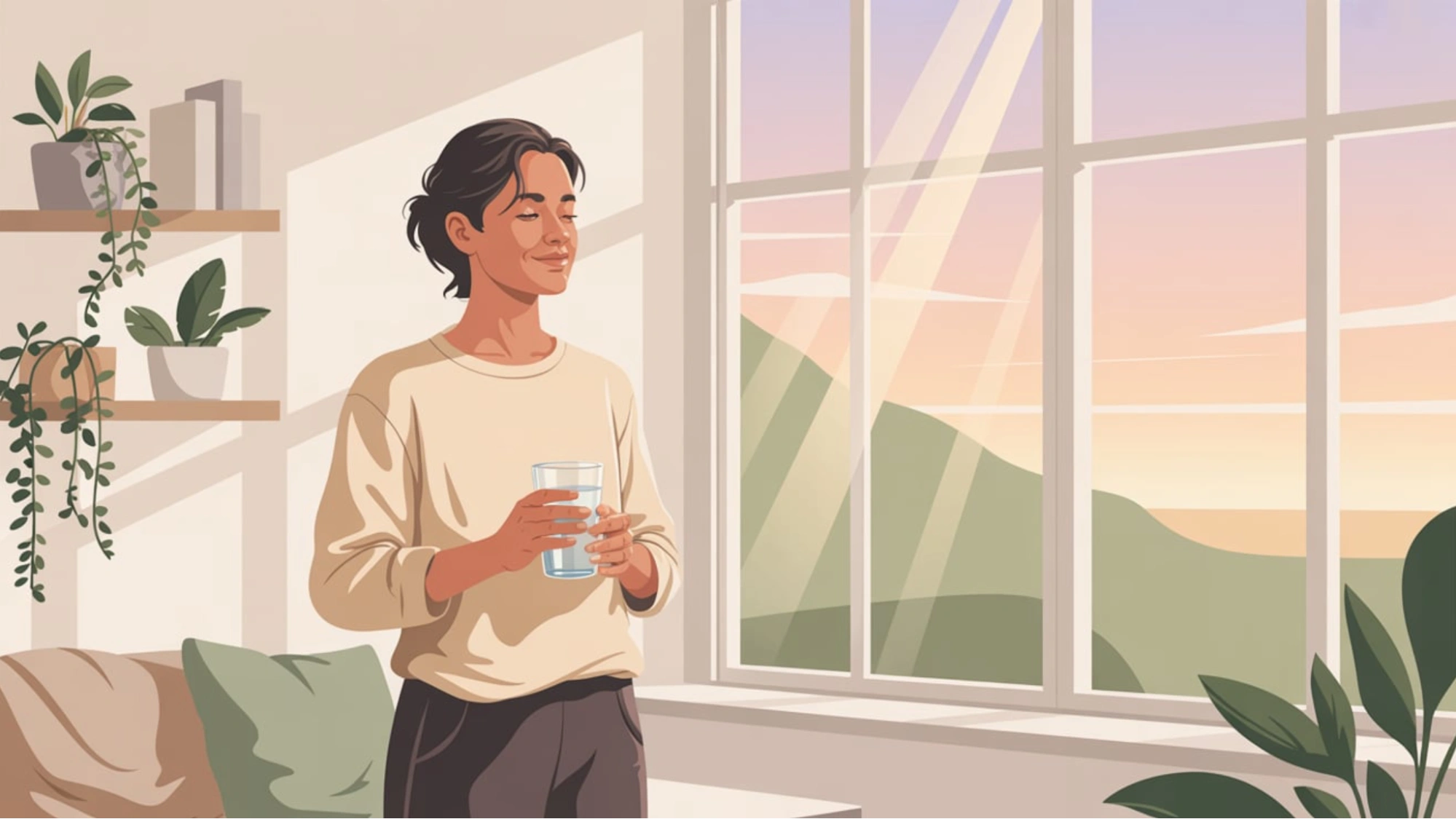
Making small changes in daily life can make how to quit drinking feel much easier. You do not need to change everything at once. Adjusting your surroundings and routines can reduce temptation and support better choices without constant effort.
Remove Triggers From Your Environment
Start by noticing where and when you usually drink. It could be anywhere or as part of a routine after work. Keeping alcohol at home frequently makes it harder to resist, even when motivation is strong. Removing it or limiting access can help you pause and make a conscious choice.
Social settings are also important. You may not need to avoid people, but choosing different activities or meeting in alcohol-free spaces can reduce pressure. Small changes in routine can support your decision to quit drinking without feeling restrictive.
Build New Daily Habits
Drinking often fills a space, especially in the evening or on weekends. Replacing it with a new habit is more effective than simply removing it. Evening walks, reading, light exercise, or cooking can create a sense of closure to the day.
Weekends benefit from structure too. Planning activities ahead of time reduces boredom and helps you stay consistent.
What to Drink Instead of Alcohol
Having simple non-alcoholic options ready can make social moments easier. detox water, herbal tea, fresh juice, or alcohol-free drinks are there for your hands to hold and help you feel included. These small swaps support long-term change without drawing attention or discomfort.

How To Handle Cravings And Social Pressure?
Cravings and social pressure are common when learning to quit drinking. They can feel strong, but they usually pass more quickly than expected. Understanding what is happening helps you respond calmly instead of reacting impulsively.
Understanding Cravings
Cravings for habits, stress, or emotions rather than a real need for alcohol. They may appear at the same time each day or in certain situations, such as after work or during social events. When a craving arises, it helps to pause and think without
Simple actions can reduce this intensity. Drinking water, taking a short walk, or shifting attention to another task often helps the urge to fade. Most cravings peak and pass within a short period. Each time you ride one out, you build confidence and make the next one to handle it.
Handling Social Pressure Calmly
Social pressure can feel uncomfortable, especially if drinking has been part of your routine with others. You do not owe anyone an explanation. A simple response such as “I’m taking a break” or “I’m choosing not to drink right now” is enough.
Setting quiet boundaries helps protect your progress. Over time, most people adjust, and the pressure is reduced. Remaining consistent and calm allows one to quit drinking without conflict or unnecessary stress.
Mental and Emotional Benefits Of Quitting Drinking

One of the most noticeable changes after quitting alcohol consumption occurs in the mind. Many people expect physical benefits, but mental and emotional improvements often appear early and continue to grow over time.
Improved Mood and Mental Clarity
Alcohol can subtly affect mood. It may seem relaxing at first, but over time, it often increases stress, anxiety, and emotional ups and downs. When drinking stops, the mind begins to feel more stable. Many people notice fewer mood swings and a greater sense of calmness during the day.
The focus and clarity also improved. Thoughts feel less scattered, and decision-making becomes easier. Tasks that were once overwhelming now feel more manageable. This mental clarity supports better routines and more consistent follow-through.
Stronger Confidence and Self-Trust
Choosing to quit drinking builds trust in oneself. Each day, you follow through on your decision, and your confidence grows. You begin to feel more in control of your choices rather than reacting to habits or emotions.
Over time, this self-trust spreads to other aspects of life. You may feel more comfortable setting boundaries, making plans, and staying aligned with what matters. These emotional benefits often become one of the strongest reasons for people to continue living alcohol-free.
More articles you may enjoy
Physical Changes You Can Expect After You Quit Drinking
After you quit drinking, your body begins to recover in quiet but meaningful ways. These changes do not occur overnight, but many people begin to notice improvements sooner than expected.
What Happens in the First Few Weeks
In the first few weeks, sleep often improves. You may fall asleep more easily and wake up feeling more rested. Energy levels can increase, making daily tasks less exhausting. Digestion may also become more regular, and bloating or discomfort may be reduced.
Some individuals noticed clearer skin and fewer headaches. Appetite often becomes more balanced, and cravings for unhealthy food swaps may slowly decrease. These early changes help reinforce the decision to stop drinking and make it easier to remain consistent.
Long-Term Health Improvements
Over time, the body continues healing. The liver begins to function more efficiently, and the immune system becomes stronger. Many people notice a more stable weight, improved heart health, and fewer days of illness.
Physical strength and stamina can also be improved, especially when combined with regular movement and better sleep. These long-term benefits support a healthier lifestyle and make daily life more comfortable and reliable. As the body regains balance, remaining alcohol-free often feels less like an effort and more like a natural choice.
Staying Alcohol-Free Long Term: How to Make It Stick
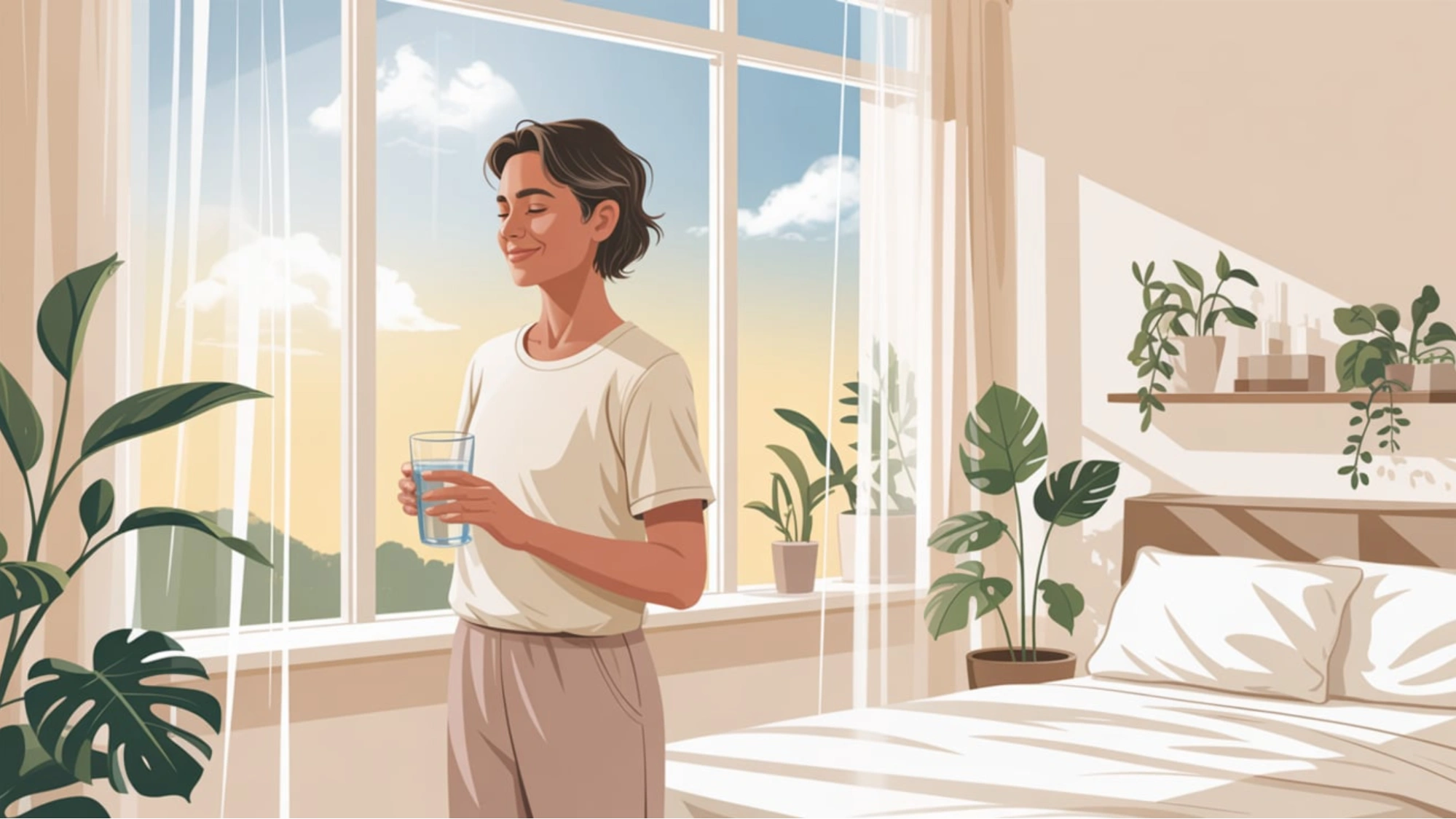
Quitting drinking is an important step, but remaining alcohol-free over time requires ongoing attention. The goal is not to rely on constant self-control but to build a life that naturally supports healthier choices.
Build a Life You Do Not Want to Escape From
Many people drink alcohol to cope with stress, boredom, or emotional pressure. When these areas are addressed, the urge to drink often weakens. Creating routines that support rest, movement, and meaningful activities helps reduce the need for escape.
Spending time on interests, relationships, and personal goals adds balance to one’s daily life. When your days feel full and purposeful, remaining alcohol-free feels less restrictive and more supportive.
What to Do If You Slip
A single slip does not erase progress. It is a moment to pause, reflect, and return to your intention. Avoid turning a small setback into a reason for giving up.
Ask what led to the situation and what could help in the future. Please adjust your plan if necessary. Consistency is more important than perfection. Each time you choose to continue, you strengthen your ability to stay aligned with your decisions and maintain long-term stability.
Track Your Healthy Life With CalorieTrackerBuddy
CalorieTrackerBuddy is a simple health and wellness tracking tool designed to support healthy daily habits. It helps people become more aware of what they eat, how active they are, and how their choices affect their overall health. For anyone learning to quit drinking, tracking small habits can provide clarity and structure without pressure.
The goal of CalorieTrackerBuddy is not to achieve perfection. It focuses on consistency, awareness, and progress. By tracking daily habits, users can better understand their routines and make informed choices that support balanced lifestyles.
Key Features of CalorieTrackerBuddy
Easy Meal Tracking: Log meals quickly to understand daily calorie intake without complicated steps.
Calorie Intake and Burn Monitoring: Track calories consumed and burned through daily movements and activities.
Daily Health Goals: Set simple goals for nutrition, activity, and consistency to stay focused.
Progress Tracking: View daily and weekly progress to see how small habits accumulate over time.
Simple and User-Friendly Design: The app is easy to use, making it suitable for beginners and for those who prefer a stress-free experience.
Using a tool such as CalorieTrackerBuddy can support a healthier lifestyle by helping you stay mindful, organized, and consistent as you build better habits over time.
Conclusion: Choosing a Clearer and Healthier Life in 2026
Learning to quit drinking is not about following strict rules or changing everything at once. It involves becoming more aware of one’s habits and making choices that support one’s well-being. Small and steady steps often lead to the most meaningful and lasting changes.
Quitting drinking can improve focus, energy, emotional balance, and physical health. Over time, these changes help you feel more present, reliable, and in control of your life. The journey may include challenges, but it also builds confidence and self-trust in the learner.
There is no single right way to quit drinking alcohol. Whether you choose to stop completely or reduce gradually, it is important to choose an approach that feels realistic and supportive. Progress is built on consistency, not perfection.
In 2026, quitting drinking is less about giving something up and more about choosing a healthier, clearer, and more balanced lifestyle. Each positive choice you make moves you closer to a future that feels steady, intentional, and aligned with what matters.

Frequently Asked Questions
How long does it take to feel “normal” after quitting drinking?
Each timeline is different. Some people feel better within a few weeks, whereas others notice gradual changes over several months. Feeling normal often improves as sleep, routines, and emotional balance become stabilized. Patience is important because the body and mind require time to adapt.
Can quitting drinking improve work performance?
Yes, many people notice better focus, clearer thinking, and more reliable energy at work after quitting drinking alcohol. Improved sleep and reduced mental fatigue often make it easier to remain consistent, organized, and productive throughout the day.
Is it okay to quit drinking even if alcohol is not a serious problem?
Yes. You do not need to hit a low point to decide to quit smoking. Many people choose to stop drinking alcohol simply because they want better health, clarity, or control over their routines. Quitting can be a proactive choice and not a reaction to a problem.
Will my social life change if I stop drinking alcohol?
Social life may change slightly at first, but it does not disappear completely. Many people have found new ways to socialize that do not involve alcohol. Over time, relationships that support your choices tend to grow stronger and feel more genuine to you.