

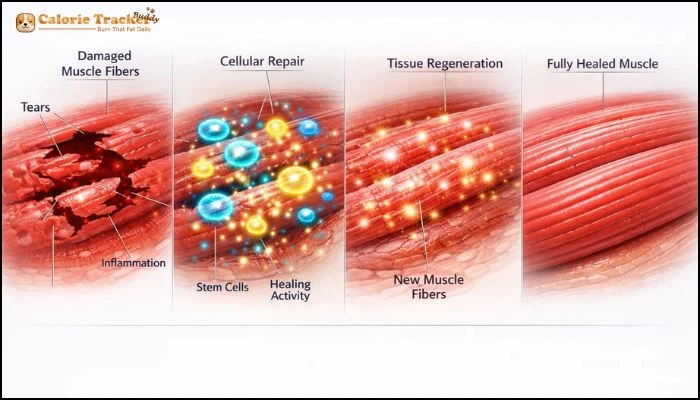
It happens in a split second. One wrong lift at the gym, an awkward step while running, or even reaching too quickly for something, and suddenly you feel that sharp, pulling pain. A muscle strain can interrupt workouts, daily activities, and even sleep if it’s painful enough.
The good news? Most cases of muscle strain heal completely with the right care. The key is knowing what to do immediately and how to support your body through proper recovery. Acting early not only reduces pain but can also significantly shorten healing time.
In this complete guide, you’ll learn exactly how to heal muscle strain fast, what treatments actually work, and how to prevent the injury from happening again.
You can listen to this Blog here
What Is a Muscle Strain?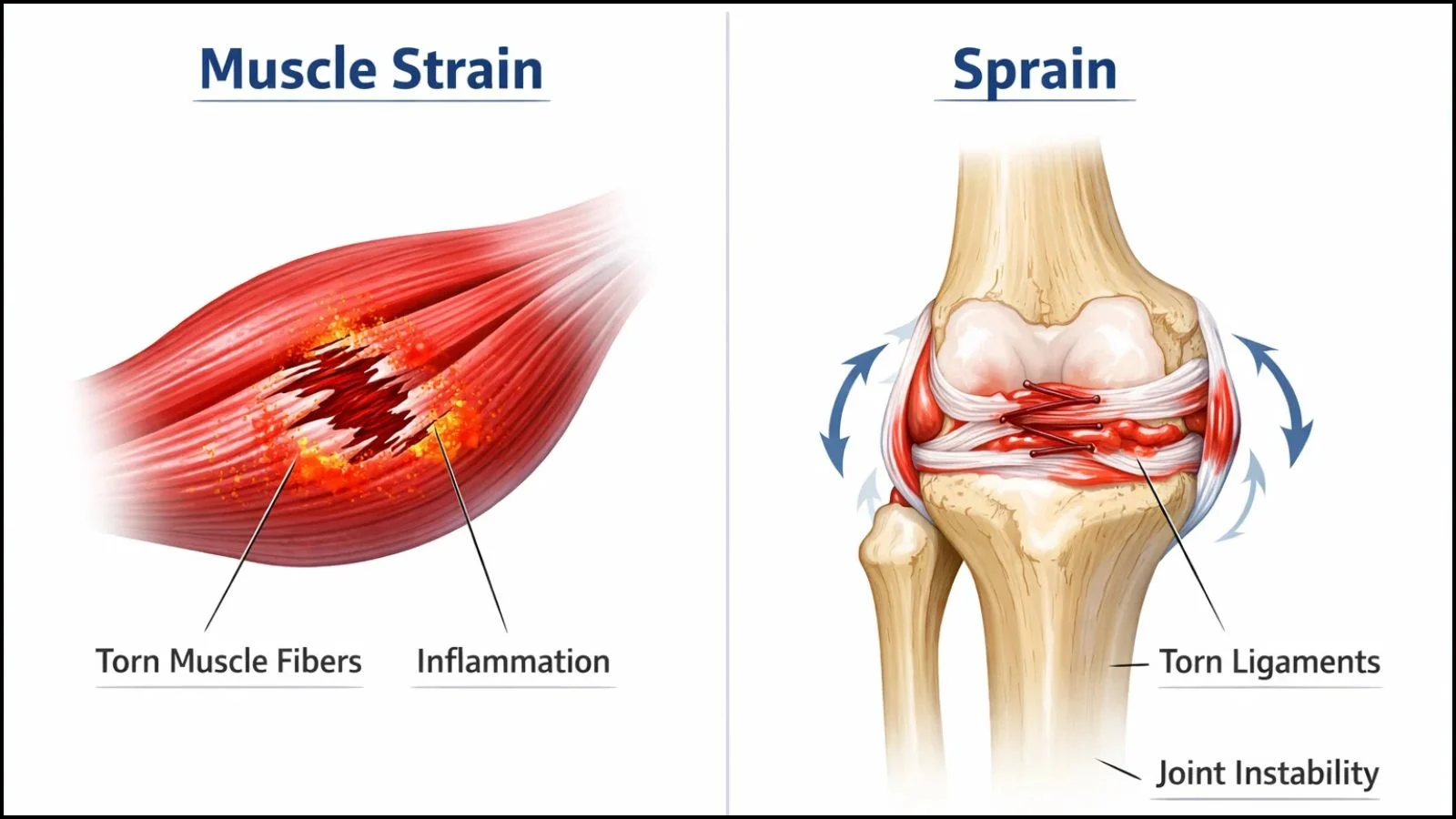
A muscle strain occurs when muscle fibers are stretched too far or torn. This usually happens due to overuse, sudden force, improper lifting technique, or skipping a proper warm-up. Athletes experience it often, but everyday movements, like lifting groceries or twisting awkwardly, can also cause a muscle strain.
Many people confuse a strain with a sprain. The difference is simple:
- Muscle strain → injury to muscle or tendon
- Sprain → injury to ligaments (which connect bones)
If you’re wondering, what do you do for a pulled muscle? A pulled muscle is simply another term for a muscle strain. The treatment depends on how severe it is.
Grades of Muscle Strain
Doctors typically classify muscle strain into three levels:
- Grade 1 (Mild): Slight overstretching, minor pain, minimal strength loss
- Grade 2 (Moderate): Partial tear, noticeable swelling, reduced strength
- Grade 3 (Severe): Complete tear, intense pain, possible visible deformity
Understanding the severity helps determine how long recovery may take and how aggressively you should treat it.
Signs and Symptoms of a Muscle Strain
Recognizing a muscle strain early can help you start treatment quickly and avoid making it worse. Symptoms can vary depending on the severity, but most people experience at least a few of the following:
Common Symptoms
- Sudden pain during movement
- Tenderness when touching the area
- Swelling or inflammation
- Muscle stiffness
- Reduced range of motion
- Weakness in the affected muscle
In moderate cases, a muscle strain may also cause bruising or visible swelling. Severe strains can make it difficult or even impossible to use the muscle normally.
Mild vs. Serious Injury
- Mild muscle strain: Discomfort, but still able to move the muscle
- Moderate strain: Pain with movement and noticeable weakness
- Severe strain: Sharp pain, swelling, and limited function
If the pain is intense or doesn’t improve after a few days, it may require medical attention.
Early recognition is key to starting proper care and improving overall muscle recovery.
Immediate Treatment: First 48 Hours Matter
When it comes to a muscle strain, what you do in the first 24–48 hours can significantly impact how quickly you recover. Early care helps control inflammation, reduce pain, and prevent further damage.
If your goal is to heal muscle strain fast, start with the proven R.I.C.E method:
Rest
Avoid activities that stress the injured muscle. Continuing to push through pain can worsen the muscle strain and delay healing.
Ice
Apply ice for 15–20 minutes every 2–3 hours during the first two days. Ice reduces swelling and numbs pain. Always wrap ice in a cloth to protect your skin.
Compression
Using an elastic bandage can help limit swelling. Make sure it’s snug but not so tight that it cuts off circulation.
Elevation
If possible, keep the injured area elevated above heart level to reduce inflammation.
What to Avoid in the First 48 Hours
- Don’t apply heat immediately; it can increase swelling.
- Don’t massage the area too early.
- Don’t stretch aggressively.
Giving your body time to stabilize the muscle strain during this early phase lays the foundation for faster muscle recovery in the days ahead.
How to Speed Up Muscle Strain Recovery
Once the initial swelling and pain start to settle, the focus shifts to rebuilding strength and restoring movement. The goal isn’t just to feel better; it’s to ensure the muscle strain heals properly so it doesn’t return.
If you’re wondering how to speed up muscle strain recovery, here’s what actually helps:
1. Gradual Mobility and Light Stretching
After 48–72 hours (for mild cases), gentle stretching can improve blood flow and prevent stiffness. Avoid pushing into sharp pain; movement should feel controlled and manageable.
2. Controlled Strengthening
Once pain decreases, light strengthening exercises help the muscle regain stability. Weak muscles are more likely to experience another muscle strain, so rebuilding strength is essential.
3. Prioritize Hydration
Muscles need adequate hydration to repair tissue efficiently. Dehydration can slow muscle recovery and increase cramping risk.
4. Increase Protein Intake
Protein provides the amino acids necessary for tissue repair. Including high-quality protein sources supports faster muscle recovery and reduces healing time.
5. Get Quality Sleep
Deep sleep is when most tissue repair occurs. Aim for 7–9 hours per night to support optimal recovery.
Healing a muscle strain isn’t about rushing back into activity; it’s about smart, progressive recovery. Supporting your body properly during this stage makes a noticeable difference in both speed and long-term strength.
Nutrition’s Role in Muscle Recovery
Healing a muscle strain isn’t just about rest and ice; your body also needs the right nutrients to repair damaged tissue. Recovery is an energy-demanding process, and underfueling can slow progress significantly.
Why Calories Matter
When you’re recovering from a muscle strain, your body works overtime to rebuild torn muscle fibers. If you’re not consuming enough calories, healing can stall. Even people trying to lose weight should avoid aggressive calorie restriction during injury recovery.
Prioritize Protein
Protein is essential for muscle recovery. It supplies amino acids that rebuild damaged muscle fibers. Aim for consistent protein intake throughout the day from sources like:
- Eggs
- Lean meats
- Dairy
- Lentils and beans
- Protein shakes (if needed)
A general guideline is around 1.2–2.0 grams of protein per kilogram of body weight during recovery, depending on activity level.
Don’t Ignore Micronutrients
Vitamins and minerals also support healing:
- Vitamin C → supports collagen repair
- Magnesium → supports muscle function
- Zinc → aids tissue healing
- Electrolytes → maintain hydration balance
Track Your Recovery Nutrition
Many people unintentionally under-eat during injury, which can slow how quickly a muscle strain heals. Using a simple tool like Calorie Tracker Buddy can help you:
- Monitor daily calorie intake
- Track protein consumption
- Ensure balanced nutrition
Instead of guessing whether you’re eating enough to support healing, tracking gives you clarity and control.
Proper nutrition won’t magically fix a muscle strain overnight, but it can significantly improve how efficiently your body repairs itself.
What NOT to Do with a Muscle Strain
Recovering from a muscle strain requires patience. Many people delay healing by making avoidable mistakes. Knowing what not to do is just as important as knowing the right steps.
Here are common errors to avoid:
1. Don’t Push Through the Pain
“Walking it off” might work for minor soreness, but pushing through a muscle strain can worsen the tear. Pain is your body’s signal to slow down.
2. Don’t Stretch Aggressively Too Soon
Stretching immediately after injury can increase damage. Give the muscle strain time to stabilize before introducing gentle mobility work.
3. Don’t Apply Heat Immediately
Heat increases blood flow, which can worsen swelling during the first 48 hours. Stick to ice early on and introduce heat only after inflammation decreases.
4. Don’t Return to Intense Activity Too Quickly
Even if pain decreases, the muscle may not be fully healed. Returning to heavy lifting or intense exercise too soon increases the risk of re-injury.
5. Don’t Rely Solely on Painkillers
Pain relief medication may mask symptoms without addressing the underlying muscle strain. Use them cautiously and focus on actual healing strategies.
Avoiding these mistakes can significantly improve muscle recovery and reduce the chance of long-term complications.
When to See a Doctor
Most cases of muscle strain improve with proper home care. However, some injuries require medical evaluation to prevent long-term damage.
You should consider seeing a doctor if you experience:
Severe Pain
If the pain is intense and doesn’t improve with rest and ice, the muscle strain could be more serious than a mild tear.
Significant Swelling or Bruising
Large amounts of swelling or deep bruising may indicate a partial or complete muscle tear.
Inability to Move the Muscle
If you cannot bear weight, lift, or move the affected area normally, it may be a Grade 2 or Grade 3 muscle strain.
Visible Deformity
A noticeable dent or bulge in the muscle can signal a complete tear that may require imaging or specialized treatment.
Pain Lasting More Than Two Weeks
If symptoms persist despite proper care, a medical evaluation can rule out complications.
Early professional guidance can speed up muscle recovery and prevent improper healing. It’s always better to address a severe muscle strain promptly rather than risk chronic issues.

How to Prevent Future Muscle Strain
Once you’ve recovered from a muscle strain, the next goal is making sure it doesn’t happen again. Prevention is about building resilience, improving flexibility, and supporting proper recovery habits.
Here’s how to reduce your risk:
1. Warm Up Properly
Cold muscles are more prone to injury. Spend 5–10 minutes doing light cardio and dynamic stretches before workouts or sports activities.
2. Strengthen Supporting Muscles
Weak muscles fatigue faster and are more likely to suffer a muscle strain. Incorporate strength training that targets both primary and stabilizing muscle groups.
- Improve Flexibility
Regular mobility work keeps muscles balanced and reduces tightness. Stretch consistently, but never aggressively, especially after workouts.
4. Use Proper Technique
Poor lifting form or incorrect sports mechanics significantly increase injury risk. Consider professional guidance if you’re unsure about technique.
5. Prioritize Recovery
Rest days, sleep, hydration, and balanced nutrition are crucial for long-term muscle recovery. Tracking your calorie and protein intake with tools like Calorie Tracker Buddy can help ensure your body consistently gets what it needs to repair and strengthen muscle tissue.
Conclusion
Recovering from a muscle strain doesn’t have to be complicated, but it does require the right approach. Acting quickly in the first 48 hours, gradually restoring movement, and supporting your body with proper nutrition can significantly improve healing time.
If you want to heal muscle strain fast, focus on smart recovery rather than rushing back into activity. Rest when needed, rebuild strength progressively, and avoid the common mistakes that delay muscle recovery.
Just as importantly, prevention plays a major role. Proper warm-ups, strength training, and balanced nutrition reduce your chances of experiencing another muscle strain in the future.
Healing takes patience, but with the right strategy, your body is fully capable of bouncing back stronger.
Also Read,
FAQs
1. What do you do for a pulled muscle?
For a pulled muscle (muscle strain), start with rest, ice, compression, and elevation during the first 48 hours. After swelling decreases, gradually introduce gentle stretching and strengthening exercises.
2. How long does a muscle strain take to heal?
A mild muscle strain may heal within 1–2 weeks. Moderate strains can take 3–6 weeks, while severe tears may require medical treatment and longer recovery.
3. How can I heal muscle strain fast at home?
To heal muscle strain fast, follow the R.I.C.E method early, stay hydrated, consume enough protein, get quality sleep, and gradually restore mobility without pushing into pain.