


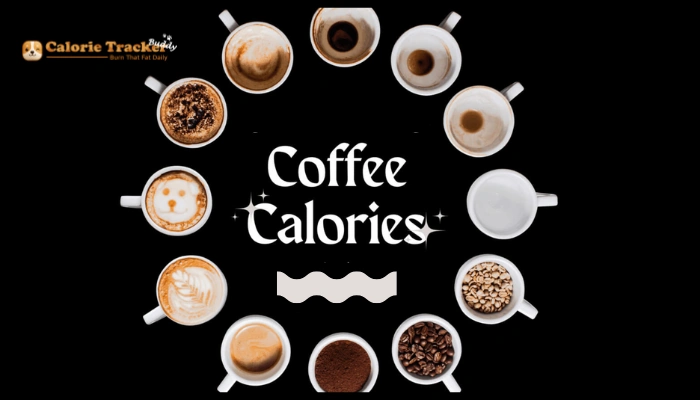
Coffee feels simple. It wakes you up, sharpens focus, and fits easily into your routine. But when you start tracking nutrition, you may wonder how much impact your daily cup actually has. The truth is that calories in coffee depend entirely on what you add to it.
A plain black coffee contains almost no energy. A flavored latte with syrups and whipped cream can rival a full meal. If you care about weight management, fat loss, or simply staying aware of intake, understanding calories in coffee gives you clarity without forcing restriction.
In this comprehensive guide, you will learn how to calculate coffee calories accurately, understand common drink variations, and use practical tools to simplify tracking.
Hit ‘Play’ Button & Tune Into The Blog
How Many Calories Are In Plain Coffee?
Many people ask, how many calories in a cup of coffee when they begin tracking nutrition. The answer surprises most people.
A standard 240 ml (8-ounce) cup of black brewed coffee contains about 2 to 5 calories. That number stays extremely low because coffee beans contain minimal carbohydrates and no meaningful fat.
If you drink black coffee only, calories in coffee will barely affect your daily intake.
However, few people drink coffee completely plain.
Does Espresso Contain Calories?
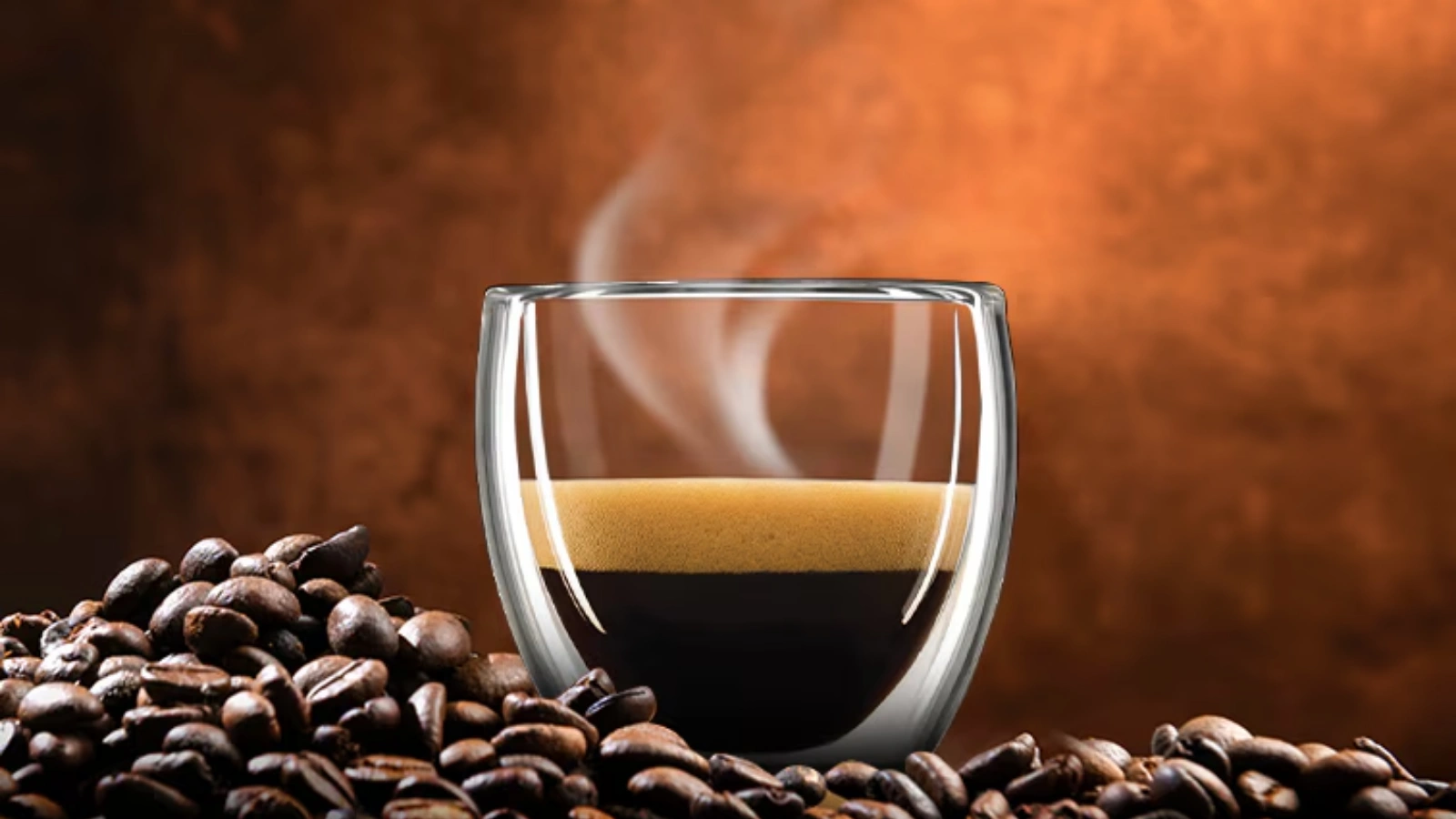
Another common question is: does espresso have calories?
Yes, but very few. A single espresso shot contains around 3 to 5 calories. Even a double shot stays under 10 calories.
When people search how many calories in espresso, they often expect a higher number. Pure espresso contributes almost nothing significant to your daily energy intake.
The base drink rarely creates issues. Add-ons change everything.
The Real Source Of Calories In Coffee
Milk, cream, syrups, sweeteners, and toppings create most of the calories in coffee drinks. This applies to traditional brews as well as trendy options like mushroom coffee, the base itself is usually low in calories, but what you add makes the difference.
Here is how additions increase numbers quickly:
- Whole milk (1 cup): 150 calories
- 2% milk (1 cup): 120 calories
- Skim milk (1 cup): 80–90 calories
- Almond milk (unsweetened): 30–40 calories
- Oat milk (sweetened): 120–160 calories
If your latte contains 1.5 cups of whole milk, you already consume over 200 calories before adding syrup.
The same rule applies to mushroom coffee. While plain mushroom coffee powder mixed with water is typically very low in calories, adding flavored creamers, sweetened oat milk, or syrups can quickly turn it into a 200–300 calorie drink.
Understanding this breakdown prevents accidental underestimation of calories in coffee, whether you prefer classic espresso or mushroom coffee blends.
Syrups And Sweeteners: The Hidden Boost
Flavored syrups often contain around 20 calories per pump. Many large café drinks include 4 to 5 pumps.
That adds 80 to 100 calories instantly.
Other additions include:
- 1 tablespoon sugar: 48 calories
- 1 tablespoon honey: 64 calories
- Chocolate syrup: 50–60 calories per tablespoon
- Caramel sauce: 60 calories per tablespoon
These extras significantly increase calories in coffee without improving fullness.
Also Read:
How Much Do Whipped Cream And Foam Add To Your Coffee Calories?
Toppings may look light and harmless, but they significantly increase the calories in coffee, especially in specialty drinks.
- Whipped cream (70–100 calories): A generous swirl on top can quickly add close to 100 calories, depending on the serving size and brand.
- Sweet cream foam (100+ calories): This creamy topping often contains added sugar and fat, which pushes the calorie count even higher.
- Chocolate shavings (30–50 calories): Even small decorative toppings contribute extra energy, especially when paired with syrups.
When milk, flavored syrups, whipped cream, and foam combine in one cup, the total can easily exceed 400 calories. At that point, the calories in coffee can rival or even surpass a full meal.
How Do Calories Add Up In A Large Caramel Latte?
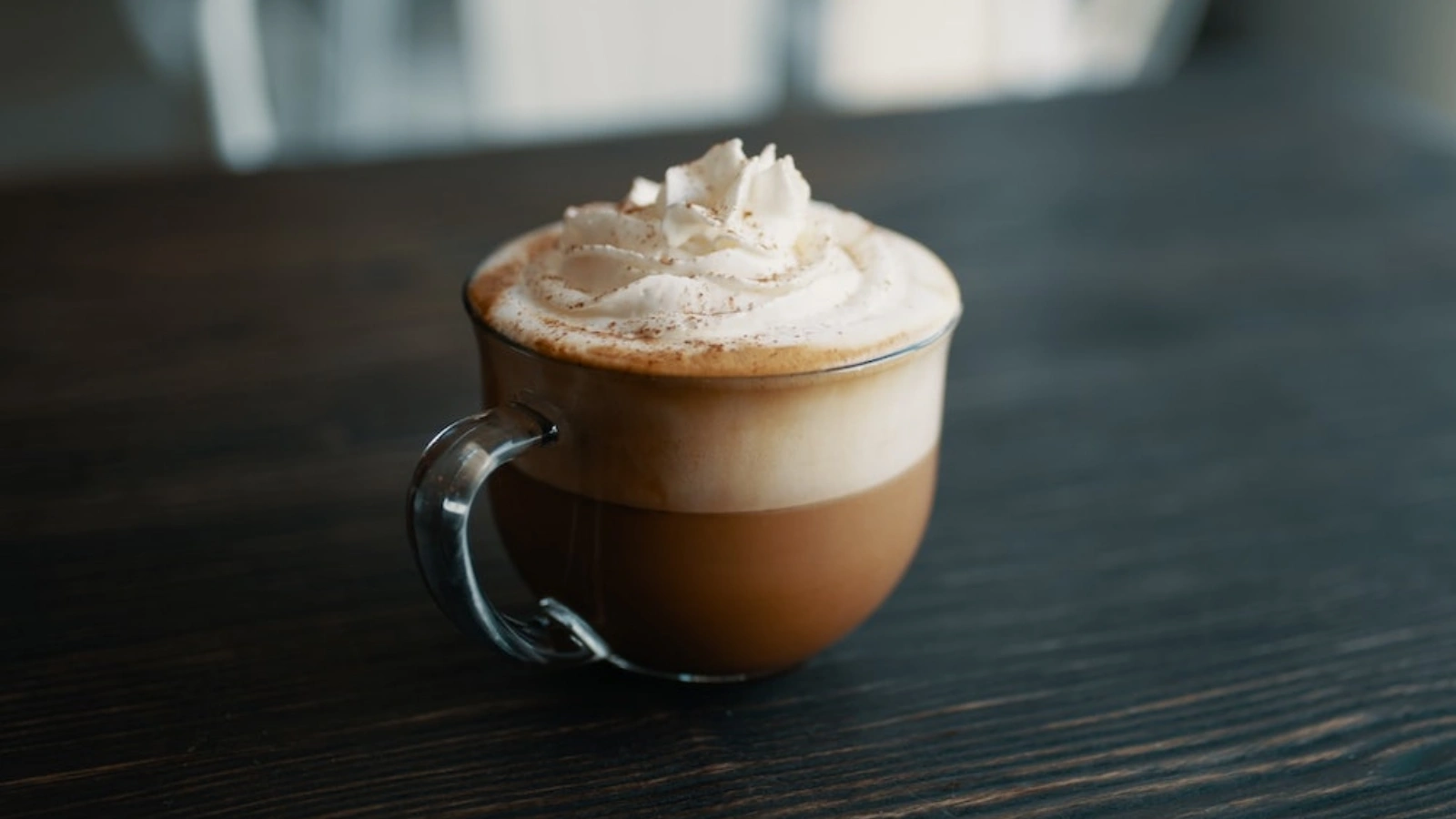
Let’s break down a typical large caramel latte to understand how quickly calories in coffee can increase with customizations:
- Double espresso: 10 calories
Espresso itself contains very few calories, even with a double shot. - Whole milk (1.5 cups): 225 calories
Milk contributes the majority of the calories, especially when you choose whole milk over low-fat or plant-based options. - Four pumps caramel syrup: 80 calories
Flavored syrups add concentrated sugar and can significantly raise the total without adding much volume. - Whipped cream: 80 calories
Toppings may seem small, but they quickly increase the calorie load.
Total: 395 calories
This breakdown clearly shows how calories in coffee can climb from almost negligible to nearly 400 calories once milk, syrups, and toppings enter the picture. A customized latte can easily match the calorie content of a light meal, which makes mindful ordering essential if you track your daily intake.
How Does Portion Size Affect Calories In Coffee?
Drink size changes everything when it comes to calorie intake. Even if you order the same recipe, increasing the cup size automatically increases milk, syrup, and overall energy content.
- Small latte: 150–200 calories
- Medium latte: 250–300 calories
- Large latte: 350–450 calories
A simple size upgrade can significantly raise calories in coffee without you realizing it. Many cafés use different ounce measurements for “small,” “medium,” or “large,” so always check the actual volume instead of relying on the label.
Also Read:
How Does Coffee Impact Your Weight Goals?
If your goal involves fat loss or weight maintenance, daily beverages play a bigger role than most people realize.
For example:
300 calories per day × 7 days = 2,100 calories per week
Over time, that weekly surplus can translate to roughly half a pound of fat gain if you do not account for it in your overall intake.
Small daily habits create measurable long-term results. Monitoring calories in coffee helps you stay aligned with your nutrition targets, maintain consistency, and avoid unexpected stalls in progress.
Smart Ways To Reduce Calories Without Sacrifice
You do not need to eliminate your favorite drinks. Try these strategies:
- Choose skim or almond milk
- Request half syrup
- Skip whipped cream
- Order a smaller size
- Use cinnamon for flavor
These adjustments can reduce calories in coffee by 100 to 200 per drink.
Small, consistent changes create meaningful results.
Why Should You Track Coffee Accurately?
Manual calculations work, but tracking daily drinks can feel repetitive.
That is where digital tools simplify the process.
Calorie Tracker Buddy allows you to log beverages quickly and see how each choice affects your daily targets. Instead of guessing about milk volume or syrup pumps, you receive clear feedback.
Clarity removes uncertainty and improves consistency.
How Calorie Tracker Buddy Supports Coffee Tracking?
If you want to manage calories in coffee efficiently, Calorie Tracker Buddy offers practical features that make tracking effortless.
Snap the Meal:
Point your camera at your drink or ingredients. The app scans and analyzes calories and nutrients instantly.
Calorie Intake Tracker:
Log your coffee in seconds. The app calculates how it fits your goals and displays immediate feedback.
Calorie Burn Tracker:
Track daily activity automatically. From workouts to household movement, you see how intake balances with output.
Goal Predictions:
The app shows how each beverage influences your progress. This insight helps you adjust choices before small habits become setbacks.
Buddy Motivation:
Your virtual pet grows with every healthy decision. Positive reinforcement strengthens daily consistency.
Social Sharing:
Share progress and streaks with your community for extra motivation.
By combining awareness, accountability, and encouragement, the app simplifies monitoring calories in coffee without adding stress.
Why Does Homemade Coffee Give You Greater Calorie Control?
When you prepare coffee at home, you control every ingredient that goes into your cup. That control makes a significant difference in managing calories in coffee and understanding exactly what you consume.
Many people often ask, how many calories in coffee when it is made at home versus bought from a café. The answer depends entirely on what you add. A plain brewed cup typically contains 2–5 calories, while milk, cream, and syrups increase that number quickly.
Use measuring cups for milk:
Free pouring usually leads to larger portions than expected. Measuring your milk helps you see how ½ cup or 1 cup changes your totals.
Measure syrup by teaspoon:
Syrups add sugar and calories fast. A controlled teaspoon keeps your drink within range.
Track cream precisely:
Cream is energy-dense. Even a small splash makes a noticeable difference in calories in coffee.
If you enjoy espresso-based drinks, you might wonder how many calories in espresso. A single shot contains roughly 5 calories, making it very low in energy before add-ins. The calories rise once you combine it with milk, sweeteners, or toppings.
After measuring ingredients a few times, you build visual awareness of portions. That habit keeps your beverages predictable and aligned with your goals.
What Is A Smart Long-Term Strategy For Daily Coffee Drinkers?
If you drink coffee every day, structure matters more than restriction.
- Track for two weeks:
Log every beverage honestly. Patterns become clear quickly. - Identify trends:
Notice which drinks contribute the most energy and how often you choose them. - Adjust gradually:
Reduce syrup pumps, switch milk types, or downsize portions instead of eliminating your favorite drinks. - Avoid extreme restriction:
Cutting everything at once often leads to rebound habits. Sustainable adjustments work better.
Consistency creates lasting change. When you understand calories in coffee, you gain control without removing enjoyment from your routine.

Final Thoughts
Plain coffee and espresso contain minimal energy. Milk, syrups, sweeteners, and toppings dramatically increase totals.
When you understand ingredient contributions, you make informed choices instead of guessing. Small daily beverages influence weekly calorie balance more than most people realize.
Measure honestly. Adjust gradually. Use tools like Calorie Tracker Buddy to simplify tracking and stay aligned with your goals.
Clarity leads to consistency. Consistency drives progress.
FAQs
1. Does brewing method affect the calorie content of coffee?
Brewing methods like drip, French press, or pour-over do not significantly change calorie content if you drink the coffee black. The ingredients you add afterward determine most of the energy value.
2. Do flavored coffee beans contain extra calories?
Flavored coffee beans usually add aroma rather than significant calories. However, pre-sweetened or dessert-style blends may contain added sugars, so always check the label.
3. Can coffee drinks impact blood sugar levels?
Black coffee has minimal impact on blood sugar. Sweetened coffee drinks, especially those with syrups and sugar, can raise blood glucose levels depending on portion size.
4. Is decaf lower in calories than regular coffee?
Decaf and regular coffee contain nearly identical calorie amounts when consumed plain. The difference lies in caffeine content, not energy value.
5. How can I track calories in coffee more accurately at home?
Use measuring cups for milk and teaspoons for syrups or sweeteners. Logging your ingredients consistently helps you understand how calories in coffee fit into your daily intake.