



Figuring out the right amount of movement your body needs feels confusing only until you understand what drives your daily energy use. People set fitness goals for different reasons—some want weight control, some want to feel lighter, and others simply want a healthier routine they can maintain. Whichever group you fall into, knowing how to burn 300 calories in a way that fits your lifestyle can make everything easier. Before exploring the activities that help you hit this target, it helps to understand how your body uses energy in the first place. That clarity sets the stage for choosing the right approach.
You can Listen to this Blog here.
What Do Calories Mean For Your Body?
 A calorie isn’t just a number on a label. It’s a unit of energy that keeps you functioning. Your body uses calories all day—from the moment you breathe in the morning to the steps you take at work. Some people believe exercise is the only factor that matters, but the truth is that your body is burning calories long before you start a workout. This opens a natural question: how many calories should I burn in a day to stay under control with my goals?
Your actual number depends on your age, size, muscle mass, and how active you are throughout the day. Once you understand these pieces, it becomes easier to build a simple, sustainable plan. And planning matters because the right routine not only shapes your results but also determines whether you’ll stick with it.
What Shapes Your Daily Calorie Use?
The biggest chunk of energy you burn comes from something you barely notice—your Basal Metabolic Rate. This is the amount of fuel your body needs just to keep everything running quietly in the background. After that comes your daily activity level. This includes walking from room to room, cleaning, climbing stairs, and every small movement you make. One final piece is your intentional exercise. This is where you set time aside to target a goal like how to burn 300 calories, whether you prefer walking, cycling, or strength work.
Now that these fundamentals are clearer, the next step is learning how your goals influence your daily burn. That way you can match your effort with what your body needs.
How Your Goals Shape Your Daily Burn Target?
 People often chase a specific calorie number without understanding why. Instead of following random targets, it helps to tie your calorie burn to your actual purpose. If you want to maintain your weight, your goal is to balance what you eat with what you burn. If you want to lose weight, you need a small and steady deficit.
This is exactly why many beginners turn to the idea of how to burn 300 calories as a starting point. It’s practical, achievable, and gives you a measurable target. Now that the purpose is laid out, the question becomes: which activities help you burn 300 calories comfortably?
Activities That Help You With 300 Calories Burn
Burning 300 calories doesn’t require extreme workouts or long gym sessions. The key is choosing an activity that matches your time, fitness level, and interest. Some methods take longer but feel easier, while others burn calories quickly through intensity. Here are multiple effective ways to reach that goal.
1. Brisk Walking (60–75 minutes)
A fast-paced walk keeps your heart rate elevated without stressing your joints. It’s ideal for beginners and can be done anywhere—parks, roads, or even on a treadmill. Walking consistently also improves endurance and supports overall heart health.
2. Jogging (25–30 minutes)
Jogging burns calories faster by engaging more muscles and increasing cardiovascular effort. It suits people who prefer shorter workouts but don’t mind higher intensity. A steady pace is enough—no sprinting required.
3. Running (20–25 minutes)
Running at a moderate speed pushes your calorie burn quickly. It strengthens your legs, improves stamina, and fits well into busy schedules. Even a short run can deliver noticeable results.
4. Cycling Outdoors (35–45 minutes)
Cycling combines cardio with leg strength while being gentle on the knees. Riding on slightly uneven terrain or small inclines increases calorie burn without making the workout feel exhausting.
5. Stationary Cycling (40–50 minutes)
Indoor cycling allows better control over resistance and pace. Increasing resistance gradually helps you reach the 300-calorie mark while improving lower-body strength and endurance.
6. Rope Skipping (20–25 minutes total)
Jumping rope is one of the most efficient calorie-burning exercises. Short bursts with rest intervals quickly add up, making it perfect for small spaces and quick workouts.
7. High-Intensity Interval Training (20–30 minutes)
HIIT alternates intense exercise with short recovery periods. This method burns calories rapidly and keeps your metabolism elevated even after the workout ends.

8. Swimming (30–40 minutes)
Swimming works the entire body while staying low-impact. Continuous laps or water exercises burn calories efficiently and are especially beneficial for people with joint concerns.
9. Dancing (45–60 minutes)
Energetic dance styles like Zumba, freestyle, or Bollywood routines raise your heart rate without feeling like a workout. It’s enjoyable, social, and great for consistency.
10. Stair Climbing (25–30 minutes)
Climbing stairs intensely targets your legs and glutes while increasing heart rate quickly. It’s one of the fastest ways to burn calories using minimal equipment.
11. Bodyweight Circuit Training (35–45 minutes)
Combining squats, push-ups, lunges, and planks keeps your muscles active throughout the session. Circuits improve strength while steadily burning calories.
12. Strength Training (45–60 minutes)
Weight training with minimal rest between sets helps burn calories while building muscle. More muscle increases your resting metabolism over time.
13. Rowing (25–30 minutes)
Rowing engages both upper and lower body muscles simultaneously. It delivers a strong cardio workout and burns calories quickly when performed at a steady pace.
14. Hiking (60–75 minutes)
Walking on uneven terrain challenges balance and leg muscles. Inclines and natural resistance make hiking more calorie-intensive than regular walking.
15. Yoga (75–90 minutes – dynamic styles)
Power yoga or Vinyasa flows keep movement continuous. While slower than HIIT, extended sessions improve flexibility, balance, and calorie expenditure.
16. Pilates (60–75 minutes)
Pilates strengthens core muscles and improves posture. When performed continuously, it can burn calories steadily while enhancing body control.
17. Playing a Sport (45–60 minutes)
Sports like badminton, tennis, football, or basketball involve continuous movement. They burn calories efficiently while keeping workouts engaging and competitive.
18. Household Chores (90–120 minutes)
Activities like mopping, scrubbing, gardening, or washing cars may seem light but burn significant calories when done continuously. They’re practical and easy to fit into daily life.
19. Boxing or Kickboxing (25–35 minutes)
Punching and kicking combinations elevate heart rate quickly. These workouts burn calories fast while improving coordination and stress release.
20. Elliptical Training (35–45 minutes)
The elliptical provides a low-impact cardio option that still challenges the whole body. Increasing resistance and speed helps reach the calorie goal efficiently.
21. Skating (45–60 minutes)
Whether roller skating or ice skating, continuous gliding works the legs and core. It’s fun, engaging, and effective for calorie burning.
22. Jump Squats & Plyometrics (20–30 minutes)
Explosive movements raise heart rate rapidly. Short sessions can burn calories quickly while building power and strength.
Why These Choices Work
- They elevate your heart rate fast enough to burn more energy
- They blend cardio and muscle engagement
- They can be adjusted easily for intensity
- They keep your body active without requiring equipment
All these activities point to one simple pattern: choose something you don’t mind repeating. A routine feels easier to maintain when it matches your lifestyle and personality. Once you build a rhythm, burning energy feels natural instead of forced.
Now that your movement options are clearer, the next part of your progress depends on what goes on your plate.
How Food Choices Support Your Calorie Burn Goal?
Movement matters, but food plays an equal role. People often underestimate how small changes in diet can support their efforts. Eating more whole foods, choosing lean protein, and adding more fiber can keep you full longer while staying calorie-friendly. Little changes like avoiding sugary snacks or reducing fried items add up over time.
Pairing better meals with a structured routine makes the goal of how to burn 300 calories easier because you’re not fighting your hunger or cravings. And while diet changes help, staying hydrated also makes a difference. Water helps digestion, supports your metabolism, and keeps unnecessary snacking under control.
Right around this point, many people wonder how to track all this without getting overwhelmed. This is where a smart tool becomes helpful.
A Smart Companion For Tracking Your Progress
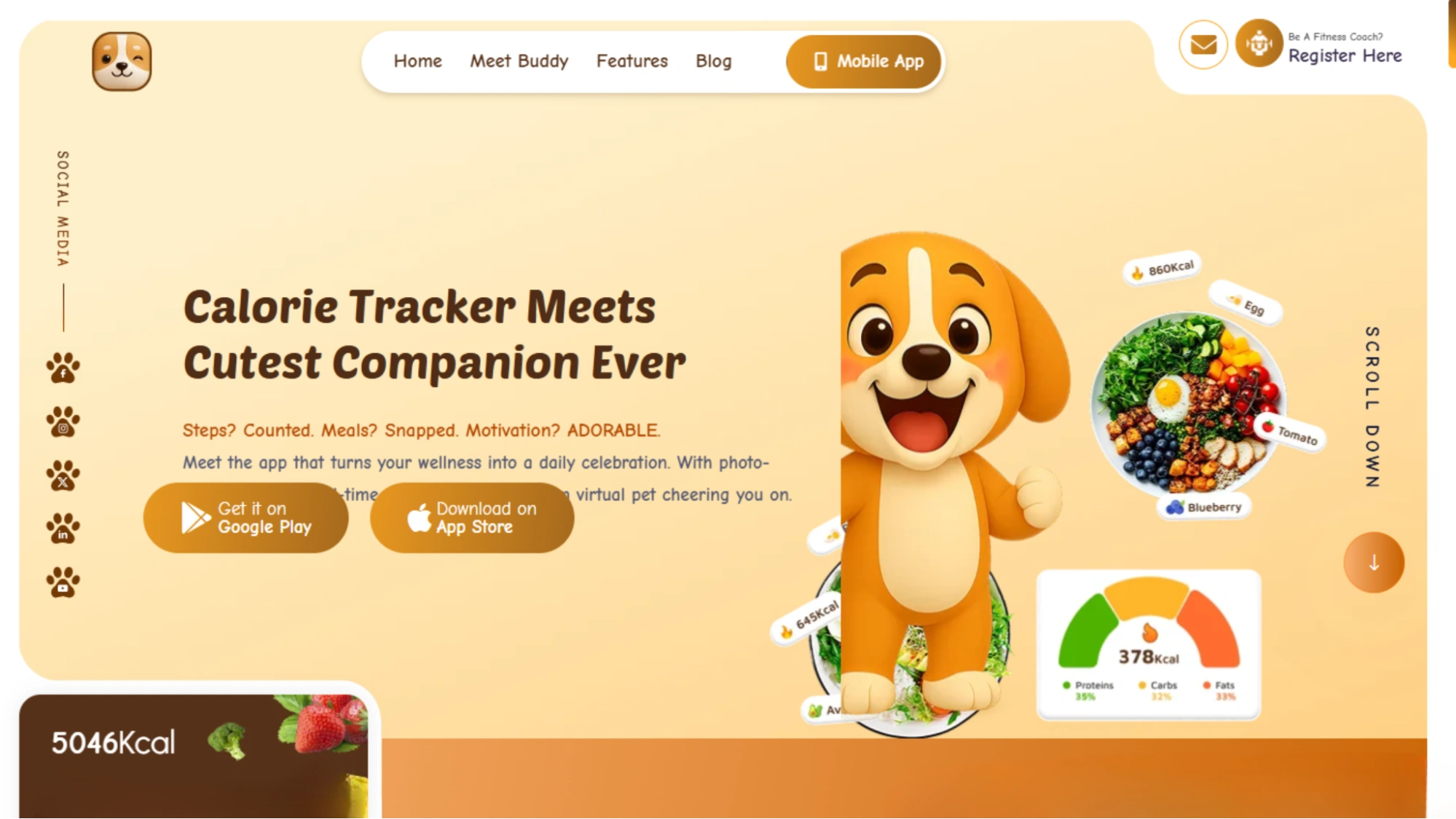
You don’t need complicated systems to stay consistent, but having a simple tracker can keep your efforts organized. It is where Calorie Tracker Buddy naturally fits in. It helps you record your activity, monitor your intake, and see whether your daily habits align with your targets. When you’re working toward how to burn 300 calories, seeing real numbers keeps you motivated and aware of your progress.
To understand how it supports your journey, let’s look at its core strengths.
Features of Calorie Tracker Buddy
Accurate Activity Tracking
You get clear updates on how much you move, how long you stay active, and how much energy you spend.
Simple Food Logging
Search for meals, enter your portions, and keep an honest view of your intake without guesswork.
Daily Calorie Targets
You can set goals that match your lifestyle, including your plan for how to burn 300 calories each day.
Progress Insights
Charts help you see your trends and adjust your habits with confidence.
Personalized Suggestions
It gives gentle recommendations based on your routine, helping you find what works best for your body.
With support like this, staying consistent becomes easier. Now that both movement and tracking are covered, let’s look at how to stay steady without burning out.
Staying Consistent With Your Calorie Burn Routine
 The hardest part of any fitness plan isn’t starting—it’s keeping the momentum going. The key is not to chase perfection. Instead of pushing too hard, aim for enjoyable activities that make your goal of how to burn 300 calories feel natural. Mix different workouts so your routine doesn’t feel repetitive. Some days you can walk longer; other days you can run shorter. If you’re tired, light movement still helps.
Smooth consistency is more realistic than heavy intensity. When you treat each day as a small opportunity rather than a strict challenge, the process feels more rewarding. And once consistency is in place, your results begin to follow.
Also Read,
Which Workout Plan Actually Burns the Most Fat?
Final Thoughts
Building a routine that helps you reach the target of how to burn 300 calories shouldn’t feel like a burden. Once you understand how your body uses energy, choose activities you enjoy, and pair them with mindful food choices, the entire process becomes manageable. With a tool like Calorie Tracker Buddy guiding your progress, you get a clearer picture of your patterns and an easier path toward your goals. Stay patient, stay active, and treat each day as a step toward a healthier rhythm.
Common Questions People Ask
How long does it take to burn 300 calories with simple movement?
It depends on your pace, weight, and activity type, but moderate movement usually gets you there in 30 to 60 minutes.
Can household chores help?
Yes. Sweeping, cleaning, organizing, and climbing stairs all add to your daily burn.
Do I need to work out every day?
Not necessarily, but frequent movement keeps your metabolism active.
Are high-intensity workouts necessary?
No. You can choose any activity you enjoy; consistency matters more than intensity.
Is calorie burn accurate on fitness trackers?
They give estimates, but they’re helpful for tracking patterns.