



Maintaining everyday health often begins with simple, natural food choices that provide consistent nourishment to the body. One such powerful plant-based ingredient is moringa leaves, which have been valued for centuries across various cultures for their nutritional and medicinal properties.
Moringa leaves are packed with essential vitamins, minerals, antioxidants, and plant protein, making them a natural support system for overall well-being. Their ability to complement daily diets has made them increasingly popular among people seeking balanced nutrition without heavily processed supplements.
As interest in holistic and preventive health grows, moringa leaves are being recognised not just as a traditional remedy, but as a practical addition to everyday meals. Whether consumed fresh, cooked, or in powdered form, these leaves offer a simple way to support daily energy, immunity, and long-term wellness.
You can listen to this Blog here.
What Is Moringa Leaves?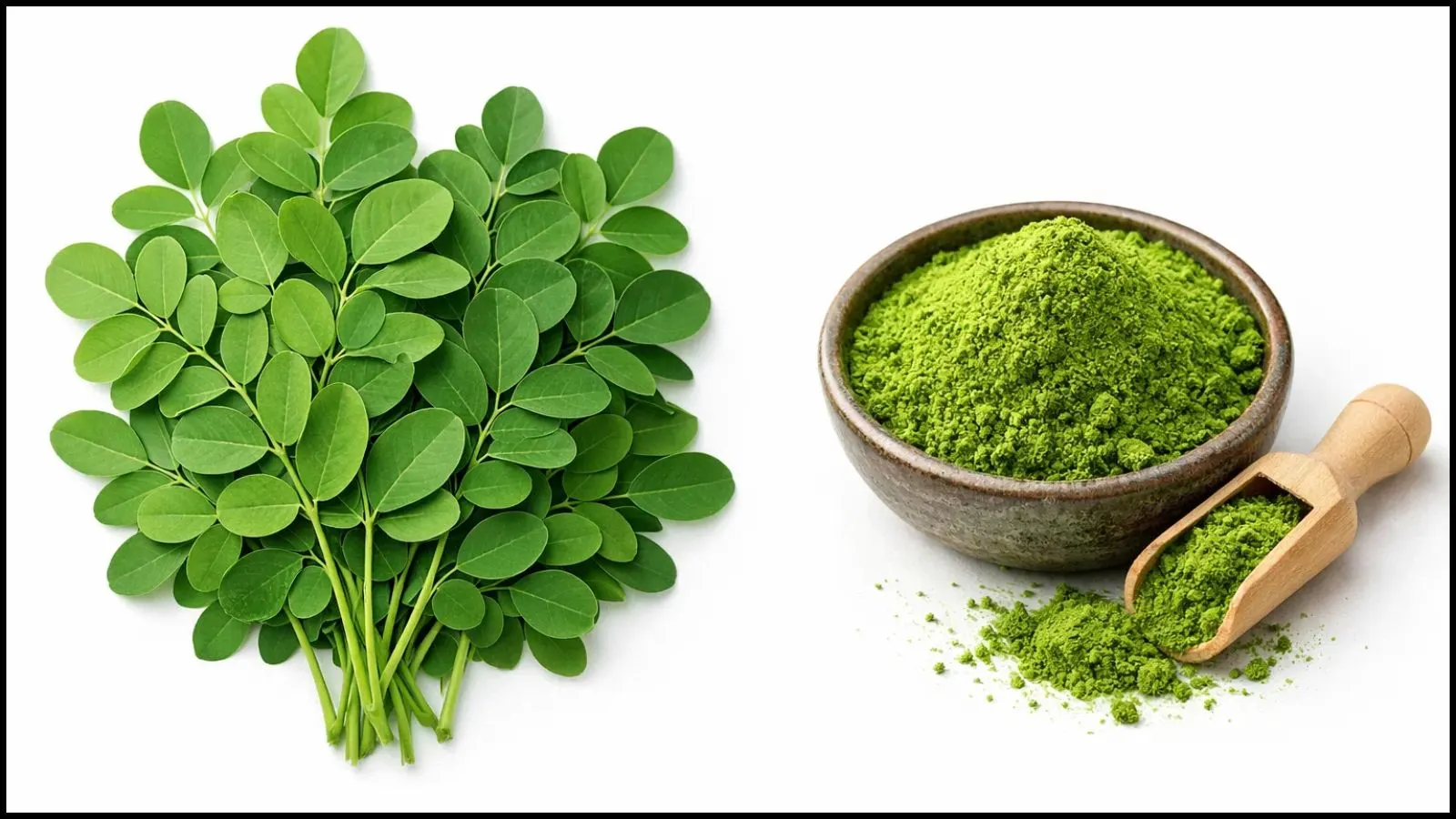
Many people curious about natural wellness often ask, what is moringa leaves and why they are considered so valuable. Moringa leaves come from the Moringa oleifera tree, a fast-growing plant native to parts of India, Africa, and Southeast Asia. Nearly every part of this tree is useful, but the leaves are especially prized for their dense nutritional content.
Traditionally, moringa leaves have been used in Ayurvedic practices and local cuisines for generations. They were commonly added to soups, stews, and herbal preparations to support strength, digestion, and immunity. Unlike many leafy greens, moringa leaves retain much of their nutrition even when dried, making them suitable for long-term use.
Fresh moringa leaves are small, soft, and green, with a slightly earthy flavor. They can be cooked like spinach or added to everyday dishes. Dried leaves are often ground into powder, offering a convenient way to include moringa in modern diets without extensive preparation.
Nutritional Profile of Moringa Leaves
One of the key reasons moringa leaves are associated with everyday health is their impressive nutrient density. These leaves provide a wide range of essential vitamins, minerals, and bioactive compounds that help support normal body functions when consumed regularly.
Moringa leaves are a rich source of vitamins A, C, and E, which play an important role in immune support, skin health, and protection against oxidative stress. They also contain B-complex vitamins that assist with energy metabolism and overall cellular function.
In terms of minerals, moringa leaves supply calcium for bone health, iron for oxygen transport in the blood, potassium for muscle and nerve function, and magnesium to support heart and muscle health. Unlike many plant foods, moringa leaves also offer a notable amount of plant-based protein, including essential amino acids.
Additionally, moringa leaves contain antioxidants and natural anti-inflammatory compounds. These help the body manage daily stress, support recovery, and maintain internal balance. This unique combination of nutrients makes moringa leaves a practical addition to a balanced, everyday diet rather than just a seasonal or occasional superfood.
Moringa Leaves Benefits for Overall Well-Being
The growing interest in natural nutrition has highlighted several moringa leaves benefits that support overall well-being when included in daily meals. Thanks to their nutrient-rich profile, these leaves contribute to multiple body functions rather than targeting just one area of health.
One of the most notable benefits is immune support. The vitamins, antioxidants, and plant compounds found in moringa leaves help strengthen the body’s natural defense system, making it more resilient to everyday environmental stressors. Regular intake may also help reduce fatigue by supporting steady energy levels throughout the day.
Moringa leaves are known for their anti-inflammatory and antioxidant properties. These qualities help the body manage low-grade inflammation, which is often linked to joint discomfort, muscle stiffness, and general tiredness. By supporting internal balance, moringa leaves can contribute to better mobility and comfort over time.
Skin and hair health are additional areas where moringa leaves offer support. The presence of vitamins A and E promotes healthy skin renewal, while antioxidants help protect against damage caused by pollution and lifestyle factors. When combined with a balanced diet, moringa leaves can play a role in maintaining a healthy appearance from within.
How Moringa Leaves Support Everyday Health?
Including moringa leaves in regular meals can contribute to everyday health by supporting essential body functions that influence energy, digestion, and overall balance. Rather than acting as a quick fix, these leaves work best when consumed consistently as part of a well-rounded diet.
Moringa help support natural energy levels by providing iron, B vitamins, and plant protein, which are important for oxygen transport and energy metabolism. This makes them especially useful for people who experience occasional fatigue due to busy routines or dietary gaps.
Digestive health is another area where moringa offer everyday support. Their high fiber content promotes healthy digestion and regular bowel movements, while natural plant compounds help maintain gut balance. A well-functioning digestive system plays a key role in nutrient absorption and overall vitality.
Moringa may also support heart health and blood sugar balance when consumed in moderation. The antioxidants and plant nutrients found in the leaves help protect cells from oxidative stress and support normal metabolic processes. Over time, this contributes to better internal balance and long-term wellness.
By supporting multiple systems at once, moringa become a practical and natural addition to daily eating habits aimed at maintaining consistent health rather than short-term results.
Common Moringa Leaves Uses in Daily Life
The versatility of moringa leaves uses makes them easy to include in everyday meals and wellness routines. Their mild, slightly earthy taste allows them to blend well with both traditional and modern recipes without overpowering other ingredients.
Fresh moringa are commonly used in home cooking. They can be added to soups, dals, curries, and stir-fries in the same way as spinach or other leafy greens. Light cooking helps retain nutrients while improving digestibility, making them suitable for regular consumption.
Moringa are also used to prepare herbal teas. Steeping fresh or dried leaves in hot water creates a mild, nourishing drink that many people enjoy as part of their morning or evening routine. Some households also use moringa in traditional home remedies for general wellness.
For people with busy schedules, dried moringa offer a convenient alternative. They can be crushed and sprinkled over salads, mixed into smoothies, or added to warm foods just before serving. This flexibility makes moringa easy to use consistently, which is key to supporting everyday health.
Moringa Leaves Powder: A Convenient Alternative
For those who may not have access to fresh leaves year-round, moringa leaves powder offers a practical and effective alternative. The powder is made by carefully drying moringa at low temperatures and grinding them into a fine form, helping preserve much of their nutritional value.
Moringa powder is easy to store and has a longer shelf life compared to fresh leaves. It can be mixed into smoothies, juices, warm water, or even sprinkled over meals like soups and salads. This makes it especially useful for people who want to maintain consistency without spending extra time on food preparation.
Nutritionally, moringa powder remains rich in vitamins, minerals, antioxidants, and plant protein. Because the nutrients are concentrated, smaller quantities are usually sufficient. A common recommendation is to start with small amounts and gradually increase based on individual tolerance and dietary needs.
While moringa powder is generally safe when used in moderation, it’s important to choose high-quality, pure products without additives. Consuming it as part of a balanced diet ensures that the benefits support everyday health without overuse.
Who Can Benefit Most from Moringa Leaves?
Because of their broad nutritional profile, moringa can support a wide range of people with different lifestyle needs. Their natural composition makes them suitable for daily use when consumed in appropriate amounts.
Working professionals often benefit from moringa due to their ability to support sustained energy and reduce feelings of fatigue. The presence of iron, B vitamins, and antioxidants helps meet nutritional gaps that may occur due to irregular meals or busy schedules.
Vegetarians and vegans may find moringa especially valuable, as they provide plant-based protein, iron, and calcium—nutrients that are sometimes harder to obtain in sufficient amounts from plant foods alone. Including moringa in meals can help support balanced nutrition without relying heavily on supplements.
Older adults can also benefit from moringa as part of a wholesome diet. The nutrients found in the leaves support bone health, joint comfort, and immune function, which become increasingly important with age. Additionally, individuals focused on overall wellness and preventive health may use moringa as a natural way to maintain everyday vitality.
How to Add Moringa Leaves to Your Daily Routine
Making moringa part of a daily routine doesn’t require major changes to eating habits. Small, consistent additions can help maximize their benefits while keeping meals enjoyable and balanced.
In the morning, moringa powder can be mixed into smoothies, warm water, or herbal teas for a gentle nutritional boost. This is an easy option for those who prefer quick, no-cook solutions. Fresh leaves can also be lightly sautéed and added to breakfast dishes such as omelets or vegetable preparations.
For lunch or dinner, moringa can be incorporated into soups, dals, and curries. Adding them toward the end of cooking helps preserve their nutrients and flavor. Even a small portion included regularly can support everyday nutrition without overwhelming the meal.
It’s important to practice moderation. Starting with small quantities allows the body to adapt, especially for those new to moringa. Pairing them with a varied diet ensures that their nutrients work in harmony with other foods rather than replacing essential dietary components.
Are There Any Side Effects or Precautions?
While moringa are generally considered safe for most people, mindful consumption is important to ensure they support health without causing discomfort. Like any nutrient-rich food, they are best used in moderation as part of a balanced diet.
Some individuals may experience mild digestive discomfort, such as bloating or nausea, especially when consuming moringa leaves in large quantities or for the first time. Starting with small portions and gradually increasing intake can help the body adjust more comfortably.
Certain groups should take extra care. Pregnant or breastfeeding individuals, as well as people taking medication for blood pressure or blood sugar management, should consult a healthcare professional before adding moringa leaves regularly to their diet. This helps avoid potential interactions and ensures safe use.
Choosing high-quality sources is also essential. Fresh leaves should be properly washed, and powdered forms should come from reputable brands without additives or contaminants. When used responsibly, moringa leaves can be a beneficial addition to everyday nutrition.
Tracking Your Nutrition for Better Results
Adding nutrient-rich foods like moringa to your diet works best when they are part of an overall balanced eating pattern. While moringa provides valuable vitamins, minerals, and antioxidants, understanding how it fits into your daily nutrition can help you achieve more consistent results.
Tracking meals allows you to see whether you’re meeting your daily calorie and nutrient needs without over- or under-consuming certain foods. This is especially helpful when incorporating superfoods, as portion control plays an important role in long-term health benefits.
This is where Calorie Tracker Buddy can be a useful companion. By logging meals and ingredients, you can easily monitor how moringa leaves contribute to your daily nutrition alongside other foods. It helps you stay aware of calories, nutrients, and meal balance, making healthier choices easier to maintain over time.
Combining mindful eating with simple tracking tools creates a sustainable approach to everyday wellness rather than relying on guesswork or short-term habits.
Also Read,
Conclusion
Supporting everyday health doesn’t always require complex routines or expensive supplements. Simple, nutrient-rich foods like moringa offer a natural way to nourish the body when used consistently and mindfully. Their rich blend of vitamins, minerals, antioxidants, and plant-based protein makes them a valuable addition to balanced daily meals.
Whether consumed fresh, cooked, or in powdered form, moringa leaves fit easily into a variety of diets and lifestyles. From supporting energy and digestion to contributing to immune and overall wellness, their benefits work best when combined with moderation and a wholesome eating pattern.
By pairing nutritious choices with mindful habits—such as tracking meals and nutrients—you can better understand what your body needs and how foods like moringa leaves support your goals. Over time, these small, intentional steps can contribute to lasting everyday health and well-being.
FAQs
- Can moringa be eaten daily?
Yes, moringa can be included in your daily diet in moderation. Both fresh and powdered forms provide essential nutrients, but it’s best to start with small amounts and gradually increase intake. - Fresh leaves vs powder – which is better?
Fresh leaves retain natural flavor and nutrients but have a shorter shelf life. Moringa powder is convenient, long-lasting, and nutrient-dense, making it ideal for smoothies, teas, and cooking. - What are the main benefits of moringa ?
Moringa leaves support immune health, energy levels, digestion, skin and hair health, and provide essential vitamins, minerals, and antioxidants.