


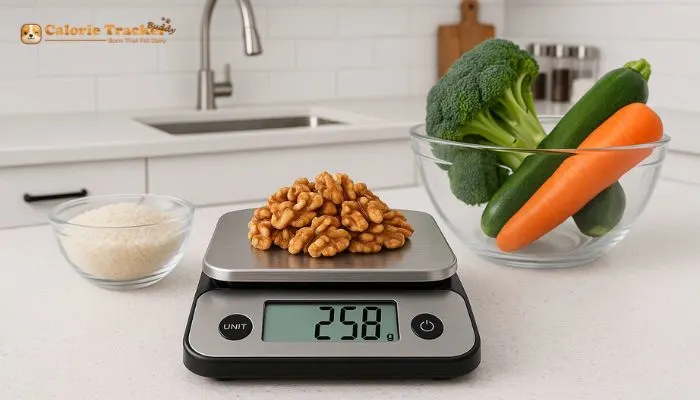
Most people think they’re eating the right amount, but portion sizes can be surprisingly misleading. A handful of nuts, a scoop of rice, or a slice of cheese often adds more calories than expected. That’s where a kitchen scale becomes a game-changer. Instead of estimating, you start seeing the real numbers behind your meals.
A kitchen scale brings accuracy into daily eating, helping you understand how much food actually goes onto your plate. For anyone trying to lose weight, maintain a healthy lifestyle, or improve fitness, small measurement mistakes can slow progress without you even noticing. With a simple tool sitting on your countertop, meals instantly become easier to track.
What makes this shift even more exciting is how effortless it feels. You aren’t changing what you eat, just how you measure it. Over time, this one habit leads to smarter food decisions, consistent calorie control, and better results from the same meals you already enjoy.
You can Listen to this Blog here.
What Makes a Kitchen Scale So Helpful for Diet Control?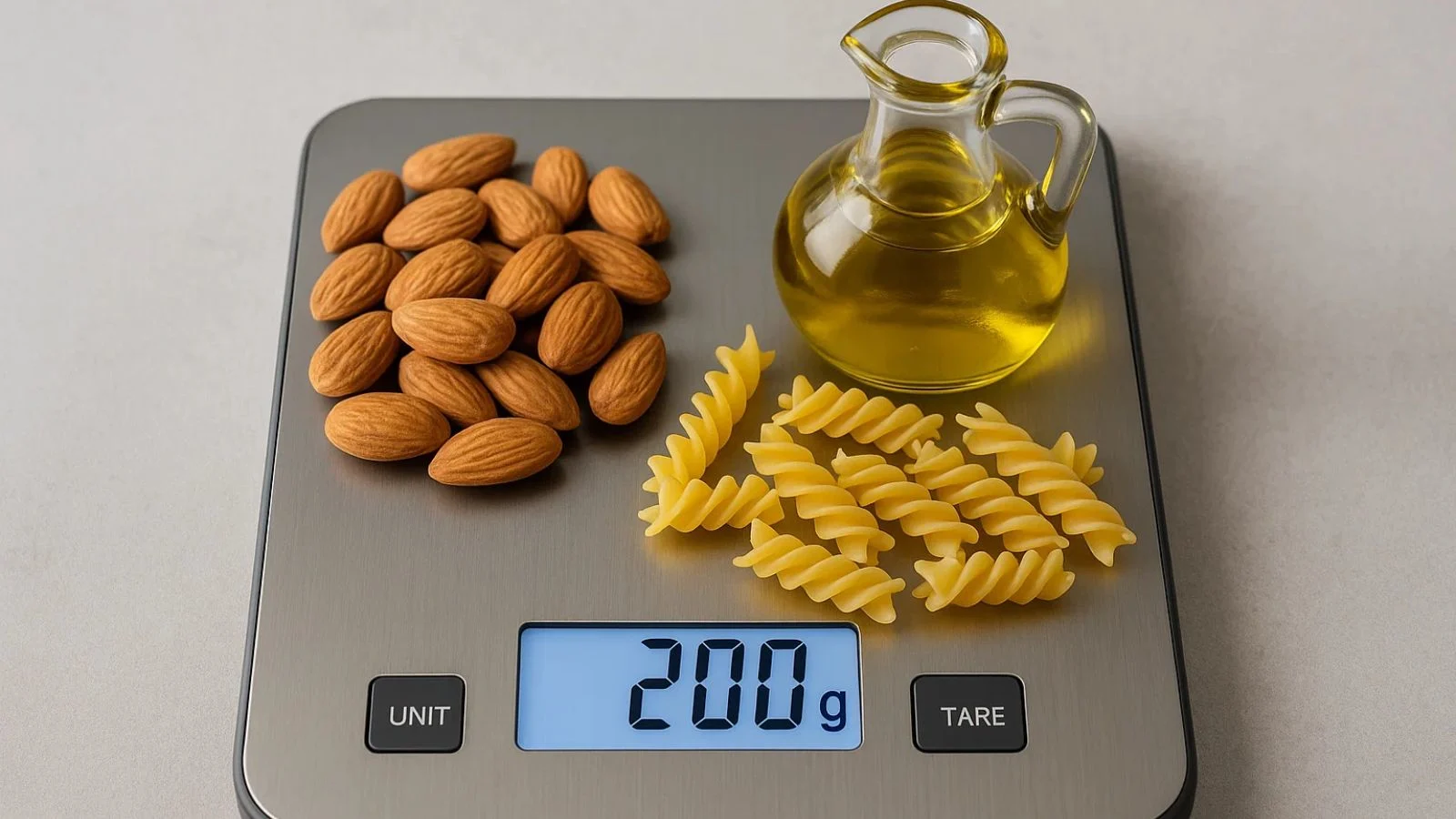
A kitchen scale removes the guesswork from everyday eating by giving you precise measurements instead of rough estimates. Even small differences in portion size can add up across the day, especially with calorie-dense foods like nuts, pasta, and oils. When you weigh ingredients, you get a clear picture of how much you’re actually consuming, not just what looks right on the plate.
Many people discover that a serving size is smaller than they assumed, and that simple realization often leads to better portion awareness. Using a food scale also helps avoid common measuring mistakes, like packing too much into a scoop or eyeballing ingredients that vary in volume.
The best part is how quickly the habit builds. Once you start weighing a few regular items—like breakfast cereal or chicken portions—you begin to understand true serving sizes naturally. Over time, this small shift leads to more accurate tracking, steady progress, and healthier eating with far less effort.
Portion Control Made Simple
A kitchen scale makes portion control effortless. Instead of guessing how much pasta, rice, or meat to put on your plate, you can weigh each serving to match your dietary goals. This is especially useful for those tracking calories, macros, or trying to lose weight. Even small inaccuracies can add up over time, so precision is key.
For example, using a kitchen scale for diet control, you can weigh a serving of nuts or peanut butter, which often gets underestimated. It helps you stick to recommended portions without feeling deprived. Meal prep becomes easier too—cook larger batches, weigh portions, and store them for the week, ensuring consistent nutrition.
Tracking becomes more reliable when combined with apps or food diaries. By knowing exactly how much you eat, you can make smarter decisions, avoid overeating, and maintain balance. Over time, using a kitchen scale trains your eye to recognize true serving sizes, making portion control almost automatic.
Accuracy in Cooking and Baking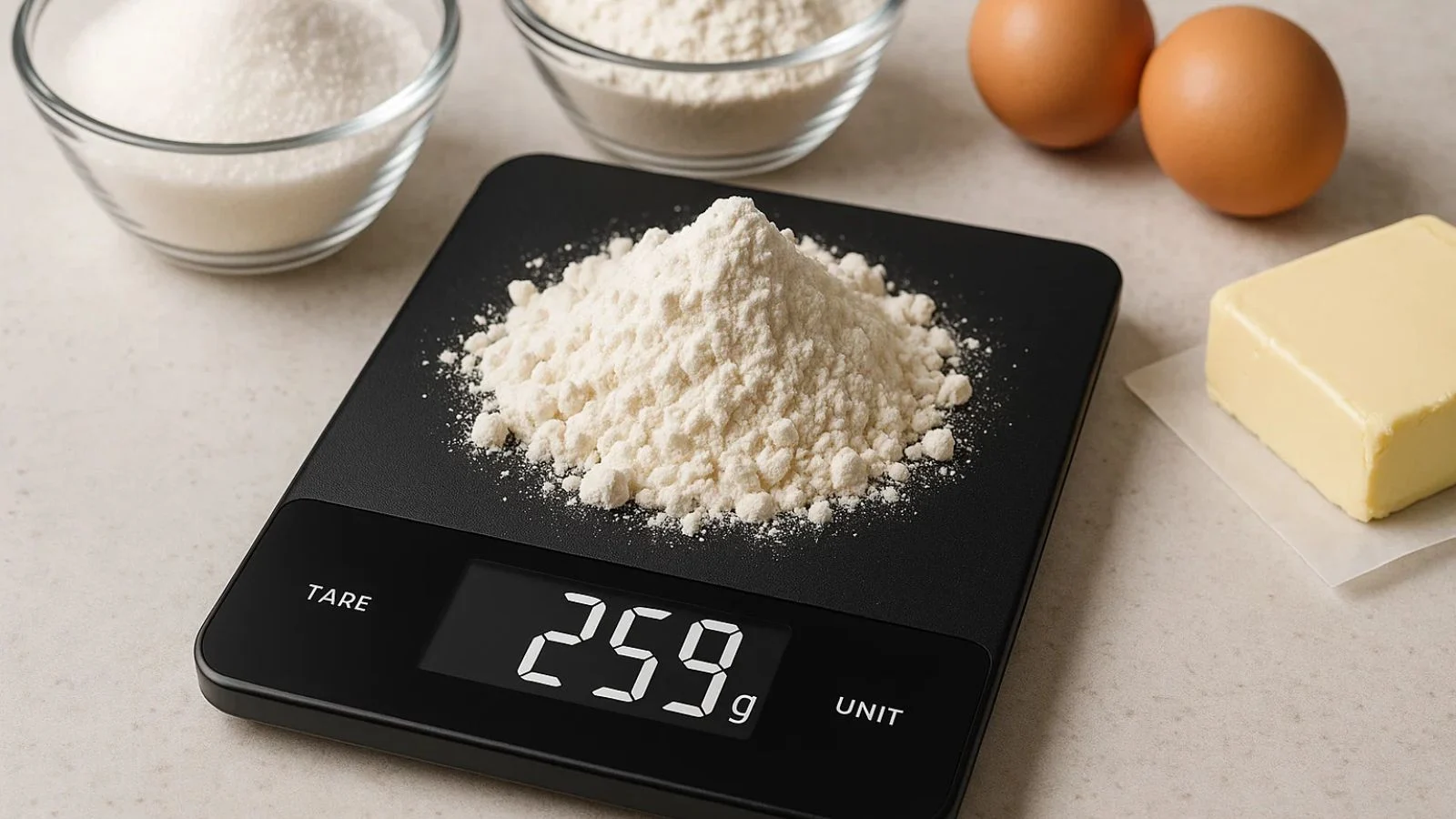
Using a kitchen scale isn’t just about dieting—it’s also essential for cooking and baking with precision. Recipes that rely on volume measurements, like cups or tablespoons, can lead to inconsistent results. Flour, for instance, can compress differently depending on how it’s scooped, causing baked goods to turn out too dense or dry. A baking scale ensures the exact amount every time, giving consistent texture and taste.
Chefs and home cooks alike benefit from a cooking scale for measuring ingredients accurately. Whether it’s spices, liquids, or dry goods, weighing ingredients eliminates guesswork and makes recipes repeatable. Even small differences in quantities can affect flavor, texture, and appearance, especially in desserts or delicate dishes.
Beyond taste, using a kitchen scale allows you to maintain portion control while cooking. You can divide servings evenly, track calories, and ensure every meal aligns with your nutritional goals. Precision in the kitchen translates to both better food and better health outcomes.
How to Measure Butter, Flour, and Liquids Correctly?
Measuring ingredients accurately is easy with a kitchen scale, and it makes a big difference for both cooking and diet tracking. Start by placing your bowl or container on the scale and using the tare function to reset it to zero. This ensures you only measure the ingredient, not the container.
For sticky ingredients like butter or honey, use a spatula to level off the portion without leaving excess behind. Liquids can also be measured directly in a container on the scale, which is often more precise than using measuring cups. This method removes inconsistencies that can affect both recipe results and calorie tracking.
Knowing how to measure butter properly, for example, helps when following calorie goals or recipe instructions. By weighing ingredients instead of estimating, you gain full control over portion sizes, ensure better outcomes in baking and cooking, and make your diet tracking more reliable.
Real Examples of Diet Transformation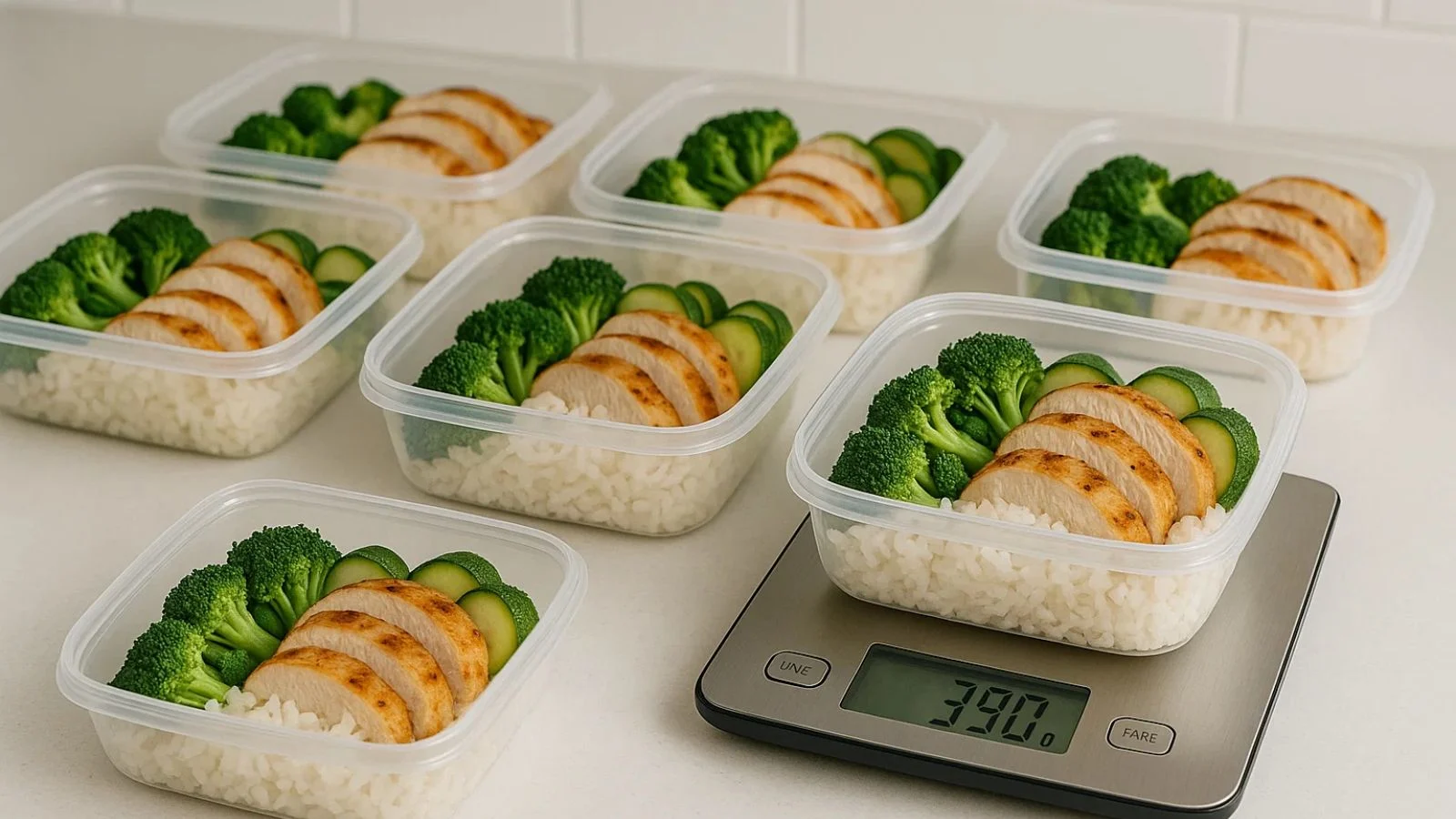
Using a kitchen scale can have a noticeable impact on everyday eating habits. For instance, someone preparing meals for the week can weigh each portion of chicken, rice, or vegetables to match calorie and macro goals. Over time, this consistency helps maintain energy balance and supports weight management without guesswork.
Fitness enthusiasts and home cooks alike use scales for precision cooking, ensuring that each ingredient is exactly what the meal plan requires. Even small adjustments, like correctly weighing nuts or oils, can significantly affect daily calorie intake. Many people find that tracking portions with a kitchen scale makes them more mindful about what they eat.
Meal prep becomes simpler and more accurate, reducing stress around portion sizes. Whether your goal is weight loss, muscle gain, or maintaining a healthy lifestyle, consistent use of a kitchen scale provides clarity, control, and measurable results.
Choosing the Most Accurate Kitchen Scale
Selecting the right kitchen scale is key to getting reliable measurements. Look for features like high sensitivity, a clear digital display, and the ability to measure in different units (grams, ounces, or milliliters). A tare function is essential, allowing you to zero the container and weigh ingredients precisely.
For those serious about tracking food, the most accurate food scale is often digital, with a minimum sensitivity of 1 gram. Some models even include rechargeable batteries or automatic shut-off features for convenience. The size of the weighing platform should also match your typical use—larger bowls or plates may require a bigger surface.
Proper maintenance ensures long-term accuracy. Keep the scale clean, avoid overloading it, and calibrate if necessary. Choosing the right kitchen scale ensures your diet tracking, baking, and cooking remain consistent and reliable.
How a Kitchen Scale Works with Apps and Tech
Modern kitchen scales often connect to apps, making meal tracking even easier. By syncing with a calorie or nutrition app, each measurement is automatically logged, giving you real-time insight into calories, macros, and portion sizes. This integration removes the need for manual logging and reduces errors in tracking.
Smart scales can store frequently used ingredients, suggest serving sizes, and even help plan meals according to your dietary goals. For anyone serious about maintaining a healthy lifestyle, combining a kitchen scale with technology ensures precision and convenience, turning daily meals into actionable data.
This connection between tools and apps creates a seamless experience, setting the stage for smarter diet management—and makes it easier to introduce solutions like Calorie Tracker Buddy for automated tracking and insights.
Tool Spotlight: Calorie Tracker Buddy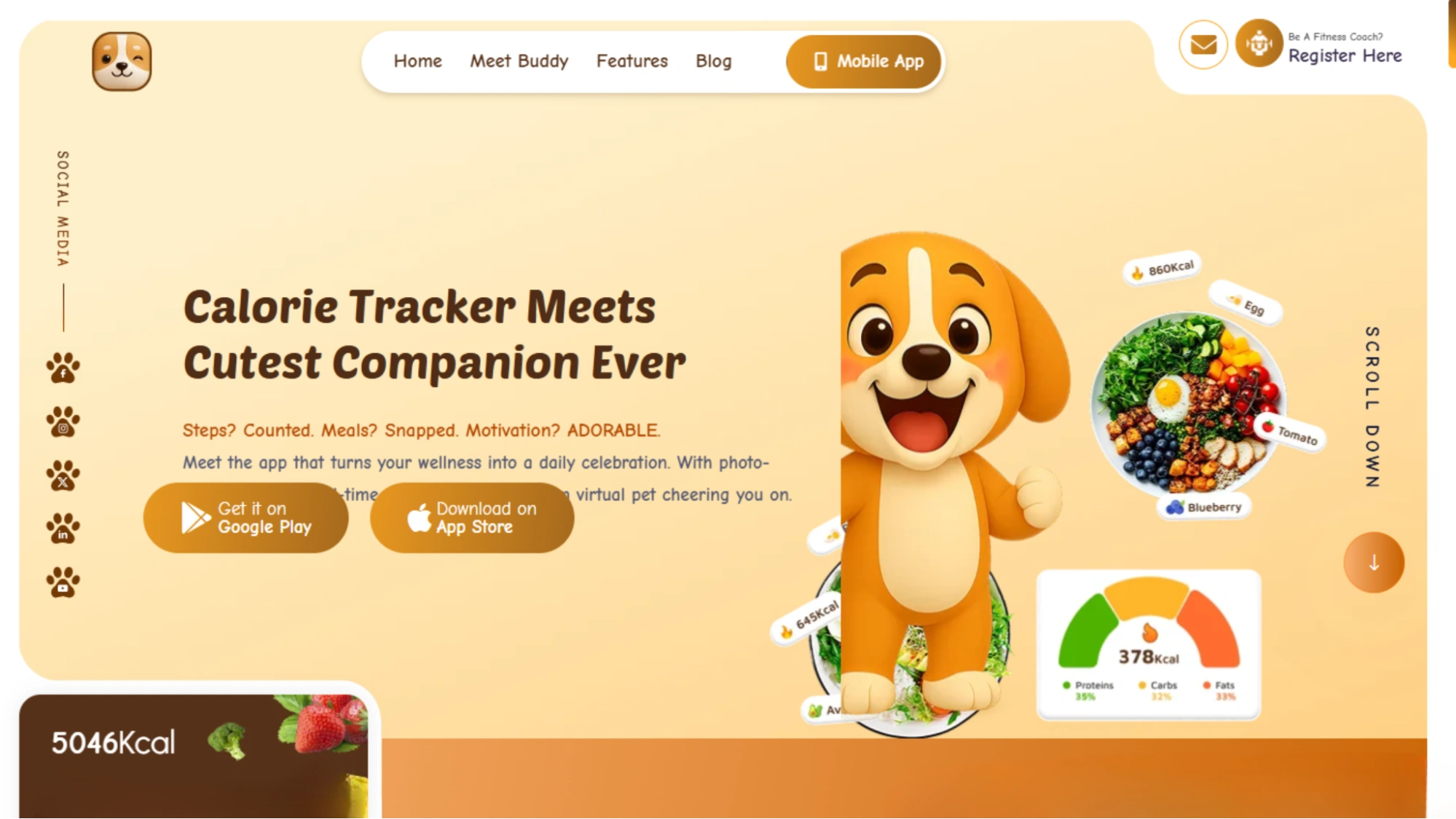
The Calorie Tracker Buddy is the simplest mobile application, making diet tracking simple and accurate. While using a kitchen scale may make it hard for you to calculate calories from each ingredient, Calorie Tracker Buddy makes it easy for you to keep track of calories with just a single snap of your food items.
With features like a comprehensive food database, progress tracking, and reminders, Calorie Tracker Buddy helps you stay consistent. It’s ideal for meal prep, weight management, or anyone who wants to maintain control over daily nutrition. However, if you want to be more precise with measurements from your kitchen scale, using it along with Calorie Tracker Buddy would be a great choice.
For home cooks, bakers, and fitness enthusiasts alike, this tool transforms how you approach eating—making it easier to achieve results and stay on track every day.
Also Read,
Conclusion
A kitchen scale is more than just a kitchen gadget—it’s a powerful tool for transforming your diet and improving cooking precision. From accurate portion control to precise baking and calorie tracking, it helps you make informed choices about what and how much you eat. Small changes, like measuring butter or weighing grains, add up over time, leading to healthier habits and better results.
When paired with tools like Calorie Tracker Buddy, a kitchen scale becomes part of a smart system that tracks meals, manages macros, and keeps you on course with your health goals. By making this one simple addition to your routine, you gain control, consistency, and confidence in both your diet and your cooking.
FAQs
- Can I use a kitchen scale for both cooking and diet tracking?
Yes. A kitchen scale measures ingredients accurately for recipes and helps track calories, portions, and macros for diet control. - How do I measure sticky ingredients like butter or honey?
Place the container on the scale, use the tare function, and level ingredients with a spatula for precise measurement. - What is the most accurate food scale for diet purposes?
Digital scales with 1-gram sensitivity, tare function, and multiple unit options are considered the most accurate for tracking portions.