

If you have ever ended a meal while still feeling hungry, you are not alone. Most people struggle with portion control because they focus on calories alone, not on volume. The secret to eating more while staying on track is choosing high volume, low calorie foods, foods that fill your stomach without overloading your calorie budget. These are ingredients that take up space on your plate and in your belly, keeping hunger at bay for hours. Whether you are trying to lose weight or simply eat smarter, understanding how volume eating works can completely change your relationship with food. Let us dive into the best options available.
Listen To The Podcast Instead!
What Is Volume Eating and Why Does It Work?
Volume eating is a strategy built around one simple idea: the more space food takes up in your stomach, the fuller you feel. High-volume, low-calorie foods are typically rich in water content, fiber, and air, all of which contribute to physical satiety without adding many calories. This is exactly why many nutrition experts say Kiwi is a Superfood: it’s low in calories, high in fiber, and packed with water, making it a smart choice for staying full without overeating.
When your stomach stretches, it sends fullness signals to your brain through stretch receptors. Foods with high water and fiber content trigger these receptors faster than calorie-dense options. That’s why a big bowl of leafy greens or fiber-rich fruits can satisfy you more than a small handful of chips, even if both have similar calories. Understanding this principle makes it easier to build satisfying meals, control portions naturally, and reduce constant hunger or cravings without relying on extreme dieting.
Top High Volume, Low Calorie Foods to Add to Your Diet:
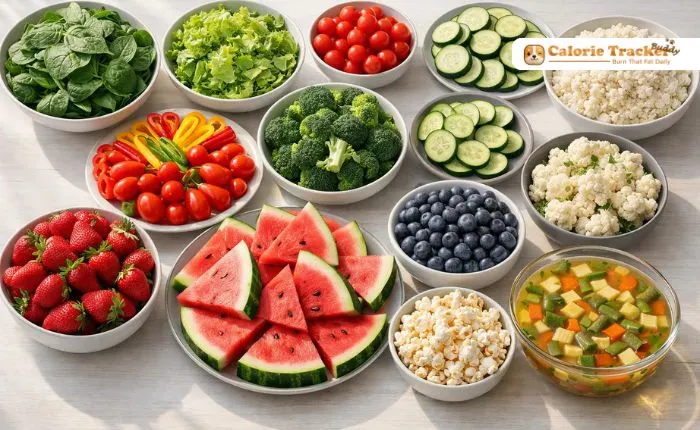
Choosing the right foods is the foundation of volume eating. High volume, low calorie foods come in many forms, and most of them are whole, minimally processed options that your body genuinely thrives on. Leafy greens like spinach, kale, and romaine lettuce are some of the best examples. A massive bowl of spinach contains fewer than 20 calories, yet it fills your plate and your stomach effectively.
Cucumbers and zucchini are similarly impressive; they are made up of over 90% water and can bulk up any meal without adding meaningful calories. Broth-based soups are another powerful tool. Studies consistently show that starting a meal with a low-sodium vegetable soup reduces total calorie intake at that sitting. High volume, low calorie foods like these form the backbone of a satisfying, sustainable eating plan.
Fruits That Fill You Up Without the Calorie Cost:
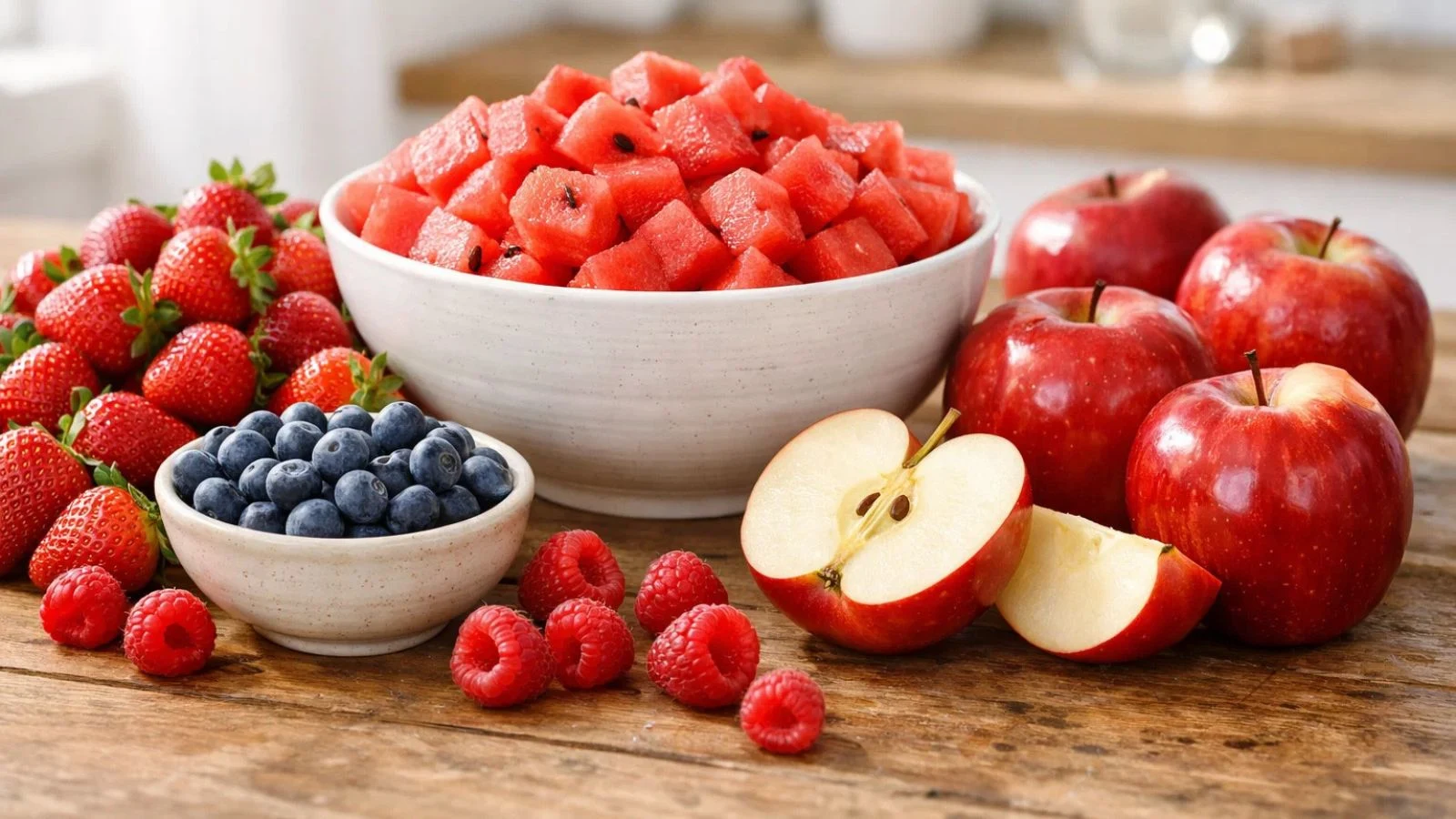
Fruit often gets a bad reputation in diet culture, but many fruits are excellent high volume, low calorie foods when eaten in reasonable portions. The key is choosing options that are high in water and fiber. Watermelon is a standout; it is 92% water and delivers just about 30 calories per 100 grams. Strawberries, blueberries, and raspberries are equally impressive, offering fiber, antioxidants, and sweetness for very few calories.
Apples deserve a special mention because they contain pectin, a type of soluble fiber that slows digestion and promotes lasting fullness. Eating an apple before a meal has been shown to reduce total calorie intake. Incorporating these fruits into your snacks and meals is one of the easiest ways to enjoy high volume, low calorie foods every single day without feeling restricted.
Vegetables That Should Be on Every Plate:
Vegetables are the crown jewels of high volume, low calorie foods. Most non-starchy vegetables offer enormous volume for very little caloric cost, making them ideal for anyone focused on managing their weight without constant hunger. Cauliflower and broccoli are particularly versatile; they can be roasted, steamed, or even riced as a base for meals.
Bell peppers are sweet, crunchy, and contain only about 30 calories each. Cabbage is one of the most underrated options, offering tremendous volume and gut-friendly fiber. Even mushrooms, which have a meaty texture, are low in calories and high in water content. Loading your plate with these vegetables before adding other ingredients is a practical way to consistently eat high volume, low calorie foods without overthinking every meal.
Protein Sources That Support Volume Eating:
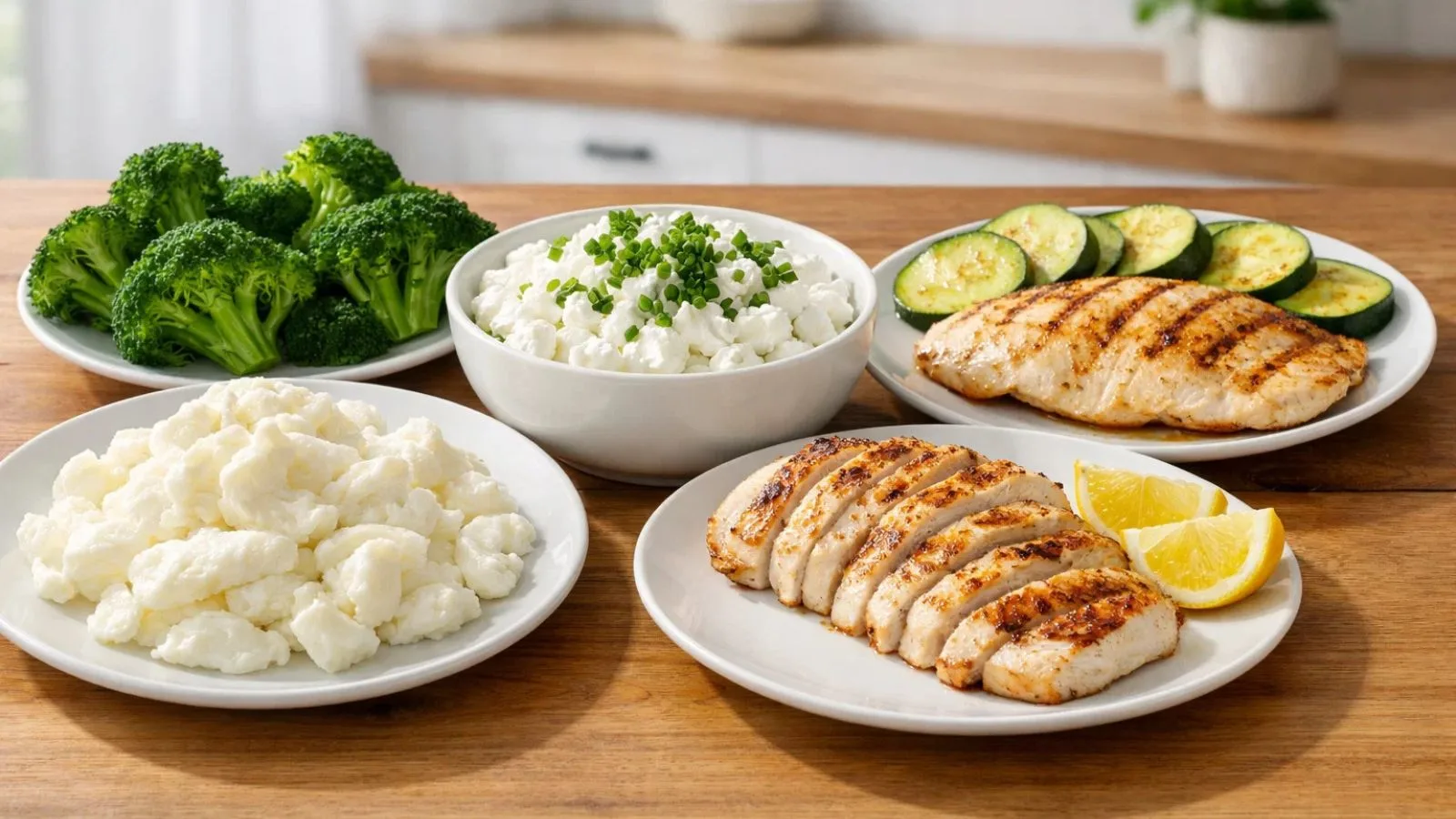
Volume eating is not just about vegetables and fruits. Protein plays a crucial role in satiety, and several protein-rich foods also qualify as high volume, low calorie foods when prepared the right way. Egg whites are an excellent option; they are almost pure protein with very few calories and can be scrambled into a large, fluffy serving. Cottage cheese (low-fat) is another winner that is thick, creamy, and filling.
Grilled chicken breast and white fish like tilapia or cod are lean protein sources that pair beautifully with high-volume vegetables to create meals that are both satisfying and low in calories. Combining protein with foods with low calorie but high volume properties is one of the most effective strategies for staying full between meals.
What About High Calorie Low Volume Foods?
To truly appreciate the power of volume eating, it helps to understand the opposite end of the spectrum. High calorie low volume foods, think nuts, cheese, oils, pastries, and chips, pack a significant calorie punch into a very small amount of food. They are not inherently bad, but they are very easy to overeat because they do not trigger the same stretch-receptor fullness signals. This does not mean you need to eliminate them. Being mindful of portion sizes and pairing them with high volume, low calorie foods can help you enjoy the foods you love while still maintaining a calorie deficit. Awareness is everything, and that is where smart tracking becomes invaluable.
Smarter Choices for High Volume Low Calorie Fast Food:
Let us be honest, not every meal is going to be home-cooked. The good news is that high volume low calorie fast food options do exist if you know where to look. Most major chains now offer grilled options, side salads, and broth-based soups that align with volume eating principles. At Subway, loading a wrap with extra vegetables like spinach, cucumbers, and peppers adds volume without adding many calories.
At Chipotle, a salad bowl with fajita vegetables, salsa, and lettuce can be a genuinely filling, low-calorie option. McDonald’s and similar chains often have side salads and grilled chicken options. The trick is to avoid creamy dressings, extra cheese, and fried additions, and instead prioritize items that are naturally high volume, low calorie foods in disguise.
Also Read:
Are Grapes Good for Weight Loss? Here’s What Science Says
Why Kiwi is a Superfood: Nutrition, Recipes, and Picking Tips
Track It All With Calorie Tracker Buddy:
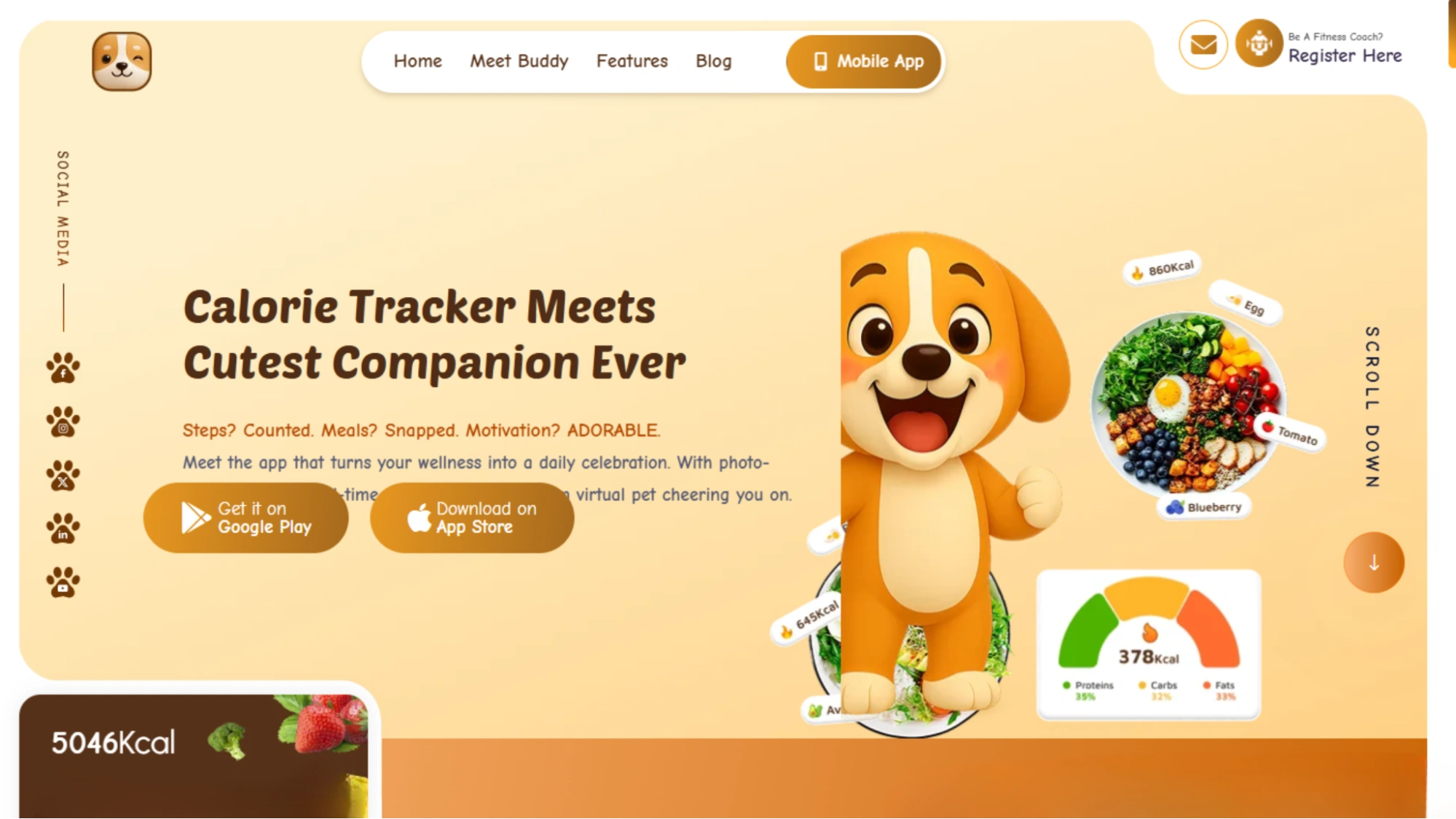
Knowing which foods to choose is only half the battle; tracking what you actually eat is what makes the difference long term. That is where Calorie Tracker Buddy comes in. It is a fun, smart app designed to make calorie tracking feel less like a chore and more like a daily win.
Here is what makes it stand out:
- Snap the Meal: Simply take a photo of your food, and the app identifies it and calculates calories instantly
- Calorie Intake Tracker, Log what is on your plate in seconds, and see exactly how it fits your daily goals
- Calorie Burn Tracker, Track steps, workouts, and daily movement to see your full energy balance
- Goal Predictions: Understand how each meal and snack impacts your progress toward your goal
- Buddy Motivation, A virtual pet that grows and thrives as you make healthier choices, keeping you engaged daily
- Macro Tracking, Monitor carbs, protein, fat, and water intake all in one place
- Social Sharing Share meals and milestones with your community for extra accountability
When you are focusing on high volume, low calorie foods, Calorie Tracker Buddy helps you stay honest, informed, and genuinely motivated every step of the way.
Conclusion:
Eating well does not have to mean eating less. By consistently choosing high volume, low calorie foods, leafy greens, water-rich fruits, lean proteins, and fiber-packed vegetables, you can build meals that are genuinely satisfying without blowing your calorie budget. Small, smart swaps make a big difference over time. Pair this approach with a reliable tracking tool like Calorie Tracker Buddy, stay consistent, and trust the process. Feeling full while eating healthy is not a myth; it is a habit you can start building today.
FAQ’s:
Q1: What are the best high volume, low calorie foods for weight loss?
Ans: Leafy greens, cucumbers, watermelon, broth-based soups, and egg whites are great options, all rich in water and fiber to keep you full without excess calories.
Q2: Are there high volume low calorie fast food options available?
Ans: Yes, go for grilled proteins, side salads, and veggie-loaded wraps while skipping creamy sauces and fried add-ons at most major chains.
Q3: How are high calorie low volume foods different from volume eating foods?
Ans: High calorie low volume foods like nuts and chips pack more calories into smaller portions and do not trigger fullness signals the way water-rich, fiber-dense foods do.
Q4: How does Calorie Tracker Buddy support a high volume, low calorie diet?
Ans: It lets you snap a photo of your meal for instant calorie tracking, monitor macros, and stay motivated with a virtual buddy that grows with every healthy choice.