

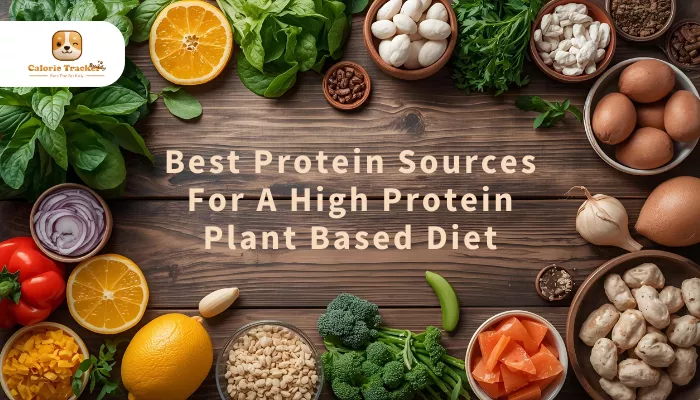
There’s something exciting about eating in a way that supports your strength, your fitness goals, and your long-term health, all while rooted in real food. Many people are shifting toward meals made from plants, yet the biggest worry always seems to be the same: Will there be enough protein? The truth is that a high protein plant based diet doesn’t just meet your needs; it can fuel your best performance when done right. Protein is key to muscle repair, hunger control, and maintaining a healthy metabolism. So, the more we understand about how to source this nutrient from plants, the easier it becomes to build meals that are both nutritious and satisfying.
To understand that properly, we first need to explore what this diet actually means and why it works so well for active lifestyles.
You can Listen to this Blog here.
What Is A Plant Based Protein Diet?
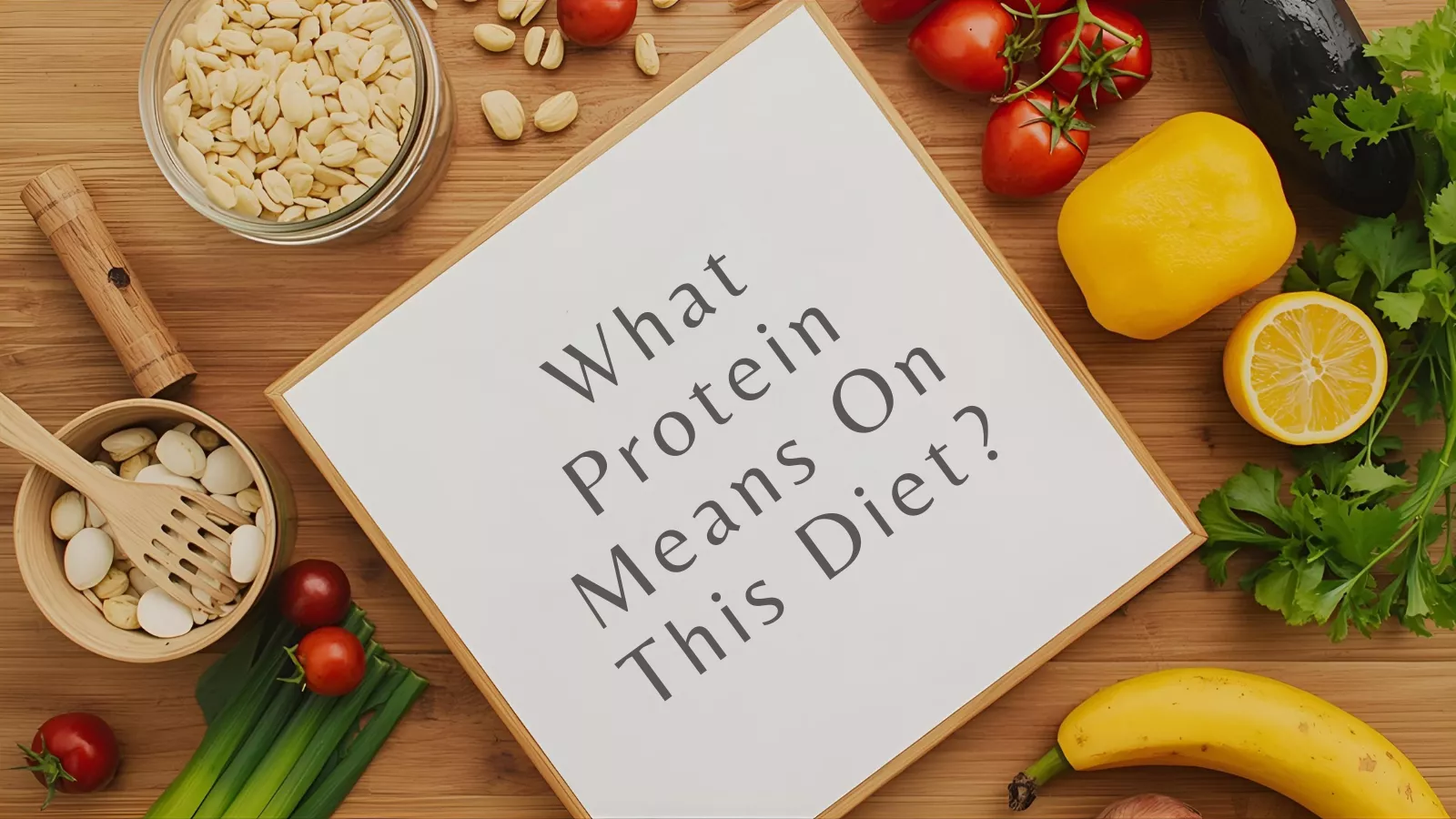 Protein sounds simple enough, but its role is powerful. It keeps you full longer and helps your muscles stay toned. When people talk about a plant-focused lifestyle, questions often arise: what is a plant based diet protein and how does it stack up to animal protein? A plant-based approach focuses on foods like legumes, soy, grains, nuts, seeds, and vegetables. These foods don’t just offer protein; they bring antioxidants, fiber, vitamins, and minerals to the table.
The exciting part is that most plants contain different essential amino acids, but may also lack some. So bringing variety to the table becomes your biggest strength. When you combine a few different ingredients across your day, your body gets everything it needs to function at its best. Now that we know what protein from plants is capable of, let’s look at why this style of eating benefits people at every age and activity level.
Why People Consider Plant Based High Protein Diet?
People often choose this direction for ethical or environmental reasons, but the health impact stands out even more. A high protein plant based diet supports weight balance, helps maintain lean muscle, and fuels steady energy throughout the day. Research continues to show that when people get most of their nutrients from minimally processed plant foods, they tend to have improved digestion, healthier hearts, and stable blood sugar levels.
There’s also a pleasant side effect: meals become more colorful and exciting. Plants naturally bring a mix of flavors and textures to your plate. And when protein is a priority, those foods become even more interesting, because they help you hit personal goals without relying on meat or dairy. Now that the benefits are clear, the next step is knowing where to find the strongest sources of plant protein.
Best Sources To Build Muscle & Strength
 Once you decide to thrive on a high protein plant based diet, your grocery list changes in the best way possible. You start noticing ingredients that might have never caught your attention before. Here are some of the most powerful ones to include:
Seitan
This wheat-based food is one of the richest plant sources of protein and works well for people who enjoy a texture similar to meat. It soaks up flavors beautifully in stir-fries and sandwiches.
Tofu, Tempeh, and Edamame
All made from soybeans, these are complete proteins, which means they deliver every essential amino acid you need. Tempeh has a nutty taste, tofu adapts to anything, and edamame makes a great snack.
Lentils
Packed with protein and fiber, lentils help support gut health and keep you satisfied. Add them to soups, salads, or even patties.
Beans
Chickpeas, black beans, kidney beans… you name it. They support heart health, digestion, and provide steady energy.
Nutritional Yeast
A cheesy-tasting ingredient full of protein and B vitamins. It’s perfect sprinkled on pasta or popcorn.
Ancient Grains
Options like spelt, teff, quinoa, and amaranth not only contribute protein but also essential minerals.
Hemp Seeds
These tiny seeds are rich in protein and healthy fats that support inflammation control.
Peas
Easy to add to anything, peas offer a surprising amount of protein for their size.
Spirulina
A nutrient-dense algae that boosts smoothies with concentrated protein and antioxidants.
Sprouted Grain Bread
Sprouting boosts nutrient absorption and makes bread more beneficial than standard loaves.
Soy Milk
Soy milk offers a reliable dose of plant-based protein that blends effortlessly into everyday routines. Whether you add it to your morning cereal, coffee, smoothies, or enjoy it on its own, it delivers steady nourishment that fits perfectly into a healthy breakfast habit.
Oats, Wild Rice, Chia Seeds, Nuts, & Vegetables
These fill the nutritional gaps and make meals more filling.
All these choices create a stronger protein based diet without ever touching meat. The next question becomes: How can we combine them in meals that feel exciting and never repetitive?
Also Read,
Top 15 High Fiber Foods To Boost Digestion And Improve Overall Health
Ways To Build Better Meals
A successful high protein plant based diet doesn’t rely on a single food. The fun lies in pairing ingredients so that flavors, textures, and nutrients all work together. A colorful dish doesn’t just taste incredible; it also keeps cravings in check.
Here are simple ideas:
- Breakfast: Oatmeal topped with chia seeds, nut butter, and soy milk
• Lunch: Lentil and quinoa bowl with leafy greens and roasted veggies
• Dinner: Tempeh stir-fry paired with brown rice or wild rice
• Snacks: Edamame, hummus with whole grain crackers, nut mixes
That kind of routine supports energy from morning to night. Still, even with great meal ideas, many people struggle to stay consistent with tracking their nutrition. That’s where smart tools help.
Tracking Goals With Confidence
Once someone adopts a high protein plant based diet, they often want to be sure they’re getting enough protein daily. Guessing can lead to either scarcity or excess, both of which can slow progress. This is where technology makes life easier.
Calorie Tracker Buddy steps in as a helpful, low-pressure companion on the journey. People can log their meals, see protein totals grow throughout the day, and learn which ingredients help them reach their goals fastest. The goal is simple: keep you aware without overwhelming you.
Since we mentioned it, let’s explore the specific ways this app supports better nutrition choices.
How Calorie Tracker Buddy Supports Smart Eating?
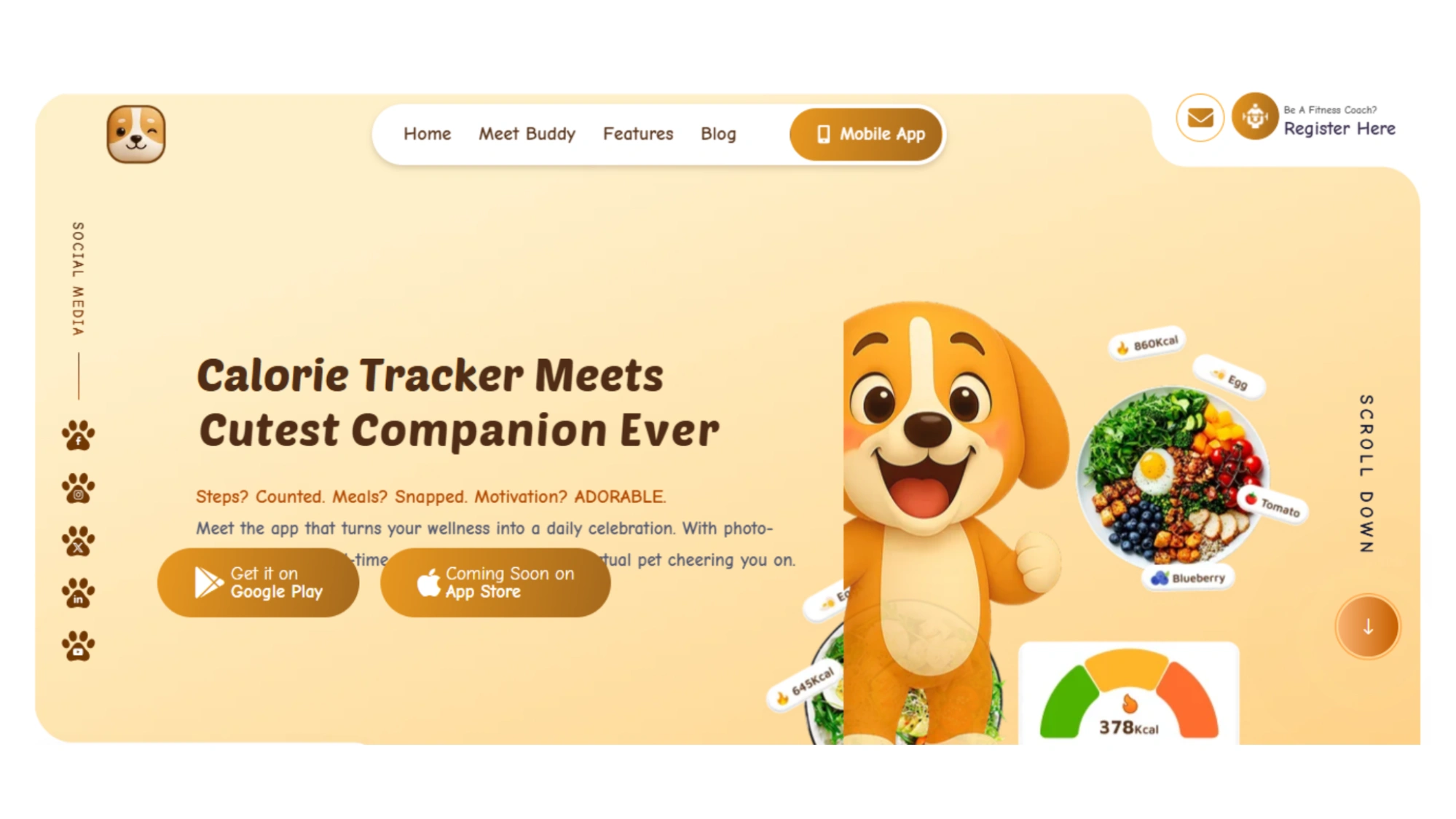 You’re likely looking for more than just numbers. Anyone focusing on a high protein plant based diet needs clarity and encouragement along the way. Calorie Tracker Buddy offers both features designed to save time and reduce stress:
- Protein tracking per meal and day to stay on target
• Macro balance overview so you know protein, carbs, and fats are aligned.
• Progress overview that celebrates improvements, not perfection
• AI Food scanning to add foods in seconds
• User-friendly charts that turn growth into motivation
This support means no more second-guessing your effort. Food logging becomes easier, and choices feel smarter every day.
Now that tracking and motivation are in place, let’s look at the nutrition details that help avoid gaps.

Preventing Nutrient Shortfalls
One area worth paying attention to in a high protein plant based diet is micronutrient coverage. While plant foods offer incredible benefits, certain nutrients like B12, iron, omega-3s, calcium, and zinc may require mindful selection.
Helpful additions:
- Iron: lentils, beans, spinach
• Omega-3s: chia seeds, walnuts, hemp seeds
• Calcium: fortified soy milk, leafy greens
• Zinc: chickpeas, pumpkin seeds
• B12: fortified products or supplements after consulting a doctor
Balanced nutrition means you not only build muscle but protect long-term health too. That leads us to a few common questions many beginners ask.
Staying Motivated For The Long Term
 Fun and consistency are the real keys to a high protein plant based diet. When meals taste good and support your goals, motivation sticks around longer. Exploring recipes, trying new grains, and discovering creative tofu dishes all turn food into a rewarding experience.
It also helps to track progress, celebrate improvements, and set new milestones. This is another moment where Calorie Tracker Buddy can support you with friendly reminders and real results. Before we wrap up, one final question matters most.
Final Thoughts
There’s no doubt that a high protein plant based diet can offer every nutrient needed for strength, energy, and healthy living. It supports your body, respects your goals, and brings a wide variety of delicious foods into your daily habits. With the right balance, thoughtful ingredients, and helpful nutrition tools, plant-powered meals become a lifestyle people truly enjoy.
If you’re curious about how your current meals measure up, start exploring what plants can do for you today. With every small choice, you move closer to a routine that feels better, performs better, and supports you for the future. Let this be your start to experiencing the full power of plants on your plate.
FAQs
Is it possible to gain muscle with a high protein plant based diet?
Yes. Many athletes build strong, lean muscle while following a high protein plant based diet. It’s just that you need to consume all the essential amino acids and do enough weight training. A single plant source protein may not help you with that. But if you are combining multiple high protein plan based foods in your diet, then you will surely be able to gain muscle by doing proper exercises.
How do beginners reach 100 grams of protein per day?
Start by prioritizing bigger sources like tofu, chickpeas, lentils, and tempeh. Then, fill the rest of your plate with quinoa, whole grains, and seeds. Keep protein evenly spread across meals so your body can use it well.
Are plant proteins easy to digest?
Most people find them quite comfortable on the stomach, especially when foods are cooked properly. Beans and lentils become gentler when soaked or combined with fiber-rich vegetables.
What about processed alternatives?
Meat substitutes can help once in a while, especially when transitioning into a more plant-forward lifestyle. Still, it’s best to make whole foods the foundation so meals stay nutrient-dense and satisfying.