


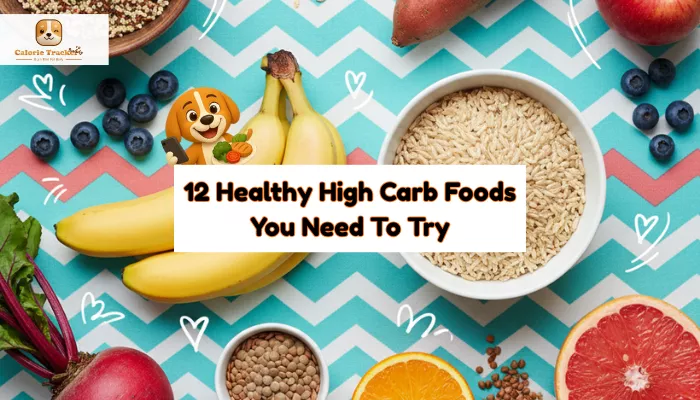
makesitFor years, carbohydrates have been cast as the villain in health stories. They’ve been blamed for everything from energy crashes to weight gain. But the fear is misplaced: in fact, some of the most vital, nutrient-packed foods on the planet are naturally high carb foods.
The real issue isn’t the existence of carbohydrates food itself, but the massive difference between refined sugars (empty calories) and whole, unprocessed sources. Stripped flours and sugars lack fiber, leading to the spikes and crashes that fuel the bad reputation.
However, a different category of carbs exists: whole foods packed with fiber, protein, vitamins, and antioxidants. These are the high carb foods that truly sustain you, power your brain, and fuel a high-performance body. Ignoring them means missing out on crucial nutrition.
Ready to embrace the good? We’ve put together a list of 12 incredible high carb foods that are scientifically proven to be healthy additions to your diet. We’ll start by looking at some staples from the earth—the wholesome grains, seeds, and legumes.
You can Listen to this Blog here.
🌱 Fuel From The Earth: Grains, Seeds, & Legumes
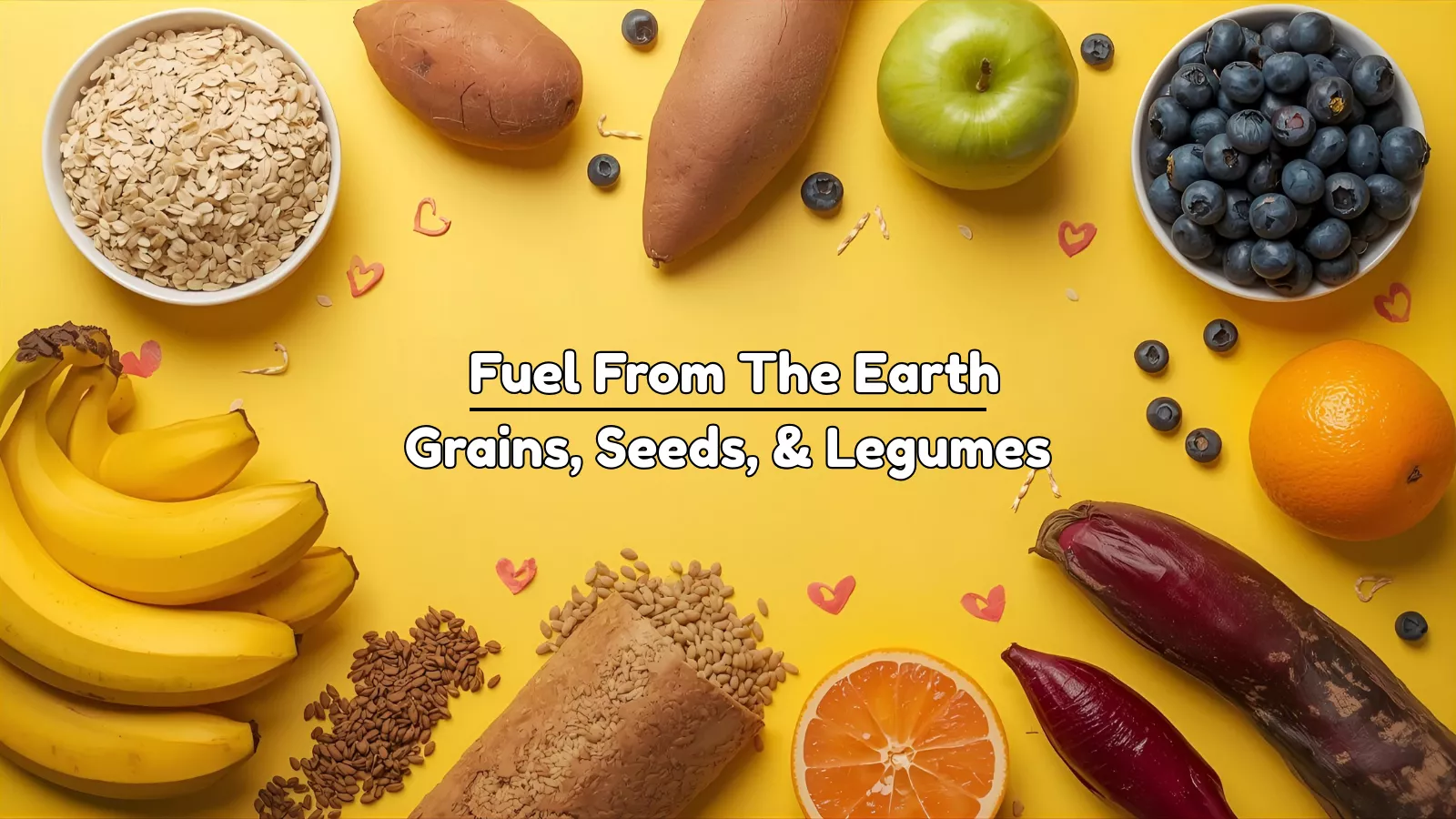 The best way to consume carbohydrates is often in their most natural, least-processed form. These grains, seeds, and legumes provide a steady stream of energy, thanks to their high fiber and nutrient density. They are the backbone of a healthy, energy-sustaining diet.
1. Quinoa: A Complete Plant Protein
Quinoa, technically a seed (a pseudocereal), stands out from other high carb foods due to its remarkably high nutritional quality. Unlike most plant foods, it contains all nine essential amino acids, making it a complete protein. With about 70% of its content being carbohydrates when cooked, it’s a powerhouse that delivers sustained energy. Its high fiber content, which contributes to its impressive carb count, also makes it an excellent ally for digestive health and stable blood sugar management. Incorporating quinoa regularly means fueling your body with quality macronutrients and essential minerals like magnesium.
2. Oats: The Cholesterol Fighter
Oats are a classic breakfast choice and for good reason. These whole grains are not just a simple carbohydrates food; they are particularly rich in a soluble fiber called beta-glucan. This compound creates a gel-like substance in your gut that effectively binds to cholesterol, helping to sweep it out of the body. Studies consistently show that incorporating oats into your diet is a simple, effective strategy for lowering LDL (bad) cholesterol and significantly reducing the risk of heart disease. Furthermore, oats have a low Glycemic Index, ensuring a slow and steady release of energy that keeps you full and focused long after breakfast.
3. Buckwheat: An Antioxidant Marvel
Despite its name, buckwheat is not related to wheat and is entirely gluten-free, making it a perfect stand-in for traditional grains. As a pseudocereal, raw buckwheat contains about 75 grams of carbs per 100 grams. Its carbohydrate contribution is well worth it because it delivers more antioxidants and minerals than many common grains. It is notably high in Rutin, an antioxidant that promotes good circulation and supports cardiovascular health. Choosing buckwheat is a choice for robust nutrition that goes beyond simple energy provision.
4. Brown Rice: Simple, Sustained Energy
Brown rice is the whole-grain counterpart to white rice. The key difference is that the nutritious outer layers—the bran and the germ—remain intact. These layers are where the nutritional magic happens. This form of high carb foods provides a wealth of fiber, B-vitamins, and minerals like manganese, which is essential for energy production and antioxidant defense. By keeping the fiber, brown rice slows down the rate at which glucose enters the bloodstream, offering a more sustained and balanced energy release compared to refined white rice.
5. Lentils and Legumes: Powerhouse of Fiber and Folate
Lentils, chickpeas, and beans are some of the most underrated high carb foods available. While they boast a high carbohydrate content, they are also exceptionally rich in both protein and fiber. This combination makes them incredibly effective at stabilizing blood sugar and promoting satiety, which is crucial for appetite control. Lentils are a spectacular source of folate (Vitamin B9), which is vital for DNA synthesis and cell growth. A regular serving of legumes provides prebiotic fiber, actively feeding the beneficial bacteria in your gut microbiome.
🥔 Wholesome Roots & Tubers: Smart Starches
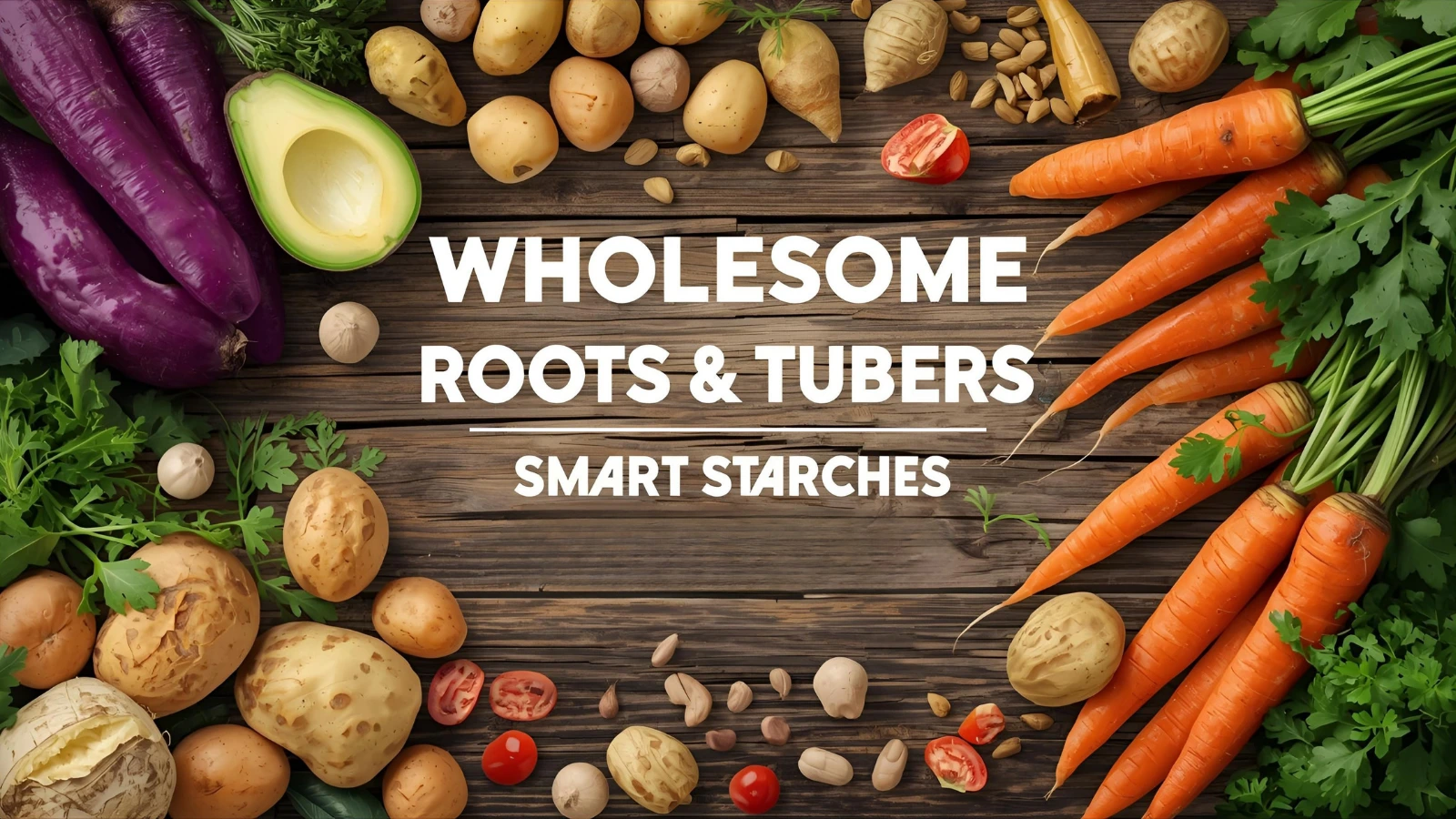 Moving from the seed to the soil, we find root vegetables and tubers—the original staple carbohydrates food for many cultures. These grounding foods offer dense energy paired with vibrant colors that signal their rich antioxidant profiles.
6. Sweet Potatoes: Immunity’s Orange Ally
Sweet potatoes are a delicious example of a nutritious, high-carb tuber. Their impressive carbohydrate profile is balanced by exceptional micronutrient content, particularly Beta-Carotene, the compound that gives them their vibrant orange color. Beta-Carotene is converted to Vitamin A in the body, playing a crucial role in vision, immune function, and skin health. Unlike many simple starches, sweet potatoes also contain antioxidants that help neutralize harmful free radicals, supporting long-term health and protection against chronic disease.
7. Beets: Nature’s Performance Booster
These beautiful, earthy root vegetables contain about 10 grams of carbs per 100 grams, but their unique benefits make them essential. Beets are a premier source of inorganic nitrates. Once consumed, the body converts these nitrates into nitric oxide, a compound that acts as a powerful vasodilator, relaxing and widening blood vessels. This effect improves blood flow, which not only helps lower blood pressure but has also been shown to enhance athletic performance by allowing oxygen to flow more efficiently to working muscles. This is a perfect example of a high carb food that offers functional benefits.
Now that we’ve explored the grains and roots, let’s look at another surprisingly healthy group that provides quick, natural energy: fruit.
🍓 Nature’s Candy: Fruit As Essential High Carb Foods
 Fruit often gets misunderstood for its sugar, but its fiber, water, and vitamins change how the body handles it. These high carb foods offer hydration and fast fuel, making them indispensable.
8. Bananas: The Optimal On-the-Go Fuel
A large banana provides about 31 grams of carbs, making it one of the most popular high carb foods for athletes. They are famed for their high potassium content, an electrolyte essential for regulating blood pressure, fluid balance, and muscle contractions. Ripeness matters: green bananas have more resistant starch, which acts like fiber and supports digestive health by feeding good gut bacteria. It makes bananas a dual-action fruit: quick energy when ripe, and gut support when slightly green.
9. Apples: Fiber for Gut and Heart Health
An apple a day really does keep the doctor away, largely thanks to its high concentration of soluble fiber, particularly Pectin. Pectin not only aids in bowel regularity but also forms a gel in the digestive tract that can help bind to and reduce cholesterol. While they contain many vitamins, apples are mostly celebrated for their fiber and the powerful antioxidants (polyphenols) concentrated in their skin. This high carb food delivers simple sweetness alongside serious health benefits.
10. Oranges: Immunity, Hydration, and Iron
Oranges are so much more than a source of Vitamin C. They are packed with water and fiber, contributing to their carb count, but they also contain specialized flavonoids like hesperidin which have been shown to support cardiovascular health. Vitamin C in oranges boosts the absorption of plant-based iron, making them a great match with meals like spinach or lentils to help prevent iron-deficiency anemia.
11. Blueberries: Protect Your Brain Cells
Frequently hailed as a superfood, blueberries are potent high carb foods composed mostly of water, carbs, and a dense concentration of vitamins and minerals. Their deep blue hue comes from Anthocyanins, a type of powerful antioxidant. Research suggests that the anthocyanins in blueberries can cross the blood-brain barrier and help protect brain cells from damage, with observational studies linking consumption to improved memory and cognitive function in older adults.
12. Grapefruit: Hydration and Digestive Support
Grapefruit is an exceptional citrus fruit with about 8% carbohydrate content, mostly from water and sugar, but it is brimming with vitamins, minerals, and antioxidants like lycopene and naringenin. These compounds may help regulate blood sugar and support heart function. Its high water content makes it incredibly hydrating.
⚠️ A Word of Caution: Grapefruit can interact negatively with several common medications. If you take prescription drugs, consult your doctor or pharmacist about potential interactions before consuming large amounts of this fruit.

Navigating The Carb Spectrum: Why Quality Matters Most
We’ve celebrated these twelve amazing high carb foods, but it’s vital to address why carbohydrates earned their bad reputation in the first place. The difference between a nutritious complex carb and a refined one is the most crucial distinction you can make in your diet.
The true health concern arises from carbohydrates foods to avoid: those that have been heavily processed, often removing fiber, protein, and all micronutrients. Refined products like soda, packaged snacks, white bread, and sugary cereals break down into pure glucose, spike blood sugar, and fuel inflammation and weight gain. We must learn to distinguish the truly healthy high carb foods to avoid from those that nourish us.
Understanding the difference between these categories is the first step toward a healthier diet, but the second step is knowing how much of these amazing foods you should be eating to meet your unique goals. This is where personalized tracking becomes essential.
Tool To Analyse Your Daily Meal
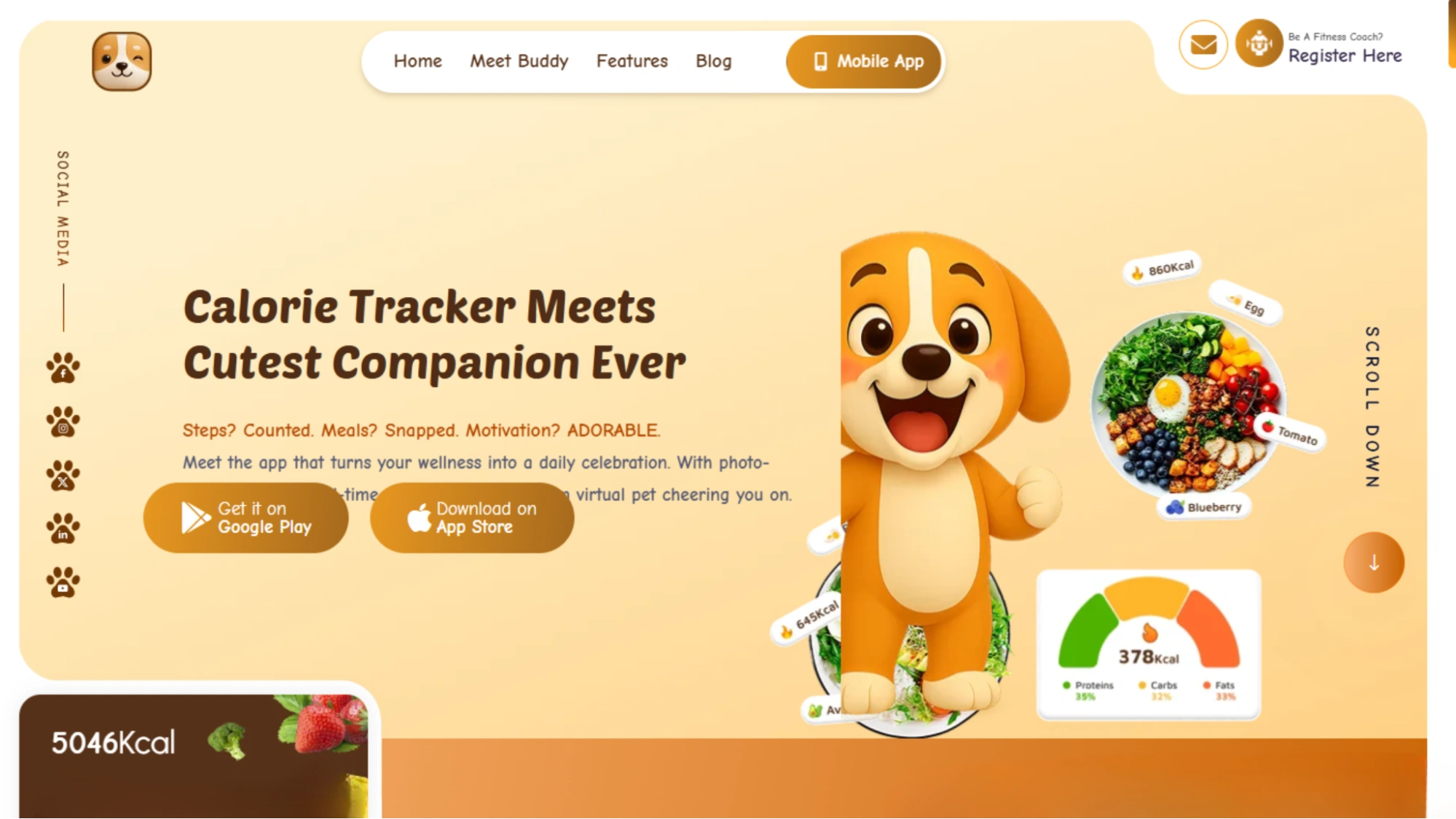
Knowing what to eat is key, but knowing how much of these wonderful high carb foods and other macros you need is the secret to personalizing your health goals. While choosing quality is crucial, understanding the overall nutrient balance of your plate is where true success lies.
Calorie Tracker Buddy is a simple app that allows users to track their daily food intake and instantly see how healthy their meals are. It shows your calories, protein, vitamins, and more, ensuring your diet helps bolster your immune system and overall fitness. It is super easy to use: just take a photo of your meals, and this tool breaks everything down for you in a clean, easy-to-read way.
Features Of CalorieTrackerBuddy
- Snap the Meal: Take a quick photo of your food, and the app instantly scans it for calories, nutrients, and meal balance.
- Calorie Burn Tracker: Counts every activity. This app tracks how many calories you burn throughout the day and shows your progress in real time.
- Calorie Intake Tracker: The app calculates calories and nutrients for you and tells you if the meal supports your health and fitness goals.
- Goal Predictions: See how each meal and snack affects your progress. The app shows how close you are to your targets and what to adjust to stay on track.
- Buddy Motivation: A cute virtual buddy grows and celebrates every healthy choice you make. It keeps you motivated with fun rewards and daily encouragement.
- Social Sharing: Share your meal photos, streaks, and achievements with friends. Stay inspired, build consistency, and get support from your squad.
Also Read,
Top 15 High Fiber Foods To Boost Digestion And Improve Overall Health
Conclusion
The verdict is clear: quality high carb foods are not your enemy. They are a necessary, vibrant component of an energetic, high-functioning lifestyle. By choosing whole sources like the 12 foods listed here, you are providing your body with the fiber and vitamins it needs to thrive.
Take the time to incorporate more quinoa, lentils, and sweet potatoes into your meals today. Start tracking your intake with Calorie Tracker Buddy to ensure you are fueling your body with the perfect amount of clean, sustained energy.
Frequently Asked Questions (FAQs)
1. Should I stop eating high carb foods in the evening if I am trying to lose weight?
No. The timing of your meals is less important than your overall daily calorie balance and the quality of the food. Consuming complex high carb foods like sweet potatoes or lentils in the evening can help replenish muscle energy (glycogen) and aid in recovery while you sleep.
2. What is the difference between complex and simple carbohydrates food?
Complex carbohydrates (found in whole foods like oats and lentils) are long chains of sugars that the body digests slowly, providing stable, sustained energy. Simple carbohydrates (refined sugars or white flour) are short chains that digest quickly, leading to rapid blood sugar spikes.
3. How do these healthy high carb foods help me control my appetite?
The healthy high carb foods on this list are rich in fiber and protein. These nutrients promote a feeling of fullness (satiety) for longer periods, which helps reduce overall calorie intake and prevents snacking between meals.