


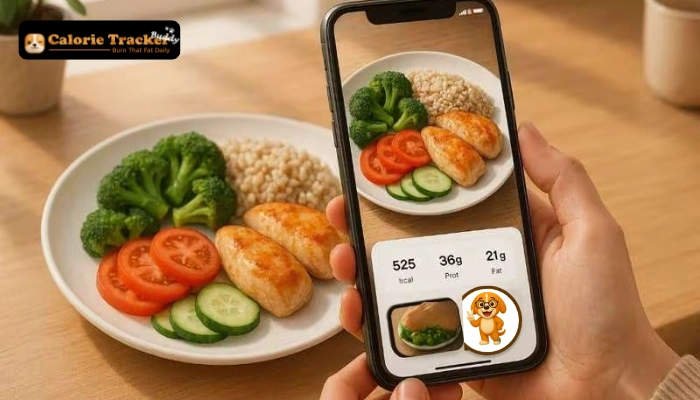
You eat clean. You skip dessert. You choose the salad over the burger. Yet the scale refuses to budge. Sound familiar? The culprit is almost always hidden calories, the ones that sneak into your diet without a single warning label.
Most people underestimate their daily calorie intake by 20 to 40 percent. That’s not a small margin. Over the course of a week, those invisible extras can easily add up to a full day’s worth of food. Understanding where these invisible extras come from is one of the most important steps you can take toward actually reaching your health goals.
Listen To The Podcast Now!
What Exactly Are Hidden Calories?
Hidden calories are the extra energy units that slip into your meals, drinks, and snacks without you realizing it. They’re not in the main dish they’re in the dressing, the sauce, the cooking oil, the handful of nuts you grab while cooking, or the oat milk you stir into your coffee three times a day.
They’re called hidden not because they’re invisible, but because they’re easy to overlook. Most people mentally account for their main meals but completely ignore the extras that surround them. Those extras are where extra, untracked calories thrive.
The Sneakiest Sources Of Hidden Calories In Your Daily Diet?
Cooking Oils and Butter:
This is one of the biggest sources of hidden calories that almost nobody tracks. A single tablespoon of olive oil contains around 120 calories. If you’re cooking two or three meals a day and casually pouring oil into the pan, you could be adding 300 to 400 untracked calories to your diet without even thinking about it.
Butter, ghee, and coconut oil are equally calorie-dense. They add flavor and richness to food, which is why we love them but they also add up fast.
Salad Dressings and Sauces:
A salad feels like the healthiest choice on the menu. And it might be, until you drown it in Caesar dressing. Two tablespoons of Caesar dressing can contain 160 calories and 17 grams of fat. Ranch, honey mustard, and creamy vinaigrettes are just as calorie-heavy.
The same goes for sauces. Barbecue sauce, teriyaki glaze, and sweet chili sauce are loaded with sugar and can turn a lean protein into a calorie bomb. These are classic calorie traps that most food diaries miss entirely.
Coffee Drinks and Flavored Beverages:
A plain black coffee has almost zero calories. But a large flavored latte with whole milk and a pump of syrup can easily hit 400 calories. Smoothies, juices, energy drinks, and flavored waters all carry extra calories your brain doesn’t register the same way solid food does.
Research shows that liquid calories are particularly dangerous because they don’t trigger the same feelings of fullness as food. You can drink 500 calories and still feel just as hungry an hour later.
Condiments and Toppings:
Ketchup, mayonnaise, sour cream, cheese sprinkles, croutons, granola, these small additions pile on extra calories faster than most people expect. Two tablespoons of mayonnaise adds nearly 200 calories. A small sprinkle of shredded cheese on your soup can add another 100.
None of these feel like “eating.” That’s precisely what makes them so problematic when you’re trying to manage your intake.
Restaurant Portions and “Healthy” Menu Items:
Restaurants are experts at hiding calories in plain sight. A grilled chicken wrap that sounds light might contain 700 calories once you factor in the tortilla, the sauce, the cheese, and the side. Dishes labeled “low fat” or “light” often compensate with added sugar, making them just as calorie-dense as their regular counterparts.
Portion sizes at restaurants are also notoriously inflated. What lands on your plate is often two to three times what a standard serving should be, meaning you could be consuming double the calories you actually assumed.
Also Read:
Why Hidden Calories Are So Hard To Catch?
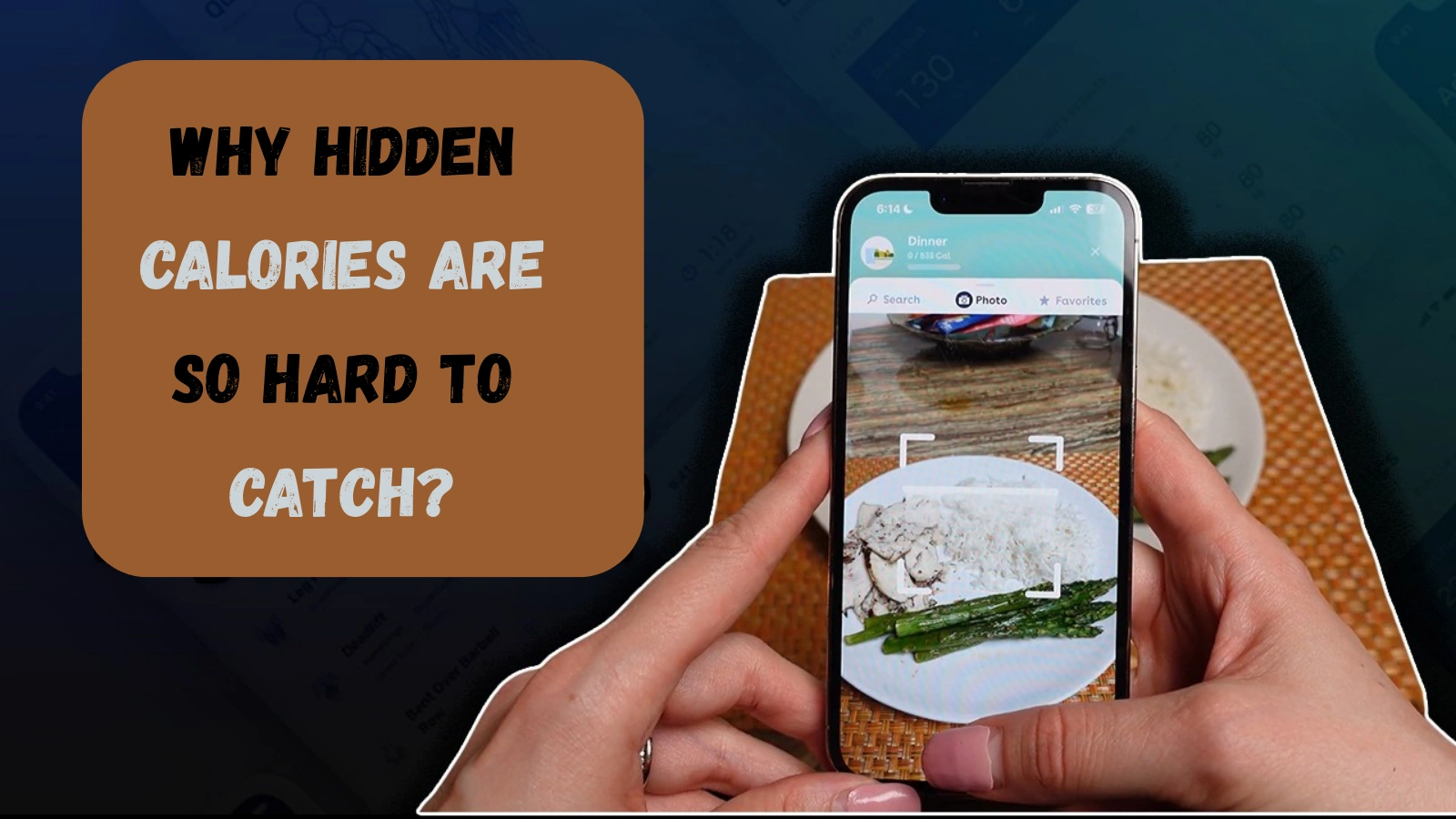
The human brain is surprisingly bad at estimating food intake. Studies show that even trained nutritionists underestimate calorie counts when eating unfamiliar foods. For the average person, visual portion estimation is wildly inaccurate especially for calorie-dense foods like nuts, oils, and cheese.
This is why manual food journaling alone isn’t always effective. You can write down every meal and still miss the hidden calories that come from ingredients you didn’t measure, bites you didn’t log, or restaurant meals where the actual recipe is unknown.
This is also where technology steps in. AI food photo analysis is changing the way people understand their meals by using image recognition to estimate calories and nutrients from a photo of your plate, removing much of the guesswork that leads to undercounting.
How Calorie Tracker Buddy Helps You Uncover Hidden Calories?
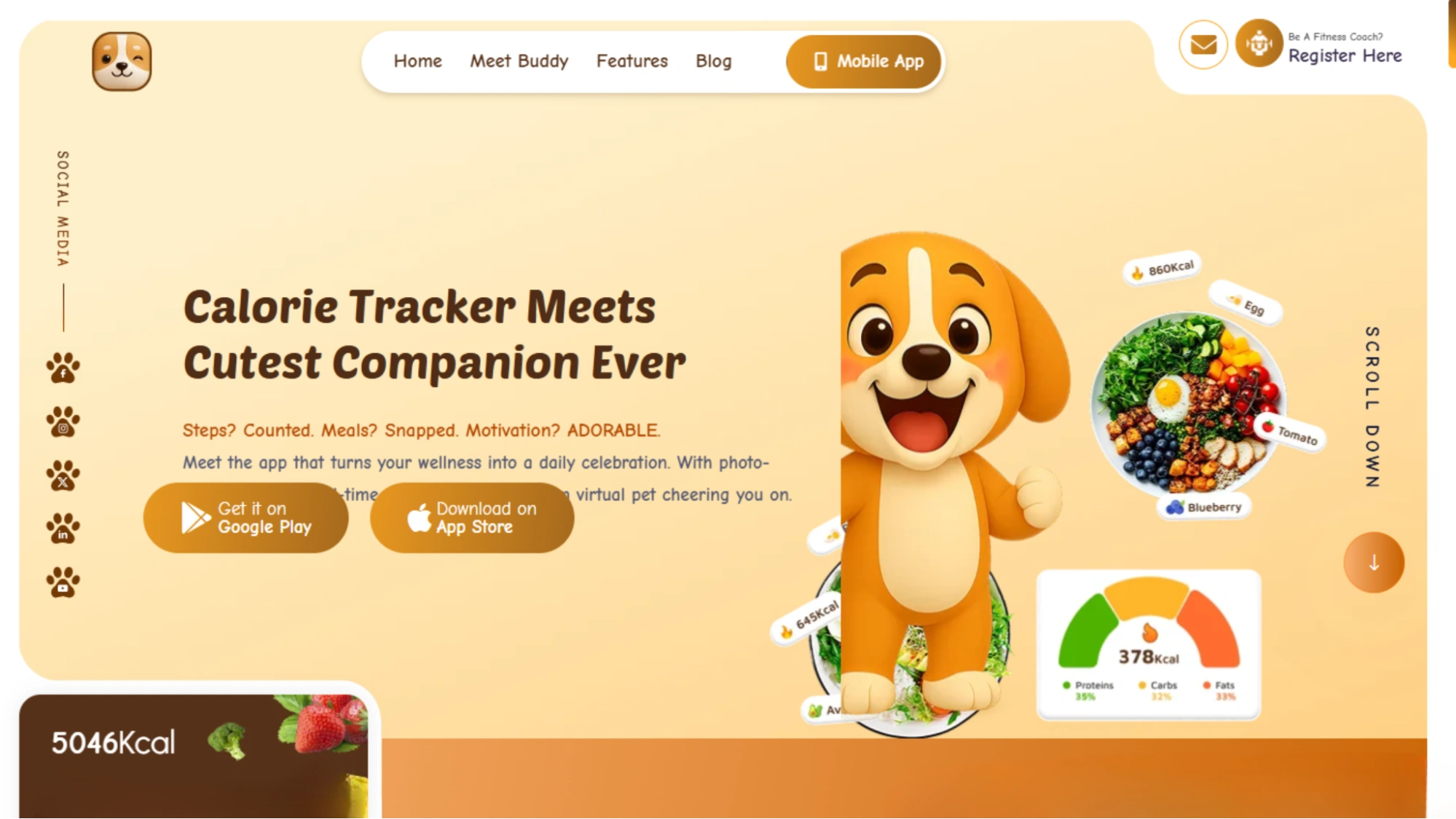
If you’re serious about finding and eliminating hidden calories from your diet, Calorie Tracker Buddy is exactly the kind of tool you need. It’s a smart, engaging app available on Google Play and the App Store, and it’s built specifically to make calorie awareness fast, accurate, and even enjoyable.
What makes it stand out is its approach to AI calorie detection using your phone’s camera to scan meals and provide a detailed nutritional breakdown in seconds. No more guessing. No more manual logging of every ingredient. Just point, tap, and know.
What Makes Calorie Tracker Buddy The Right Tool To Fight Hidden Calories?
Snap the Meal:
This is the feature that directly tackles hidden calories at their source. You simply point your camera at your food, tap once, and the app scans your meal for calories, nutrients, and nutritional balance. It works on home-cooked meals, restaurant plates, packaged snacks, and everything in between.
When you can see the calorie breakdown of a meal before you finish eating it, you’re in a much stronger position to make adjustments.
Calorie Intake Tracker:
The moment you eat, the app calculates. The calorie intake tracker gives you instant feedback on how each meal or snack fits into your daily goals. This real-time visibility is exactly what’s needed to catch hidden calories before they accumulate into a problem.
Instead of discovering at the end of the day that you went 600 calories over, you see it happening and can course-correct.
Calorie Burn Tracker:
Understanding your calorie intake is only useful when you also understand your energy output. Calorie Tracker Buddy tracks your daily calorie burn from all activity not just workouts, but everyday movement like walking, climbing stairs, and even household chores. This gives you a complete picture of your energy balance, not just one side of the equation.
Goal Predictions:
Based on everything you eat and burn, the app shows you how close you are to your goal and how each meal, snack, or drink impacts your progress. This feature is particularly useful for spotting patterns like realizing your Friday evening drinks are consistently pushing you over your weekly target.
Buddy Motivation:
One of the most unique features of Calorie Tracker Buddy is your virtual pet your Buddy who grows and thrives based on your healthy choices. Every time you log a meal, hit your step goal, or make a smart food swap, your Buddy levels up. It’s a small but powerful psychological motivator that makes the habit of tracking feel rewarding rather than restrictive.
Social Sharing:
Accountability is one of the most effective tools for long-term behavior change. Calorie Tracker Buddy lets you share your meals, streaks, and milestones with your community. When you know your squad is watching, you’re far less likely to let extra untracked eating slide unnoticed. The social layer transforms solo tracking into a shared experience.

Practical Tips To Reduce Hidden Calories Starting Today
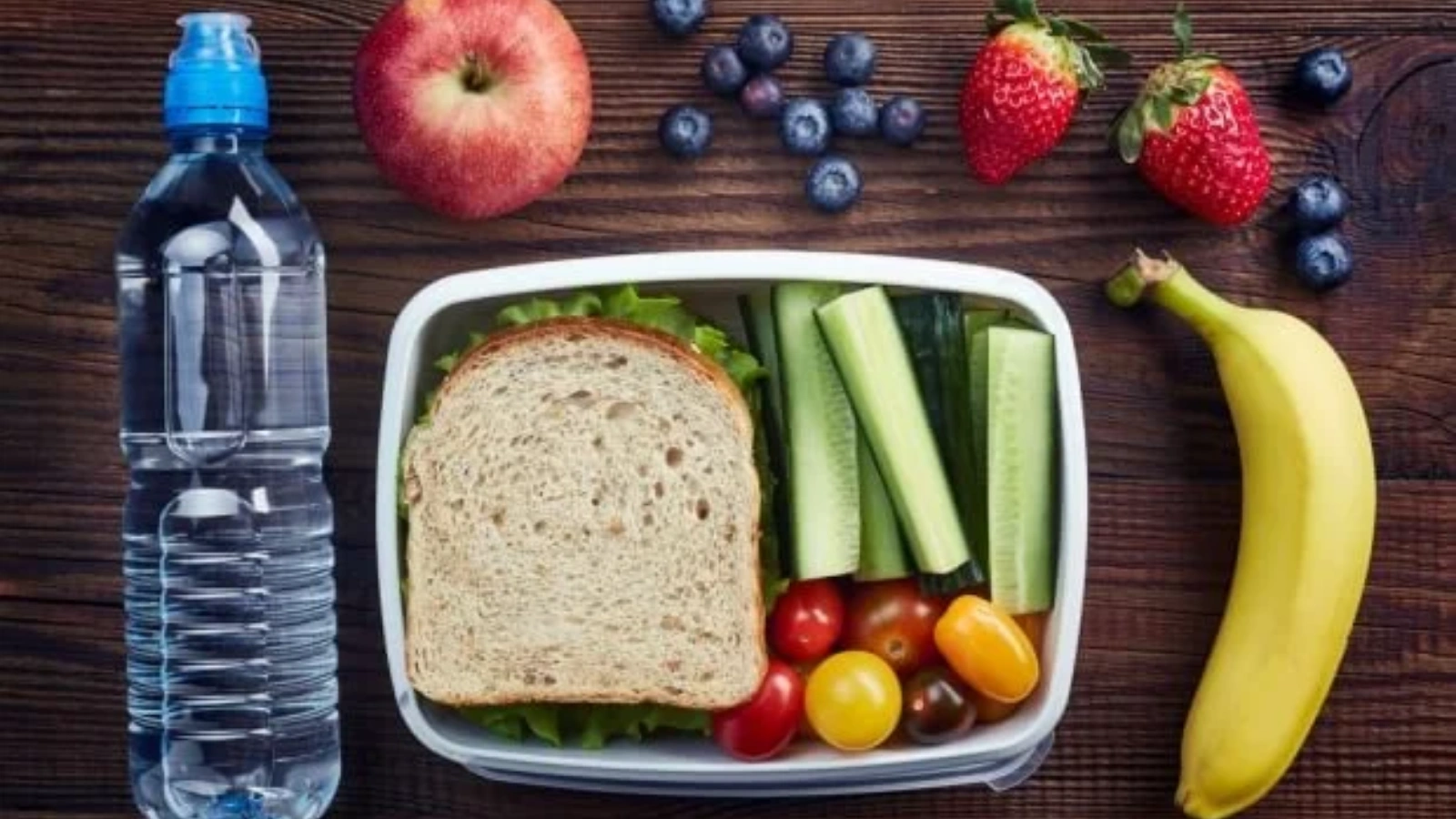
Knowing where these sneaky extras hide is the first step. Here’s how to start reducing them without overhauling your entire diet.
- Measure your oils. Instead of pouring directly from the bottle, use a measuring spoon. One tablespoon is usually enough for an entire pan.
- Ask for dressings on the side. At restaurants, this single habit can save you hundreds of calories per meal.
- Swap sugary drinks for water or plain sparkling water. If you currently drink two flavored lattes a day, switching to black coffee could eliminate 600 or more untracked calories from your daily intake.
- Use a camera-based food tracking app. The fastest and most accurate way to spot what you’ve been missing is to scan your meals rather than estimate them. Apps like Calorie Tracker Buddy remove the friction of manual logging and give you data you can actually trust.
Also Read:
How To Master Food Logging For Amazing Fitness Results?
Most people who start actively tracking their food are shocked by what they find. Not because they’re eating badly, but because they had no idea how many untracked extras were stacking up in the background.
Fixing this doesn’t require extreme dieting or cutting out foods you love. It requires awareness. Once you know where the extra calories are coming from, you have the power to make small, sustainable adjustments that add up to meaningful results over time.
Cutting even 200 to 300 extra calories a day the equivalent of swapping one oily pan for a non-stick spray and choosing water over a flavored drink creates a deficit that leads to real, steady weight loss without any dramatic changes to your lifestyle.
Conclusion
Hidden calories are the reason so many people feel like they’re doing everything right but seeing no results. They’re not failing they just don’t have the full picture yet.
With tools like Calorie Tracker Buddy, getting that picture has never been easier. Snap your meals, track your burns, follow your Buddy’s progress, and finally see the data that’s been hiding from you. The answers to your plateaus are already on your plate you just need the right tool to find them.
Download Calorie Tracker Buddy on Google Play or the App Store and start uncovering what’s been holding you back.
FAQs
Q1. Are hidden calories different from empty calories?
Yes. Empty calories come from foods with little to no nutritional value, like soda or candy. Hidden calories, on the other hand, are untracked extras that sneak into otherwise healthy meals through oils, sauces, and toppings often without you realizing it.
Q2. Can stress or lack of sleep cause me to consume more untracked food?
Absolutely. Poor sleep and high stress both increase hunger hormones like ghrelin, which drives you toward calorie-dense snacks and larger portions. This makes it even harder to stay aware of what you’re actually eating throughout the day.
Q3. Do cheat meals completely ruin a calorie deficit?
Not necessarily. One indulgent meal won’t undo consistent progress. The problem arises when cheat meals become cheat days or when portion sizes go completely unmonitored. Staying mindful even during flexible eating helps you stay on track overall.
Q4. How do cooking methods affect the calorie content of food?
Significantly. Frying adds far more calories than steaming, baking, or grilling because food absorbs the oil it’s cooked in. Choosing lower-fat cooking methods is one of the easiest ways to reduce your overall intake without changing what you eat.