



When you walk down the dairy aisle, you’re likely faced with dozens of yogurt options. Among them, Greek yogurt vs regular yogurt stands out as one of the most common dilemmas. Both options offer nutritional benefits, but understanding their differences can help you make the right choice for your health goals.
Whether you’re looking to boost protein intake, manage calories, or simply enjoy a creamy snack, this comprehensive guide will help you navigate these two popular dairy products.
Listen Instead Of Reading.
What Makes Them Different?

The main distinction between Greek yogurt vs regular yogurt lies in the straining process. Regular yogurt undergoes a standard fermentation process where milk is cultured with beneficial bacteria.
Greek yogurt takes this a step further. After fermentation, it’s strained multiple times to remove excess whey, lactose, and liquid. This straining process gives it that signature thick, creamy texture and concentrates its nutrients.
This extra step not only enhances the texture but also makes Greek yogurt a great option for those looking to Promote Fast Fat Loss. It’s denser in protein and lower in carbohydrates compared to its regular counterpart, which helps you feel fuller longer and supports lean muscle development.
Nutritional Breakdown: The Numbers That Matter:
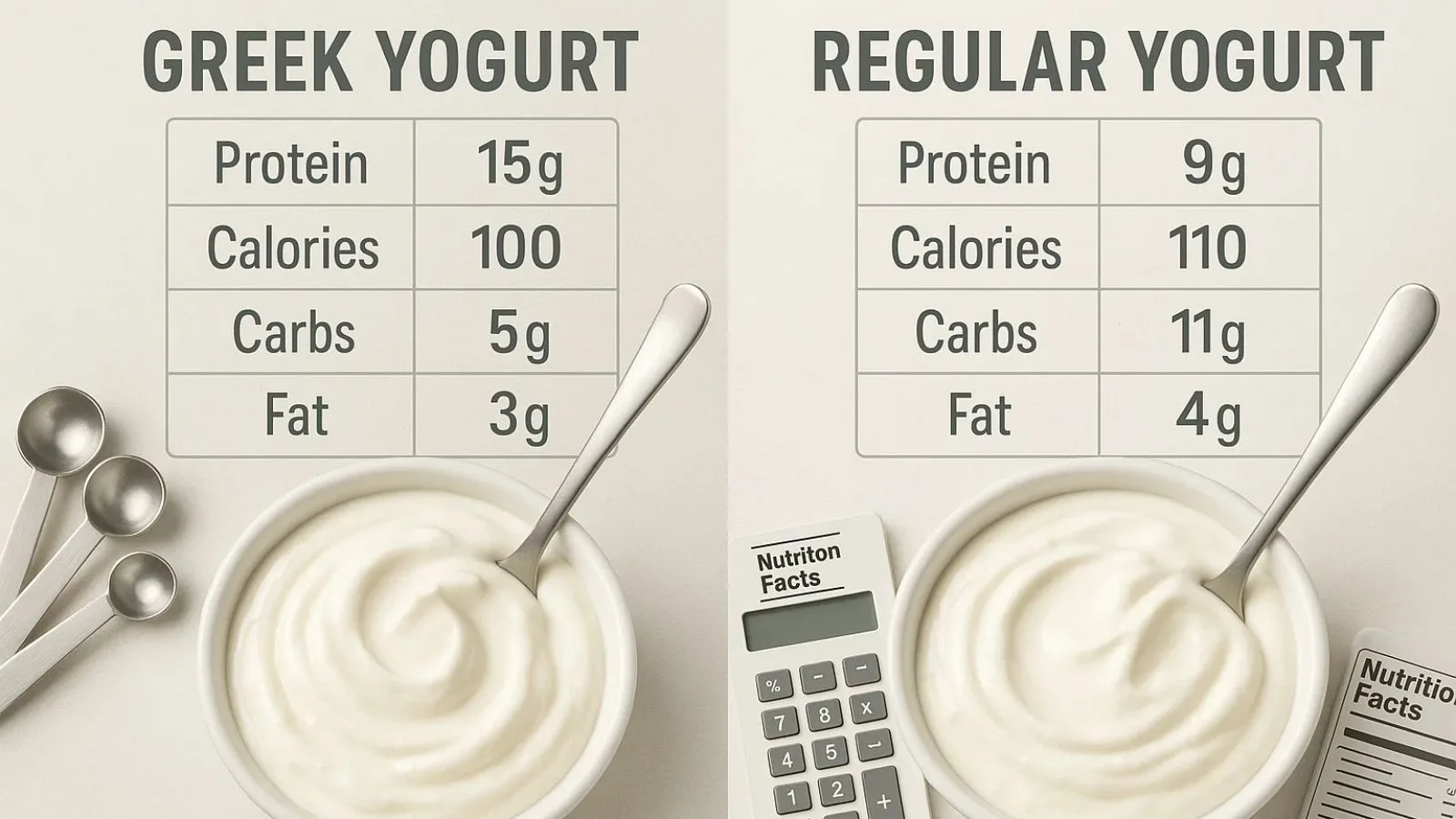
When examining Greek yogurt vs regular yogurt from a nutritional standpoint, the differences become quite clear. A typical 6-ounce serving of plain Greek yogurt contains approximately 15-20 grams of protein, while regular yogurt offers about 9 grams.
This substantial protein difference makes it a favorite among fitness enthusiasts and those looking to increase their protein intake without consuming meat.
Calorie content varies depending on whether you choose full-fat, low-fat, or fat-free versions. Generally, plain Greek yogurt contains around 100-150 calories per serving, while the regular variety ranges from 100-200 calories.
However, these numbers can skyrocket when you opt for flavored varieties with added sugars. The carbohydrate content also differs significantly in the Greek yogurt vs regular yogurt comparison.
Greek yogurt typically contains 5-8 grams of carbs per serving, while regular yogurt has 12-17 grams. This lower carb count makes it an excellent choice for those following low-carb or ketogenic diets.
Protein Rich: Why It Matters?

One of the most significant advantages when comparing Greek yogurt vs regular yogurt is the protein content. Protein plays a vital role in building and repairing tissues, supporting immune function, and keeping you feeling full longer.
The high protein content makes it an excellent post-workout snack or a satisfying breakfast option that can help curb mid-morning hunger.
For people trying to lose weight or build muscle, the protein-rich nature provides a substantial benefit. It helps maintain lean muscle mass during weight loss and supports muscle recovery after exercise.
Probiotic Benefits: Supporting Your Gut Health:

Both options in the Greek yogurt vs regular yogurt comparison offer valuable probiotic benefits. Probiotics are live beneficial bacteria that support digestive health, boost immunity, and may even influence mood and mental health.
These helpful microorganisms can improve nutrient absorption and help maintain a healthy balance of gut bacteria. The regular variety typically contains higher amounts of probiotics because it retains more liquid and hasn’t been strained as extensively.
However, Greek yogurt still provides significant benefits, though the exact amount varies by brand. When choosing either type, look for labels that say “contains live and active cultures” to ensure you’re getting these beneficial microorganisms.
These probiotic benefits extend beyond digestion. Research suggests that regular consumption of yogurt with live cultures may help reduce inflammation, support weight management, and even improve skin health.
Understanding Yogurt vs Curd:
Many people wonder about yogurt vs curd and whether they’re the same thing. In Western countries, yogurt and curd generally refer to the same product, milk fermented with specific bacterial cultures.
However, in some cultures, particularly in South Asian countries, “curd” refers to a slightly different product made by adding a souring agent to milk. The fermentation process for traditional yogurt uses specific bacterial strains, which give it a consistent taste and texture across different brands.
Also Read:
Manage Your Nutrition With Smart Tools Like Calorie Tracker Buddy:

Understanding the nutritional differences between Greek yogurt vs regular yogurt is just the first step in making informed dietary choices. Tracking what you eat helps you stay accountable and reach your health goals more effectively.
This is where modern nutrition tracking becomes invaluable. Calorie Tracker Buddy transforms the often tedious task of food logging into an enjoyable experience.
Simply snap a photo of your meal, whether it’s a bowl of yogurt with berries or a parfait, and instantly receive detailed nutritional information, including calories, protein, carbs, and fats.
The app’s AI technology analyzes your food and provides instant feedback on how your choices align with your daily goals. What makes this approach particularly helpful is the motivational aspect. As you log your meals and make healthy choices, your virtual buddy evolves and grows alongside your progress.
This gamified approach keeps you engaged and motivated, turning nutrition tracking from a chore into something you actually look forward to. Whether you’re trying to increase your protein intake or manage your calories, having instant nutritional insights helps you make smarter decisions throughout the day.
The app also tracks your macros, water intake, and exercise, giving you a complete picture of your health journey.
You can sync it with fitness trackers and receive personalized suggestions based on your dietary preferences and goals. This comprehensive approach makes it easier to understand how your food choices fit into your overall nutrition plan and helps you stay consistent.
Lactose Content: Important for Sensitive Stomachs:

For people with lactose sensitivity, the Greek yogurt vs regular yogurt decision becomes even more important. Greek yogurt contains significantly less lactose due to the straining process that removes much of the whey, which contains lactose.
Many people who struggle with regular dairy products find they can tolerate it without digestive discomfort. The regular variety contains more lactose, though the fermentation process does break down some of it. Both types are generally easier to digest than milk because the live cultures help break down lactose.
Cost and Value Considerations:
When comparing Greek yogurt vs regular yogurt, price is often a consideration. Greek yogurt typically costs more, sometimes significantly more, than the regular variety. This price difference reflects the extra processing required and the greater amount of milk needed to produce the same volume of finished product.
However, the higher protein content means it may keep you fuller longer, potentially requiring less food throughout the day. Regular yogurt offers good value if you’re on a tight budget and still want the benefits of probiotics and calcium.
Conclusion:
The Greek yogurt vs regular yogurt comparison reveals that both options offer unique benefits. Your choice should align with your nutritional goals, taste preferences, and lifestyle needs.
By understanding these differences and tracking your nutrition effectively, you can make informed decisions that support your health journey. Whichever you choose, incorporating yogurt into your daily diet provides valuable nutrients that contribute to overall wellness.
FAQ’s:
Q1: Is Greek yogurt healthier than regular yogurt?
Ans: Greek yogurt contains more protein and fewer carbs, making it better for muscle building and low-carb diets. However, regular yogurt typically has more probiotics and calcium. Neither is definitively “healthier”; it depends on your specific nutritional needs.
Q2: Can I eat yogurt every day?
Ans: Yes, daily yogurt consumption is generally safe and beneficial for most people. It provides protein, calcium, and probiotics that support digestive health. Just watch for added sugars in flavored varieties. This is very different from how you would use mother sauce in cooking.
Q3: Which yogurt is best for weight loss?
Ans: The higher protein content in Greek yogurt helps you feel fuller longer, which may support weight loss efforts. Choose plain, non-fat, or low-fat versions and add fresh fruit for natural sweetness.
Q4: Does Greek yogurt have more probiotics?
Ans: Regular yogurt typically contains more probiotics because it retains more liquid and cultures. However, Greek yogurt still provides beneficial bacteria—just check labels for “live and active cultures.”