


When it comes to improving workout performance, building muscle, or speeding up recovery, exercise alone isn’t enough. What you eat before and after training plays a major role in how your body performs and adapts. This is where fitness food becomes essential. The right nutrition can help you train harder, feel more energised, and recover more quickly after every session.
Many people focus on supplements or trendy diets but overlook simple, balanced meal choices timed correctly around workouts. Skipping meals, eating the wrong foods, or guessing portion sizes often leads to low energy, poor results, and stalled progress. Understanding what your body needs at different stages of training can make a noticeable difference.
In this guide, you’ll learn how to choose the right foods before and after workouts, how timing affects results, and how to build sustainable habits that support your fitness goals. Whether you’re a beginner or someone training regularly, mastering fitness food basics will help you get more value from every workout.
You can listen to this blog here.
Understanding Fitness Food Basics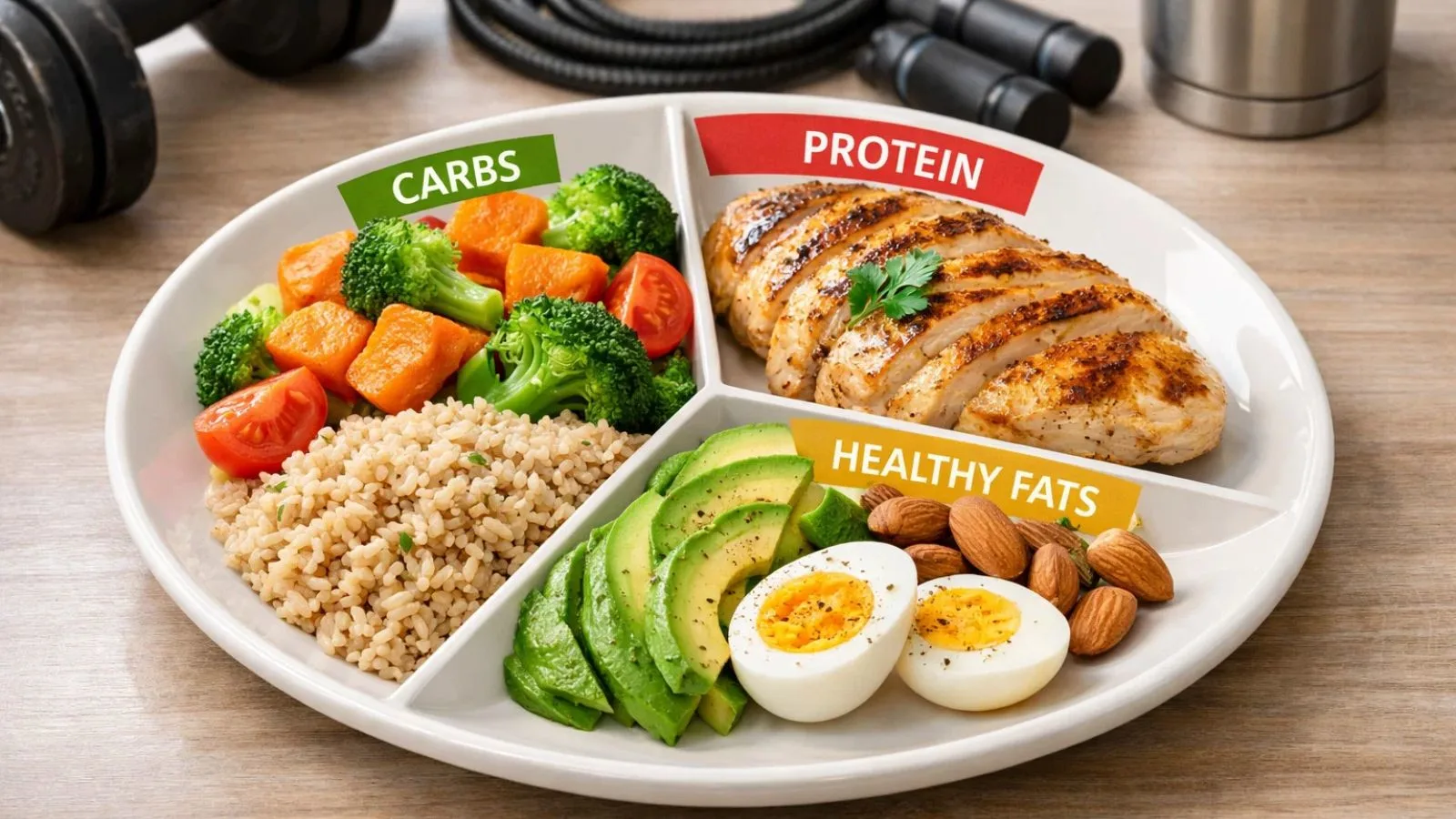
To get consistent results from training, it’s important to understand what actually makes food effective for fitness. Fitness food isn’t about eating bland meals or following extreme diets—it’s about choosing foods that support energy, strength, and recovery while fitting into your lifestyle.
At its core, fitness-focused nutrition balances three key macronutrients. Carbohydrates act as your body’s primary fuel source, especially during intense workouts. Protein supports muscle repair and growth, while healthy fats help with hormone balance and long-lasting energy. Along with these, micronutrients like vitamins and minerals play a crucial role in muscle function, immunity, and overall performance.
Timing is just as important as food quality. Eating the right nutrients before exercise prepares your body for effort, while post-workout nutrition helps repair muscle tissue and replenish energy stores. Hydration also falls under fitness food fundamentals, as even mild dehydration can reduce strength and endurance.
Instead of chasing perfection, focus on consistency and balance. When you understand how nutrients work together, making smarter food choices around your workouts becomes much easier—and far more sustainable.
Pre-Workout Nutrition: Fuel for Performance
What you eat before exercising directly affects how strong, focused, and energetic you feel during your workout. Proper fitness food choices before training help maintain blood sugar levels, prevent early fatigue, and improve overall performance. Without the right fuel, even a well-planned workout can feel exhausting.
The goal of pre-workout nutrition is simple: provide quick and steady energy without causing digestive discomfort. Carbohydrates are the main focus here, as they supply readily available fuel for muscles. Pairing carbs with a small amount of protein can help reduce muscle breakdown during training. Heavy fats and large portions, however, may slow digestion and leave you feeling sluggish.
Liquid nutrition is also popular before workouts. A well-balanced Pre workout drink can be useful when you don’t have time for a full meal or prefer something light. Natural options, such as fruit-based smoothies or coconut water blends, can provide energy and hydration without excessive additives.
Timing matters just as much as food choice. Eating 60–120 minutes before training allows proper digestion, while smaller snacks or drinks can work 20–30 minutes before exercise. Choosing the right Fitness food before your workout sets the foundation for better strength, endurance, and focus.
Best Pre-Workout Food Choices
Choosing the right foods before training doesn’t have to be complicated. The best Fitness food options before a workout provide quick energy, are easy to digest, and help you stay focused throughout your session. The key is matching your food choices with how much time you have before exercising.
If you’re eating 1–2 hours before your workout, a balanced meal works well. This can include complex carbohydrates like oats, whole grains, or fruits, paired with a moderate source of protein such as yogurt, eggs, or nuts. These foods release energy steadily and help you train with consistent intensity.
For shorter time frames—around 20–30 minutes before exercise—lighter options are better. A banana, toast with honey, or a simple smoothie can deliver fast fuel without feeling heavy. Liquid-based choices often work well here and can complement a Pre workout drink if you struggle with solid food before training.
Everyone responds differently, so it’s important to experiment and see what suits your body. Avoid high-fat, fried, or overly spicy foods right before exercise, as they can slow digestion. When chosen wisely, pre-workout fitness food helps you start every workout energized and ready to perform.
Post-Workout Nutrition: Recovery & Muscle Repair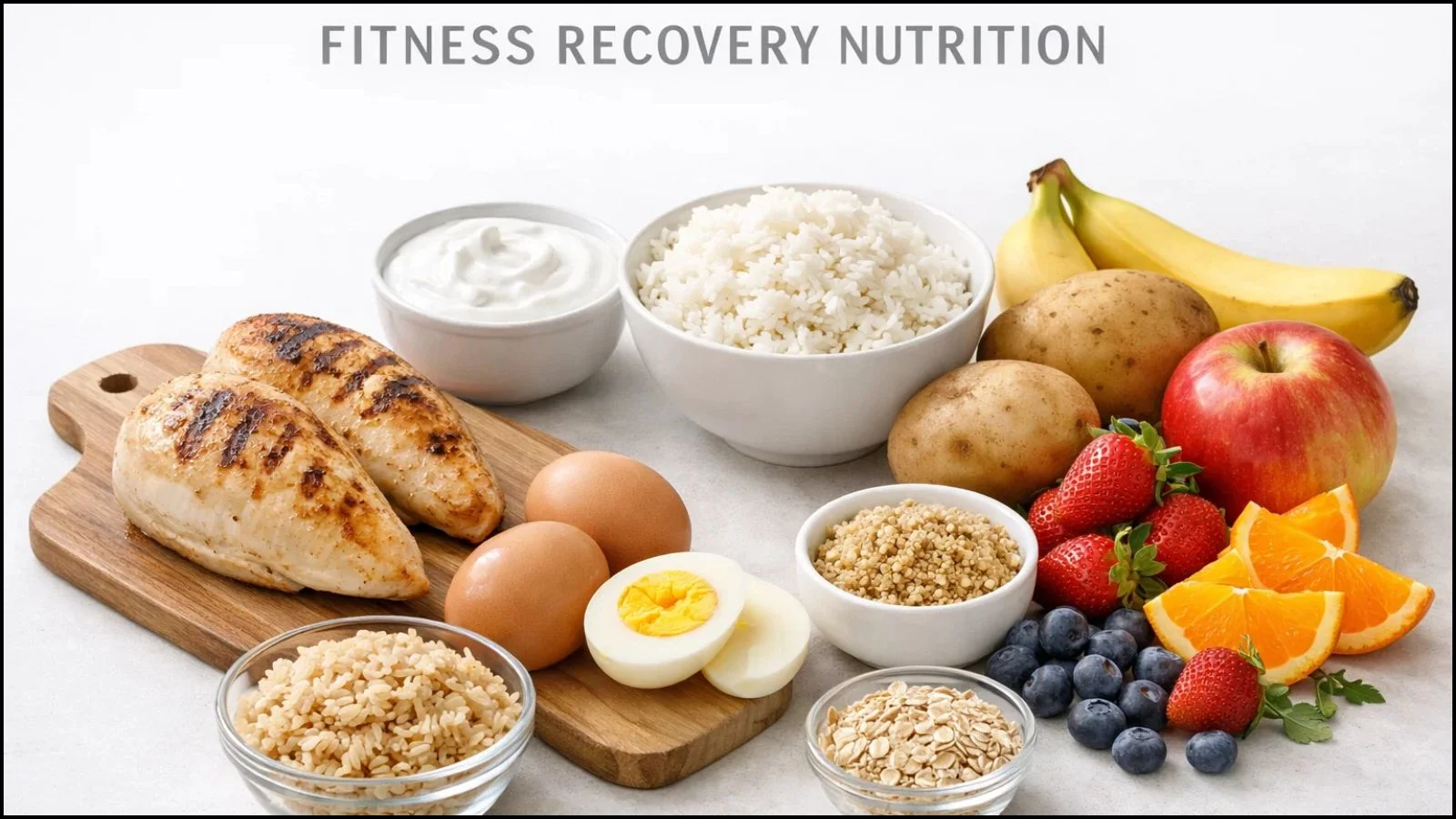
After you finish a workout, your body enters recovery mode. Muscles that were stressed during training need nutrients to repair, rebuild, and grow stronger. This is where Fitness food plays a crucial role in helping you bounce back and prepare for your next session.
Post-workout nutrition focuses on two main nutrients: protein and carbohydrates. Protein helps repair muscle fibers and supports muscle growth, while carbohydrates replenish glycogen stores that were depleted during exercise. Skipping this recovery window can lead to prolonged soreness, fatigue, and slower progress over time.
Timing matters, but it doesn’t have to be exact. Eating within 30–90 minutes after training is generally effective for most people. Whole-food post workout meals are often better than relying only on supplements, as they provide additional vitamins and minerals that support overall recovery.
Hydration also deserves attention after training. Replacing fluids and electrolytes helps reduce muscle cramps and supports circulation. By prioritizing smart fitness food choices after workouts, you create the conditions your body needs to recover efficiently and come back stronger.
Best Post-Workout Meal Ideas
The ideal meal after training should help your body recover while keeping your nutrition balanced and practical. The best Fitness food choices after exercise combine high-quality protein with carbohydrates to restore energy and support muscle repair.
A simple example is grilled chicken or tofu with rice and vegetables. This combination provides lean protein, easily digestible carbs, and essential micronutrients. Eggs with whole-grain toast, Greek yogurt with fruit, or lentils with quinoa are also excellent post workout meals that suit different dietary preferences.
Vegetarians and vegans can focus on plant-based proteins like beans, chickpeas, soy products, and seeds. Pairing these with carbohydrate sources improves nutrient absorption and recovery. Portion size is important too—overeating can slow digestion, while undereating may limit recovery benefits.
Consistency matters more than perfection. You don’t need elaborate recipes to recover well. When post-workout Fitness food becomes a habit, your energy levels improve, soreness decreases, and your training quality stays high over time.
Post-Workout Hydration & Recovery Drinks
Hydration is often overlooked, but it’s a key part of effective recovery. During exercise, your body loses fluids and electrolytes through sweat. Replacing them is just as important as eating the right fitness food after training.
Water is usually enough for light to moderate workouts. However, after intense or long sessions, adding electrolytes can support faster recovery. This is where a post workout recovery drink can be helpful, especially if you struggle to eat a full meal immediately after exercise.
Natural recovery drink options include coconut water, milk, or smoothies made with fruit and protein-rich ingredients like yogurt or nut butter. These drinks provide hydration, carbohydrates, and protein in an easy-to-digest form. Commercial recovery drinks can work too, but it’s important to check labels and avoid excessive sugar.
Drinks should support, not replace, real meals. When combined with solid foods, recovery beverages complement your overall Fitness food strategy and help you return to training feeling refreshed and ready.
Building a Sustainable Fitness Meal Plan
A well-structured eating routine makes it easier to stay consistent with your nutrition goals. Instead of focusing on individual meals, creating a balanced approach to Fitness food throughout the day helps support training, recovery, and overall health.
Start by spacing your meals evenly to maintain energy levels. Each meal should include a source of protein, complex carbohydrates, healthy fats, and vegetables or fruits. This balance supports muscle repair, keeps hunger in check, and provides steady fuel for daily activities and workouts.
Your calorie needs will vary depending on your goal—fat loss, muscle gain, or maintenance. A practical fitness meal plan adjusts portion sizes rather than cutting out entire food groups. Extreme restrictions often lead to burnout and inconsistency, which can slow progress.
Tracking what you eat can make meal planning more effective. Being aware of portions and calories helps you stay aligned with your goals without guesswork. When fitness food planning fits your lifestyle, it becomes easier to stay motivated and achieve long-term results.
Tracking Nutrition for Better Results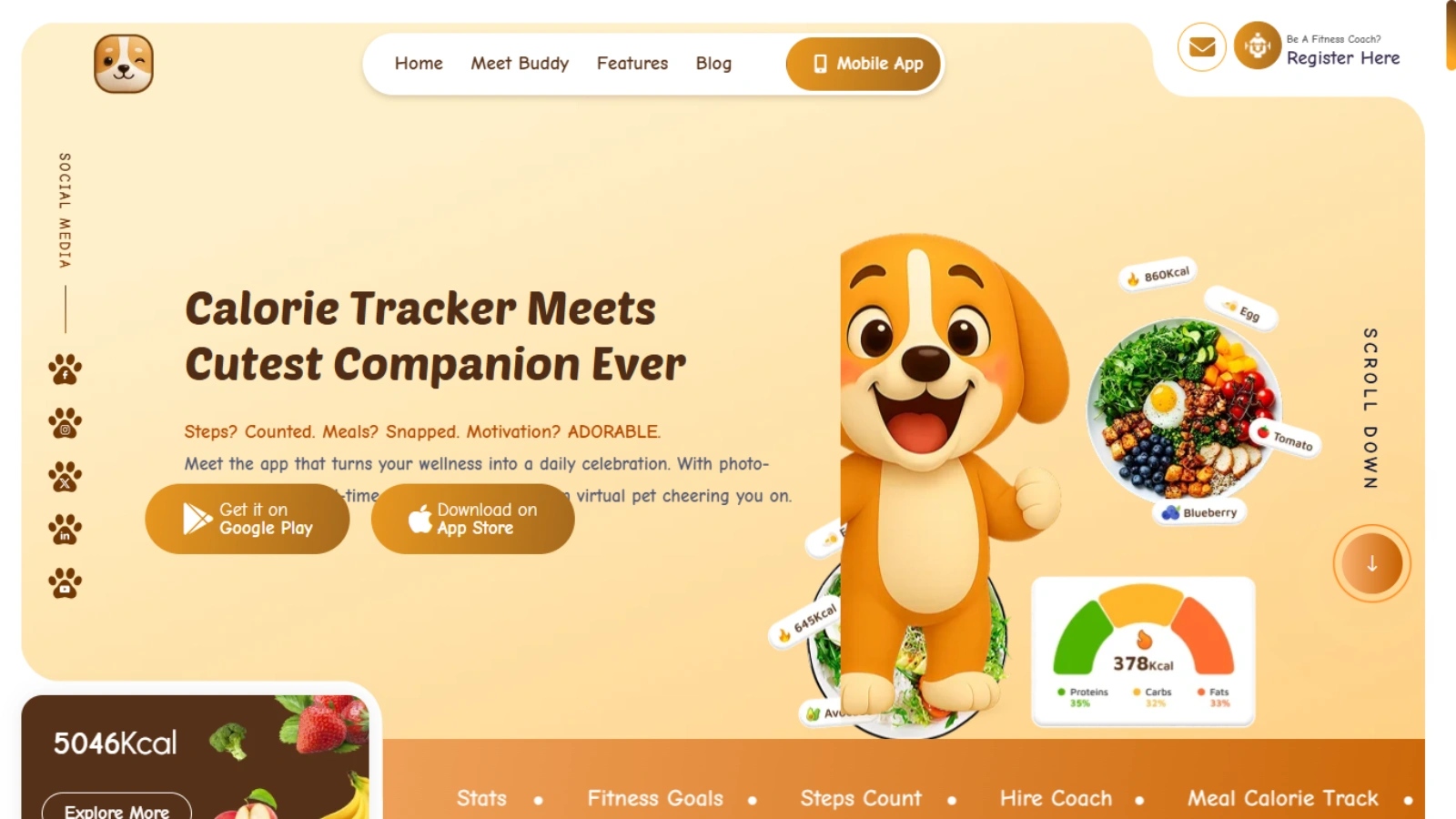
Even with good food choices, progress can stall without awareness of how much and what you’re actually eating. Tracking your intake helps turn guesswork into informed decisions, making your fitness food strategy more effective and consistent.
Monitoring calories and macronutrients allows you to see patterns that affect performance and recovery. You may realize you’re under-eating protein, missing carbs around workouts, or consuming more calories than needed. Small adjustments based on real data often lead to better results than drastic diet changes.
This is where tools like Calorie Tracker Buddy become valuable. It simplifies food logging, helps you understand portion sizes, and shows how your daily intake aligns with your fitness goals. Instead of obsessing over numbers, you gain clarity and control over your nutrition choices.
When used correctly, tracking supports flexibility rather than restriction. It helps you build smarter habits and stay accountable. Pairing awareness with balanced fitness food choices sets a strong foundation for long-term fitness success.
Common Fitness Food Myths
With so much information online, it’s easy to get confused about what really works. Many popular beliefs around fitness food are misleading and can slow down your progress if followed blindly.
One common myth is that carbohydrates should be avoided. In reality, carbs are a primary energy source, especially for workouts. Removing them completely often leads to fatigue and poor performance. Another misconception is that supplements are mandatory. While supplements can help in some cases, whole foods remain the foundation of effective nutrition.
Some people also believe that eating more protein always leads to faster muscle growth. Excess protein without balanced calories and carbs doesn’t provide extra benefits and may displace other important nutrients. Balance, not extremes, is the key to sustainable results.
Understanding the facts helps you make confident decisions. When you focus on proven Fitness food principles instead of trends, your nutrition becomes simpler, healthier, and more effective.
Conclusion
Achieving your fitness goals isn’t just about how hard you train—it’s also about how well you fuel and recover your body. Making smart Fitness food choices before and after workouts helps improve performance, reduce fatigue, and support muscle recovery over time.
By focusing on balanced meals, proper timing, and adequate hydration, you can create a routine that supports both your workouts and daily life. Pre-workout nutrition provides the energy you need to train effectively, while post-workout meals and recovery drinks help your body rebuild and prepare for the next session.
Consistency matters more than perfection. Simple, repeatable habits are far more effective than extreme diets or short-term fixes. Tools like Calorie Tracker Buddy make it easier to stay aware of your intake, plan meals confidently, and adjust nutrition based on your goals.
When approached correctly, Fitness food becomes a powerful ally in your fitness journey—helping you feel stronger, recover faster, and stay motivated for the long run. 💪
Also read,

FAQs
- What is the best food to eat before a workout?
The best option depends on timing and workout intensity. If you have 1–2 hours, choose a balanced meal with carbohydrates and protein, such as oats with yogurt or rice with eggs. For shorter gaps, light snacks like fruit or a smoothie work well and are easy to digest. - Is a pre-workout drink necessary for training?
No, it’s not mandatory. Many people perform well with natural food sources. A pre-workout drink can be helpful when you’re short on time or need quick energy, but whole foods can provide similar benefits when planned correctly. - How soon should I eat after a workout?
Eating within 30–90 minutes after exercise is ideal for most people. This window helps replenish energy stores and supports muscle repair, especially when meals include protein and carbohydrates.