

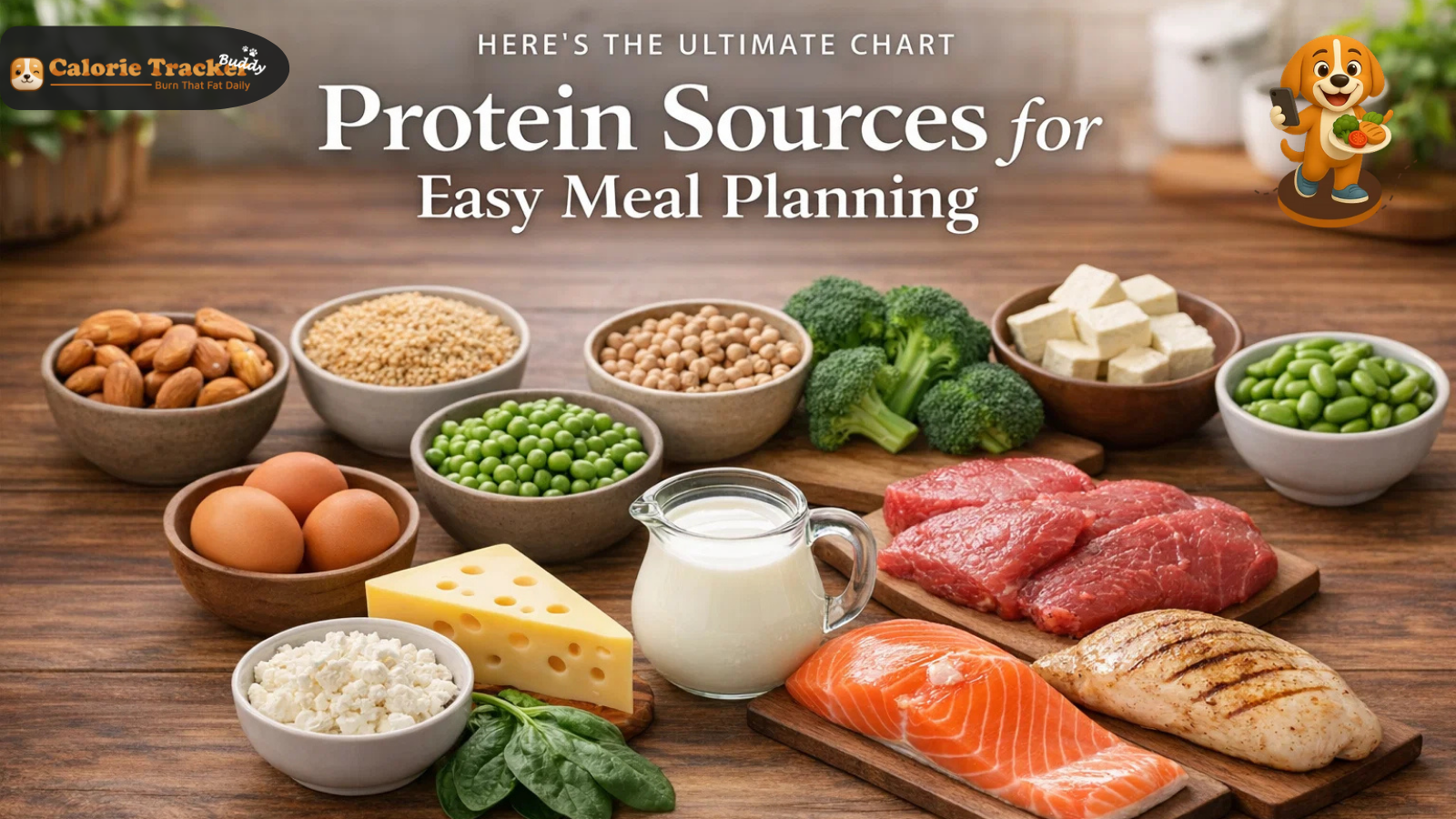
Protein is one of those nutrients we all know is important—but when it comes to how much we’re actually eating each day, most of us are just guessing. Whether you’re trying to build muscle, manage your weight, or simply eat better, understanding your daily protein intake makes a real difference.
To make things easier, we’ve put together a chart protein sources guide that takes the confusion out of meal planning. It’s a quick, practical way to see where your protein is coming from and how to balance your plate better. This protein sources chart works for everyone—meat lovers, vegetarians, and those who prefer plant-based foods.
Think of it as your go-to protein rich food chart—simple, clear, and actually useful in everyday life. If you’re looking for Best Protein Chart ideas that help you make smarter food choices without overthinking, this guide has you covered.
Listen To The Podcast Now!
Why Protein Matters?
Protein isn’t just for fitness enthusiasts. It’s vital for overall health, supporting functions like:
- Repairing muscles and tissues
- Boosting immunity
- Maintaining healthy hair, skin, and nails
- Regulating blood sugar
- Keeping you full and satisfied between meals
Many people underestimate their protein intake awareness. According to a MyFitnessPal survey, 88% of respondents didn’t know how much protein, fiber, carbs, sugar, or salt they consumed daily. Using a protein sources chart helps you clearly see how much protein you’re getting from different foods and plan meals more effectively.
How to Use a Protein Sources Chart?
A chart protein sources isn’t just a list of numbers—it’s a practical tool for meal planning. Here’s how to make the most of it:
- Start with protein: Choose your protein first, then build your meal around it.
- Aim for 20–30 grams per meal: Most adults benefit from this range for optimal muscle maintenance and satiety.
- Focus on whole foods: Whole protein sources like beans, lentils, meat, eggs, and dairy are more satisfying than powders or bars.
- Mix it up: Combine plant-based and animal-based proteins, or pair grains with legumes to get all essential amino acids.
With these tips, your meals become balanced, nutritious, and easier to plan.
The Ultimate Protein Sources Chart
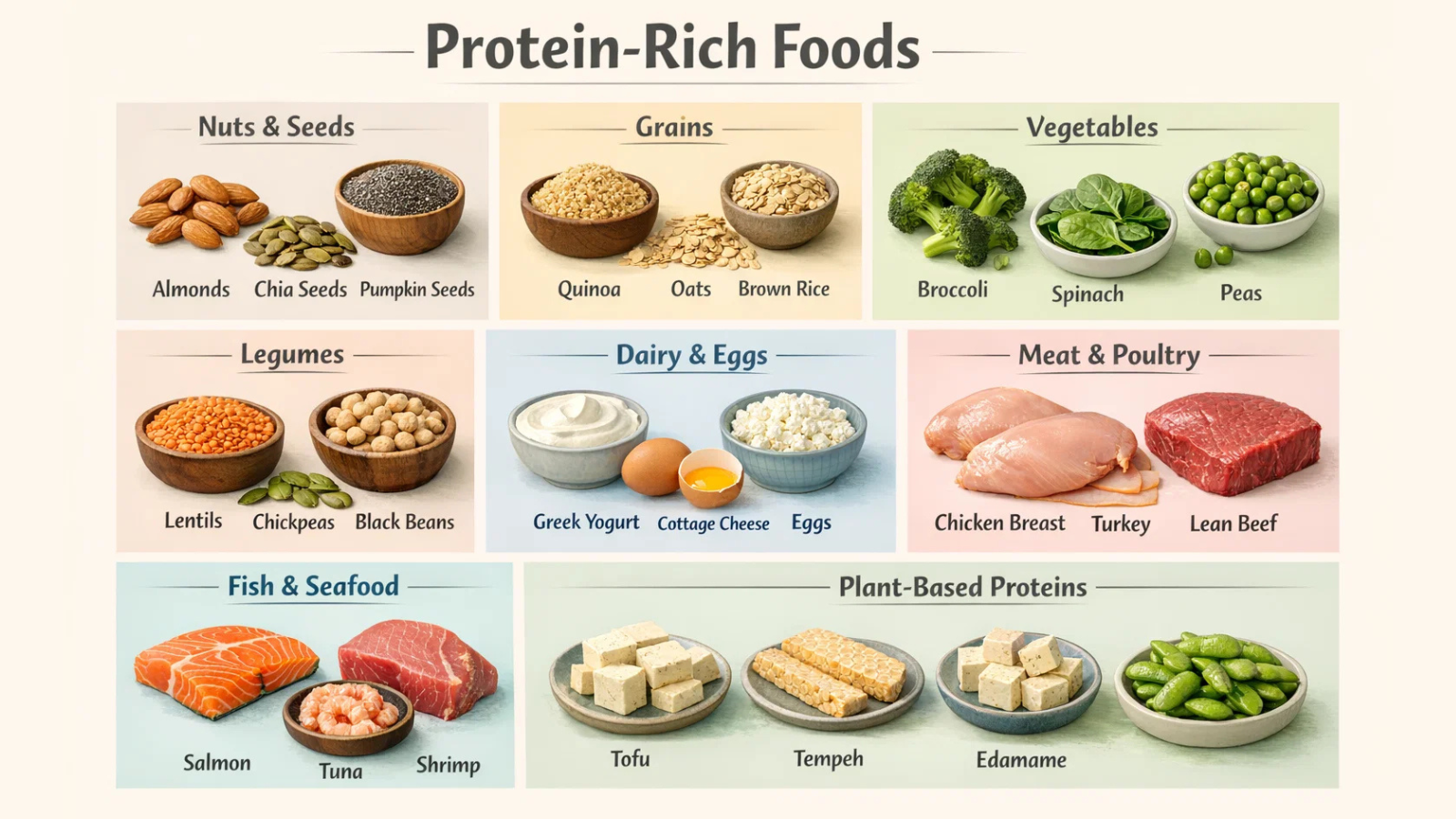
Here’s a comprehensive, blog-friendly protein sources chart for everyday foods, organized by category. Use this chart protein sources as your go-to reference for easy meal planning.
Nuts and Seeds
- Almonds – 1 oz (28 g): 6 g protein
- Chia seeds – 2 tbsp (28 g): 5 g protein
- Flaxseeds – 2 tbsp (14 g): 3 g protein
- Hemp seeds – 3 tbsp (30 g): 9 g protein
- Pumpkin seeds – 1 oz (28 g): 8 g protein
- Walnuts – 1 oz (28 g): 4 g protein
Grains and Pseudograins
- Quinoa, cooked – 1 cup (170 g): 8 g protein
- Oats, cooked – 1 cup (240 g): 5 g protein
- Buckwheat, cooked – 1 cup (168 g): 6 g protein
- Farro, cooked – 1 cup (195 g): 12 g protein
- Amaranth, cooked – 1 cup (246 g): 9 g protein
- Teff, cooked – 1 cup (252 g): 10 g protein
Vegetables
- Green peas, cooked – 1 cup (160 g): 9 g protein
- Spinach, cooked – 1 cup (180 g): 6 g protein
- Broccoli, cooked – 1 cup (156 g): 4 g protein
- Asparagus, cooked – 1 cup (180 g): 4 g protein
- Kale, cooked – 1 cup (130 g): 4 g protein
- Mushrooms, white – 1 cup (155 g): 5.6 g protein
Legumes
- Lentils, cooked – 1/2 cup (90 g): 9 g protein
- Chickpeas, cooked – 1/2 cup (90 g): 8 g protein
- Black beans, cooked – 1/2 cup (90 g): 8 g protein
- Kidney beans, cooked – 1/2 cup (90 g): 7 g protein
- Edamame, cooked – 1/2 cup (78 g): 8 g protein
Dairy and Eggs
- Greek yogurt, plain – 6 oz (170 g): 17 g protein
- Cottage cheese – 1/2 cup (112 g): 13 g protein
- Eggs, whole – 1 large: 6 g protein
- Milk – 1 cup (240 mL): 8 g protein
- Cheddar cheese – 1 oz (28 g): 7 g protein
- Parmesan cheese – 1 oz (28 g): 10 g protein
Meat, Poultry, and Game
- Chicken breast, cooked – 3 oz (85 g): 26 g protein
- Turkey breast, cooked – 3 oz (85 g): 26 g protein
- Beef, cooked – 3 oz (85 g): 21 g protein
- Pork chops, cooked – 3 oz (85 g): 23 g protein
- Lamb, cooked – 3 oz (85 g): 21 g protein
Fish and Seafood
- Tuna, canned – 3 oz (85 g): 25 g protein
- Salmon, cooked – 3 oz (85 g): 23 g protein
- Shrimp, cooked – 3 oz (85 g): 20 g protein
- Halibut, cooked – 3 oz (85 g): 16 g protein
- Mussels, cooked – 3 oz (85 g): 20 g protein
Plant-Based Proteins
- Tempeh – 1 cup (166 g): 34 g protein
- Seitan – 3 oz (85 g): 21 g protein
- Tofu, firm – 1/2 cup (126 g): 10 g protein
- TVP – 1/2 cup (24 g): 12 g protein
- Veggie burger – 1 patty (70 g): 11 g protein
This protein rich food chart makes it easy to compare options and select the best sources for your meals.
Best Protein Chart Ideas for Meal Planning
Here’s how to use this chart protein sources to structure your day:
- Breakfast: Greek yogurt with chia seeds, paneer paratha, or a smoothie with protein powder and flaxseeds
- Lunch: Lentil soup with quinoa, tofu stir-fry, or chickpea salad
- Snacks: Almonds, roasted chickpeas, peanut butter on toast, or hummus with vegetables
- Dinner: Grilled chicken, fish, tempeh stir-fry, or lentil-based meals
Spreading protein intake throughout the day ensures better absorption, sustained energy, and supports muscle repair.
Vegetarian Protein Options

Vegetarians can easily meet protein needs with a variety of foods. This chart protein sources is especially helpful for vegetarians, showing protein content in legumes, grains, nuts, seeds, and dairy. Top options include:
- Lentils, chickpeas, kidney beans, black-eyed peas
- Tofu, tempeh, seitan, paneer
- Greek yogurt, milk, cheese
- Quinoa, amaranth, buckwheat, oats
- Chia seeds, flaxseeds, hemp seeds, pumpkin seeds
- Almonds, peanuts, pistachios
Mixing these sources ensures complete amino acid intake, supporting muscle growth, energy, and overall health.
Also Read: –
Tips to Maximize Protein Intake
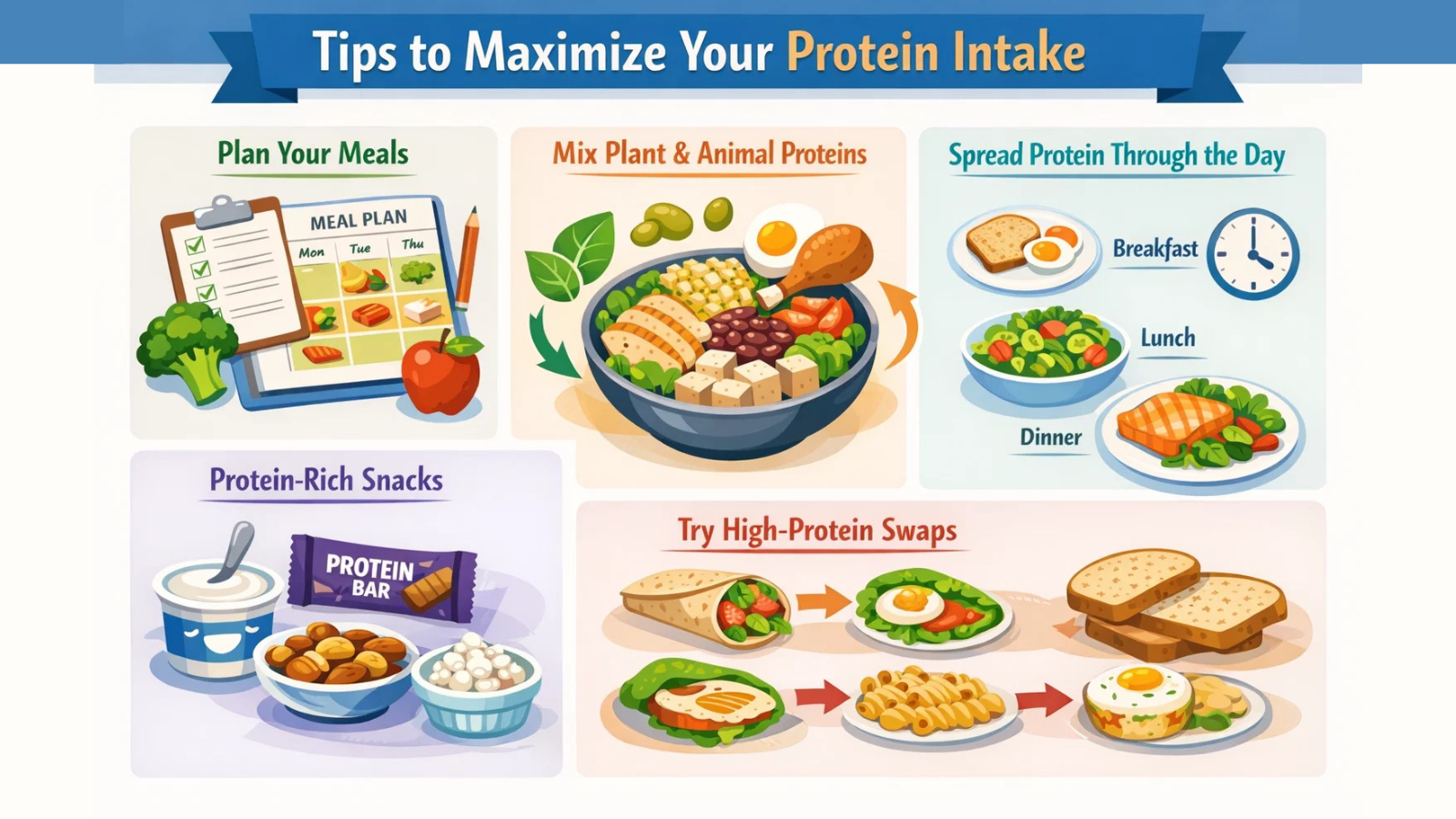
Eating protein isn’t just about including high-protein foods—it’s about how you incorporate them into your daily meals. Here are some practical tips to make the most of your chart protein sources:
- Plan meals around protein first – Choose your protein source for each meal and build your veggies, grains, and healthy fats around it.
- Mix plant and animal proteins – Combining foods like lentils with rice or nuts with Greek yogurt ensures all essential amino acids are covered.
- Spread protein throughout the day – Instead of loading it all in one meal, aim for consistent intake at breakfast, lunch, snacks, and dinner.
- Use snacks wisely – Nuts, seeds, peanut butter, hummus, or roasted chickpeas can be quick, protein-rich snacks.
- Try high-protein swaps – Swap regular pasta for quinoa or udon noodles, replace milk with Greek yogurt, or use tofu and tempeh in stir-fries.
- Hydrate and pair with fiber – Protein works best with water and fiber-rich foods to aid digestion and keep you full longer.
- Keep the chart handy – Refer back to your protein sources chart to mix and match foods and discover new options.
Once you’ve optimized your meals using this chart protein sources, taking things a step further with a calorie tracker buddy can help you see the bigger picture—tracking not just protein, but total calories too. This makes it easier to stay consistent, adjust portions, and align your daily intake with your health goals.
Make Protein Tracking Effortless With Calorie Tracker Buddy
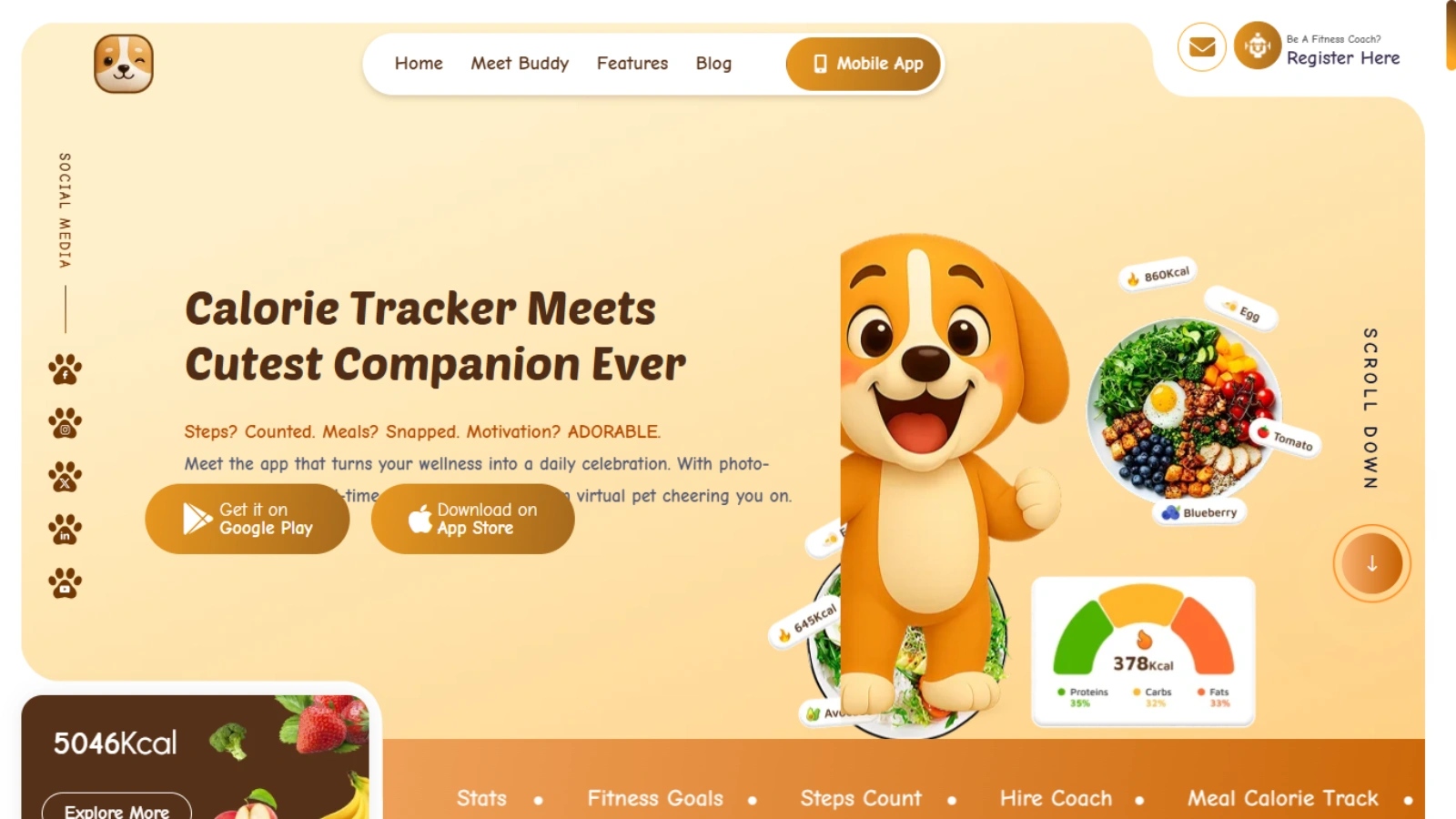
Calorie Tracker Buddy isn’t just another tracking app—it’s a fun, motivating companion that turns everyday wellness into a habit you actually enjoy. With a cute virtual pet cheering you on, tracking calories, protein, steps, and hydration feels less like discipline and more like progress.
Why a Calorie Tracker Buddy Works So Well With a Protein Sources Chart
-
Snap & track meals instantly: Just click a photo of your meal, and the app estimates calories, nutrients, and balance—perfect for logging foods from your protein rich food chart.
-
Track intake and burn together: Monitor daily calorie intake alongside steps and calorie burn, giving you a complete picture of your nutrition and activity.
-
Real-time goal awareness: See how every meal, snack, or sip impacts your daily goals, making portion control and protein planning easier.
-
Motivation that sticks: Your virtual buddy grows stronger with every healthy choice—skip junk, eat balanced meals, stay hydrated, and watch your buddy thrive.
-
Beginner-friendly: Whether you’re new to tracking or refining your routine, the app keeps things simple, visual, and judgment-free.
It’s a smarter, lighter way to support your nutrition goals—whether you’re building muscle, managing weight, or simply trying to eat better without overthinking it.
Common Protein Myths
- Vegetarians don’t get enough protein – False. A mix of legumes, grains, nuts, seeds, and dairy covers daily protein needs.
- Only soy is complete protein – False. Quinoa, amaranth, hemp seeds, and pairing grains with legumes also provide all essential amino acids.
- More protein = better health – False. Balance is key; too much from limited sources can be harmful.
- Plant protein isn’t effective – False. High-quality plant proteins, combined wisely, deliver the same benefits as meat-based proteins.
Final Thoughts
Protein is essential for everyone, not just athletes. Keep this chart protein sources handy for meal planning, grocery shopping, and hitting your daily protein goals. With a mix of plant-based and animal-based options, a protein rich food chart, and mindful meal planning, you can ensure balanced nutrition, sustained energy, and better overall health.
Whether you want to build muscle, maintain weight, or simply eat healthier, this chart protein sources makes planning meals easier, efficient, and enjoyable.
FAQ – Chart Protein Sources
Q1. What is a chart protein sources?
A chart protein sources is a reference guide that lists the protein content of various foods. It helps you plan meals, track daily intake, and ensure you’re meeting your protein goals.
Q2. How can I use a protein sources chart for meal planning?
Start by picking your protein first—meat, dairy, legumes, or plant-based. Then build your meals around it. Using a protein rich food chart ensures balanced nutrition and variety.
Q3. Are there vegetarian options in the chart protein sources?
Yes! The chart protein sources includes lentils, chickpeas, tofu, tempeh, seitan, nuts, seeds, and grains—making it easy for vegetarians to meet protein requirements.
Q4. How often should I check my protein intake?
Aim to monitor protein at every meal. The chart protein sources can guide you in achieving 20–30 grams per meal for optimal health and satiety.
Q5. Can I combine animal and plant-based proteins using this chart?
Absolutely! Mixing sources from the protein sources chart ensures complete amino acid intake and better absorption, supporting overall muscle and health goals.