


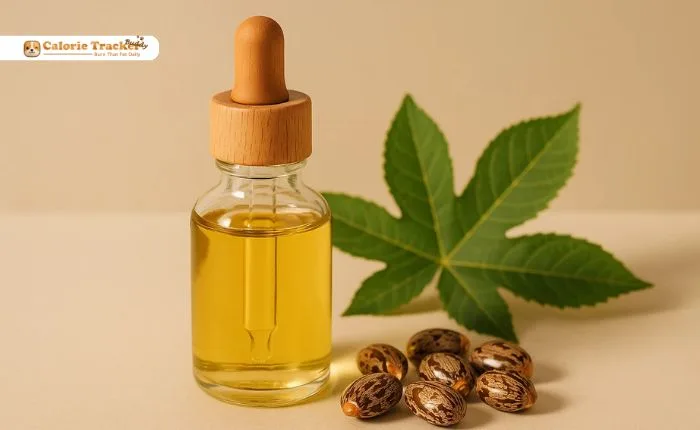
If you’ve been researching natural remedies and wellness, you’ve probably heard of castor oil. This thick, golden liquid has been used for thousands of years by many cultures, and it is experiencing a major comeback in modern beauty and health regimens. But what makes this oil so special, and how can you use it safely and effectively?
You can listen to this blog here.
What Is Castor Oil?
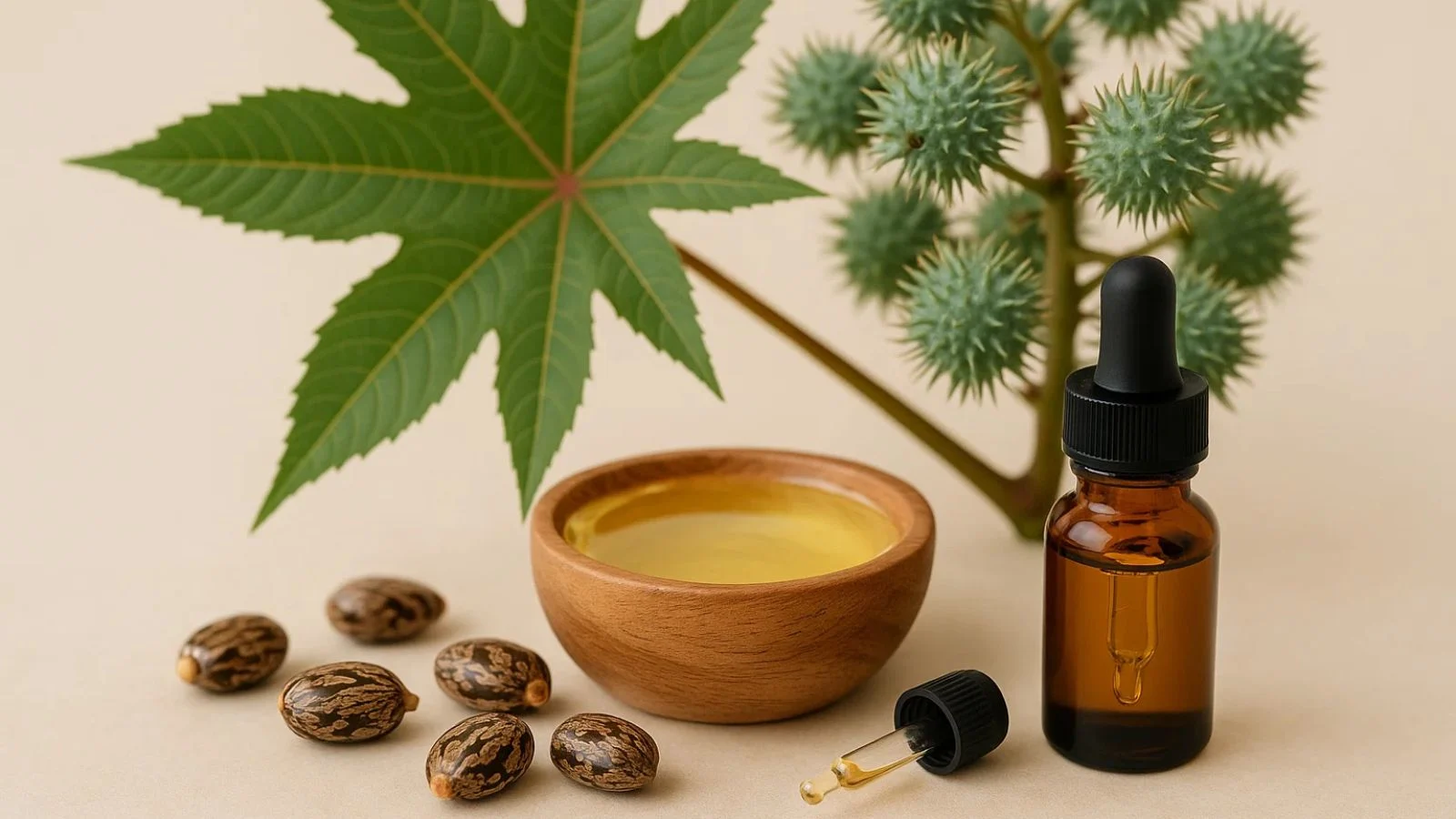
This natural oil comes from the seeds of the Ricinus communes plant, commonly known as the castor bean plant. Despite its name, these aren’t actually beans, they’re seeds that contain a unique fatty acid called ricin oleic acid, which makes up about 90% of the oil’s composition.
When considering Which Cooking Oil Is Good for Health, castor oil stands out due to its numerous health benefits, including its powerful anti-inflammatory and antimicrobial properties. The extraction process involves cold-pressing these seeds to preserve the oil’s beneficial properties. The result is a thick, viscous liquid with a distinct pale yellow colour and a mild odour.
It’s been used in traditional medicine systems like Ayurveda for centuries, and modern science is now catching up to validate many of its traditional uses. What sets this oil apart from other plant-based oils is its unique molecular structure. The high concentration of ricin oleic acid gives it benefits that you won’t find in most other natural oils, making it a great option for promoting overall health.
Understanding Castor Oil Benefits:
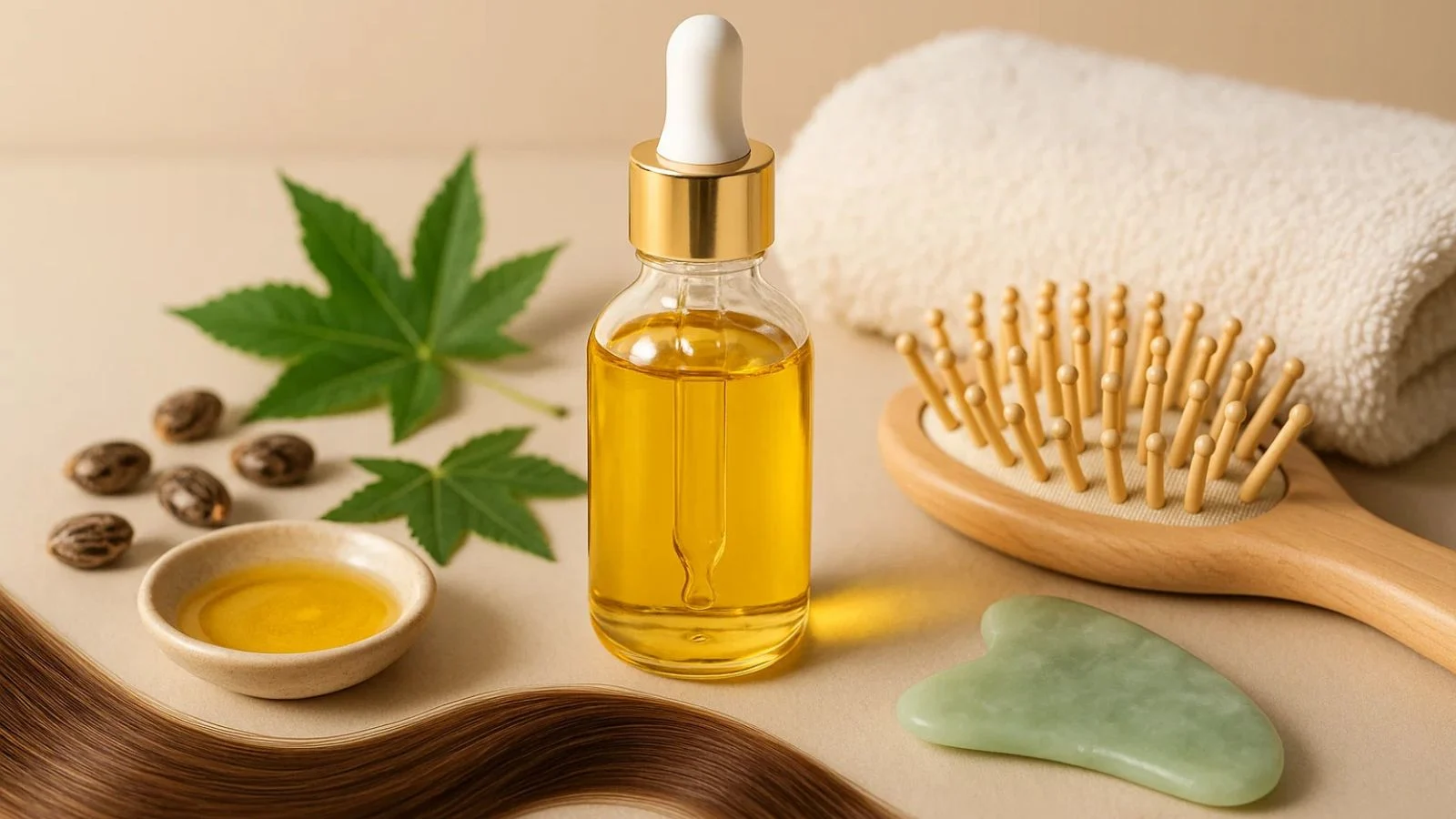
When folks chat about the benefits of castor oil, they’re really diving into a whole world of potential uses for health, beauty, and overall wellness. Thanks to its anti-inflammatory properties, this oil is a go-to for tackling various skin issues, and its moisturizing abilities work wonders for dry hair and scalp problems.
Many users have noticed that with regular application on their scalp, their hair feels thicker and seems to grow better. The oil seeps deep into the hair follicles, which might just encourage healthier hair growth over time. When it comes to skin, castor oil can help diminish the look of blemishes, fine lines, and uneven texture, all thanks to its rich fatty acid content.
Plus, it boasts natural antimicrobial properties, making it a popular choice in skincare routines for battling acne and other bacterial skin troubles. Some people even massage it into sore joints for relief, although more research is needed to fully grasp how effective this method is.
Common Uses and Applications:
1. For Hair Care:
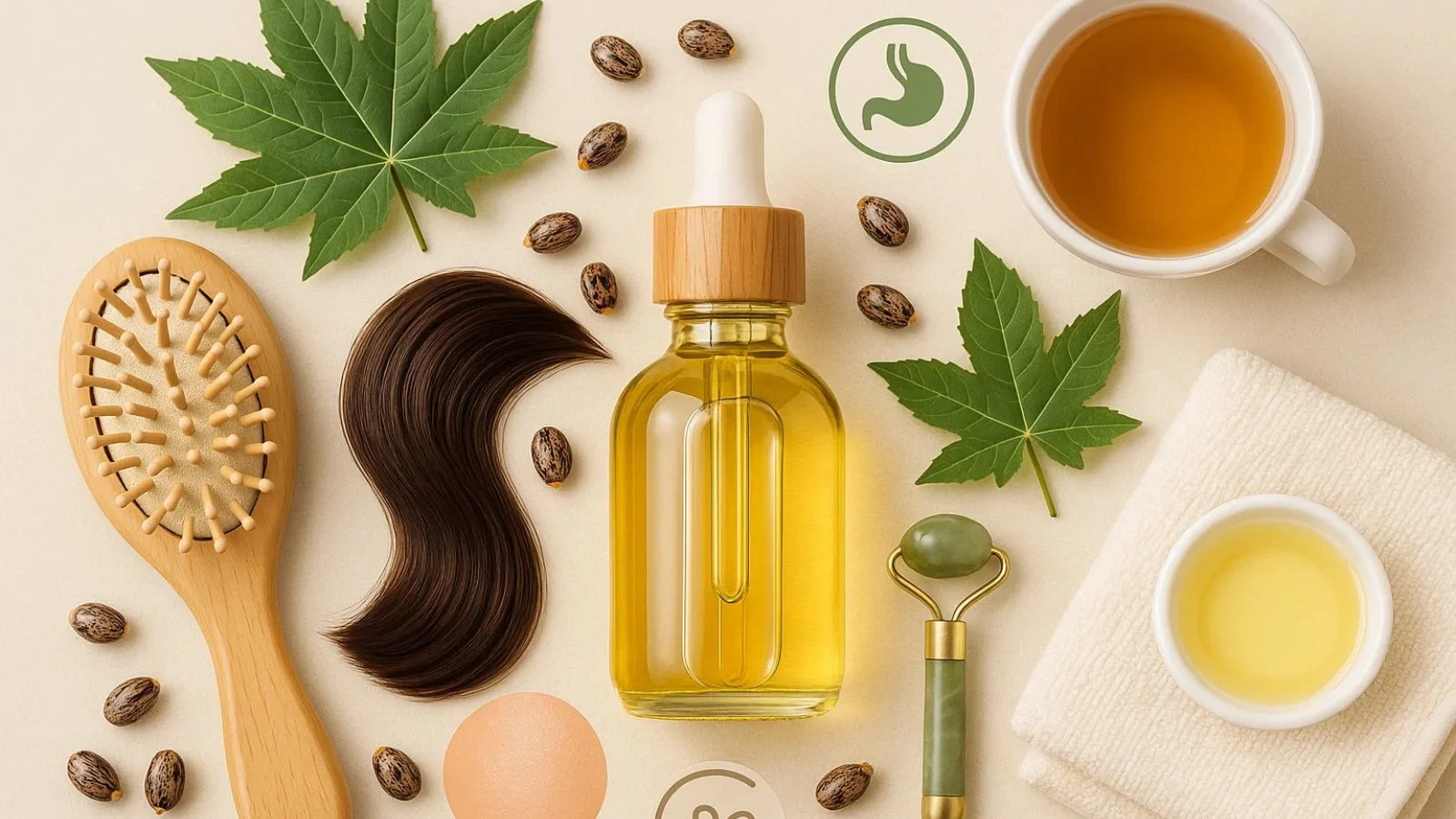
One of the most common ways to use this oil is to boost your hair health. Just apply it to your scalp and hair roots before you hit the hay, give it a gentle massage, and rinse it out in the morning.
Thanks to its thick consistency, a little bit goes a long way, you really only need a small amount for each use. Many folks like to mix it with lighter oils, such as coconut or jojoba oil, to make it easier to apply and wash out. This combo also helps avoid that heavy, greasy feeling that can come from using it on its own.
2. For Skin Health:
This oil is fantastic as a natural moisturizer for dry patches, elbows, and feet. Its emollient properties work wonders to lock in moisture and create a protective barrier on your skin. Some people even use it on their eyebrows and eyelashes to promote fuller, thicker growth.
For the best results on your skin, apply a thin layer to clean, slightly damp skin. This makes it easier for the oil to spread and absorb effectively.
3. For Digestive Health:
Historically, people have taken small amounts of this oil internally as a natural laxative. However, it’s crucial to do this only under medical supervision, as improper use can lead to dehydration and electrolyte imbalances. Nowadays, there are often safer and more comfortable alternatives for digestive support.
Castor Oil for Cooking: What You Should Know:
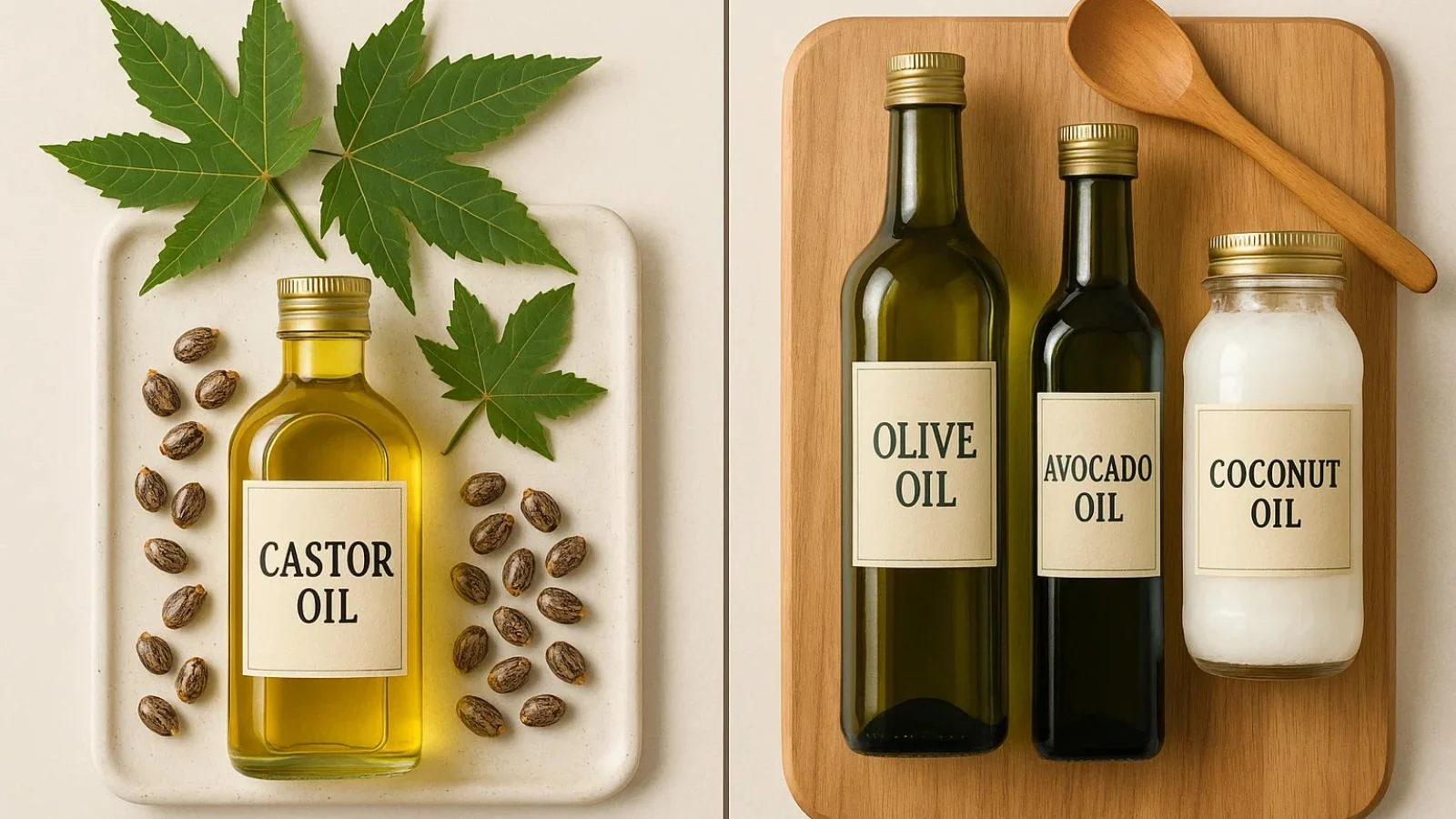
Just to clarify, it’s best to steer clear of using castor oil for cooking. Unlike olive oil, coconut oil, or other kitchen staples, this oil isn’t meant for regular consumption.
While the extraction process does remove most of the harmful ricin from the seeds, the oil can still cause stomach issues if you ingest it.
Its strong laxative properties make it unsuitable for culinary purposes. If you’re on the hunt for healthy cooking oils, stick with reliable options like extra virgin olive oil, avocado oil, or coconut oil.
Also Read:
How Calorie Tracker Buddy Supports Your Wellness Journey?

When you’re incorporating natural remedies like oils into your wellness routine, it’s important to maintain a holistic approach to health. This is where Calorie Tracker Buddy becomes an invaluable companion on your journey.
While external applications of natural oils can support your hair and skin health, true wellness comes from the inside out. Calorie Tracker Buddy helps you monitor your nutritional intake, ensuring you’re getting the essential fatty acids, vitamins, and minerals your body needs for healthy hair, glowing skin, and overall vitality.
The app makes it easy to track foods rich in omega-3 fatty acids, vitamin E, and biotin, all nutrients that complement your external hair and skincare routine. When you’re using natural oils topically, pairing this with proper nutrition tracked through Calorie Tracker Buddy creates a comprehensive approach to beauty and wellness.
Additionally, if you’re exploring natural remedies for digestive health, Calorie Tracker Buddy helps you monitor your fiber intake and hydration levels, giving you insights into patterns that might affect your digestive wellness. This data-driven approach takes the guesswork out of your health journey and helps you make informed decisions about what works best for your body.
Safety Considerations and Tips:
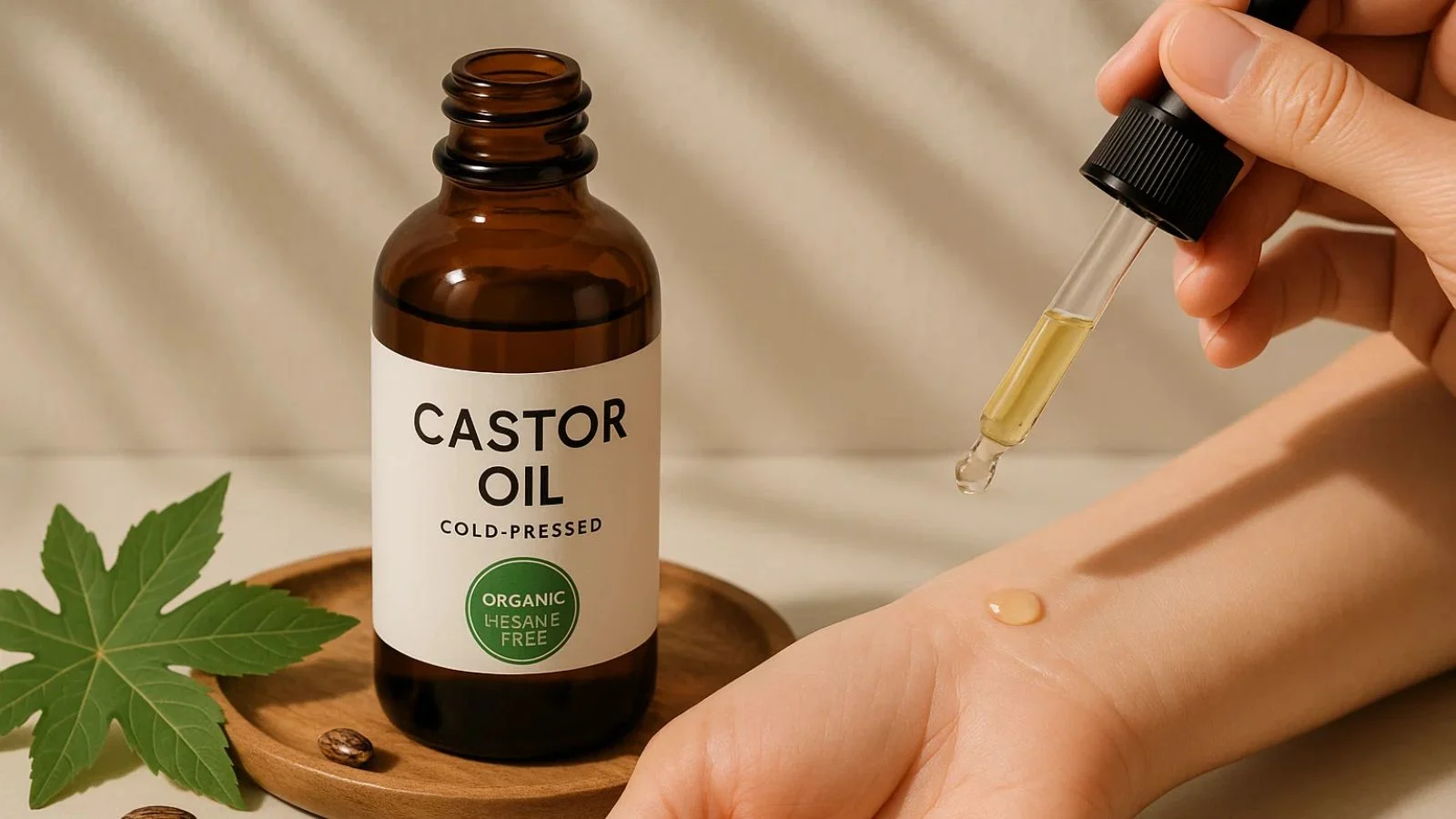
It’s a good idea to do a patch test before diving into any new product. Just apply a small dab on your inner forearm and keep an eye out for any negative reactions over the course of a day.
Some folks might experience irritation or allergic reactions if they’re sensitive to the oil. Always opt for high-quality, hexane-free, cold-pressed oil from trustworthy sources. The quality of the oil plays a huge role in both safety and effectiveness.
Whenever possible, go for organic options to avoid any pesticide residues. Make sure to store your oil away from direct sunlight and in a cool, dark spot. Proper storage can really extend its shelf life and keep its potency intact. With the right care, most oils can last for several years.
Choosing the Right Product:
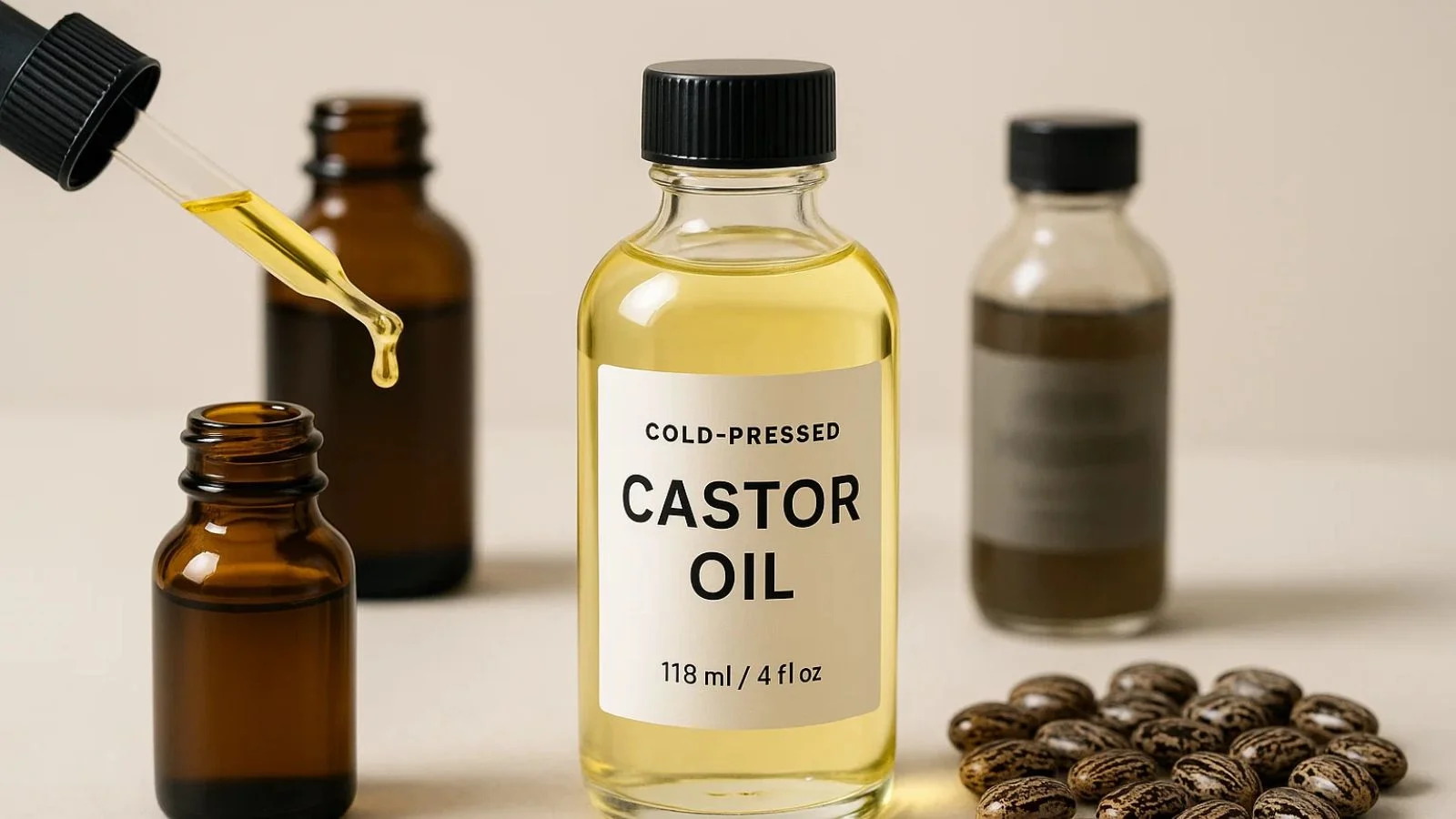
Not all oils are created equal. Look for products labelled “cold-pressed” or “extra virgin,” as these types keep more of the beneficial ingredients intact. Avoid oils that have been heavily processed or contain additives.
You’ll want to choose an oil that has a light, slightly nutty aroma and a colour ranging from pale yellow to golden. If it has a strong smell or appears cloudy, it might be old or of low quality.
When you’re shopping, consider what you need it for. If you plan to use it mainly for your hair, a larger bottle might be the way to go. On the other hand, if you’re using it for your face, a smaller container could be more convenient to prevent spoilage before you finish it.
Conclusion:
For good reason, this adaptable oil has made a name for itself in natural health and beauty regimens. It has many potential advantages that are supported by both conventional use and new scientific research, from promoting hair growth to hydrating dry skin. But it’s crucial to use it properly, limit its use to external applications, and refrain from cooking with it.
Recall that natural remedies are most effective when used in conjunction with a holistic approach to wellness. For optimal results, combine external treatments with a healthy lifestyle, appropriate nutrition monitored by Calorie Tracker Buddy, and sufficient hydration.
FAQ’s:
Q1: How often should I use it on my hair?
Ans: Most people see good results using it 1-2 times per week. Overuse can lead to build-up and make hair feel heavy.
Q2: Can I use it on my face daily?
Ans: Yes, but use sparingly. A few drops mixed with your regular moisturizer is usually sufficient for facial use.
Q3: How long does it take to see results?
Ans: Results vary by person and application. For hair growth, expect to wait 3-6 months of consistent use. Skin improvements may appear within 2-4 weeks.
Q4: Is it safe during pregnancy?
Ans: Avoid internal use during pregnancy. External use is generally considered safe, but consult your healthcare provider first.