


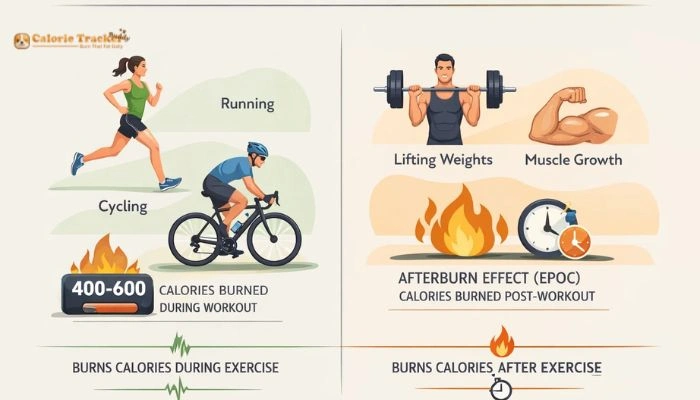
Few topics in the fitness world are as prevalent as the debate between cardio and weight fluctuation. One camp is convinced that long runs and bike rides are the answer, while the other is convinced that weight lifting is the secret to unlocking fat loss. When it comes to weight loss or improving body composition, it’s only natural to wonder which is more effective.
A major part of the reason why this debate is so prevalent is because of misconceptions about calorie burn. The fact is, sweating more doesn’t necessarily mean burning more fat, and the harder workout isn’t always the most effective.
Play audio:
How Calorie Burn Actually Works
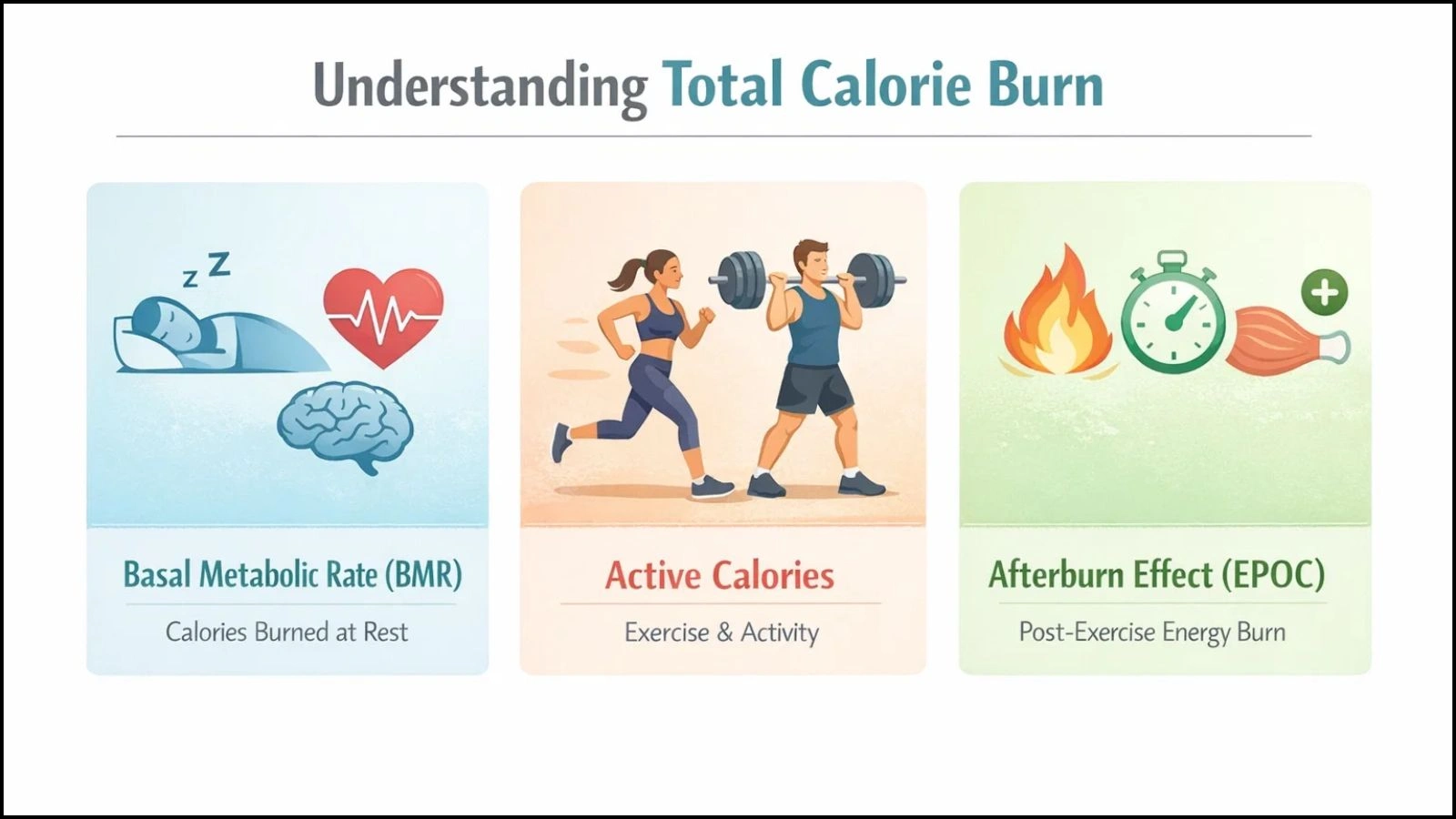
Before comparing cardio vs weight workouts, it’s important to understand how your body burns calories.
Your total calorie burn comes from three main sources:
Basal Metabolic Rate (BMR)
This is the energy your body uses at rest to keep you alive, breathing, digesting, and circulating. BMR accounts for the majority of calories you burn each day.
Active Calories
These are calories burned during physical activity like running, lifting weights, walking, or sports. This is where cardio and weight training differ most.
Afterburn Effect (EPOC)
This is known as Excess Post-Exercise Oxygen Consumption, and it is the number of calories that are burned after your workout as your body recovers. Weight training and high-intensity exercise are likely to have a higher afterburn effect.
The important thing to remember is this:
Cardio exercises tend to burn more calories during the exercise, whereas weight training tends to burn more calories in the long run as your resting metabolism increases due to the muscle mass you build.
This is why the debate between cardio and weight training is not just about what happens during the exercise.
Cardio: How Many Calories Does It Burn?
When people think about burning calories, cardio is usually the first thing that comes to mind. Running, cycling, swimming, and brisk walking all increase your heart rate and energy expenditure quickly.
Here’s a rough estimate of calories burned in 60 minutes (for someone around 70 kg / 154 lbs):
- 🏃 Running (moderate pace): 500–700 calories
- 🚴 Cycling: 400–600 calories
- 🚶 Brisk walking: 250–350 calories
- 🏊 Swimming: 400–600 calories
During the workout itself, cardio often burns more calories than lifting weights — especially steady-state endurance sessions.
Why Cardio Burns More During the Session
Cardio keeps your heart rate elevated continuously, which increases energy demand. The longer you sustain that intensity, the more calories you burn in that hour.
This is why many people lean toward cardio vs weights for fat loss when they want quicker calorie burn.
When Cardio Works Best
Cardio is especially effective when:
- You want to increase daily calorie expenditure.
- You enjoy endurance activities.
- You’re training for an event (marathon, cycling race, etc.).
- You need a quick calorie-burning session.
However, while cardio can burn more calories during the workout, it doesn’t always have the same long-term metabolic impact as strength training. That’s where the other side of the cardio vs weight debate comes into play.
Read More:
Lazy Girl/Guy Meals For Weight Loss
Intuitive Eating Vs. Calorie Tracking: Can They Work Together?
Weight Training: How Many Calories Does It Burn?
When comparing cardio vs weight training, many people assume lifting burns far fewer calories. During the session itself, that can sometimes be true, but there’s more to the story.
Here’s a rough estimate of calories burned in 60 minutes (for someone around 70 kg / 154 lbs):
- 🏋️ Light strength training: 200–300 calories
- 💪 Moderate lifting: 300–400 calories
- 🔥 Heavy or high-intensity lifting: 400–500 calories
While traditional steady cardio may burn more during the workout, weight training offers something cardio doesn’t: muscle-building benefits that increase long-term metabolism.
The Afterburn Effect
Strength training creates a stronger afterburn effect (EPOC) compared to steady-state cardio. After intense lifting sessions, your body continues burning calories for hours as it repairs muscle tissue and restores energy systems.
This is a major reason why the debate around cardio vs weight training for fat loss isn’t just about what happens during the workout; it’s about total calorie burn over 24 hours.
Muscle Increases Metabolism
More muscle mass means a slightly higher resting metabolic rate. That means you burn more calories even when you’re not working out.
This is where weight training gains an advantage in the long term. While cardio burns calories immediately, strength training can improve how efficiently your body burns calories every day.
Why It Matters for Fat Loss
When comparing cardio vs weight training for fat loss, the real question becomes:
Do you want short-term calorie burn, or long-term metabolic improvement?
The most effective approach often depends on combining both strategically.
Cardio vs Weight Training: Which Burns More Calories During the Workout?

Now, let’s answer the big question directly in the cardio vs weight debate: Which burns more calories during the workout itself?
During the Session
In most cases, cardio burns more calories per hour than traditional weight training.
For example:
- 60 minutes running → 500–700 calories
- 60 minutes moderate lifting → 300–400 calories
If your only focus is immediate calorie burn, cardio usually wins.
After the Workout
This is where it gets interesting.
Weight training creates more muscle damage, which means your body uses more energy during recovery. This post-workout calorie burn (afterburn effect) can last for several hours.
So while cardio may burn more calories during the workout, weight training can increase total daily burn more than people expect.
Intensity Changes Everything
High-intensity interval training (HIIT), circuit lifting, or short sprint sessions blur the lines in the cardio vs weight comparison. When strength training is performed with minimal rest and high effort, calorie burn can rival traditional cardio.
Likewise, low-intensity cardio like slow walking won’t burn nearly as many calories as heavy lifting.
Quick Summary
- Want maximum burn in one hour? → Cardio often wins.
- Want metabolic benefits beyond the workout? → Weight training has the edge.
- Want optimal results? → A combination works best.
The answer isn’t black and white; it depends on your goals, schedule, and consistency.

Cardio vs Weight for Fat Loss
When it comes to fat loss, the real winner in the cardio vs weight training debate isn’t one workout; it’s the calorie deficit.
Fat loss happens when you consistently burn more calories than you consume. Both cardio and weight training can help create that deficit, but they do it in different ways.
Cardio for Fat Loss
Cardio increases calorie burn quickly. If you add 30–45 minutes of running, cycling, or brisk walking several times per week, your total weekly calorie expenditure increases.
That’s why many people lean toward cardio vs weights for fat loss, it feels more straightforward. Burn more calories, lose more fat.
However, there’s a downside: too much cardio without strength training can lead to muscle loss, especially in a calorie deficit.
Weight Training for Fat Loss
Weight training helps preserve muscle while you’re losing fat. Since muscle tissue burns more calories than fat tissue at rest, maintaining muscle supports long-term metabolism.
When comparing cardio vs weight training for fat loss, strength training often helps create a leaner appearance because you’re losing fat while keeping muscle.
Sustainability Matters
Another key factor is sustainability. Some people enjoy lifting weights more. Others prefer running or cycling. The best fat-loss workout is the one you can stick with consistently.
In reality, combining both usually produces the best results:
- Cardio increases calorie burn.
- Weight training preserves muscle.
Together, they support steady, sustainable fat loss.
Cardio vs Weight for Belly Fat
Belly fat is one of the biggest concerns for most people, which is why the cardio vs weight training debate often centers around this specific goal.
First, let’s clear up a common myth:
Spot Reduction Doesn’t Work
You can’t target belly fat directly with a specific exercise. Crunches, planks, or endless cardio won’t magically remove fat from your stomach alone. Fat loss happens across the entire body based on genetics, hormones, and overall calorie balance.
So when people search for cardio vs weight training for belly fat, the real question is: which method helps reduce overall body fat more effectively?
Cardio and Belly Fat
Cardio helps create a calorie deficit by burning calories quickly. If that deficit is consistent, body fat, including belly fat, will gradually decrease.
However, excessive cardio without resistance training can sometimes lead to muscle loss, which may affect how “tight” or toned your midsection looks.
Weight Training and Belly Fat
Strength training doesn’t just burn calories; it improves body composition. By preserving and building muscle, you create a firmer, more defined appearance as fat decreases.
When comparing cardio vs weight training for belly fat, lifting often wins in terms of long-term body composition because it helps maintain muscle while reducing fat.
The Best Approach for Belly Fat
The most effective strategy is:
- Maintain a calorie deficit
- Include strength training 2–4 times per week
- Add moderate cardio for extra calorie burn
- Prioritize sleep and stress management
The truth is, belly fat reduction isn’t about choosing one side in the cardio vs weight debate. It’s about combining both with smart nutrition and consistency.
Combining Cardio and Weight Training
Instead of choosing sides in the cardio vs weight training debate, combining both usually delivers the best results.
A simple weekly structure could look like:
- 3 days of strength training
- 2–3 days moderate cardio
- 1–2 rest or active recovery days
This approach:
- Burns calories efficiently
- Preserves and builds muscle
- Improves endurance and heart health
If fat loss is your goal, lift weights first to maintain muscle, then add short cardio sessions to increase calorie burn. Balance and recovery matter more than extremes.
Common Mistakes People Make
When comparing cardio vs weight training, people often make these errors:
- Doing only cardio and ignoring strength
- Avoiding cardio completely
- Overtraining without recovery
- Not tracking calorie intake
- Assuming more sweat equals more fat loss
Remember, fat loss depends more on consistency and nutrition than on choosing one workout style.
Control Your Food Calories with Calorie Tracker Buddy
In the cardio vs weight training debate, workouts matter, but food matters more. You can burn 500 calories running, but if you unknowingly eat 700 extra calories later, progress stalls.
That’s why tracking your food intake is the real game-changer.
Calorie Tracker Buddy helps you stay in control of your nutrition by focusing on what you eat:
- 📸 Photo-based food logging – Snap your meal and get instant calorie estimates
- 🔢 Accurate calorie tracking – See how every meal fits into your daily target
- 🍗 Protein tracking – Make sure you’re eating enough to preserve muscle
- 🎯 Personalized calorie goals – Adjust for fat loss or muscle gain
- 📊 Daily and weekly summaries – Spot patterns and improve consistency
Instead of guessing portion sizes or underestimating snacks, you get clear numbers. That clarity makes it easier to maintain a calorie deficit for fat loss regardless of whether you choose cardio, weights, or both.
Because when it comes to results, nutrition drives the outcome, and tracking your food is what keeps everything aligned.
Conclusion
The reality of cardio versus weight training is this: there is no winner.
Cardio will use more calories during exercise. Weight training will increase muscle mass and boost metabolism. The best way to achieve this is to do both and keep the calorie deficit.
At the end of the day, it is not about which side to take. Train smart, monitor progress, and stick to what works.
FAQs
1. Is cardio or weights better for fat loss?
Both work. Cardio burns more during the workout, while weight training helps preserve muscle and improve metabolism.
2. Can you lose belly fat with weights?
Yes, but only through an overall calorie deficit. Strength training helps improve body composition as fat decreases.
3. Should I do cardio after lifting?
If your goal is fat loss, lifting first helps maintain muscle. Short cardio afterward can increase total calorie burn.