

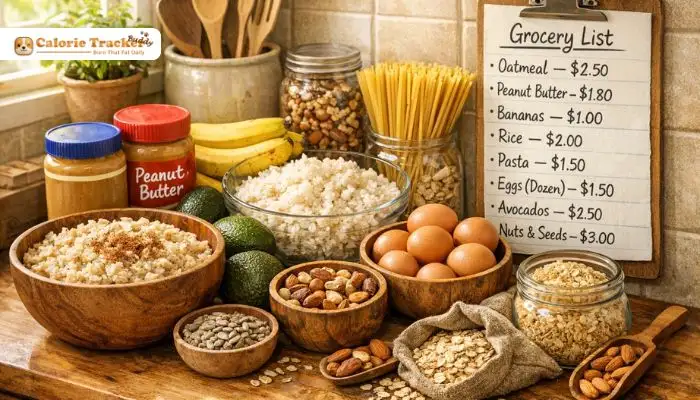
Finding the right calorie dense food doesn’t have to drain your wallet. Whether you’re trying to gain weight, build muscle, or simply meet your daily energy needs, understanding how to choose affordable, high-calorie options can transform your meal planning without breaking the bank. Many people struggle with the misconception that eating enough calories requires expensive supplements or specialty foods. The truth is, smart shopping and meal planning can help you access nutrient-rich, calorie dense food at prices that fit any budget. This guide will walk you through practical, affordable options for every meal of the day, along with tips to maximize your grocery budget while meeting your caloric goals.
Listen To The Podcast Now!
Understanding What Are Calorie Dense Foods:
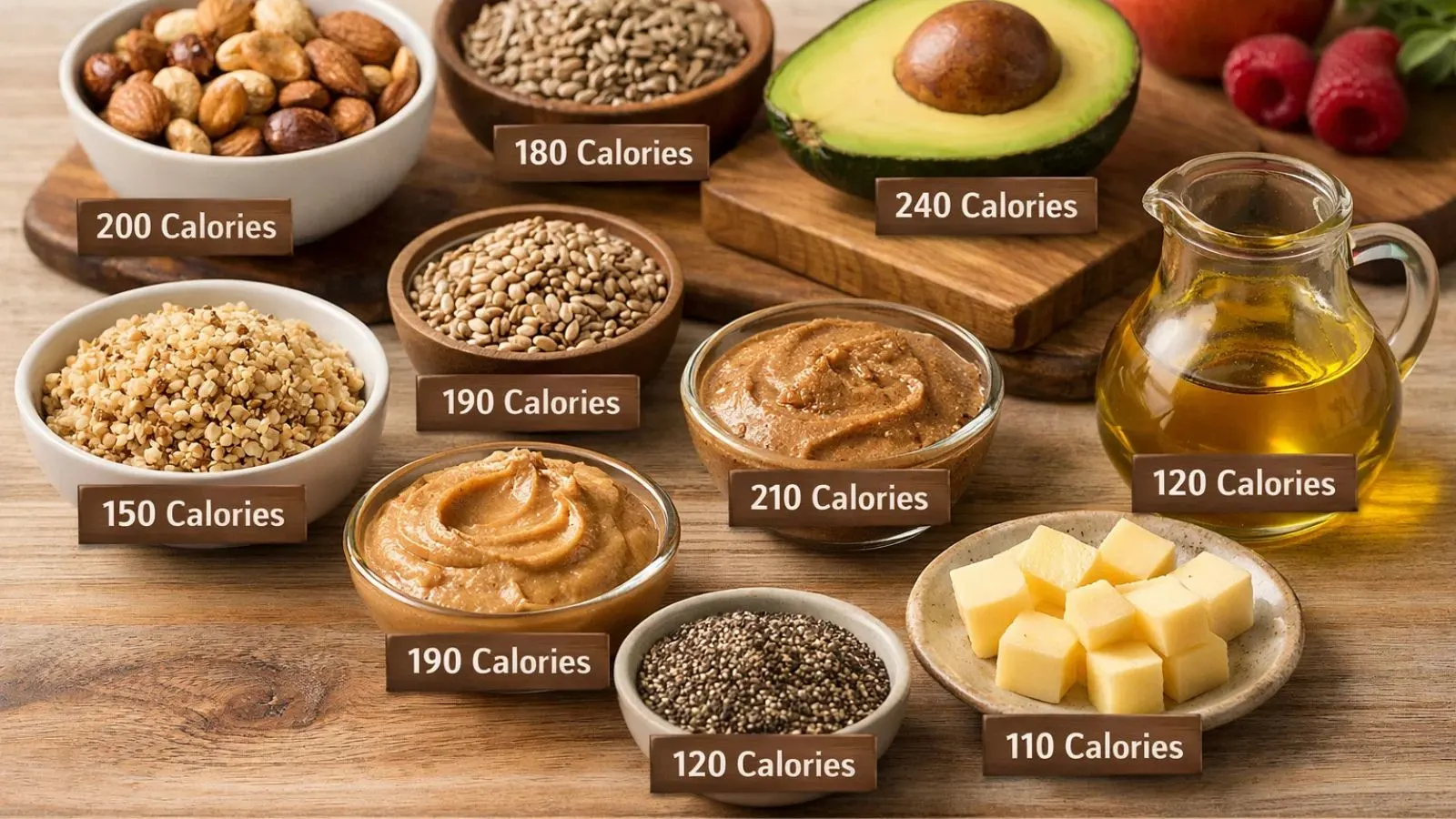
Before diving into specific meal options, it’s essential to understand the basics. Calorie dense food refers to foods that pack a significant number of calories into a relatively small portion. These foods provide more energy per gram compared to low-calorie options like leafy greens or cucumbers.
The key distinction here is calories vs nutrients. While calorie density focuses on energy content, nutrient density emphasizes vitamins, minerals, and other beneficial compounds, such as Calcium Rich Foods, which support bone health and overall metabolic function. The sweet spot? Finding foods that offer both plenty of calories and essential nutrients your body needs to thrive.
Calorie Dense vs Nutrient Dense: Finding the Balance:
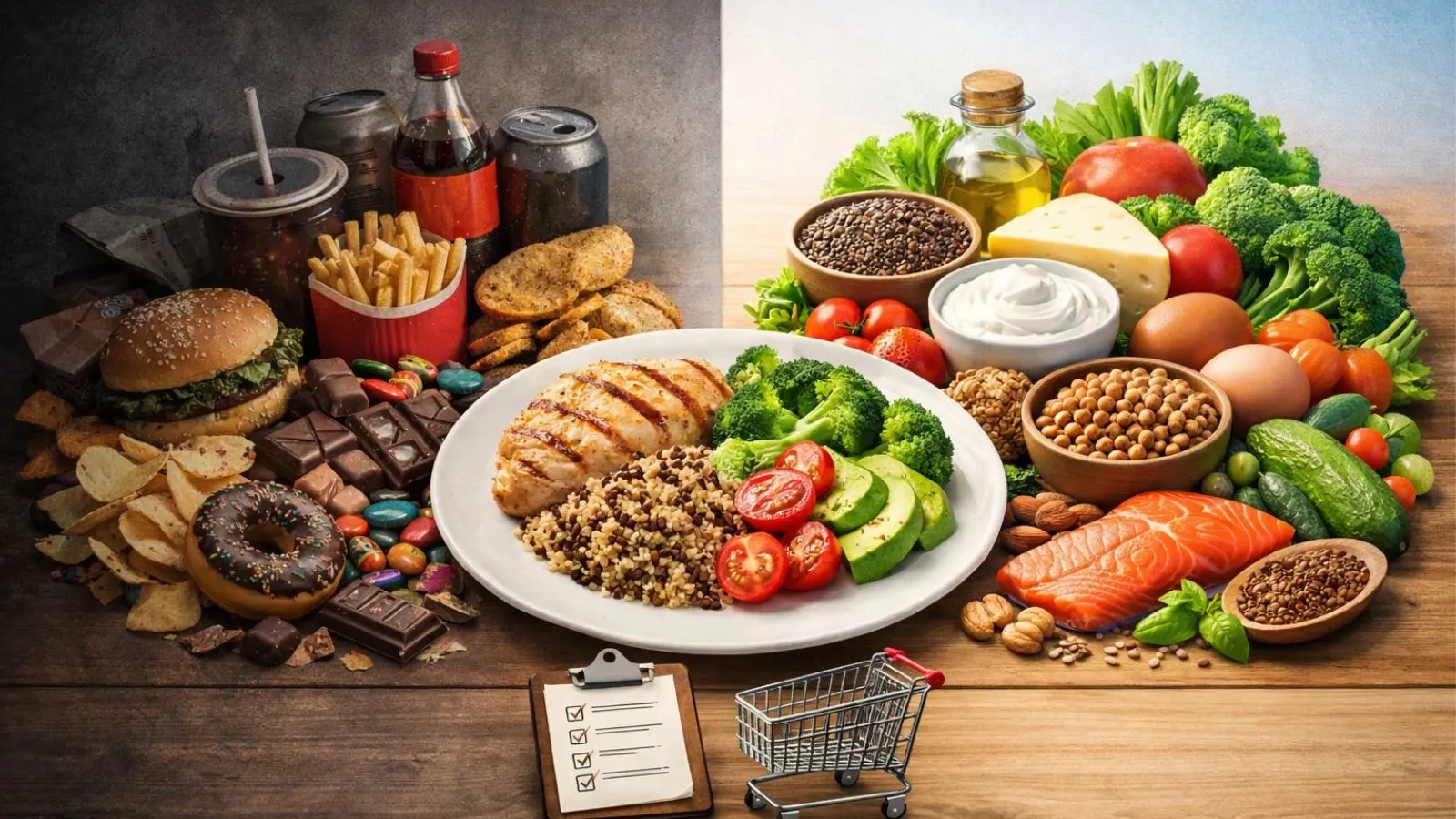
Understanding calorie dense vs nutrient dense foods helps you make smarter choices. Some foods are high in calories but offer little nutritional value (think sugary sodas or candy). Others provide substantial energy while delivering proteins, healthy fats, vitamins, and minerals. When shopping on a budget, prioritize calorie dense food that also brings nutritional benefits. Whole grains, nuts, seeds, legumes, and certain dairy products hit this sweet spot perfectly. These options give you the energy you need while supporting overall health, and they’re surprisingly affordable when purchased strategically.
Budget-Friendly Breakfast Options:
Starting your day with calorie dense food sets the foundation for meeting your daily energy goals. Here are affordable breakfast choices:
- Oatmeal with Additions: A bowl of oats costs pennies per serving. Boost the calorie content by adding peanut butter (about $0.30 per serving), a sliced banana, and a drizzle of honey. This combination provides around 450-500 calories for less than $1.
- Eggs and Whole Grain Toast: Eggs remain one of the most economical protein sources at roughly $0.20-0.30 per egg. Pair three scrambled eggs with two slices of whole wheat toast and butter for approximately 400 calories at under $0.75 per meal.
- Homemade Smoothies: Blend whole milk, a banana, a tablespoon of peanut butter, and oats for a 500+ calorie breakfast drink. The entire smoothie costs around $1.50 and takes minutes to prepare.
Affordable Lunch Ideas:
Midday meals offer excellent opportunities to incorporate calorie dense food without overspending:
1. Rice and Beans: This classic combination is both filling and economical. A cup of cooked rice with half a cup of beans, topped with cheese and a bit of sour cream, delivers about 550 calories for approximately $1.25.
2. Pasta with Olive Oil and Vegetables: Whole wheat pasta is incredibly affordable. Toss it with olive oil, canned tomatoes, and frozen vegetables. Add some grated cheese for extra calories. This meal provides 600+ calories for around $2.
3. Tuna Sandwiches: Canned tuna offers protein at a fraction of fresh fish prices. Make a hearty sandwich with two slices of whole grain bread, mayo, and tuna for about 450 calories at roughly $1.50 per serving.
4. Peanut Butter and Banana Wraps: Spread peanut butter on a whole wheat tortilla, add sliced banana, and a drizzle of honey. Roll it up for a portable 400-calorie lunch that costs less than $1.
Dinner Choices That Won’t Break the Bank:
Evening meals can feature satisfying, calorie dense food while keeping costs low:
1. Ground Beef and Potato Bowl: Ground beef goes on sale regularly. Combine it with baked or mashed potatoes, add some butter and cheese, and you’ve got a 700+ calorie meal for about $3.
2. Chicken Thighs with Rice: Chicken thighs cost significantly less than breasts and contain more fat (meaning more calories). Pair with rice and a simple gravy made from pan drippings for a 650-calorie dinner under $2.50.
3. Lentil and Vegetable Stew: Lentils are nutritional powerhouses that cost very little. A hearty stew with lentils, carrots, potatoes, and canned tomatoes, served with bread for dipping, provides 500+ calories for around $1.50.
4. Pasta Bake: Layer cooked pasta with ground meat or beans, cheese, and sauce, then bake. One portion delivers 700+ calories and costs approximately $2 when using budget-friendly ingredients.
Snacks and Calorie Boosters:
Between meals, strategic snacking with calorie dense food helps you reach your targets:
1. Trail Mix: Create your own by mixing peanuts, raisins, and chocolate chips. A quarter-cup serving provides 200+ calories for about $0.50.
2. Cheese and Crackers: Buy a block of cheese and slice it yourself, far cheaper than pre-sliced. Pair with whole-grain crackers for a 300-calorie snack under $1.
3. Peanut Butter: Eat it straight from the jar, spread on apple slices, or mix it into yogurt. Two tablespoons add 190 calories for approximately $0.30.
4. Whole Milk: Drinking your calories is efficient. A glass of whole milk provides 150 calories and costs about $0.25.
Tracking Your Progress with Calorie Tracker Buddy:
Managing your calorie intake becomes significantly easier when you have the right tools. This is where Calorie Tracker Buddy becomes invaluable for anyone working with calorie dense food on a budget.
Calorie Tracker Buddy helps you log meals, monitor your daily caloric intake, and ensure you’re meeting your goals without overspending. The app’s database includes thousands of common foods with their calorie counts, making it simple to track everything from your morning oatmeal to your evening pasta bake.
Tracking Your Progress with Calorie Tracker Buddy:
- Calorie Tracker Buddy makes calorie tracking simple, especially when you’re eating calorie dense food on a budget.
- Log meals easily and monitor daily calorie intake without guesswork.
- Quickly identify which budget meals give the highest calories for the lowest cost.
- Set daily calorie targets based on your goal, weight gain, maintenance, or performance.
- Get reminders when you’re falling short, helping you stay consistent.
The app also allows you to set daily calorie targets based on your goals, whether that’s weight gain, maintenance, or athletic performance. You’ll receive notifications when you’re falling short of your goals, helping you stay consistent. For those tracking calorie dense food intake, this accountability tool ensures you’re not leaving calories (or money) on the table.
Money-Saving Shopping Strategies:
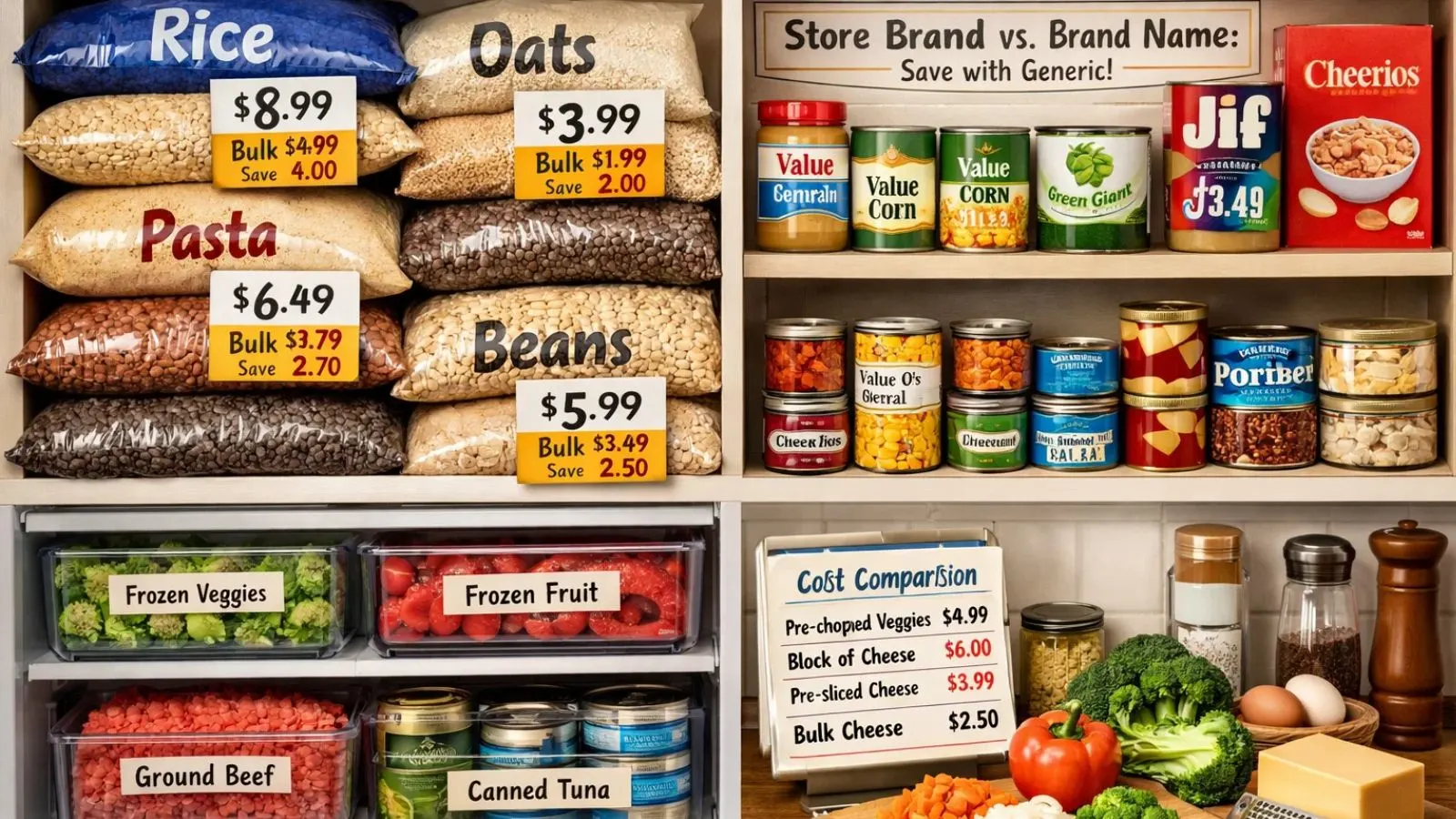
Maximizing your budget for calorie dense food requires smart shopping:
1. Buy in Bulk: Oats, rice, pasta, beans, and nuts are substantially cheaper when purchased in larger quantities. Store them properly, and they’ll last for months.
2. Choose Store Brands: Generic or store-brand products typically offer identical quality to name brands at 20-30% lower prices.
3. Shop Sales and Stock Up: When calorie dense food staples like peanut butter, canned tuna, or ground meat go on sale, buy extra and freeze or store appropriately.
4. Avoid Pre-Prepared Foods: Pre-cut vegetables, grated cheese, and individual yogurt cups cost significantly more. Do the minimal prep work yourself and save.
5. Use Frozen Produce: Frozen vegetables and fruits are often cheaper than fresh, maintain their nutrients, and reduce waste since they don’t spoil quickly.
Also Read:
Meal Prep for Success:
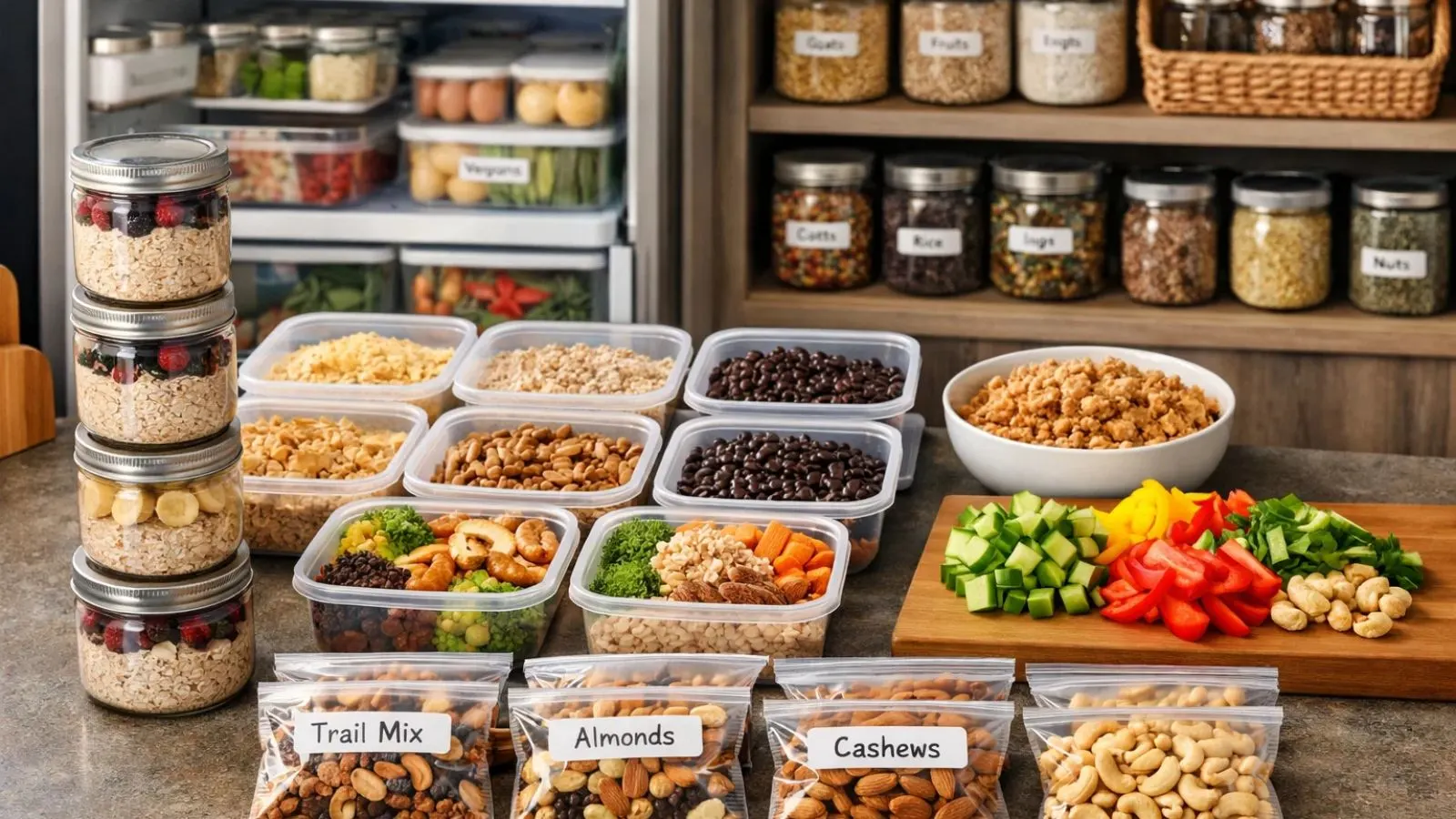
Preparing calorie dense food in advance saves both time and money:
Cook large batches of rice, pasta, or beans on weekends. Portion them into containers for quick weekday meals. Prepare overnight oats in jars for grab-and-go breakfasts. Mix up trail mix or portion out nuts into snack bags to avoid buying expensive pre-packaged versions.
Meal prepping also prevents the temptation to order takeout when you’re hungry and tired, a budget killer that rarely provides the caloric value you need.
Understanding Calorie Dense Foods vs. Nutrient-Dense Foods:
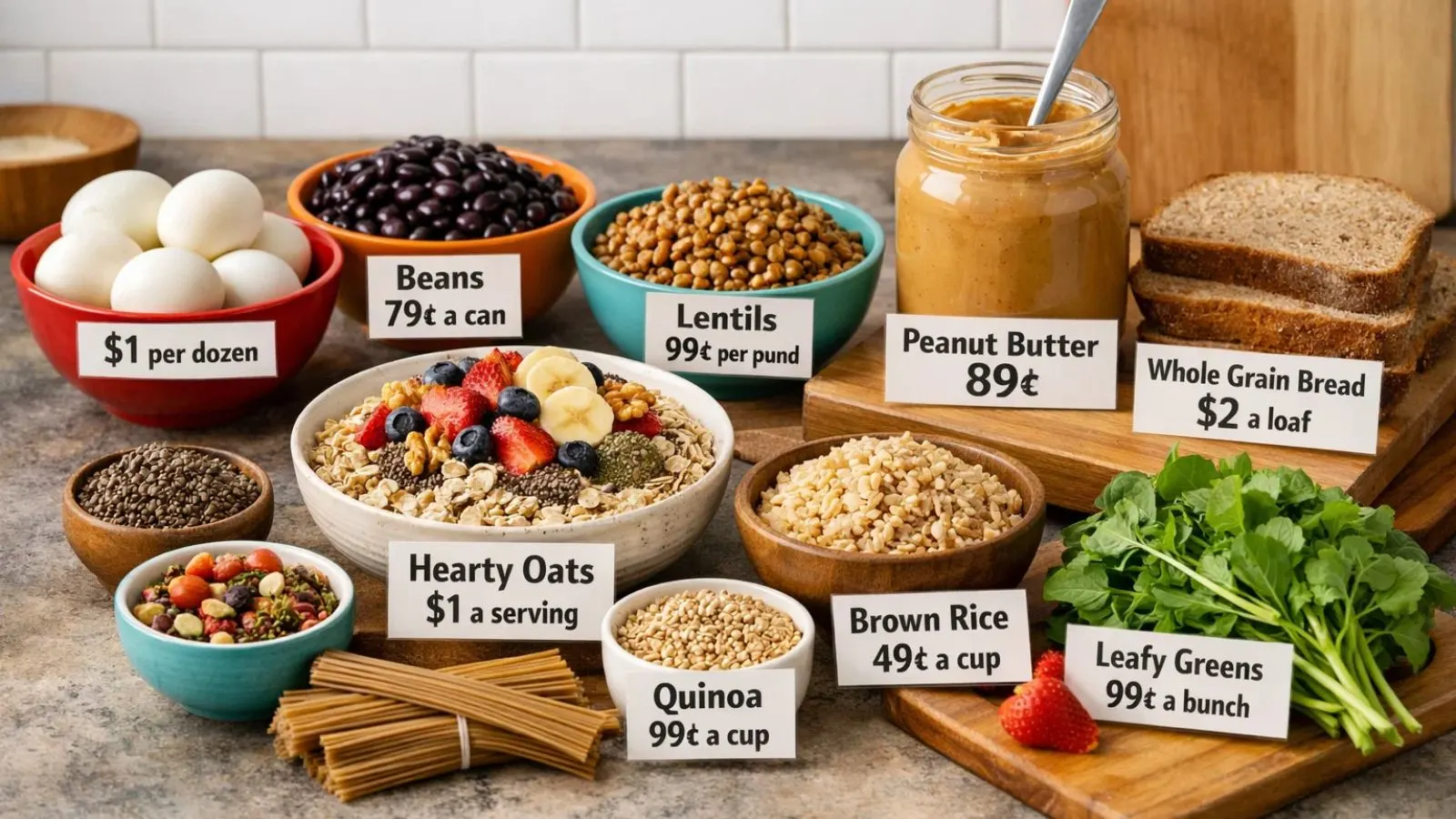
While we’ve focused on affordable calorie dense food, it’s worth revisiting calorie dense foods vs nutrient dense foods. The goal isn’t just to consume empty calories but to nourish your body while meeting energy needs. Fortunately, many budget-friendly options fall into both categories. Eggs, beans, lentils, oats, peanut butter, and whole grains provide substantial calories along with protein, fiber, vitamins, and minerals. By centering your meal planning around these versatile staples, you achieve the ideal balance without overspending.
Conclusion:
Eating enough calorie dense food on a budget is absolutely achievable with strategic planning and smart shopping. Focus on versatile staples like oats, rice, beans, eggs, and peanut butter. Shop sales, buy in bulk, and prepare meals at home. Track your intake with tools like Calorie Tracker Buddy to ensure you’re meeting your goals consistently. Remember, nourishing your body doesn’t require expensive specialty foods, just knowledge, planning, and commitment to making the most of affordable, nutrient-rich options.
FAQ’s:
Q1: How much should I spend weekly on calorie dense food?
Ans: Most people can meet their caloric needs for $30-50 weekly by focusing on budget staples like rice, beans, oats, eggs, and peanut butter.
Q2: Are frozen foods as nutritious as fresh?
Ans: Yes, frozen vegetables and fruits are often frozen at peak ripeness and retain their nutrients well, making them excellent budget-friendly choices.
Q3: Can I gain weight by eating only budget foods?
Ans: Absolutely. Many affordable foods like peanut butter, pasta, rice, and whole milk are calorie dense and perfect for healthy weight gain when consumed consistently.