


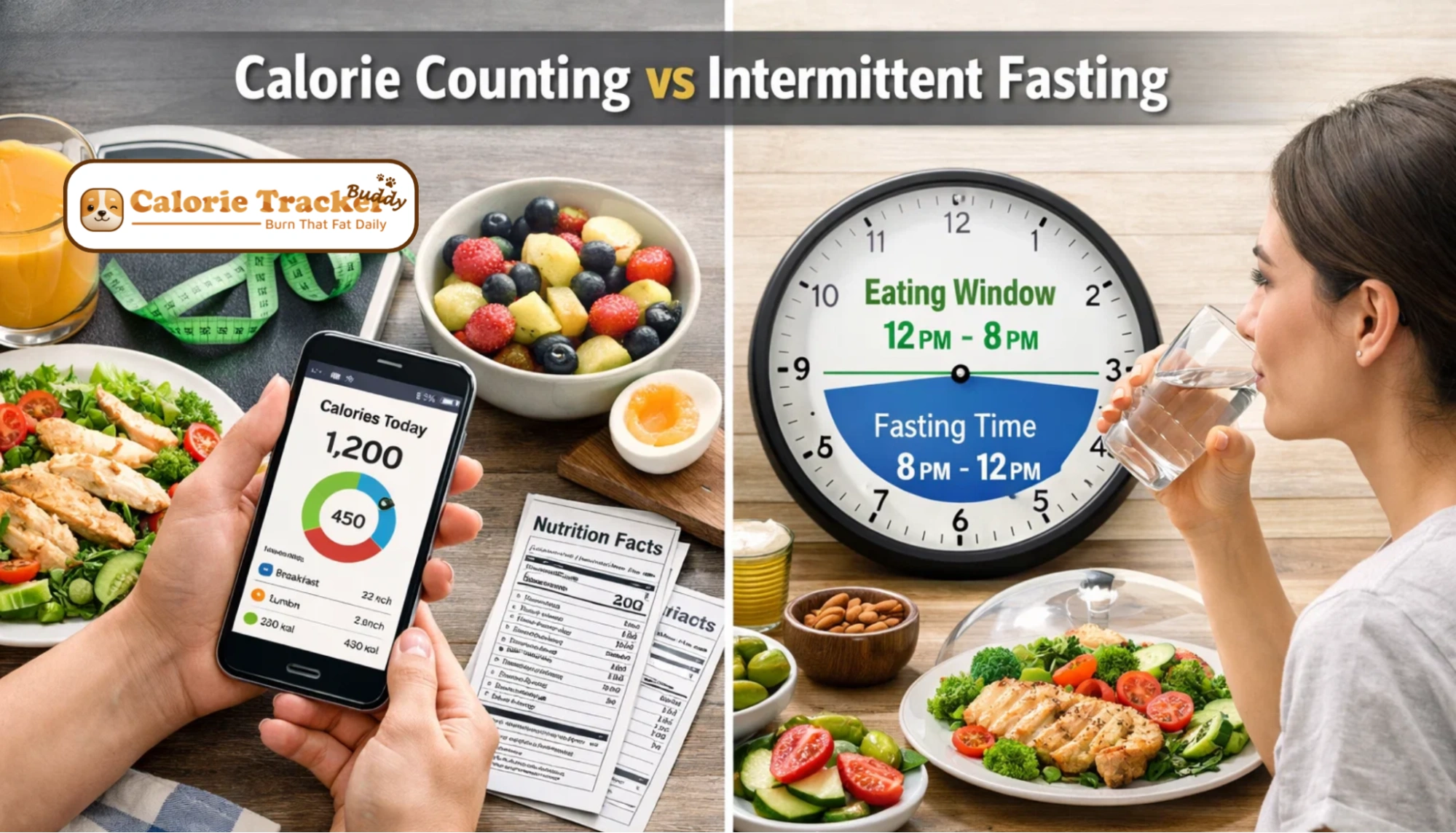
When it comes to weight loss, most people feel confused about which method actually works. Some experts recommend calorie counting, where you track how much you eat and what to eat every day. Others suggest intermittent fasting, where you focus more on when you eat rather than how much you eat.
Both methods are widespread. Both claim to help with fat loss. And both are used by people who want better results through weight loss and healthy eating.
But the real question is simple:
Which one is right for you?
Do you need to count every calorie to lose weight?
Or can you get results just by controlling your eating time?
In this guide, we will break down calorie counting vs. intermittent fasting in the simplest way possible. You will learn:
- How each method works
- How do they support healthy eating for weight loss
- Their benefits and drawbacks
- Which one fits your lifestyle better
By the end, you will have a clear idea of which approach can help you achieve sustainable, healthy weight loss without confusion or overwhelm.
In a hurry? Listen to the blog instead!
What Is Calorie Counting?
Calorie counting means tracking how many calories you eat each day and staying in a calorie deficit. A calorie deficit happens when you consume fewer calories than your body burns. When this happens, your body starts using stored fat for energy, which leads to weight loss.
How Calorie Counting Works For Weight Loss
Every person burns a certain number of calories daily. This depends on age, gender, activity level, and metabolism.
For example:
- If your body burns 2,000 calories a day
- And you eat 1,500 calories
- You create a 500-calorie deficit
Over time, this deficit leads to fat loss.
This is why calorie counting is often considered the most direct and measurable weight loss method.
Benefits Of Calorie Counting
- Structured approach
You know exactly how much you are eating.
- Flexible food choices
No food is completely banned. You just stay within limits.
- Supports healthy eating for weight loss
When you track calories, you become more aware of nutrition, portion sizes, and food quality.
- Works with any diet
You can combine it with vegetarian, keto, high-protein, or balanced diets.
Read More!
How To Calculate Your Maintenance Calories (Step-By-Step Guide)
Challenges Of Calorie Counting
Time-consuming: You have to log everything you eat and drink. Doing this daily can feel tiring, especially when you’re busy. It starts to feel like extra work.
Requires learning: You need to understand calories, protein, carbs, fats, and portion sizes. In the beginning, this can feel confusing and takes time to learn.
Can feel restrictive: Focusing too much on numbers can make eating less enjoyable. Some people feel guilty if they eat more than their limit.
Hard to stay consistent: It’s easy to start calorie counting, but harder to continue for long. Many people stop tracking after some time because it feels difficult to maintain every day.
What Is Intermittent Fasting?
Intermittent fasting focuses on when you eat rather than how much you eat. It is not mainly about counting calories or avoiding specific foods, but about timing your meals and giving your body a break from eating. You cycle between eating windows and fasting windows, meaning you eat only during certain hours and fast for the rest of the day. Popular methods include the 16/8 method, where you fast for 16 hours and eat within 8 hours, and the 5:2 method, where you eat normally for 5 days and eat very little for 2 days. During fasting hours, you consume little or no calories, usually sticking to water, black coffee, or other no-calorie drinks. This process may support weight loss and overall health by improving metabolism, lowering insulin levels, and helping the body use stored fat for energy.
Benefits Of Intermittent Fasting For Weight Loss
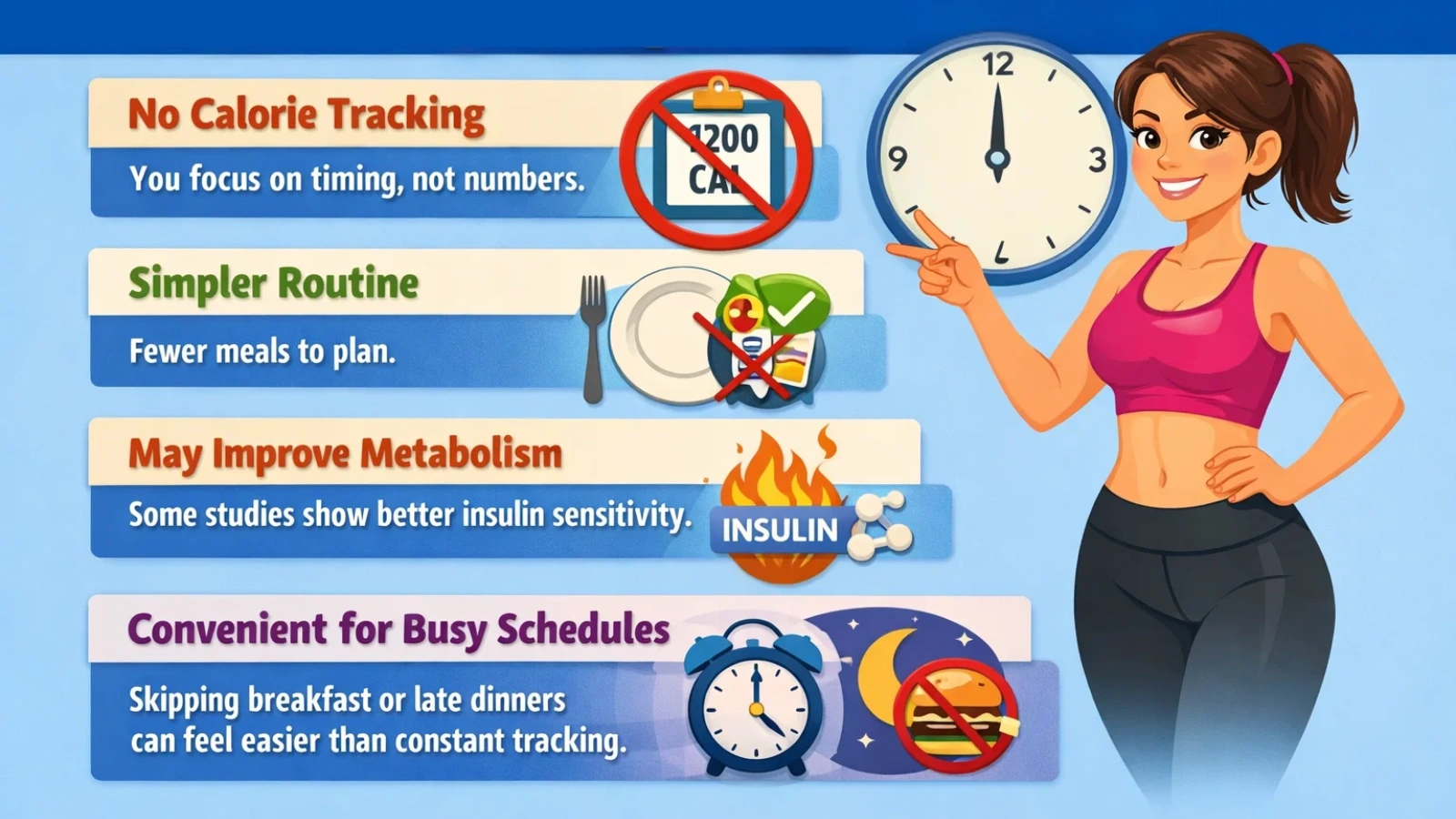
- No calorie tracking
You focus on timing, not numbers.
- Simpler routine
Fewer meals to plan.
- May improve metabolism
Some studies show better insulin sensitivity.
- Convenient for busy schedules
Skipping breakfast or late dinners can feel easier than constant tracking.
Track Your Calories Easily with Calorie Tracker Buddy
If you decide to go with calorie counting for weight loss, using the right tool can make the process much easier.
One simple option is Calorie Tracker Buddy, a calorie tracking tool created to help beginners and regular users monitor their daily food intake without confusion.
Instead of manually calculating everything, the tool helps you stay consistent and organized with your diet.
Key Features of Calorie Tracker Buddy
Easy Calorie Tracking: Log your daily meals and instantly see how many calories you have consumed.
Daily Calorie Goals: Set your personal calorie target based on your weight loss plan.
Simple Dashboard: Clean and beginner-friendly interface so anyone can use it without technical knowledge.
Meal Monitoring: Track breakfast, lunch, dinner, and snacks in one place.
Supports Healthy Eating for Weight Loss: By seeing your calorie intake clearly, you can make better food choices and maintain a balanced diet.
Time-Saving: No need for manual calculations or complex spreadsheets.
Using a calorie tracking tool like this can improve consistency, which is one of the most important factors in successful weight loss.
Calorie Counting Vs. Intermittent Fasting for Weight Loss
Now let’s compare both directly.
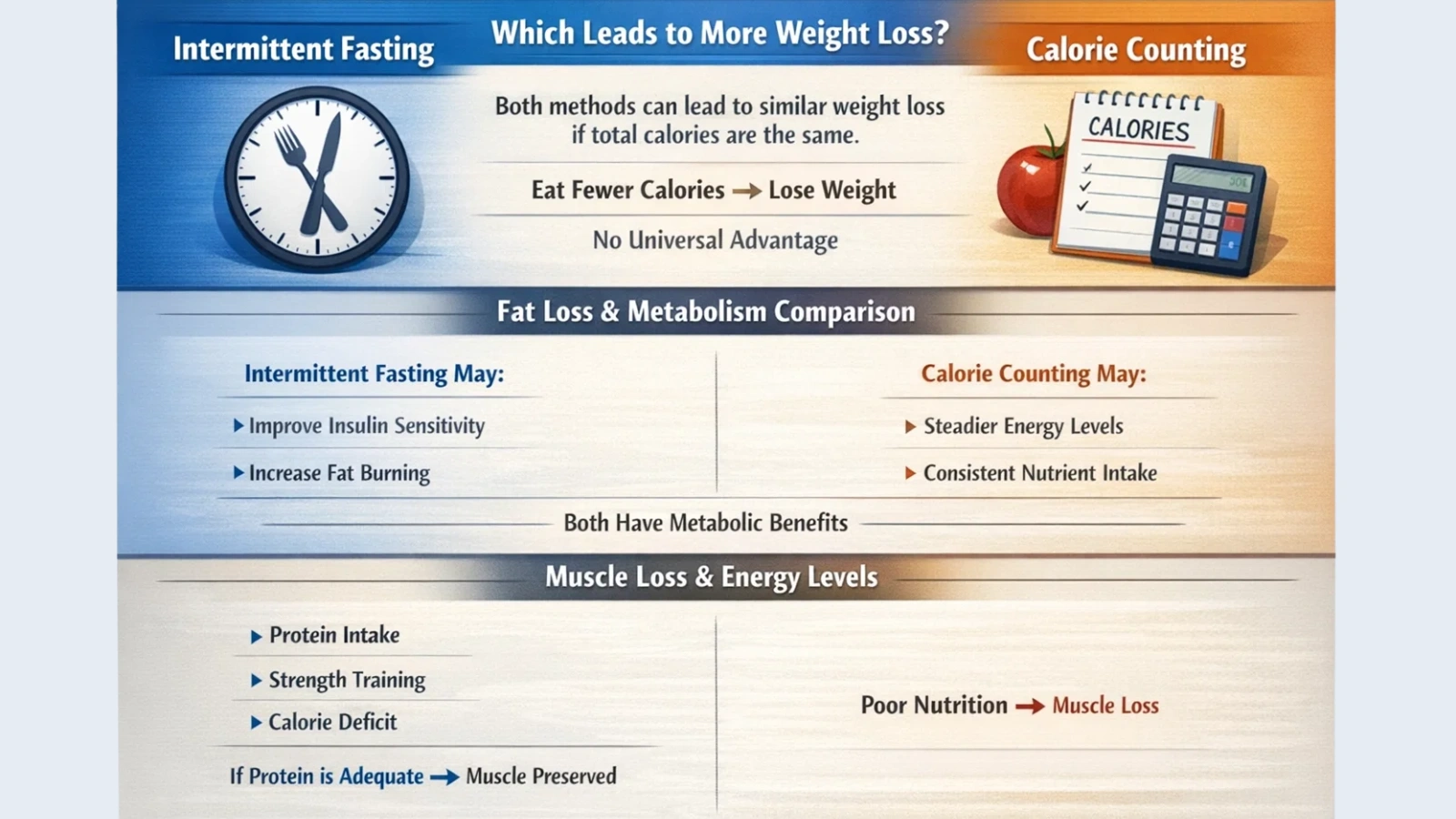
Which Leads to More Weight Loss?
Research shows both methods lead to similar weight loss when total calories are equal.
In simple terms:
If you eat fewer calories, you lose weight, whether through fasting or daily restriction.
So neither method has a universal advantage.
Fat Loss and Metabolism Comparison
Intermittent fasting may:
- Improve insulin sensitivity
- Increase fat burning during fasting hours
Calorie counting may:
- Provide steadier energy levels
- Allow consistent nutrient intake
Overall, metabolic benefits exist in both approaches.
Muscle Loss and Energy Levels
Muscle loss depends more on:
- Protein intake
- Strength training
- Overall calorie deficit
If protein is adequate, both methods can preserve muscle.
Without proper nutrition, both can cause muscle loss.
Weight Loss and Healthy Eating: Which Method Is Better?
Weight loss is not just about eating less. It is about eating right.
Healthy Eating with Calorie Counting
Calorie counting naturally encourages balanced nutrition because you become aware of:
- Protein intake
- Fiber
- Sugar consumption
- Portion sizes
This supports healthy eating for long-term weight loss.

Healthy Eating During Intermittent Fasting
Fasting does not guarantee healthy eating.
You can still overeat junk food during eating windows.
To succeed, you must focus on:
- Whole foods
- Lean protein
- Vegetables
- Healthy fats
Can You Lose Weight Without Healthy Eating?
Yes, but it is not sustainable.
Poor diet quality can lead to:
- Nutrient deficiencies
- Low energy
- Hormonal imbalance
Healthy eating improves both fat loss and weight loss.
Pros And Cons Of Calorie Counting
Pros
- Flexible meal timing
- Works with all cuisines
- Precise control over intake
- Encourages nutrition awareness
Cons
- Daily tracking effort
- App or food scale dependency
- Can feel mentally draining
Pros and Cons of Intermittent Fasting
Pros
- Simple rules
- Less meal planning
- Saves time
- No calorie math
Cons
- Hunger during fasting
- Social eating challenges
- Energy dips for beginners
- Not suitable for everyone
Which Is Easier to follow long-term?
This depends on personality and lifestyle.
Calorie counting may suit people who:
- Like structure
- Enjoy tracking progress
- Prefer smaller, more frequent meals
Intermittent fasting may suit people who:
- Have busy schedules
- Prefer fewer meals
- Dislike tracking apps
Sustainability matters more than method.
A plan you follow for 12 months beats one you quit in 2 weeks.
Who Should Choose Calorie Counting?
Calorie counting is ideal for:
- Beginners learning nutrition
- Fitness food enthusiasts
- People focused on healthy eating for weight loss
- Those needing precise fat loss control
It also works well for athletes and body recomposition goals.
Who Should Choose Intermittent Fasting?
Intermittent fasting suits:
- Busy professionals
- People who skip meals naturally
- Those who dislike food logging
- Individuals are comfortable with hunger periods
It can simplify dieting for many people.
Can You Combine Calorie Counting and Intermittent Fasting?
Yes, and this combination can be powerful.
You eat within a time window while maintaining a calorie deficit.
Example:
- 16:8 fasting schedule
- Moderate calorie restriction
- High-protein meals
This approach may improve:
- Fat loss
- Blood sugar control
- Appetite regulation
However, it requires planning to avoid undereating nutrients.
Safety and Side Effects
Both methods are generally safe when done correctly.
Risks of Calorie Counting
- Extreme calorie cuts
- Nutrient deficiencies
- Obsessive tracking behavior
Risks of Intermittent Fasting
- Headaches
- Fatigue
- Low blood sugar
- Dehydration
Fasting may not be suitable for:
- Pregnant women
- People with eating disorders
- Certain diabetics (without supervision)
Always consult a professional if you have medical conditions.
Expert Tips for Healthy Weight Loss
No matter which method you choose, these tips help:
- Prioritize protein
Supports muscle and satiety.
- Eat whole foods
Fruits, vegetables, lean protein, and whole grains.
- Stay hydrated
Water reduces hunger and fatigue.
- Strength train
Preserves muscle during weight loss.
- Sleep well
Poor sleep slows fat loss.
Conclusion
When it comes to calorie counting vs. intermittent fasting, there is no single method that works best for everyone.
Both approaches can support weight loss when they create a calorie deficit. The real difference lies in how you prefer to manage your eating habits and lifestyle.
If you like structure, tracking meals, and focusing on healthy eating for weight loss, calorie counting may feel more practical and sustainable. It helps you stay aware of portion sizes, nutrition, and daily intake, which supports long-term weight loss and healthy eating habits.
On the other hand, if you prefer a simpler routine without tracking numbers, intermittent fasting can be effective. By controlling your eating window, you may naturally reduce calorie intake and support fat loss.
The most important thing to remember is this:
Sustainable weight loss does not come from the method alone. It comes from consistency, balanced nutrition, and healthy habits you can follow long-term.
You can even combine calorie counting with fasting if it suits your routine.
In the end, the right choice is the one that fits your lifestyle, supports healthy eating, and helps you stay consistent on your weight loss journey.
FAQs
How long does it take to see weight loss results with calorie counting or intermittent fasting?
Most people start noticing small changes within 2–4 weeks. Visible weight loss usually appears after 4–8 weeks, depending on calorie deficit, activity level, and consistency.
Do you need to exercise while doing calorie counting or intermittent fasting?
Exercise is not mandatory, but it speeds up weight loss. Combining diet with strength training and cardio improves fat loss and supports healthy eating for weight loss.
Which method is better for beginners starting a weight loss journey?
Beginners who want flexibility often start with calorie counting. Those who prefer simple rules may find intermittent fasting easier. The best beginner method is the one you can follow consistently.
Can calorie counting or fasting help reduce belly fat specifically?
Neither method targets belly fat alone. Fat loss happens across the whole body. However, consistent weight loss through calorie counting or fasting will gradually reduce abdominal fat.