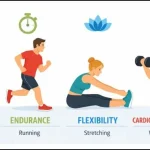



When you’re trying to burn fat without spending hours at the gym, two exercises usually dominate the conversation: the classic run and the high-intensity full-body movement many people swear by. Both are simple, both demand effort, and both promise fast results. But the moment you ask which one truly helps you slim down quicker, the debate begins: Burpees vs Running: Which Burns More Fat?
People choose these movements for different reasons. Running feels familiar, accessible, and easy to track. The other exercise packs strength, cardio, and explosiveness into a single move that challenges almost every muscle in your body. Both can help with burpees for fat loss goals, but they work differently. Some rely on steady endurance, while others depend on short bursts of body weight power.
Before we dive into the numbers, techniques, and fat-burning science, remember that the best workout is the one you stay consistent with. A smart approach, paired with tools like a calorie tracker buddy, can make your fat-loss journey far more structured and motivating, no matter which workout you prefer.
You can Listen to this blog here.
Calorie Burn Comparison
To understand which workout gives you a stronger fat-burning boost, it helps to look at the actual calorie numbers. In most cases, running has a predictable calorie range. A moderate pace can burn 300–450 calories in 30 minutes, depending on speed, incline, and individual fitness levels. It’s steady, rhythmic, and easy to scale just by speeding up or adding distance.
On the other side of the burpees vs running discussion, the full-body movement demands more power per rep, so it spikes heart rate quickly. A solid session can burn anywhere from 10 to 20 calories per minute. That range depends heavily on form, pace, and how long you can maintain intensity. This makes it a strong option for people who want quick, high-impact workouts that fit into tight schedules.
That said, both forms of body weight training or cardio-based exercises shine in different situations. Running builds endurance, while the other movement boosts explosive strength. The real fat loss advantage often comes down to how consistently you train and how well you manage your daily intake.
Burning Mechanisms Explained
To truly understand why one workout might burn more fat than the other, it helps to look at how your body responds during each session. When you compare burpees vs running, you’re essentially comparing two very different energy systems. Running at a moderate pace usually relies on steady-state cardio. This means your body taps into stored fat as a consistent fuel source over a longer duration. It’s smooth, stable, and ideal for improving aerobic capacity.
The other movement works differently. Because it combines strength, speed, and explosive motion, it pushes your heart rate into high-intensity zones much faster. Here, your body relies on quick bursts of energy, which increases oxygen demand and activates the afterburn effect. This effect keeps your metabolism elevated long after the workout ends, a major advantage for people focused on burpees for fat loss as part of a time-efficient routine.
Both workouts are effective, but each delivers results in its own way. If you enjoy slow, steady movement, running might feel more natural. If you prefer short, intense sessions where you push your limits, the full-body option may be a better fit.
Muscle Engagement & Strength Benefits
When comparing burpees vs running, it’s clear that both workouts challenge the body but not in the same way. Running is primarily a lower-body movement. It targets the glutes, quads, hamstrings, and calves while also engaging your core to maintain posture. Over time, this builds endurance and strengthens the muscles needed for better cardiovascular performance.
The other exercise, however, takes a more full-body approach. It combines a squat, plank, hop, and jump into one continuous flow. This means your chest, shoulders, arms, core, glutes, quads, and stabilizer muscles all work together. The constant up-and-down movement adds a strength-building component, making it a strong option for people who want body weight training without equipment.
Running helps you build stamina. The explosive movement helps you build power. Both can support fat loss, but the strength element introduced by the full-body motion can also lead to improved posture, better mobility, and a stronger metabolic response. The right choice simply depends on the style of movement your body responds to best.
Impact on Joints & Injury Risk
When discussing burpees vs running, joint impact becomes a major deciding factor for many people. Running is a repetitive, high-impact activity, especially when done on hard surfaces like concrete. Over time, this can stress the knees, ankles, hips, and lower back. Proper shoes, good form, and surface choice help reduce the strain, but people with existing joint sensitivity may still feel discomfort during long-distance runs.
The other movement also involves impact, but in short bursts rather than continuous repetition. The combination of squatting, jumping, and transitioning to the floor can put pressure on the wrists, shoulders, and knees if the form is rushed or alignment is off. While it’s an effective body weight training option, it does require control and stability. Beginners often need time to build the strength needed for smooth execution.
Both movements can be safe, but both can be risky if performed incorrectly. Runners should focus on gradual mileage increases, supportive footwear, and softer terrain when possible. Those practicing the full-body exercise should prioritize form, warm up properly, and progress slowly. Choosing the safer option for your body is more important than simply choosing the one that burns more calories.
Time Efficiency & Workout Flexibility
When looking at burpees vs running from a time-efficiency angle, the differences become clear. Running usually requires a longer session to deliver noticeable results. Even a quick jog takes planning, finding a route, warming up, and settling into a steady pace. It’s ideal for people who enjoy longer, uninterrupted workouts and want a calming rhythm to their routine.
The full-body movement, on the other hand, is built for speed. A 10–15 minute session can elevate your heart rate enough to match or exceed the calorie burn of a much longer run. This makes it perfect for people who want intense training packed into short windows. You can do it at home, in a hotel room, or anywhere you have a bit of space. No equipment needed, no setup required.
In terms of flexibility, running wins when you want variety. You can change terrain, distance, pace, and routes easily. The explosive exercise wins when you want maximum impact in minimum time. Both styles can be tailored to your fitness level. The only real question is how much time you’re willing to commit to each session.
Suitable for Beginners vs Intermediates
When comparing burpees vs running for different fitness levels, both offer advantages — but they don’t challenge beginners in the same way. Running is usually the easier starting point. Most people can walk-jog their way into it, building endurance gradually. Pace, distance, and intensity are easy to control, making it beginner-friendly and less intimidating for someone just starting their fitness journey.
The full-body explosive movement requires more coordination, strength, and joint stability. For beginners, it can feel overwhelming because it combines several actions in one continuous flow. Proper form becomes essential to avoid wrist, shoulder, or knee discomfort. That doesn’t mean it’s off-limits — beginners can start with slower, modified variations and build up over time.
For intermediates, both workouts shine in different ways. Running allows for advanced progression through interval sprints, hill runs, and pace variations. The explosive movement challenges intermediates with speed, volume, or high-intensity intervals. Each can be scaled, but the learning curve for the full-body exercise tends to be steeper.
Ultimately, beginners often gravitate toward running for its simplicity. Intermediates may appreciate the strength and conditioning benefits of the more complex movement. What matters most is choosing a routine that feels sustainable and enjoyable.
Which Is Better for Fat Loss Goals?
When choosing between burpees vs running for fat loss, the best option often depends on your lifestyle, schedule, and personal preferences. Some people thrive on long, steady workouts, while others need fast, intense sessions that deliver results without taking up much time. Here’s how to decide based on real-world situations:
- Short on time?
The explosive, full-body movement wins. In 10–12 minutes, you can elevate your heart rate, challenge multiple muscles, and burn a surprising number of calories. It’s perfect for busy mornings or quick sessions between tasks. - Prefer steady and predictable workouts?
Running provides structure. You can start slow, build your pace, and enjoy a smooth session without complicated motions. Many people find it mentally refreshing and easier to maintain consistently. - Want both endurance and strength?
The full-body option gives you a mix of cardio and muscle engagement. You get conditioning, power, and coordination all at once — making it a solid choice for balanced fitness goals. - Looking for low mental load?
Running is simple. Lace up, step outside, and go. There’s comfort in the repetition and freedom in choosing your pace or route. - Need a workout you can do anywhere?
The explosive movement requires no space, no equipment, and no setup. Perfect for apartments, travel, or quick indoor sessions.
Instead of choosing one exercise forever, many people find that a blend of both helps them stay motivated. Long runs build stamina, while high-intensity sessions provide power and quick calorie burn. Together, they create a well-rounded routine that supports steady fat loss over time.
Track Your Progress the Smart Way 
No matter which workout you lean toward, one thing remains true: fat loss becomes easier when you know exactly what you’re burning versus what you’re eating. That’s where Calorie Tracker Buddy makes a real difference.
This simple, easy-to-use tool helps you log meals, monitor daily intake, and understand how your training sessions impact your overall progress. Instead of guessing your calorie balance, you get clear insights that help you stay consistent.
Whether you go for shorter, intense bodyweight sessions or longer runs, pairing your routine with a reliable tracking tool keeps you accountable. Calorie Tracker Buddy turns your fat-loss journey into something more structured, measurable, and motivating — so you can see results faster and adjust your plan with confidence.
Also Read,
Conclusion
When looking at burpees vs running, the real answer isn’t about choosing a winner — it’s about choosing what fits your lifestyle and goals. Both exercises burn fat, both improve fitness, and both offer unique benefits. Running delivers steady calorie burn, improved endurance, and a simple routine you can perform almost anywhere. The explosive, full-body movement offers quick intensity, strength engagement, and powerful results in short sessions.
Your fat-loss journey shouldn’t feel complicated. Pick the workout style you enjoy, stay consistent, and support your routine with smart habits like balanced meals and regular activity. Over time, the combination of effort, discipline, and awareness makes a bigger difference than any single exercise. What matters most is sticking to a routine that keeps you moving, energized, and motivated day after day.
FAQs
1. Can I combine both exercises in the same workout?
Yes. You can mix short high-intensity intervals with steady-paced running to create a hybrid routine. Many people use the full-body movement as a finisher after a run because it spikes heart rate and adds a strength element.
2. How many days a week should I train for noticeable fat loss?
Most people see results with 3–5 sessions per week. The key is consistency, progressive intensity, and pairing workouts with a balanced eating plan.
3. Is it okay to do high-intensity bodyweight sessions every day?
Daily high-intensity sessions may lead to fatigue or overuse injuries. It’s better to alternate intense days with lighter activity, stretching, or moderate cardio for recovery.