


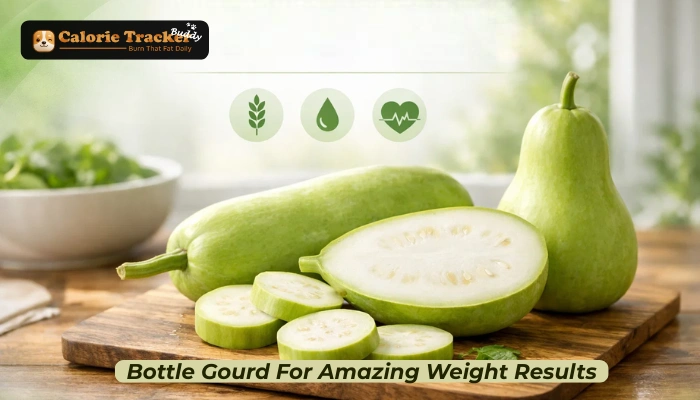
When it comes to simple, nourishing vegetables that quietly support overall health, bottle gourd deserves far more recognition than it usually receives. Found in traditional kitchens and local markets across India and many tropical regions, this light-green vegetable has supported balanced diets for generations.
Its mild flavor, high water content, and impressive nutrient profile make it ideal for daily meals. Whether you want better digestion, improved hydration, or lighter dinners, bottle gourd offers a practical and affordable solution.
In this comprehensive guide, you will learn about its nutritional value, health advantages, cooking ideas, seasonal importance, and how smart tracking tools can enhance your wellness journey.
In a hurry? Listen to the blog instead!
What Is A Bottle Gourd?
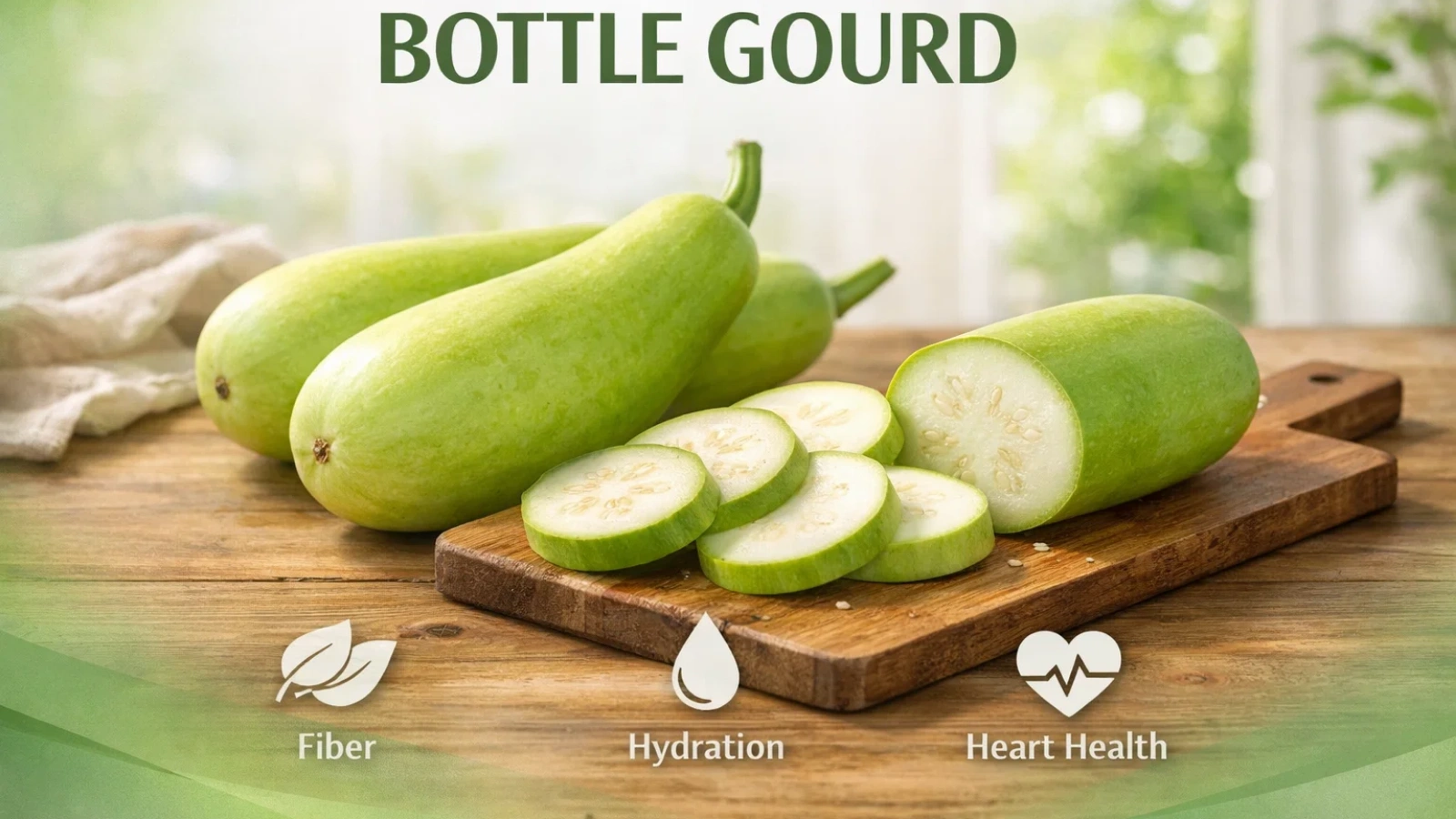
Bottle gourd grows on a vine and thrives in warm climates. It features smooth, pale-green skin and soft white flesh inside. When harvested young and tender, it serves as a versatile vegetable in everyday cooking.
In some regions, people call it calabash, especially when referring to its mature and dried form used for containers or musical instruments. However, in the kitchen, its culinary value stands out the most.
Because calabash carries a neutral taste, it absorbs spices beautifully and blends well with lentils, grains, and herbs. That adaptability makes it suitable for both traditional and modern recipes.
Nutritional Profile Of Bottle Gourd
One reason nutrition experts recommend calabash lies in its impressive composition. It contains over 90% water, which supports hydration and internal cooling.
It also provides:
- Dietary fiber
- Vitamin C
- B-complex vitamins
- Potassium
- Iron
- Calcium
- Magnesium
Since calabash remains low in calories and fat, it fits perfectly into balanced meal plans. Its fiber promotes digestive comfort, while potassium helps regulate blood pressure and supports heart health.
Why Calabash Fits Modern Lifestyles?
Today’s busy schedules demand foods that nourish without overwhelming the digestive system. Calabash meets that need effortlessly. It cooks quickly, feels light on the stomach, and pairs well with everyday staples like rice and chapati.
Unlike heavy curries that may cause bloating, calabash supports smooth digestion and sustained energy levels. Many families prefer it during the summer because it cools the body naturally and replenishes lost fluids.
This vegetable proves that healthy eating does not require complicated ingredients or expensive superfoods.
What Are The Bottle Gourd Benefits For Overall Wellness?
When people explore natural nutrition options, they often come across numerous calabash benefits. Its advantages extend across multiple areas of health. Including bottle gourd in a balanced diet for weight loss can be especially effective due to its low-calorie, high-nutrient profile.
Supports Digestive Balance:
The fiber and water content help maintain smooth bowel movement and prevent constipation. Regular consumption promotes gut comfort and reduces acidity.
Encourages Heart Health:
Potassium contributes to balanced blood pressure levels. Including calabash in meals supports cardiovascular function naturally.
Helps Maintain Stable Blood Sugar:
Because it carries a low glycemic load, calabash suits individuals who monitor blood sugar carefully. It provides nourishment without sudden spikes.
Promotes Natural Hydration:
Its high water percentage helps the body stay refreshed during hot weather. This quality makes it especially valuable in summer diets.
How Does Bottle Gourd Support Weight Loss?
Many people include bottle gourd for weight loss in structured diet plans. Its low calorie density and high fiber content create a feeling of fullness without excessive calorie intake.
A bowl of lightly cooked curry or soup satisfies hunger while keeping meals light. Replacing calorie-dense dishes with vegetable-based preparations helps manage overall intake.
It supports weight management in several practical ways:
- Low in calories but high in volume
- Rich in fiber to improve satiety
- High water content to reduce overeating
- Easy to digest and light on the stomach
- Suitable for balanced lunch or dinner options
However, long-term weight management requires consistency and portion awareness. Healthy eating works best when supported by measurable habits.
To make this easier, tools like Calorie Tracker Buddy help you quickly log meals, track calorie intake and burn, and see how each dish fits your goals. If you prepare a simple soup or curry, you can scan it in seconds and stay aware of your progress.
When you combine smart food choices with simple tracking, weight management becomes more structured, realistic, and sustainable.
Also Read:
What Are Some Popular Bottle Gourd Recipe Ideas?
A simple bottle gourd recipe can transform this humble vegetable into a comforting and nutritious dish when prepared with the right spices and ingredients. Here are some flavorful ways to include it in your meals:
Bottle Gourd Curry:
Cook chopped pieces with cumin seeds, onions, tomatoes, turmeric, and coriander powder. Simmer until soft and allow the spices to blend well. Serve hot with roti or steamed rice for a light yet satisfying meal.
Bottle Gourd with Lentils:
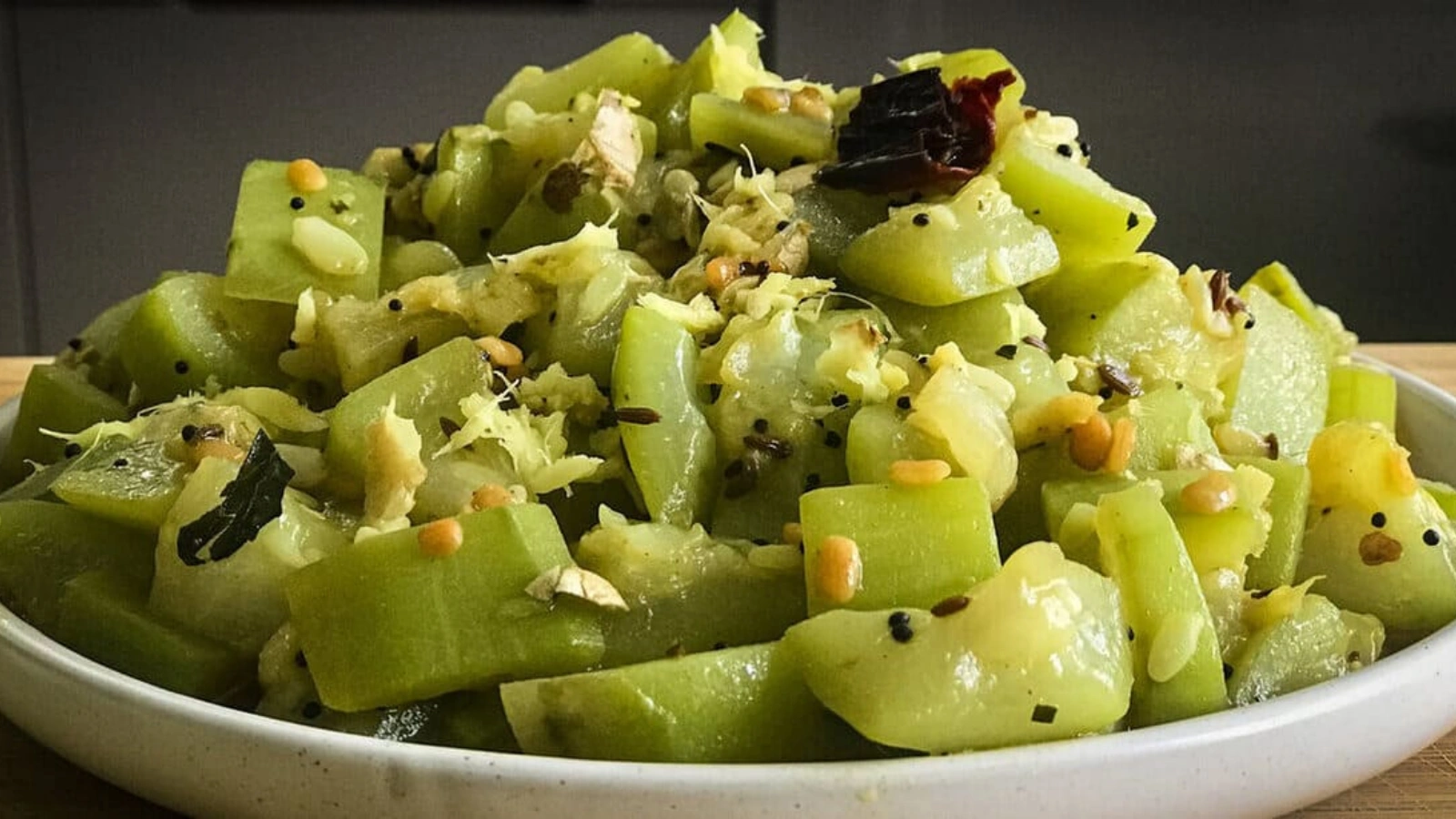
Combine it with yellow lentils such as moong or toor dal. This preparation increases protein content while enhancing texture and taste. It creates a balanced dish that supports both nourishment and fullness.
Bottle Gourd Soup:
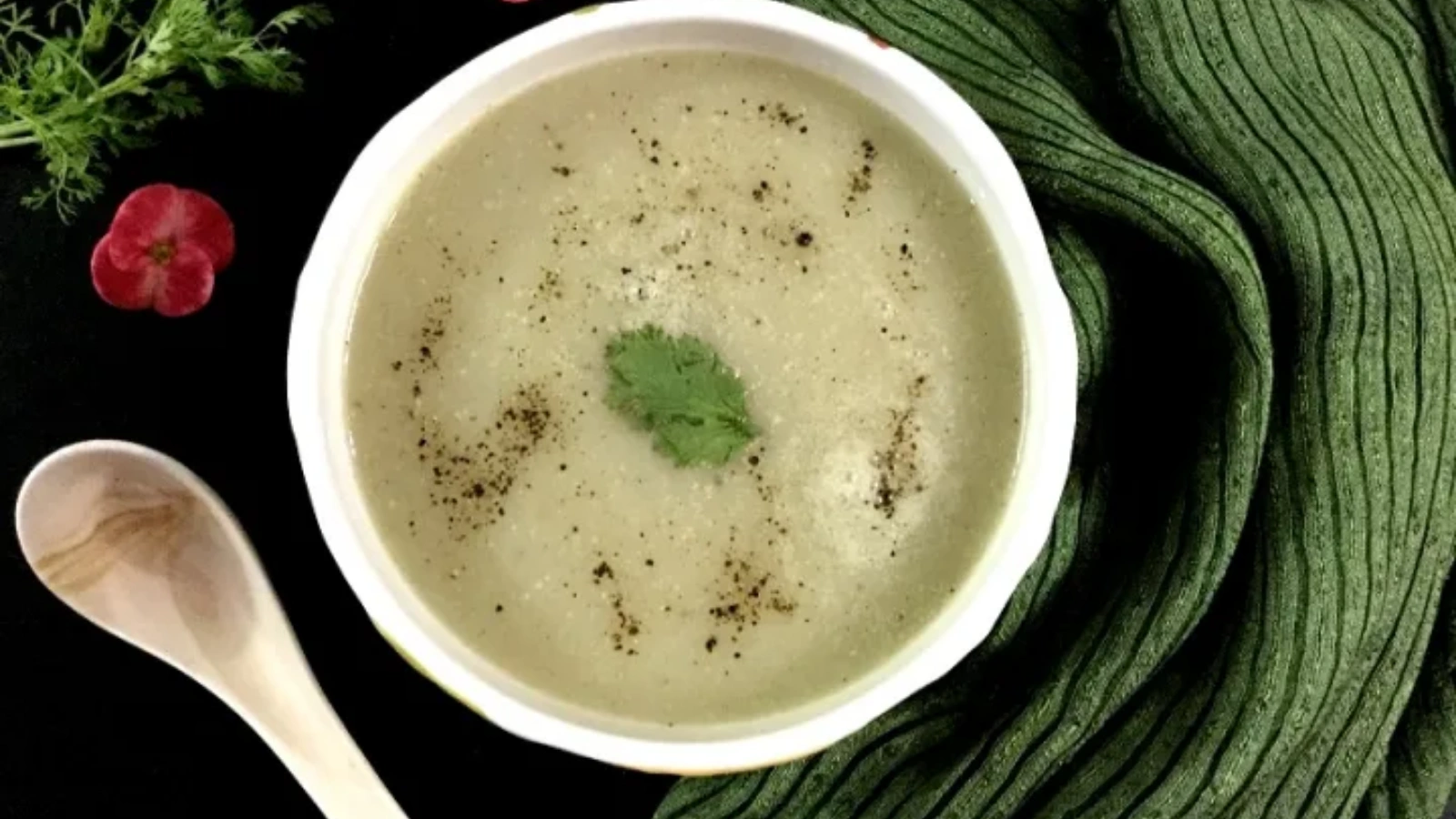
Boil and blend the vegetable with garlic, black pepper, and a pinch of salt. This smooth and hydrating soup works perfectly as a light dinner or detox-friendly option.
Stuffed Bottle Gourd:
Hollow out slightly thicker pieces and fill them with a spiced gram flour or paneer mixture. Cook gently on low heat so the flavors absorb well, creating a rich and flavorful variation.
These preparations show that this versatile vegetable adapts easily to diverse culinary styles while remaining light and wholesome.
Also Read:
How Can Calorie Tracker Buddy Support Your Wellness Journey?
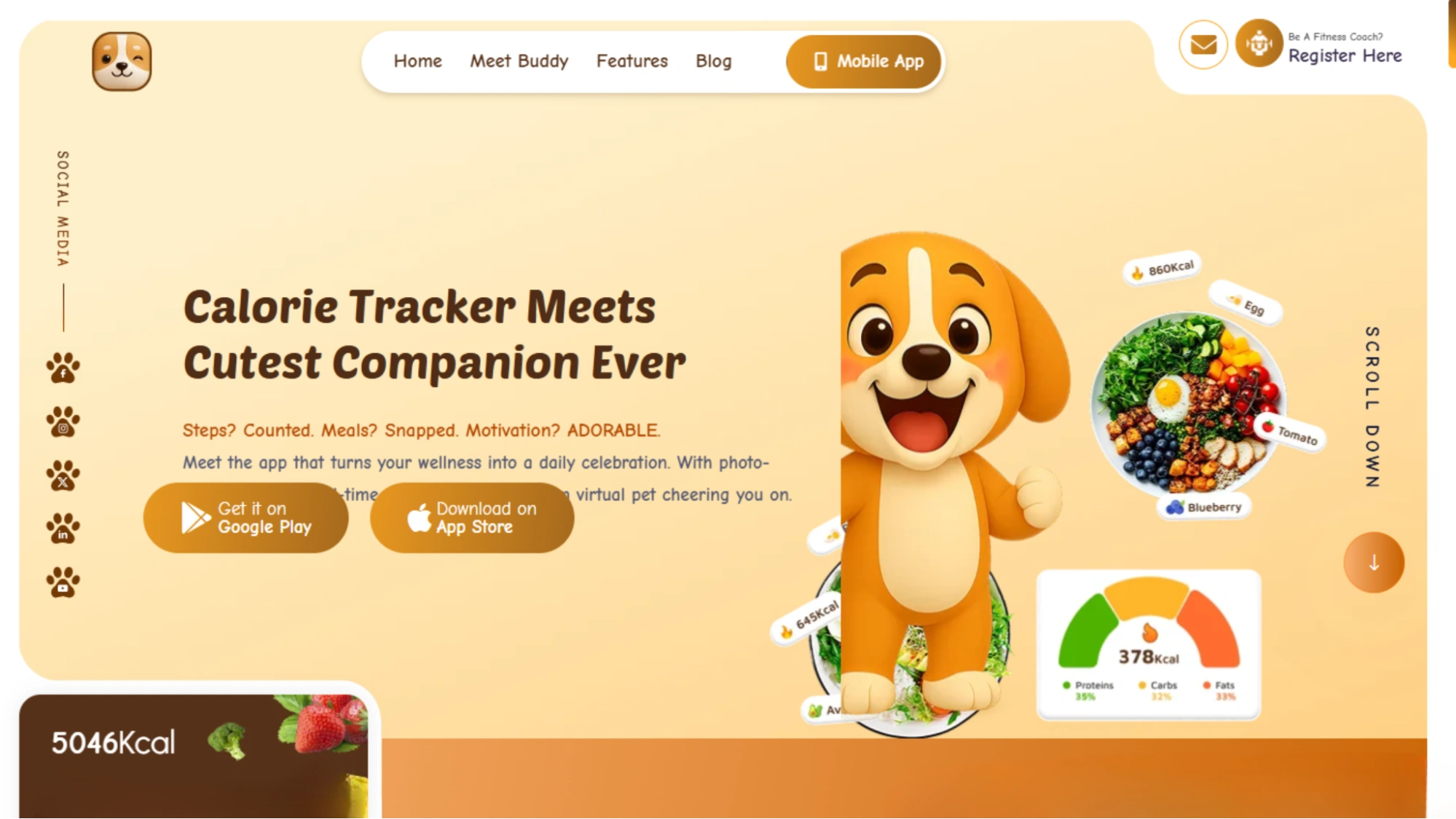
Healthy eating becomes more effective when supported by intelligent tools. Calorie Tracker Buddy works as your personal health companion, helping you track meals, activity, and progress with ease while maintaining better control over your daily nutrition.
Here’s how it enhances your journey:
Snap the Meal:
Point your camera and tap once. The app scans your food and instantly analyzes calories, nutrients, and overall balance. If you prepare a homemade calabash dish, you can log it quickly without manual calculations.
Calorie Intake Tracker:
You eat, the app calculates. It tracks what’s on your plate and shows how your calorie intake aligns with your goals. This feature improves portion awareness and helps you stay consistent.
Calorie Burn Tracker:
From workouts to everyday chores, every movement counts. The tracker records calorie burn throughout the day, helping you understand your energy balance more clearly.
Goal Predictions:
Curious how close you are to your target? The app predicts how each meal, snack, and beverage impacts your progress. This insight encourages smarter and more informed food choices.
Buddy Motivation:
Your virtual pet grows with every healthy action you take. Each balanced meal or tracked activity helps your buddy evolve, keeping motivation high and habits consistent.
Social Sharing:
Share your nutritious meals and progress with friends. Celebrate milestones, maintain accountability, and stay inspired through community support.
Let’s Do This — Buddy’s Waiting:
When you combine nutritious foods like bottle gourd with structured tracking, you create clarity and momentum. Calorie Tracker Buddy turns daily habits into measurable achievements.
Seasonal Importance Of Bottle Gourd
Summer heat often causes fatigue, dehydration, and digestive discomfort.calabash supports natural cooling and replenishment because of its high water content and light texture. It helps the body stay refreshed without feeling heavy after meals.
Including seasonal vegetables aligns your diet with the body’s natural climate needs. During warmer months, lighter foods improve digestion and energy levels.
Here’s why it works especially well in summer:
- High water content helps maintain hydration
- Light on the stomach and easy to digest
- Supports natural cooling of the body
- Ideal for low-oil, simple preparations
- Suitable for light lunches and early dinners
Because it cooks quickly and absorbs spices easily, it becomes a practical choice for warm-weather meals. Adding it to your summer menu keeps your diet balanced, refreshing, and seasonally aligned.
Final Thoughts
In a world fascinated by trendy superfoods, simple vegetables often go unnoticed. calabash stands as proof that everyday ingredients can deliver exceptional value.
Its hydration support, digestive benefits, and versatility make it a practical addition to regular meals. When paired with smart tools like Calorie Tracker Buddy, healthy eating becomes structured, measurable, and motivating.
By including calabash in your weekly meal plan and tracking your intake wisely, you create a balanced approach that supports both nourishment and long-term wellness.

FAQs
1. Can calabash be eaten raw?
You should not consume it raw in large quantities. Always taste a small piece before cooking to ensure it is not bitter. Cooking improves digestibility and enhances safety.
2. Is this vegetable good for liver health?
Many traditional diets include it as a light and cooling option that supports overall digestive function. While it contributes hydration and fiber, consult a healthcare professional for specific liver conditions.
3. How often can I include calabash in my weekly diet?
You can safely eat calabash two to four times a week as part of a balanced diet. Rotate it with other vegetables to maintain nutritional diversity.
4. Does it help reduce body heat?
Yes, its high water content helps cool the body naturally, especially during summer. That is why many households prefer it in warm weather.
5. Is it suitable for people managing blood sugar levels?
It has a low glycemic load, which makes it a smart option for those monitoring blood sugar. However, portion control and medical guidance remain important.