


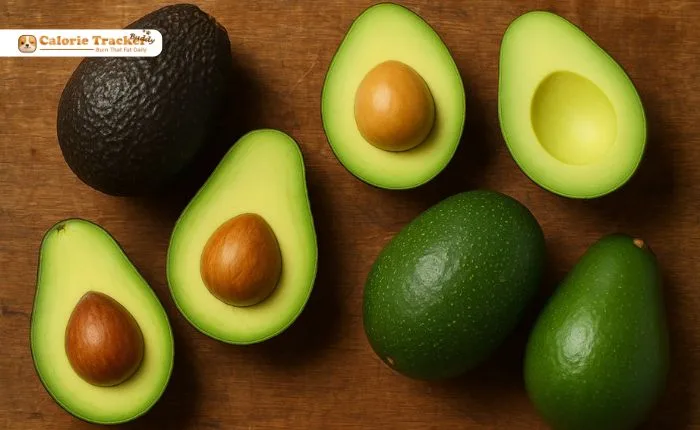
Walk into any grocery store, and you’ll likely spot the familiar green pear-shaped fruit that’s taken the culinary world by storm. The avocado has become a staple in kitchens worldwide, gracing everything from salads to smoothies.
But here’s something most people don’t realize: not all avocado varieties taste the same, and knowing which type you’re buying can completely transform your meals.
You can listen to this Blog here,
Hass: The Everyday Champion:
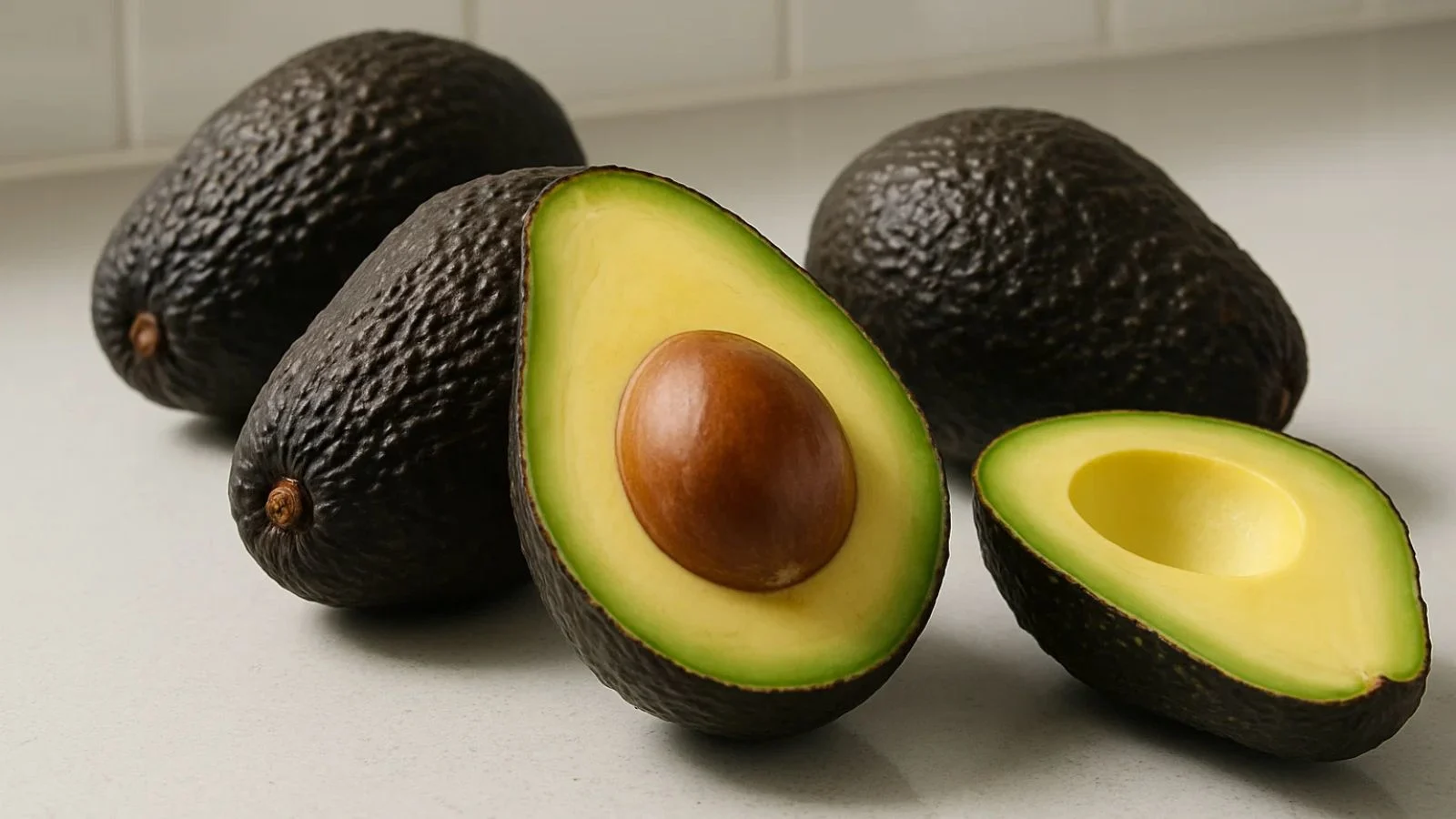
If you purchased this fruit at a supermarket, it was likely a Hass. This variety dominates about 80% of the market, and its popularity isn’t accidental. Hass offers a rich, creamy texture with a slightly nutty flavour that works in virtually any dish.
The skin starts green and turns purplish-black as it ripens, making it easy to judge readiness. The thick, pebbly exterior protects the fruit during transport, which explains its widespread availability.
Beyond its versatility, the High Fiber content of Hass avocados plays a key role in controlling your calories, making it a great addition to a balanced diet. Fiber-rich foods like avocados help you feel fuller for longer, reducing the likelihood of overeating.
You’ll find Hass in nearly every grocery store across the country. They’re grown primarily in California and Mexico, with harvests running from spring through fall. This consistent availability and quality have made it the default choice for both home cooks and professional chefs. Whether you’re new to eating avocado or a long-time fan, Hass remains reliable.
Fuertes: The Smooth Alternative:
Before Hass took over, Fuertes was America’s favourite. While less common now, it’s worth seeking out for its unique qualities.
Fuerte has smoother, thinner skin that stays green even when ripe. The flesh is less oily with a milder, more delicate flavor. This subtler taste works beautifully when you don’t want the fruit to overpower other ingredients, and the good fats in avocado are still present despite the lighter texture.
The thin skin peels easily, making preparation quick and simple. However, this also means it bruises more easily during shipping. You’ll most likely find Fuerte at farmers’ markets or specialty stores during the winter and spring months.
Reed: The Summer Treat:
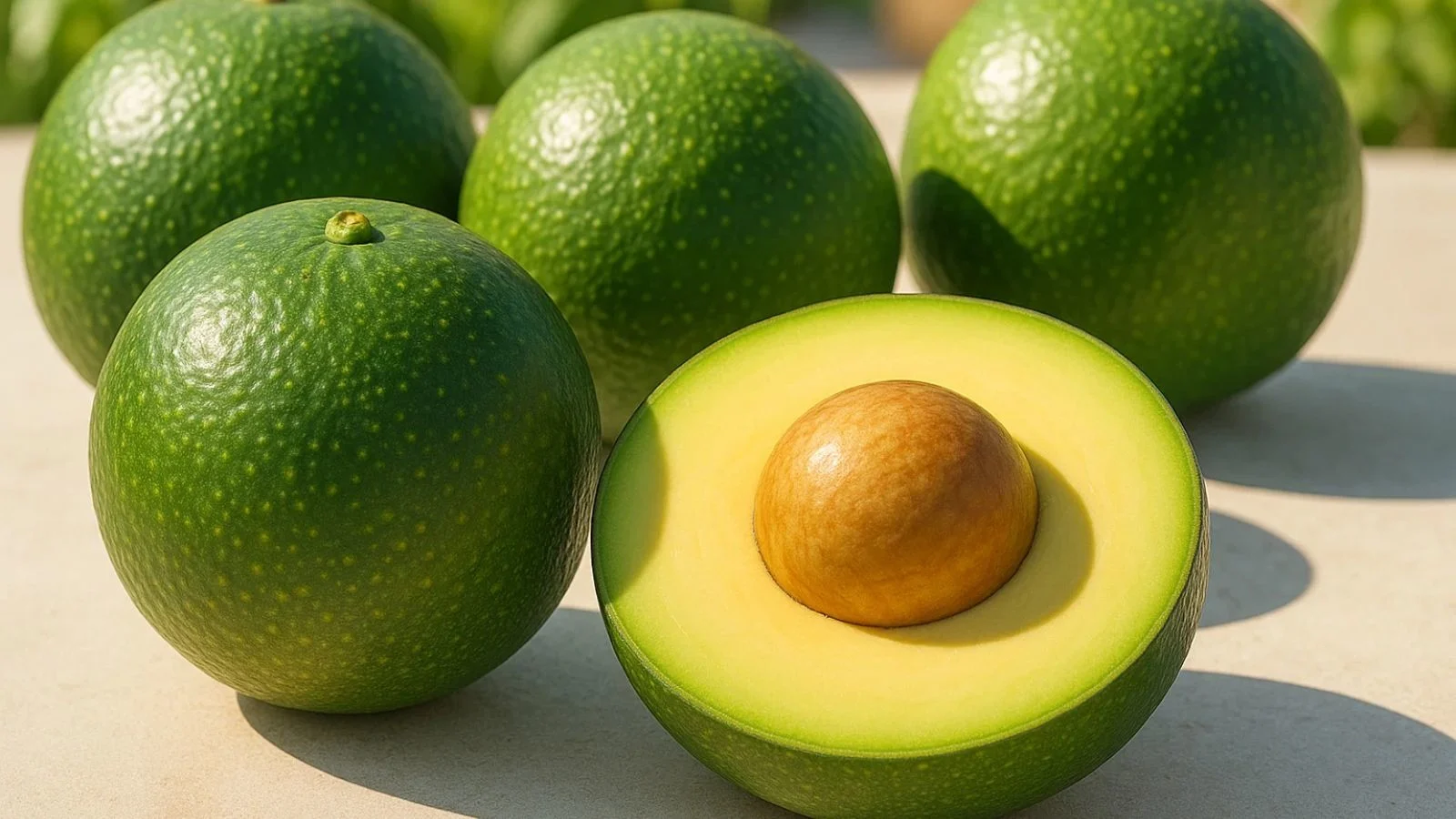
Reed varieties immediately stand out with their distinctive round shape; they look like green softballs. This summer variety has loyal fans who swear by its superior taste.
The flesh is exceptionally creamy and buttery. Reed avocados are larger than most types, often weighing over a pound, but the seed remains relatively small, giving you more edible fruit.
These typically appear in farmers’ markets from July through September, primarily in California. If you spot them during summer, don’t hesitate, they’re genuinely special.
Pinkerton: The Underrated Gem:
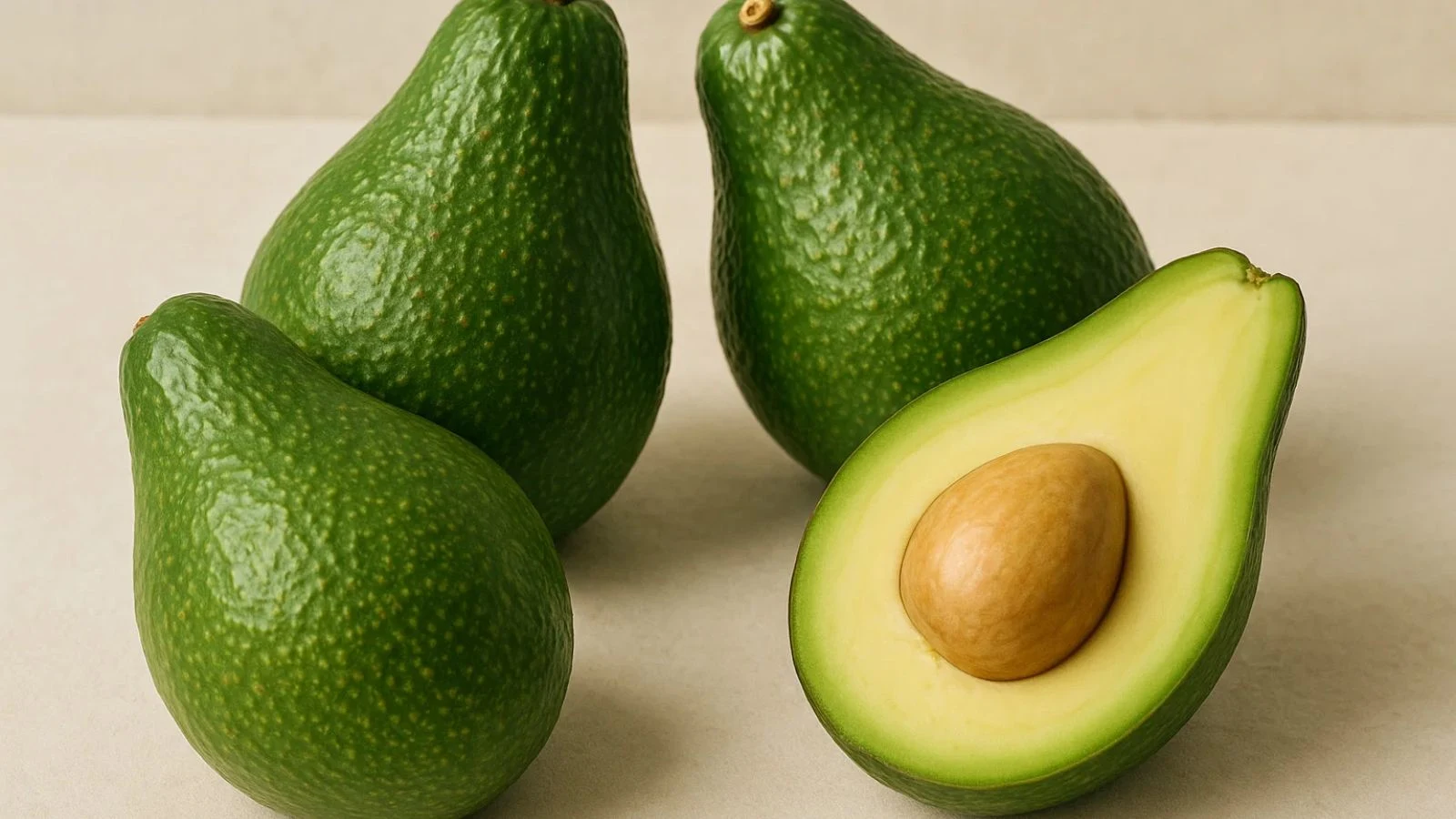
Pinkerton deserves far more recognition than it receives. This long, pear-shaped fruit offers excellent value and taste.
The flesh is smooth and creamy with a rich flavor similar to Hass. What sets Pinkerton apart is its small seed, meaning more fruit for your money. The somewhat pebbly skin strikes a nice balance between protection and easy peeling.
These appear in winter and spring, mainly at California farmers’ markets. They’re harder to find in regular stores, but the high flesh-to-seed ratio makes them economical despite sometimes premium pricing.
Gwen: Perfect Portion Size:
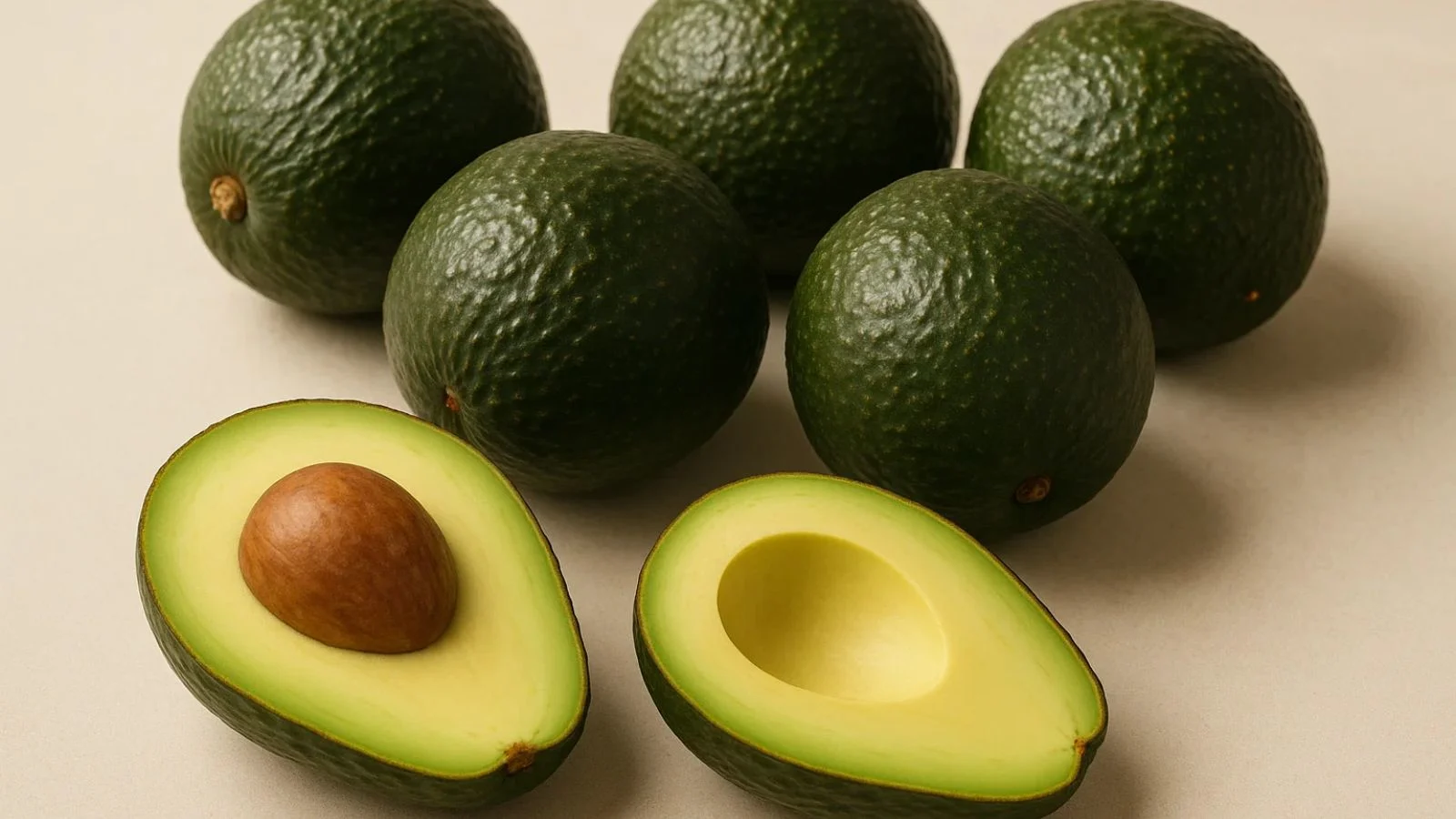
Gwen resembles a smaller, rounder version of Hass, with similar pebbly skin that darkens when ripe. Developed from Hass, this variety shares many of its best qualities.
The texture is creamy and the flavor rich, though slightly milder than its parent. The compact size makes Gwen ideal for single servings or when you need just the right amount for an avocado toast recipe without wasting half a fruit.
You’ll find Gwen mainly in California markets from late fall through spring. While not as widely distributed as Hass, it’s gaining popularity for its convenient size and excellent taste.
Where to Actually Find These Varieties:
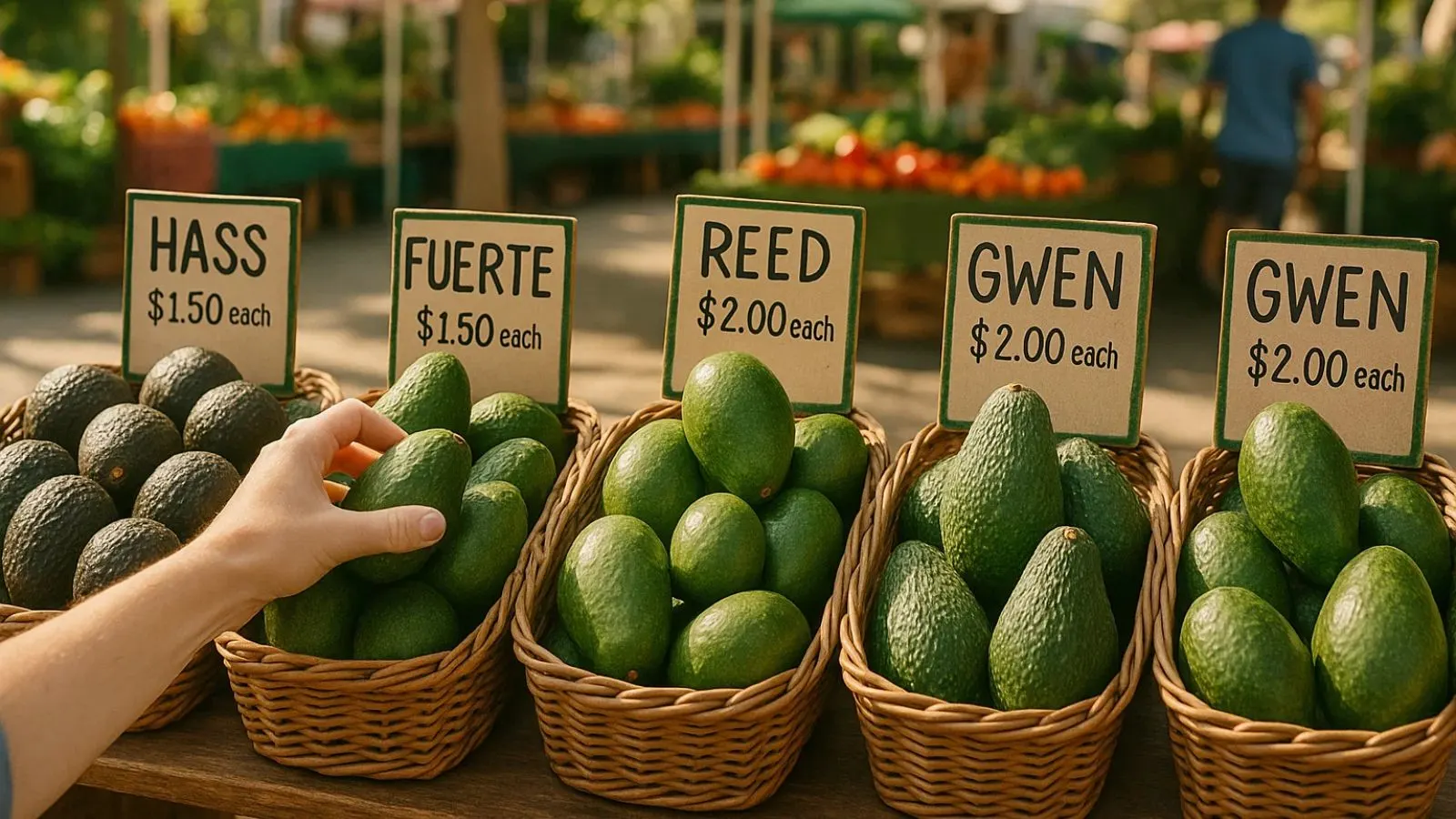
Your local farmers’ market is often the best place to find truly diverse varieties of avocados. Many small growers bring unique types that don’t ship well or aren’t produced in bulk for supermarkets. If you visit during different seasons, you’ll notice how availability changes. Most vendors are also happy to explain the taste, texture, and best uses of each avocado variety they offer, so you can choose exactly what suits your needs.
Specialty grocery stores and premium supermarkets like Nature’s Basket, Food hall, or Reliance Signature often carry more than just the common Hass avocados when different varieties are in season. Don’t overlook smaller local or ethnic markets either—especially those that source directly from regional growers. These shops often partner with small farms and may offer unique varieties you won’t find in regular supermarkets.
If you’re truly adventurous, some farms in India, especially in states like Karnataka, Tamil Nadu, and Kerala—now ship fresh avocados directly to consumers. While the delivery cost may be slightly higher, it’s a great way to try rare or premium varieties that don’t usually reach your city.
Also Read:
Top 10 High Fiber Foods To Control Your Calories
Top 15 High Fiber Foods To Boost Digestion And Improve Overall Health
Track Your Nutrition With CalorieTracker Buddy:
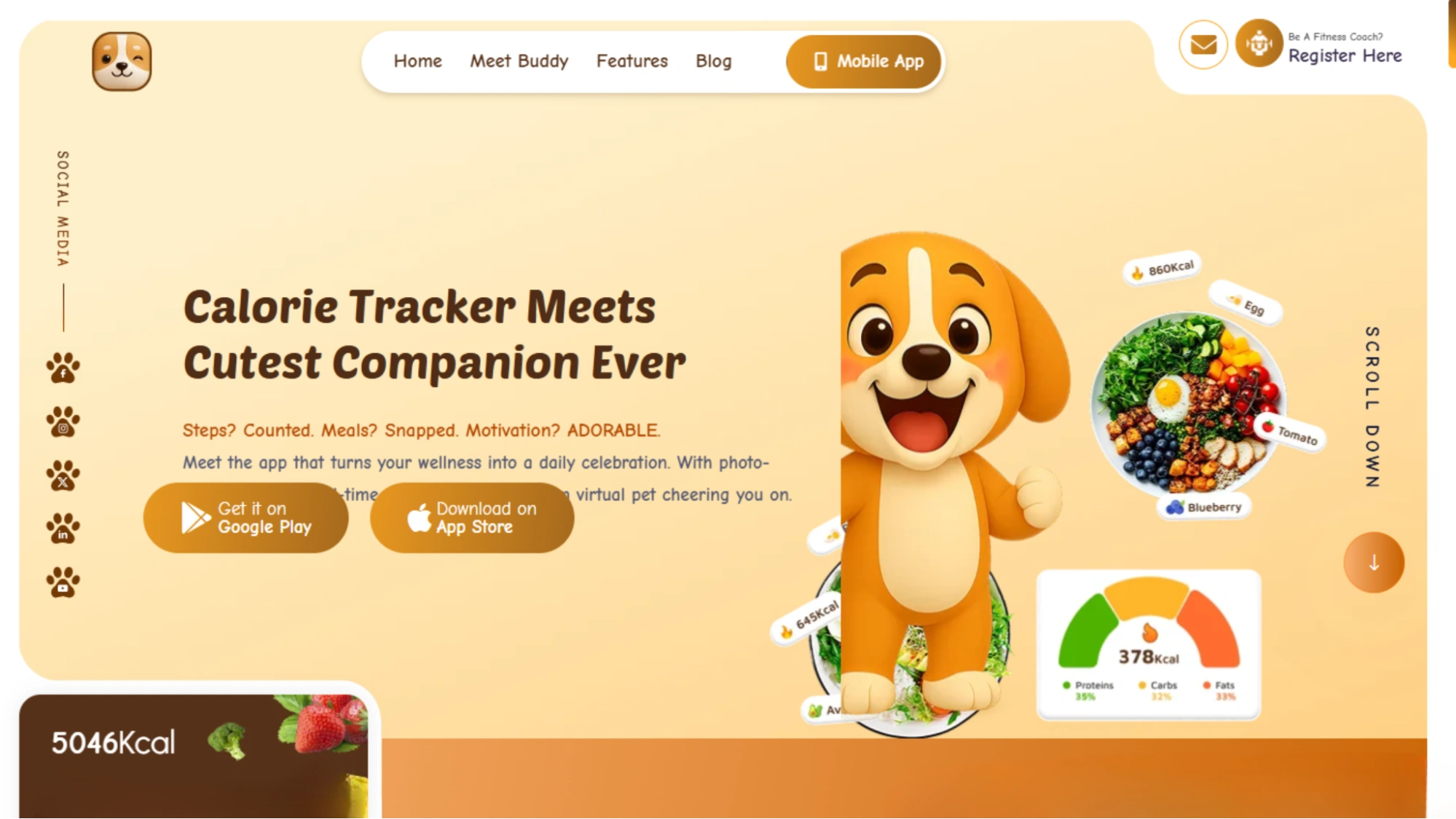
When exploring different varieties and incorporating them into daily meals, tracking nutritional intake becomes valuable. CalorieTracker Buddy makes this effortless.
Each avocado variety has slightly different nutritional profiles; some contain higher healthy fat content, while others vary in fiber. CalorieTracker Buddy’s extensive database includes various types, letting you log whether you’re eating Hass, Fuertes, or another variety. It breaks down macronutrients, helping you understand how these fruits fit your daily goals.
The app’s simple interface lets you quickly search foods, scan barcodes, or save favorite meals for easy logging later. When you regularly eat similar breakfasts or lunches, this feature saves significant time. Whether watching calories, tracking healthy fats, or monitoring overall nutrition, having this information readily available helps you make informed decisions about your diet.
The Superfood Question Answered:
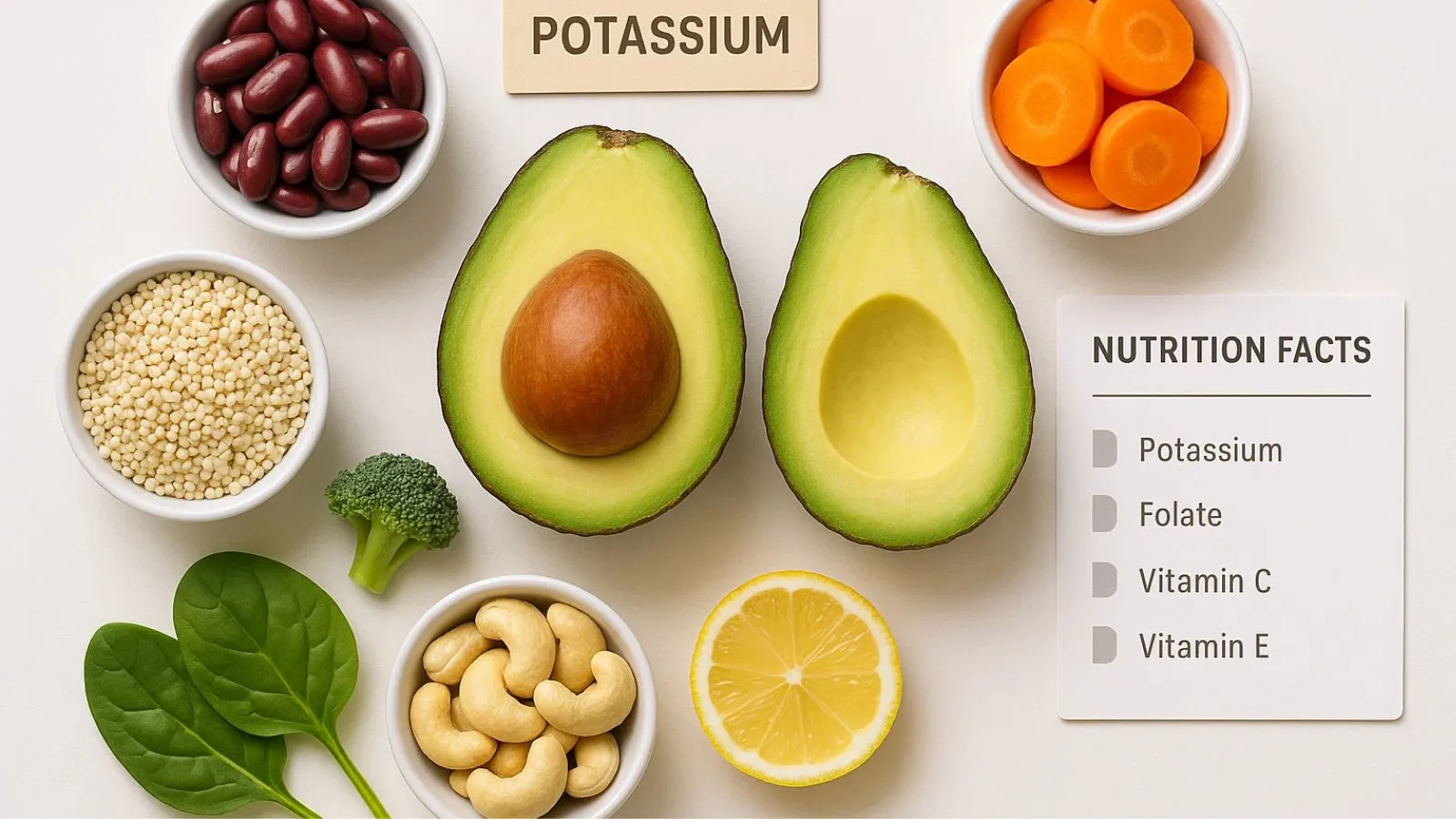
You’ve probably heard these fruits are called superfoods, and there’s solid reasoning behind this label.
While “superfood” isn’t scientifically defined, it generally refers to nutrient-dense foods offering significant health benefits.
So is avocado a super food?
By most standards, absolutely. These fruits pack heart-healthy monounsaturated fats, the same beneficial type found in olive oil. They contain nearly 20 vitamins and minerals, including potassium, vitamin K, vitamin E, vitamin C, and B vitamins. One serving delivers about 7 grams of fiber.
Research suggests regular consumption may help lower cholesterol, reduce inflammation, and support cardiovascular health. The healthy fats also help your body absorb fat-soluble vitamins from other foods. However, remember that no single food is magical; a balanced variety remains key to good nutrition.
Smart Shopping Tips:
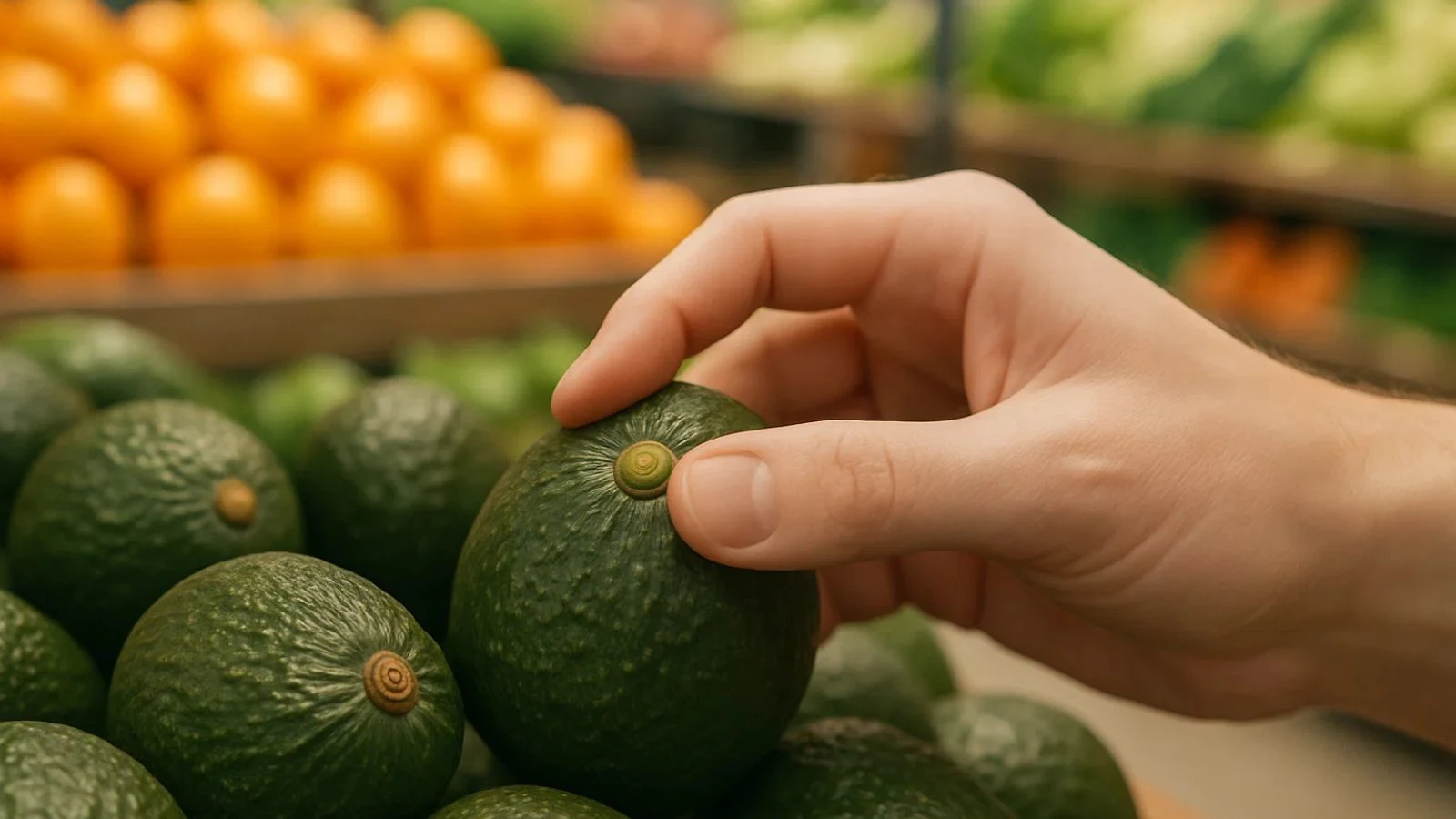
When shopping, choose fruit that feels heavy for its size, indicating good oil content and proper development. For immediate use, pick ones yielding slightly to gentle pressure. For use for several days, select firmer specimens.
Check where the stem is attached. If it’s green underneath, the fruit is ripe and ready. If brown, it might be overripe. If the stem doesn’t budge, it needs more time.
Don’t worry about minor skin blemishes on thick-skinned varieties; these don’t affect the inside. However, avoid any with large soft spots or deep indentations indicating bruising.
Conclusion:
Exploring different varieties opens an entirely new world beyond standard grocery store offerings. From rich, creamy Hass to mild Fuerte, massive Reed to convenient Gwen, each type brings something unique to your kitchen.
Start by visiting your local farmers’ market and asking vendors for recommendations. Try one new variety at a time to truly appreciate the differences. Keep mental notes on which types work better for different purposes; some excel in smoothies, others shine in salads or on toast.
The discovery process is genuinely enjoyable. Each variety you try expands your culinary knowledge and makes you a more informed, creative cook.
Once you experience the range of flavours and textures available, you’ll never look at the avocado section of the produce aisle quite the same way again.
FAQ’s:
Q1: How long do different varieties stay fresh after cutting?
Ans: Most varieties last 3-4 days refrigerated after cutting if you leave the pit in and cover tightly with plastic wrap. Fuerte and similar varieties with lower oil content may oxidize slightly faster than Hass or Reed.
Q2: Can I freeze them for later use?
Ans: Yes, though the texture changes slightly. Mash with lemon juice before freezing for best results. Frozen mashed portions work wonderfully in smoothies or spreads, though they won’t be ideal for slicing.
Q3: Are smaller varieties less nutritious?
Ans: Not at all. Nutritional content remains fairly consistent across varieties by weight. Smaller varieties simply provide smaller portions, which actually helps with portion control when tracking intake.