



Many people chase fat loss through strict routines that promise fast change but rarely deliver long-term success. These methods often drain energy, weaken motivation, and create frustration instead of confidence. Sustainable fat loss depends on habits that work with the body, not against it. This is where a balanced diet for weight loss becomes a reliable foundation rather than a temporary fix.
Instead of cutting food groups or following rigid schedules, balanced nutrition supports steady progress, mental clarity, and physical strength. When people understand how food fuels the body, fat loss feels achievable and controlled.
This guide explains how balance supports lasting results, why extreme plans fail, and how smart tools simplify the process.
In a hurry? Listen to the blog instead!
Understanding What A Balanced Diet For Weight Loss Really Means
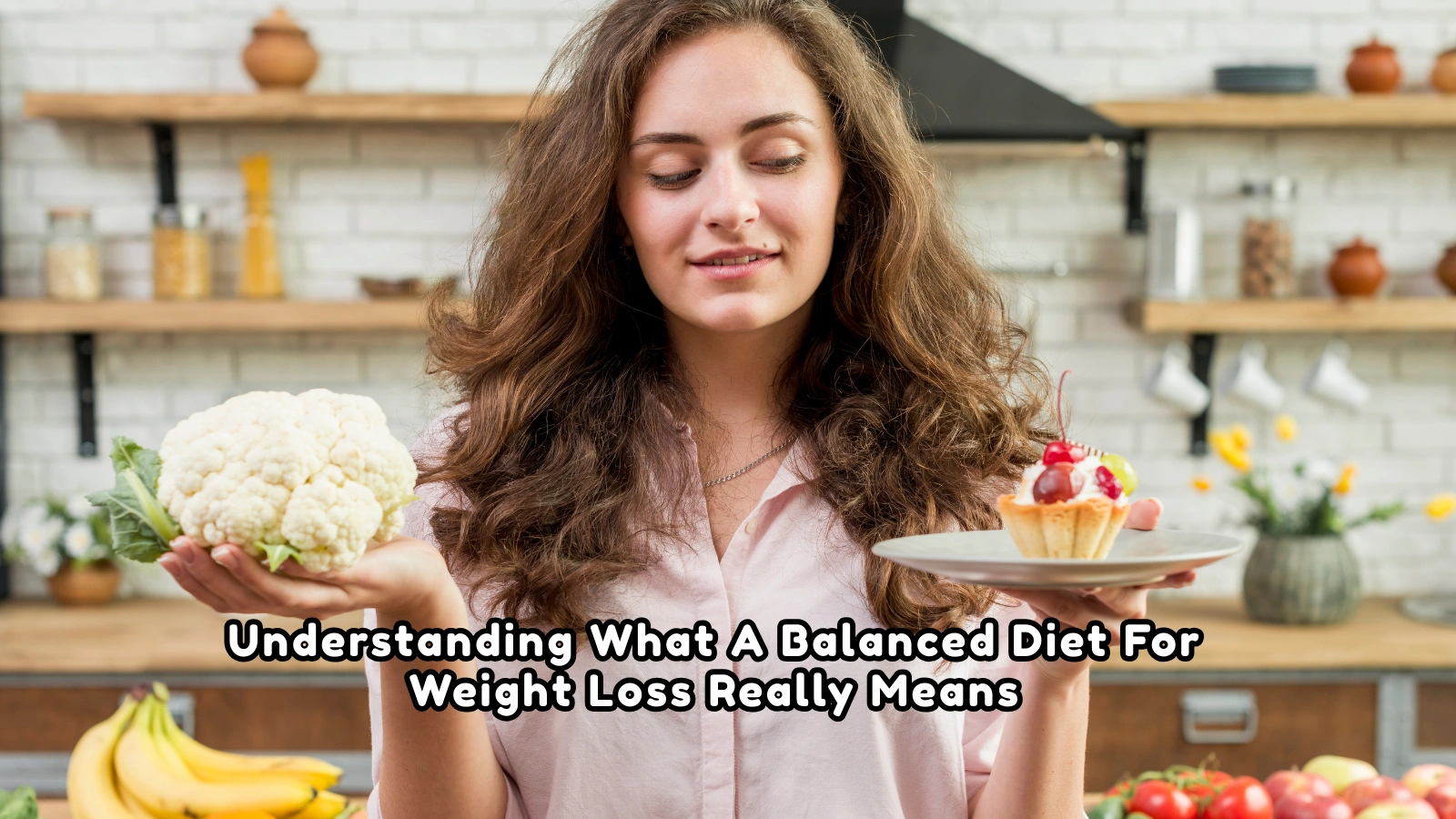
A balanced diet for weight loss focuses on nourishment, satisfaction, and consistency rather than strict control. It creates a structure that supports fat loss while protecting overall health.
Macronutrients vs Micronutrients
Macronutrients include protein, carbohydrates, and fats, and each one plays a critical role in body function and fat loss. Protein supports muscle strength, appetite control, and recovery. Carbohydrates provide energy for daily tasks and movement. Healthy fats help regulate hormones and improve fullness after meals.
Micronutrients include vitamins and minerals that support digestion, immunity, metabolism, and energy levels. A balanced diet for weight loss includes both macro and micronutrients to prevent fatigue, nutrient gaps, and cravings that slow progress.
Why Balance Beats Restriction
Restriction creates stress and triggers intense hunger signals that lead to overeating later. Balance allows the body to feel nourished and secure, which reduces cravings and emotional eating. A balanced diet for weight loss encourages steady habits rather than cycles of control and loss.
When people eat balanced meals regularly, they maintain energy, focus, and motivation. This stability supports long-term fat loss without constant struggle.
Common Myths Around Dieting
Many believe fat loss requires cutting carbohydrates, skipping meals, or eating very little food. These myths push people toward unhealthy behaviors that fail over time. A balanced diet for weight loss proves that steady nutrition produces better outcomes than extreme measures.
Why Most Weight Loss Diet Plans Fail In The Long Run?

Many weight loss diet plans fail because they focus on speed instead of sustainability. These plans often ignore real-life challenges and human behavior.
The Problem With Extreme Rules
Extreme rules create pressure and remove flexibility. When plans forbid favorite foods or demand strict schedules, adherence becomes difficult. A balanced diet for weight loss allows flexibility, which increases long-term success and reduces mental fatigue.
Crash Diets and Rebound Weight
Crash diets cause rapid weight drops but often lead to muscle loss, low energy, and hormonal imbalance. Once normal eating resumes, weight returns quickly. A balanced diet for weight loss protects muscle mass and supports steady fat reduction.
Sustainability vs Speed
Fast results attract attention, but sustainable habits create lasting change. Weight loss diet plans that focus on balance support consistency, confidence, and long-term fat loss rather than short-term numbers.
How A Balanced Diet Supports Effective Weight Loss?
Effective weight loss depends on consistent habits, stable energy, and a positive mindset. Balanced nutrition supports all three elements.
Stable Energy Levels
Balanced meals stabilize blood sugar and prevent energy crashes that lead to overeating. Protein, fiber, and healthy fats slow digestion and improve fullness. A balanced diet for weight loss helps people stay productive and active throughout the day.
Better Metabolism Support
The body requires fuel to burn fat efficiently. Severe calorie cuts slow metabolic function and increase fatigue. A balanced diet for weight loss supports metabolic health and allows the body to respond better to fat loss efforts.
Consistency Over Perfection
Perfect eating rarely lasts. Consistent eating habits lead to lasting change. A balanced diet for weight loss allows occasional indulgences without guilt, which supports effective weight loss over time.
Quick Ways To Lose Weight Without Damaging Your Health

Many search for quick ways to lose weight, but health must remain a priority. Speed and safety can work together when guided by balance.
Smart Calorie Awareness
Understanding calorie intake helps people make informed choices without obsessive tracking. A balanced diet for weight loss builds awareness naturally and supports steady progress without stress.
Portion Control Made Simple
Portion control shapes fat loss more than food elimination. Balanced meals with appropriate portions reduce overeating and improve satisfaction. This approach supports quick ways to lose weight while protecting health.
Activity That Fits Real Life
Exercise should support daily routines instead of disrupting them. Walking, stretching, and simple strength work add value. Combined with a balanced diet for weight loss, these activities improve results.
Balanced Diet Vs Crash Diets: Which Delivers Lasting Fat Loss?
Two paths exist in fat loss journeys. One relies on pressure and restriction. The other builds habits through balance.
Short-Term Results vs Long-Term Success
Crash diets often deliver fast scale changes but fail to maintain results. Balanced nutrition creates steady fat loss that lasts. A balanced diet for weight loss supports progress without burnout.
Mental and Physical Impact
Extreme plans increase stress, irritability, and fatigue. Balanced eating improves mood, confidence, and physical strength. This positive impact increases adherence and long-term success.
Why Balance Wins Every Time
Balance fits real-life situations such as social meals and busy schedules. This flexibility makes a balanced diet for weight loss more practical and sustainable than rigid approaches.
Also Read:
Balanced Diet Chart: Simple Steps to a Healthier Lifestyle
How To Include Bananas In A Balanced Diet?
How Calorie Tracker Buddy Helps You Maintain A Balanced Diet For Weight Loss?
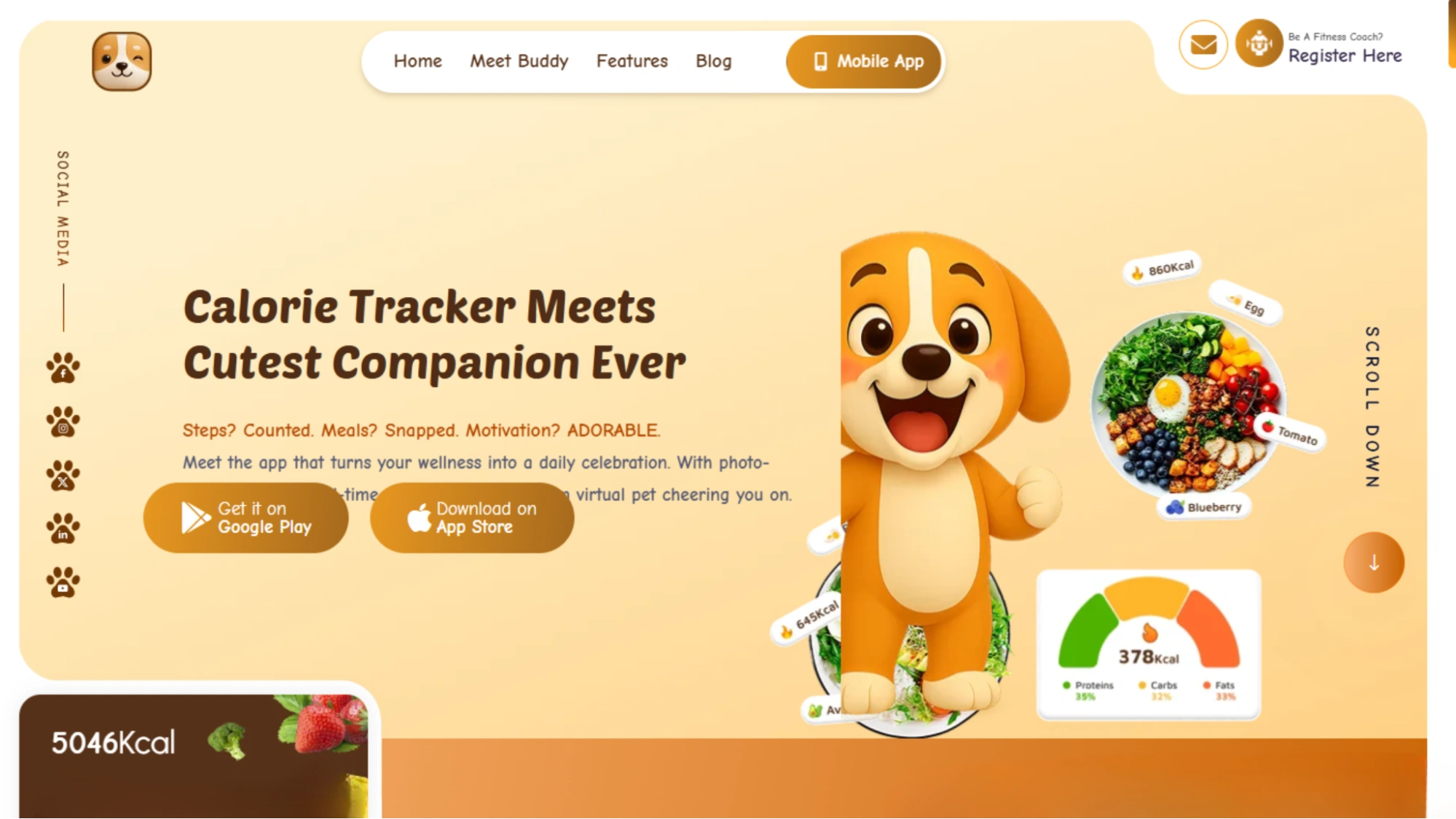
Consistency often becomes difficult without guidance. Calorie Tracker Buddy simplifies the process and supports daily balance.
Snap-to-Log Meals for Accurate Calorie Tracking
Users take a photo of meals, and the app estimates calories and nutrients quickly. This feature removes guesswork and supports a balanced diet for weight loss through accurate awareness.
Real-Time Feedback on Food Choices
Instant feedback helps users adjust meals and portions before habits drift. This guidance strengthens daily decisions without pressure or judgment.
Goal Predictions That Keep Users Consistent
The app shows how meals impact progress toward goals. This insight motivates users to stay consistent and make informed choices.
Motivation Through the Virtual Buddy
The virtual buddy grows with healthy habits and offers encouragement. This feature builds emotional connection and accountability.
Making Weight Loss Diet Plans Easier to Follow
Calorie Tracker Buddy simplifies weight loss diet plans by removing complexity and providing clear direction, which improves adherence and confidence.
Building Sustainable Weight Loss Diet Plans That Actually Work
Sustainable plans focus on flexibility, personalization, and realistic expectations.
Personalization Matters
Each body responds differently to food. A balanced diet for weight loss adapts to individual needs instead of forcing one-size rules.
Flexibility For Real-Life Eating
Meals outside the home still fit within balanced plans. This flexibility supports long-term commitment and reduces guilt.
Tracking Progress Without Obsession
Simple tracking builds awareness without anxiety. Tools like Calorie Tracker Buddy support progress while protecting mental health.
Common Mistakes That Block Effective Weight Loss
Even with consistent effort, certain everyday habits can quietly slow progress and prevent effective weight loss.
- Skipping meals and creating long gaps that increase hunger, reduce energy, and trigger overeating later in the day
- Underestimating calories from portions, snacks, and beverages, which leads to higher intake without awareness
- Ignoring daily movement and spending long hours inactive, which limits calorie burn and slows fat loss
How To Combine Balanced Eating And Quick Ways To Lose Weight Safely?
Balanced habits and smart strategies can work together.
Small Changes With Big Impact
Minor adjustments in portions, hydration, and food choices add up. These steps support quick ways to lose weight safely.
Habit Stacking
Pairing habits, such as walking after meals or drinking water before eating, builds consistency naturally.
Consistency Over Intensity
Daily effort beats occasional extremes. A balanced diet for weight loss supports steady progress without exhaustion.
Is A Balanced Diet Enough For Long-Term Fat Loss?
Nutrition forms the foundation, but other factors support success.
Role of Movement
Movement supports calorie burn and muscle strength. It complements a balanced diet for weight loss.
Sleep and Recovery
Quality sleep regulates hunger hormones and energy levels. Poor rest slows fat loss and increases cravings.
Mindset and Accountability
Clear goals and supportive tools build focus and commitment. Accountability strengthens long-term success.

Final Thoughts
Lasting fat loss does not require punishment or extreme rules. It requires habits that support both the body and mind. A balanced diet for weight loss offers flexibility, nourishment, and steady results that last. It supports effective weight loss, allows quick ways to lose weight safely, and fits real life without pressure.
With consistent habits and supportive tools like Calorie Tracker Buddy, progress becomes achievable and sustainable. Balance does not slow results. It protects them.
FAQs
- What is a balanced diet for weight loss?
A balanced diet includes the right mix of protein, carbohydrates, fats, vitamins, and minerals to support fat loss without extreme restriction. - How does a balanced diet for weight loss support long-term results?
It helps control hunger, maintain energy levels, and build consistent eating habits that support lasting fat loss instead of short-term results. - Are weight loss diet plans effective without cutting food groups?
Yes, weight loss diet plans work better when they focus on balance, portion control, and flexibility rather than eliminating entire food groups. - What are some quick ways to lose weight safely?
Quick ways to lose weight include improving portion control, staying active daily, tracking calories, and following a balanced diet that supports the body. - Can a balanced diet for weight loss work for beginners?
Yes, beginners benefit from a balanced diet for weight loss because it offers structure, flexibility, and simple habits that are easy to follow and maintain.