


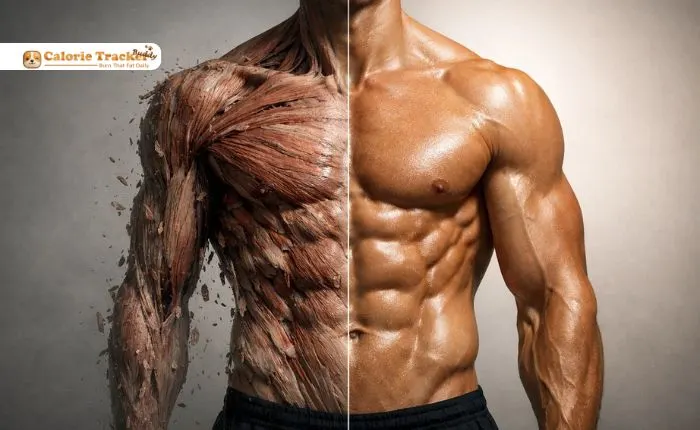
When you’re working hard to shed those extra pounds or experimenting with intermittent fasting, the last thing you want is to lose muscle along with fat. Enter the catabolic state, a metabolic condition that can sabotage your fitness goals if you’re not careful. Understanding how to prevent your body from breaking down muscle tissue while losing weight is crucial for achieving a lean, healthy physique that lasts. In this guide, we’ll explore everything you need to know about preventing muscle loss during your weight loss journey and fasting periods, so you can transform your body the right way.
Listen To The Podcast Now!
What Is Catabolic State?
The Science Behind Catabolic State Fasting:
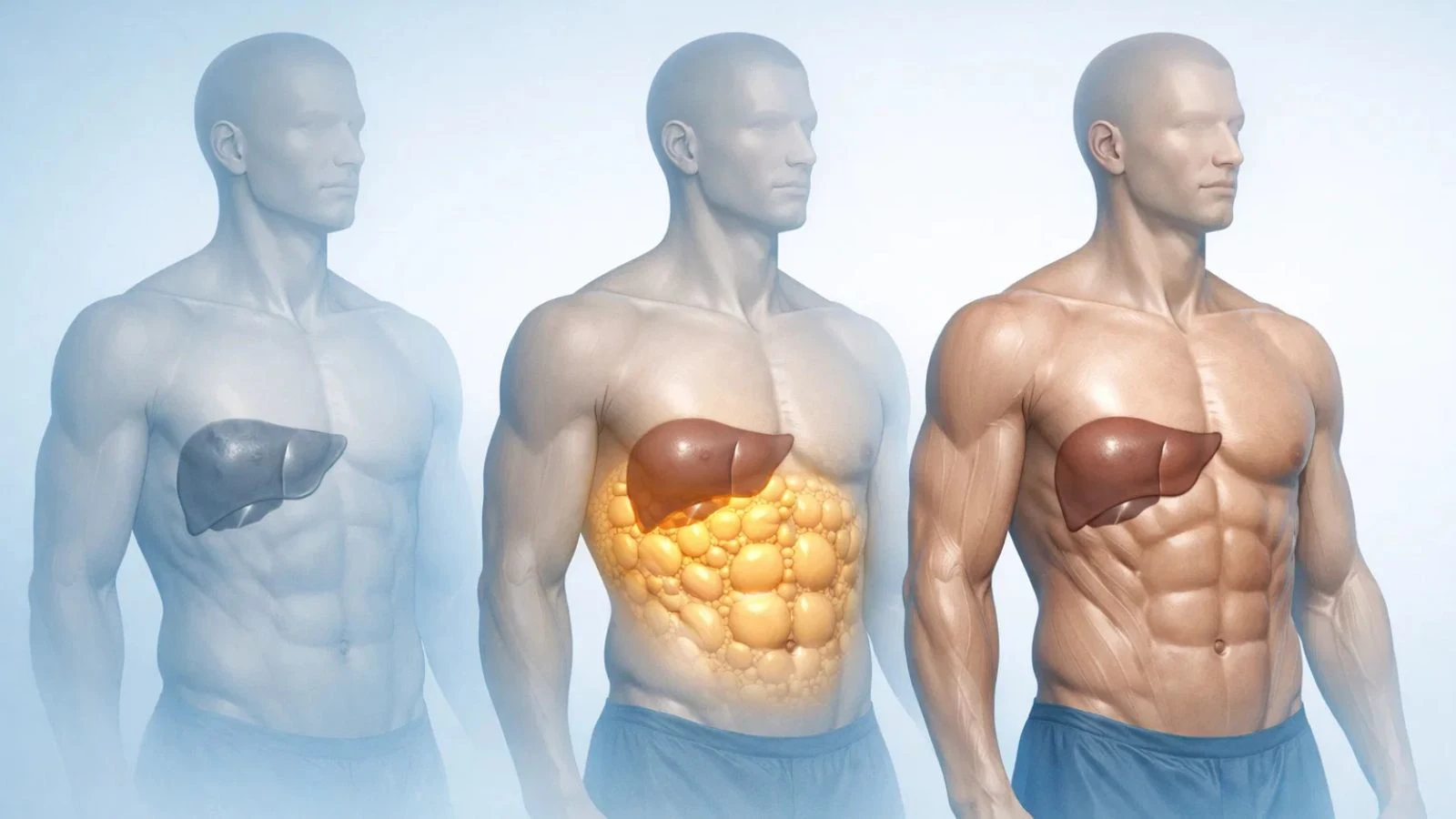
Fasting has become increasingly popular for weight loss and health benefits, but many people worry about entering a catabolic state while fasting. Here’s what actually happens: when you fast, your body initially uses glycogen stores for energy. Once these are depleted (usually after 12-16 hours), your body shifts to burning fat through a process called ketosis.
However, if fasting is prolonged or combined with inadequate protein intake and no resistance training, your body may begin breaking down muscle protein for energy. This doesn’t mean fasting is bad; it means you need to approach it strategically. Short-term intermittent fasting (16-20 hours) with proper nutrition during eating windows generally doesn’t cause significant muscle loss in most people. The key is understanding that a catabolic state during fasting isn’t inevitable. With the right approach, you can reap the benefits of fasting while protecting your hard-earned muscle mass.
Signs You Might Be in a Catabolic State:
Recognizing the warning signs early can help you adjust your strategy before significant muscle loss occurs. Watch out for these indicators:
- Decreased Strength: If you’re suddenly struggling with previously manageable weights, your body might be breaking down muscle tissue for energy. Progressive weakness during workouts is one of the clearest signs of excessive catabolism.
- Persistent Fatigue: While some tiredness is normal during weight loss, extreme exhaustion that doesn’t improve with rest could indicate your body is in survival mode.
- Loss of Muscle Definition: If you’re losing weight but looking “softer” rather than leaner, you’re likely losing muscle along with fat. Your clothes might fit looser, but you’re not achieving that toned appearance you’re working toward.
- Slow Recovery: Taking much longer than usual to recover from workouts or experiencing prolonged muscle soreness can signal that your body isn’t rebuilding muscle effectively.
Strategic Protein Intake: Your First Line of Defense:
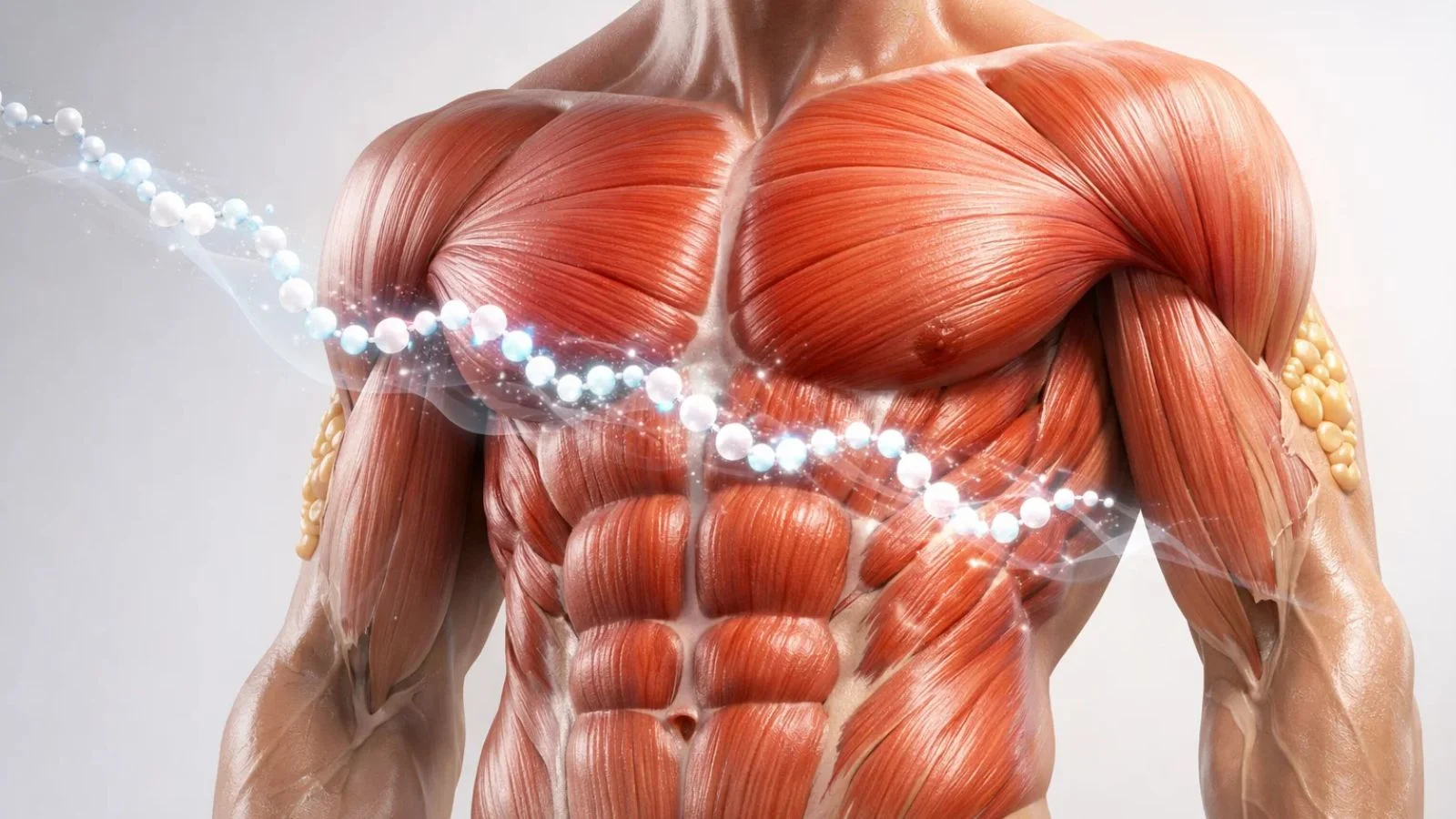
Adequate protein consumption is your most powerful tool for preventing a catabolic state during weight loss. Protein provides the amino acids your body needs for muscle maintenance and repair, reducing the likelihood that it will break down muscle tissue for energy. During weight loss, aim for 1.6 to 2.2 grams of protein per kilogram of body weight (roughly 0.7 to 1 gram per pound) every day.
This is higher than standard recommendations because your body needs extra protein to preserve muscle when in a caloric deficit. Distribute this protein across multiple meals throughout the day, with particular emphasis on consuming protein before and after workouts. High-quality protein sources include lean meats, fish, eggs, dairy products, legumes, and plant-based options like tofu and tempeh. Don’t skimp on protein to save calories; it’s counterproductive and will ultimately slow your metabolism as you lose muscle mass.
Resistance Training: The Catabolic State Destroyer:
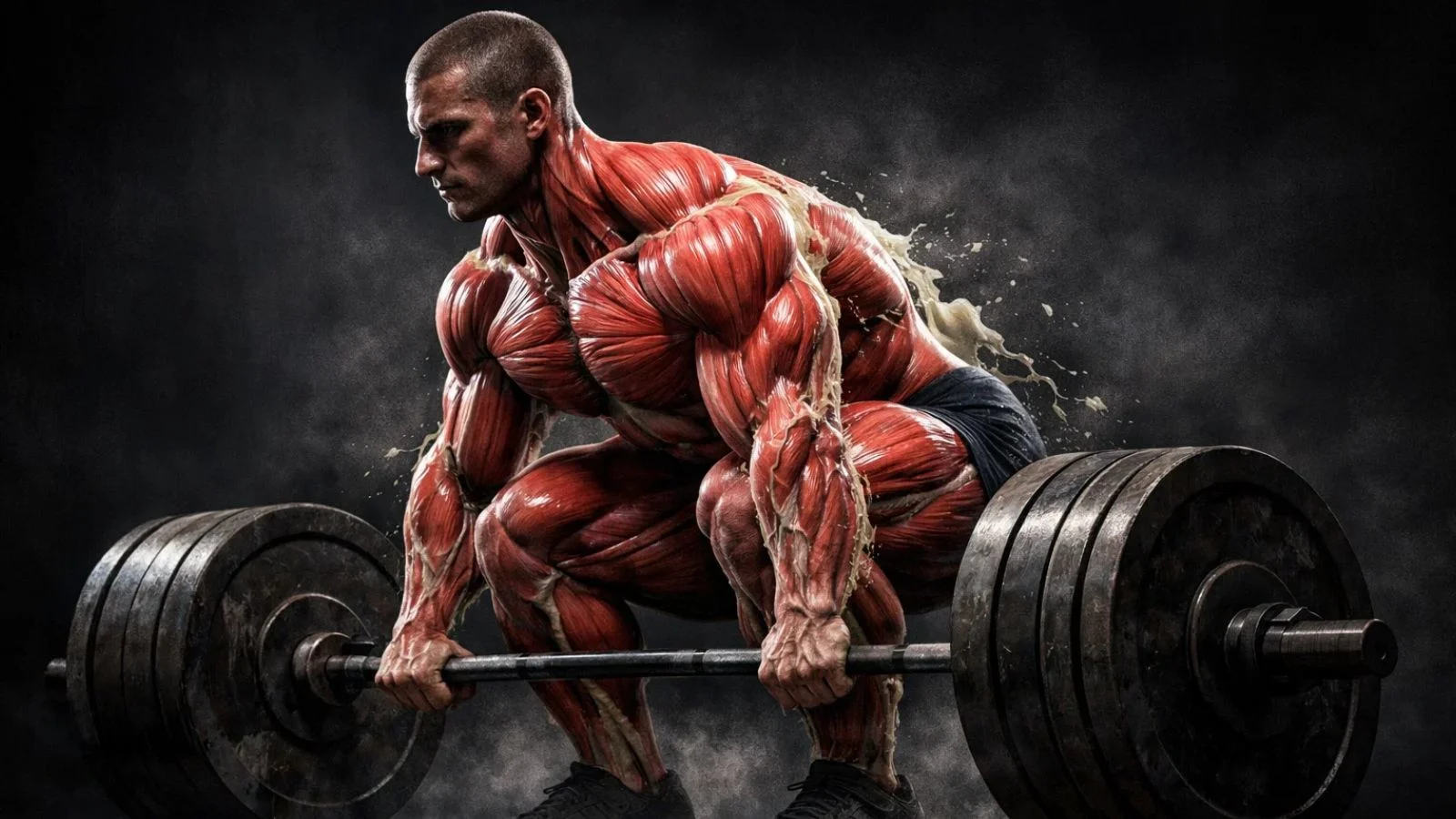
If protein is your first line of defense, resistance training is your nuclear weapon against muscle loss. Lifting weights sends a powerful signal to your body that muscle tissue is needed and should be preserved, even during a caloric deficit. Aim for at least three resistance training sessions per week, focusing on compound movements like squats, deadlifts, bench presses, and rows.
These exercises engage multiple muscle groups and create the strongest anti-catabolic stimulus. Maintain or even increase the weight you’re lifting; this tells your body that muscle strength is essential and shouldn’t be sacrificed. Many people make the mistake of switching to high-rep, low-weight training during weight loss, thinking it will “tone” muscles better. But this brings you backwards. Heavy resistance training (while maintaining proper form) is what protects your muscle mass during a catabolic state.
Smart Caloric Deficits: Avoid the Extreme:
Creating too large a caloric deficit is one of the fastest ways to trigger a severe catabolic state. When your body perceives extreme starvation, it goes into survival mode, breaking down muscle tissue to lower your metabolic rate and conserve energy. A moderate deficit of 300-500 calories below your maintenance level allows for steady fat loss (about 0.5-1 pound per week) while minimizing muscle breakdown.
This might seem slow compared to crash diets, but you’ll maintain more muscle, keep your metabolism healthier, and achieve better long-term results. Resist the temptation to slash calories drastically or combine extreme dieting with excessive cardio. This combination is a recipe for entering a harsh catabolic state that will leave you weaker and with a damaged metabolism.
Also Read:
Track Your Progress the Smart Way with Calorie Tracker Buddy:
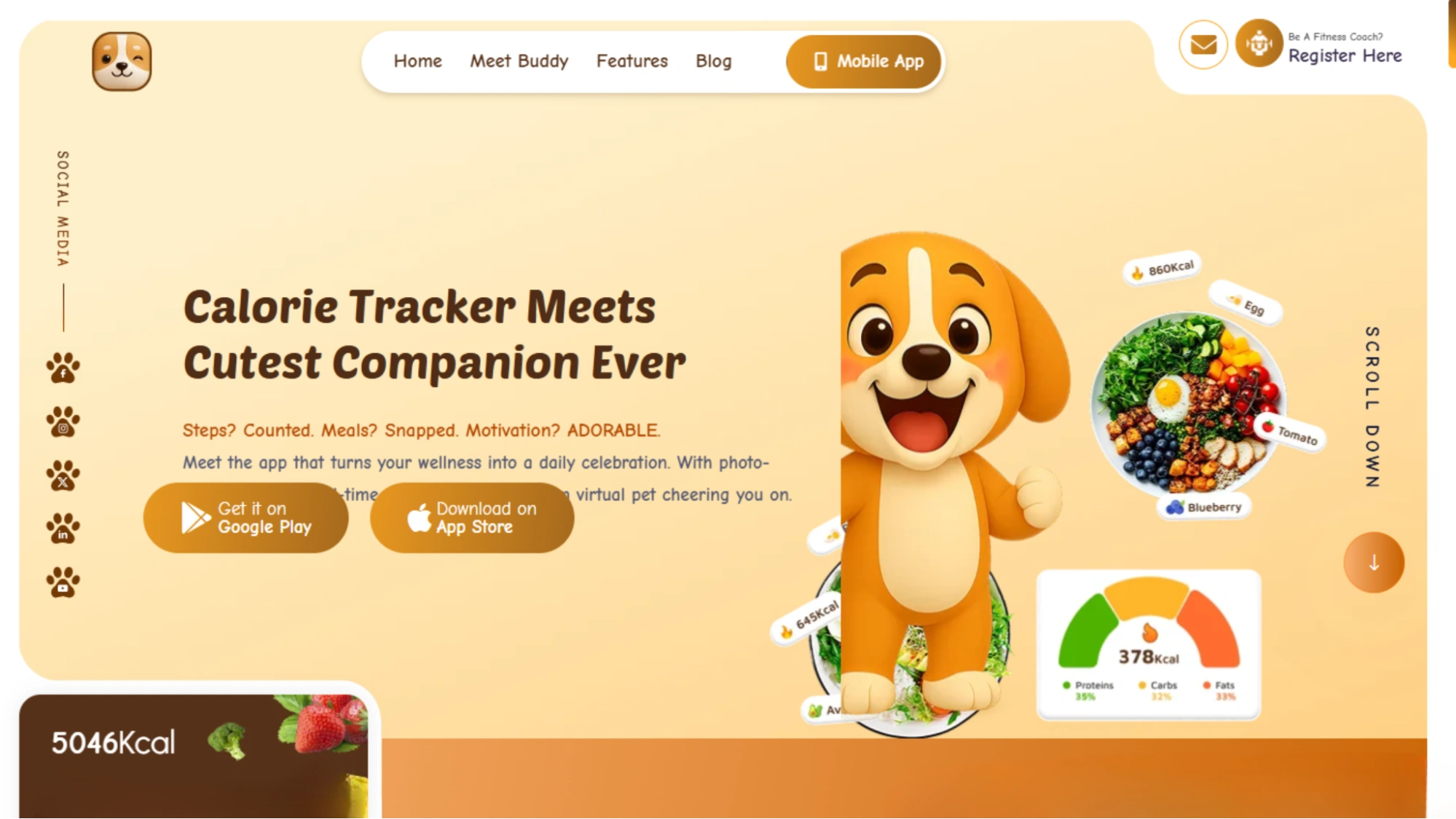
Preventing a catabolic state requires careful monitoring of your nutrition and activity levels, which is where Calorie Tracker Buddy becomes your perfect companion. This innovative app makes tracking effortless with its photo-based meal logging. Simply snap a picture of your food, and the app instantly calculates calories and macronutrients, ensuring you’re hitting your protein targets consistently.
What sets Calorie Tracker Buddy apart is its motivational virtual pet that grows and thrives when you make healthy choices. Track your daily calorie burn, monitor your intake, sync with fitness trackers, and receive real-time feedback on how your meals impact your goals. The app helps you maintain the delicate balance needed to lose fat while preserving muscle, making it easier to stay out of that dreaded catabolic state. With personalized goal predictions and social sharing features, you’ll stay accountable and motivated throughout your transformation journey.
Timing Your Nutrients Around Workouts:
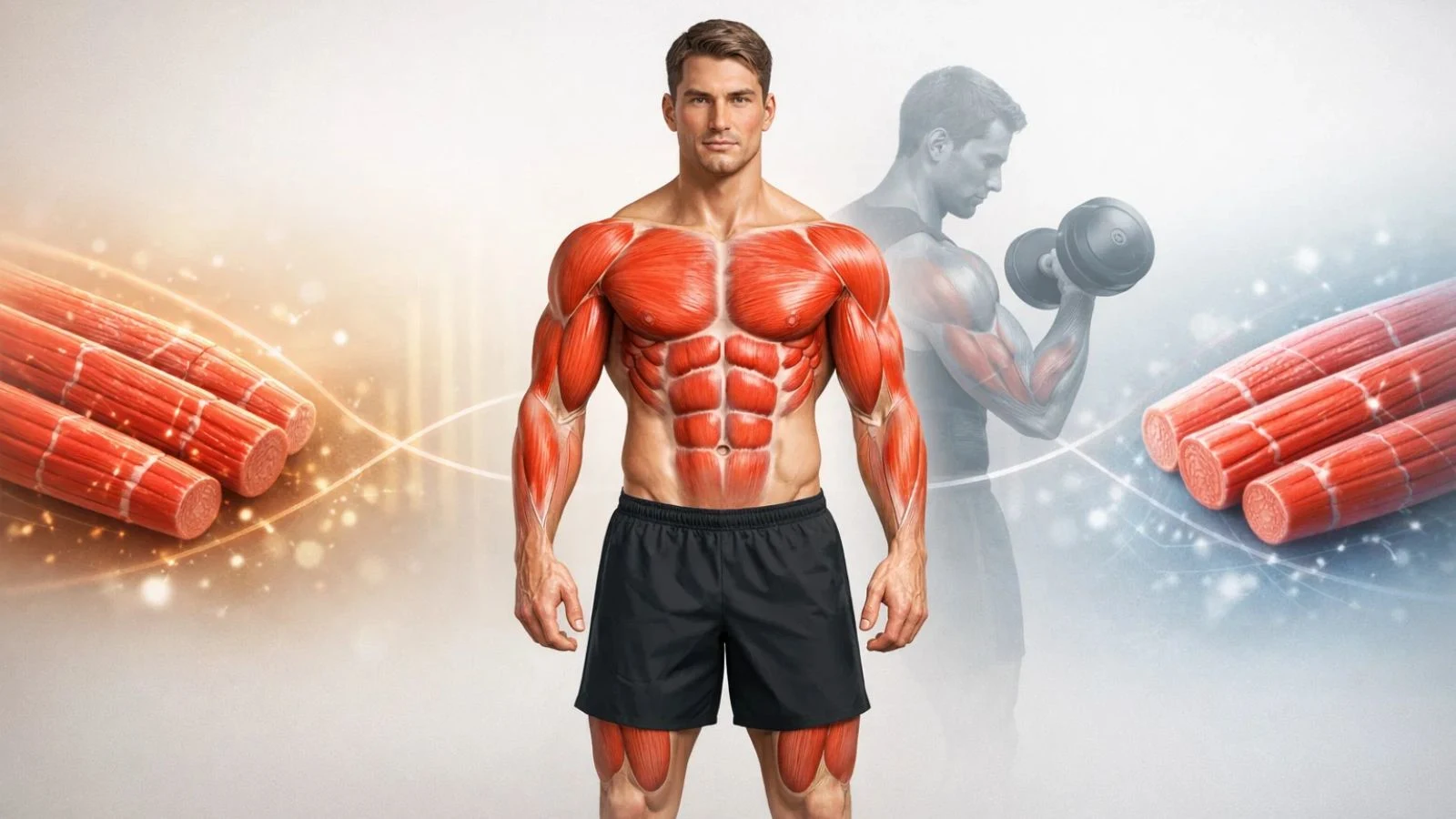
When you eat can be almost as important as what you eat for preventing muscle breakdown. The period surrounding your workouts represents a critical window for preventing a catabolic state. Consuming a combination of protein and carbohydrates 1-2 hours before training provides fuel for your workout and amino acids to prevent muscle breakdown during exercise.
After training, another protein and carbohydrate meal within 2 hours supports recovery and shifts your body from a catabolic to an anabolic state. For those practicing intermittent fasting, consider timing your eating window around your workouts. Training in a fasted state isn’t necessarily bad, but if you’re experiencing muscle loss or decreased performance, adjusting your fasting schedule to include pre and post-workout nutrition might be beneficial.
Stay Hydrated and Manage Stress:
Dehydration can accelerate muscle breakdown and impair recovery, pushing you deeper into a catabolic state. Water is essential for nearly every metabolic process, including protein synthesis and muscle repair. Aim for at least 3-4 liters of water daily, more if you’re exercising intensely or in hot conditions.
Chronic stress elevates cortisol, a hormone that promotes muscle breakdown and fat storage, particularly around the midsection. Incorporate stress management techniques like meditation, adequate sleep (7-9 hours nightly), and planned rest days to keep cortisol levels in check and support muscle preservation.
Conclusion:
Avoiding a catabolic state during weight loss and fasting doesn’t require complicated strategies or expensive interventions. Focus on adequate protein intake, maintain a moderate caloric deficit, prioritize resistance training, and manage stress and recovery. By understanding what triggers muscle breakdown and implementing these evidence-based strategies, you can achieve sustainable fat loss while preserving the muscle that gives you strength, metabolism, and the physique you desire. Remember, slow and steady wins the race when it comes to body transformation that lasts.
FAQ’s:
Q1: How long before muscle breakdown starts?
Ans: Your body starts breaking down muscle protein after 3-4 hours without food when glycogen stores run low, and you’re eating fewer calories than you burn. That said, occasional short fasting periods won’t destroy your gains if you train consistently and eat enough protein overall.
Q2: Can I gain muscle while losing fat?
Ans: Beginners and people getting back into training after time off have the best shot at building muscle in a caloric deficit. For experienced lifters, the focus should be on keeping what you have rather than expecting major gains during a cut.
Q3: Does skipping breakfast kill my gains?
Ans: Not really. Moderate fasted cardio in the morning won’t wreck your muscles. Just avoid going too hard or too long on an empty stomach. If you train intensely before eating, throw in some BCAAs or save those tough sessions for later in the day.
Q4: What happens if I miss my protein target one day?
Ans: One day won’t ruin everything. Your body doesn’t reset every 24 hours. Just get back on track the next day and keep your weekly average solid. Consistency over weeks and months matters way more than perfection every single day.