



Grapes are one of those fruits that feel almost too good to be healthy. Juicy, sweet, and refreshing, they’re the perfect go-to snack when sugar cravings hit. But if you’re trying to lose weight, you’ve probably wondered if grapes are actually a smart choice or just another source of natural sugar.
The truth is, this fruit packs more than just sweetness. It’s loaded with water, fibre, and powerful antioxidants that your body loves. But like any food, balance is the real game-changer.
In this blog, we’ll explore what science says about grapes and weight loss, uncover their hidden benefits, and help you understand how they can fit perfectly into a healthy diet without the guilt.
You can listen to this blog here.
The Nutritional Profile of Grapes
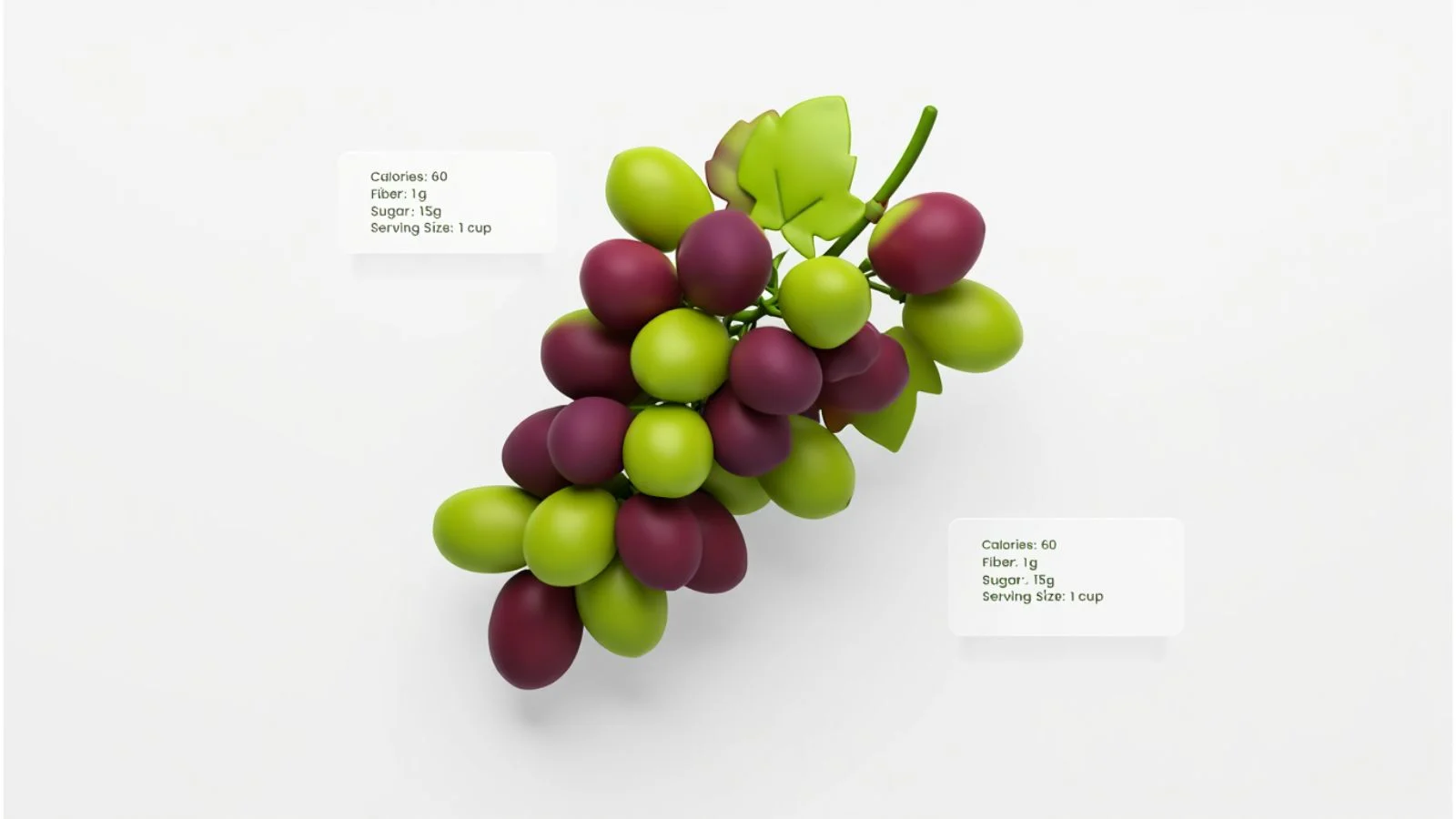
Before deciding if grapes fit into a weight loss plan, it helps to understand what’s inside them. A cup of this fruit (about 150 grams) contains roughly:
- Calories: 100–105
- Carbohydrates: 27 grams
- Fiber: 1–1.5 grams
- Sugar: 23 grams
- Protein: 1 gram
- Fat: 0.2 grams
At first glance, the sugar content might seem high, but grapes are naturally rich in water and fibre, which makes them surprisingly filling for their calorie count. Their sweetness comes from natural fructose, not refined sugar, which means they provide energy without the sugar crash.
Grapes are also an excellent source of vitamin C, vitamin K, and antioxidants like resveratrol, which supports heart and brain health. So, while they’re sweet, they’re also packed with nutrients that make them much more than just a sugary fruit.
Next, let’s look at what science says about grape benefits and how they can actually support your weight management goals.
Grape Benefits That Support Weight Loss
When it comes to weight management, this fruit might surprise you. While many people assume sweet fruits hinder progress, research suggests that grapes can actually support a healthy metabolism and fat balance. Here’s how:
- Low Calorie, High Volume:
Because grapes are about 80% water, they help you feel full without adding many calories. This makes them a smart alternative to processed snacks. - Packed with Antioxidants:
The antioxidants in this fruit, especially resveratrol, have been shown to improve insulin sensitivity and help regulate blood sugar levels. That means fewer cravings and better energy control throughout the day. - Natural Detox Support:
Grapes contain compounds that promote liver function, helping your body process fats and eliminate toxins efficiently. - Fiber for Better Digestion:
Though not very high in fiber, the amount present in grapes still contributes to better digestion and satiety, reducing the urge to overeat.
All these factors make grapes a light, refreshing snack that works well in a balanced diet. Up next, let’s look at the science behind grapes and fat metabolism to see how they influence actual weight loss results.
The Science Behind Grapes and Fat Metabolism 
Several studies have explored how this fruit influences fat metabolism — and the results are quite promising. Grapes contain a powerful compound called resveratrol, mainly found in their skin. This antioxidant plays a key role in activating genes that enhance fat breakdown and prevent new fat cells from forming.
Research from Purdue University found that certain chemicals in this fruit can help convert “white fat” (which stores energy) into “beige fat,” which burns energy instead. This process supports a healthier metabolism and helps the body use fat for fuel more efficiently.
Additionally, the polyphenols in grapes have anti-inflammatory effects that can improve insulin sensitivity, making it easier for your body to regulate blood sugar and avoid storing excess fat.
So while grapes aren’t a magic fat burner, their natural compounds work behind the scenes to create a more balanced metabolic environment. Paired with a healthy lifestyle, they can absolutely complement your weight loss journey.
Next, let’s talk about green grape benefits and how they differ from darker varieties.
Green Grapes vs. Red Grapes: Which Is Better?
Both green and red varieties of this fruit come with their own unique health benefits, but the difference lies in their antioxidant composition.
Green grapes are slightly lower in sugar and calories, making them a lighter snack for those closely tracking their intake. They’re also rich in vitamin C and potassium, which help support your immune system and regulate blood pressure. Many people find green grape benefits ideal for everyday snacking because they’re refreshing, mildly tart, and easy to digest.
Red and black grapes, on the other hand, are higher in resveratrol — the powerful antioxidant linked to heart health and fat metabolism. They might offer a slight edge when it comes to cell protection and anti-aging effects.
So, which one should you choose? It really depends on your preference and goals. If you’re focusing on calorie control, green grapes might be your pick. But if you’re after antioxidant strength, red grapes have the upper hand. Either way, both can be part of a balanced diet that supports overall wellness.
How to Add Grapes to a Weight Loss Diet?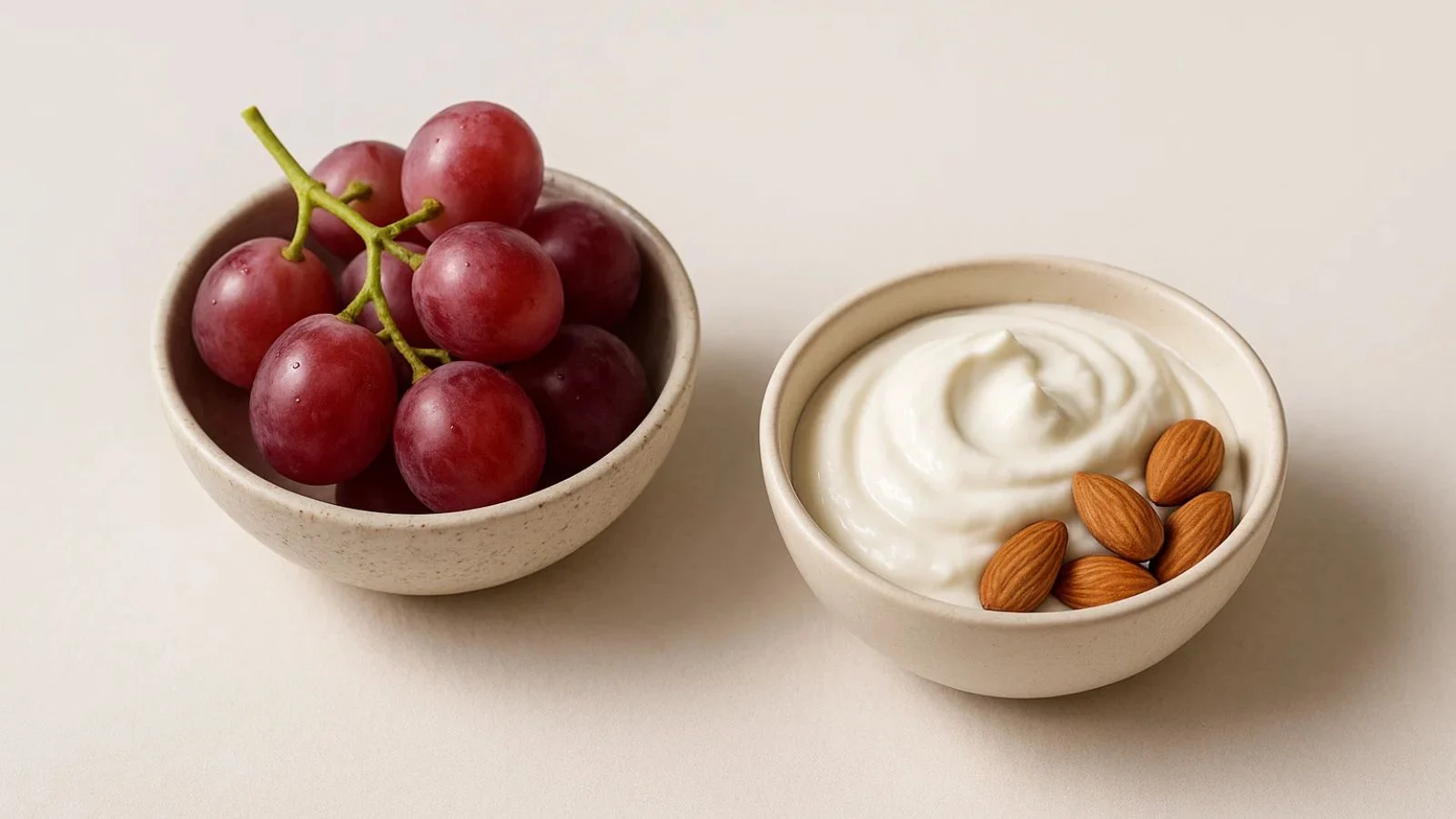
Enjoying this fruit while staying on track with your fitness goals is all about portion control and smart pairing. Grapes are naturally sweet, so a handful can satisfy sugar cravings without reaching for desserts. But here’s how you can make them part of a balanced, weight-loss-friendly diet:
- Mind the Portions:
Stick to about ½ to 1 cup per serving. It’s enough to enjoy the taste while keeping calories in check. - Pair with Protein or Healthy Fats:
Combine grapes with Greek yogurt, almonds, or cottage cheese for a more balanced snack. The protein and fat help slow digestion, keeping you full longer. - Use Them in Salads and Smoothies:
Toss a few grapes into salads for a natural sweetness, or blend them into smoothies instead of sugary syrups. - Choose Fresh Over Dried:
Raisins (dried grapes) are calorie-dense, so opt for fresh ones when possible.
When used mindfully, grapes can easily fit into a calorie-controlled meal plan. Plus, they bring color, hydration, and nutrients to your diet — all essential for sustainable weight management.
How Calorie Tracker Buddy Helps You Stay on Track?
Eating healthy is easier said than done — especially when you’re trying to keep an eye on every calorie. That’s where Calorie Tracker Buddy steps in as your smart fitness companion.
This easy-to-use tool helps you log your meals, track your daily calorie intake, and monitor the nutritional value of everything you eat — including this fruit. By entering your grape servings, you’ll instantly see how many calories, carbs, and sugars you’re consuming.
What makes Calorie Tracker Buddy even better is its personalized insights. It adapts to your fitness goals — whether it’s weight loss, maintenance, or muscle gain — and provides real-time feedback to keep you on track.
No more guessing, no more confusion. You’ll know exactly how grapes and other foods fit into your overall plan. Plus, its clean dashboard and friendly reminders make staying consistent feel effortless.
If you’re serious about making every calorie count while still enjoying foods you love, Calorie Tracker Buddy is the perfect partner to help you do just that.
Also Read,
Common Myths About Grapes and Weight Gain
Like many sweet fruits, grapes often get a bad reputation when it comes to dieting. But most of these beliefs don’t hold up under a closer look. Let’s clear up a few common myths:
Myth 1: Grapes Are Too High in Sugar
While grapes do contain natural sugar, it’s balanced with water, fiber, and nutrients. Their low calorie density means you can enjoy a decent portion without going overboard on calories.
Myth 2: Grapes Cause Weight Gain
No single food causes weight gain — it’s the overall calorie balance that matters. Eating grapes in moderation actually supports a healthy diet by curbing sugar cravings naturally.
Myth 3: Grapes Should Be Avoided at Night
There’s no scientific reason to avoid this fruit at night. In fact, their antioxidants may even support better recovery while you sleep.
Bottom line: Grapes can absolutely fit into a smart, balanced eating plan. It’s all about moderation and making mindful choices that align with your goals.
Final Thoughts
So, are they good for weight loss? The short answer is yes, as long as you enjoy them in moderation. This fruit is low in calories, rich in antioxidants, and filled with water, making it a perfect option for healthy snacking.
Their natural sweetness helps satisfy cravings without reaching for processed sugar, while nutrients like resveratrol and vitamin C support metabolism and overall health. The key is to balance portions and include grapes as part of a diet filled with lean proteins, whole grains, and other fruits and vegetables.
When combined with consistent tracking through tools like Calorie Tracker Buddy, grapes can easily become your guilt-free treat that still aligns with your fitness goals.
At the end of the day, it’s not about cutting out sweet fruits; it’s about choosing them wisely. And grapes just happen to be one of the smartest choices you can make.
FAQs
1. Are grapes good for weight loss?
Yes, it can support weight loss when eaten in moderation. They are low in calories, high in water content, and rich in antioxidants that support healthy metabolism.
2. How many grapes should I eat while dieting?
A healthy portion is about ½–1 cup per day. This allows you to enjoy the benefits without consuming excess sugar or calories.
3. Can I eat grapes at night for weight loss?
Yes, you can eat at night in moderation. There is no scientific proof that eating grapes at night causes weight gain.