



For years, gym culture has promoted the idea that you must drink a protein shake immediately after training or risk losing your gains. Many lifters rush out of the gym with shaker bottles in hand, convinced that a narrow timeframe determines their muscle-building success.
This belief centers on the anabolic window, a post-workout period when your body supposedly absorbs nutrients at an accelerated rate. But does this window truly dictate muscle growth, or has the concept been overstated?
Understanding the anabolic window allows you to make smarter decisions about nutrition, recovery, and long-term progress. In this guide, we break down the science, address common myths, and explain how to apply evidence-based strategies to maximize your training results.
Listen To The Podcast Now!
What Is The Anabolic Window?
To understand the anabolic window, you first need to understand how muscle growth works.
Resistance training creates microscopic tears in muscle fibers. Your body repairs this damage through muscle protein synthesis, a process that requires amino acids from dietary protein. After training, your body increases nutrient sensitivity and blood flow to muscle tissue, creating a favorable environment for recovery.
Traditionally, experts described this post-workout phase as a 30–60 minute period after exercise when muscles absorb protein and carbohydrates most efficiently. During this time, insulin sensitivity increases, and muscle-building signaling pathways activate.
This belief led many athletes to prioritize immediate post-workout shakes, often using protein powder for convenience and rapid absorption. However, modern research presents a broader perspective.
The Science Behind The Anabolic Window
Muscle protein synthesis increases significantly after resistance training. However, studies show that this elevated state can last up to 24–48 hours depending on training intensity and experience level.
If you consume protein before training, amino acids remain available in your bloodstream during and after your workout. In that case, rushing to consume another meal immediately becomes less critical.
Researchers now emphasize total daily protein intake over minute-by-minute timing. Meeting your daily requirement consistently produces greater impact than obsessing over a narrow timeframe.
That said, nutrient timing still offers benefits. Consuming protein within a reasonable period after training supports recovery and replenishes glycogen stores when paired with carbohydrates. The key lies in balance rather than urgency.
How Long Is The Anabolic Window?
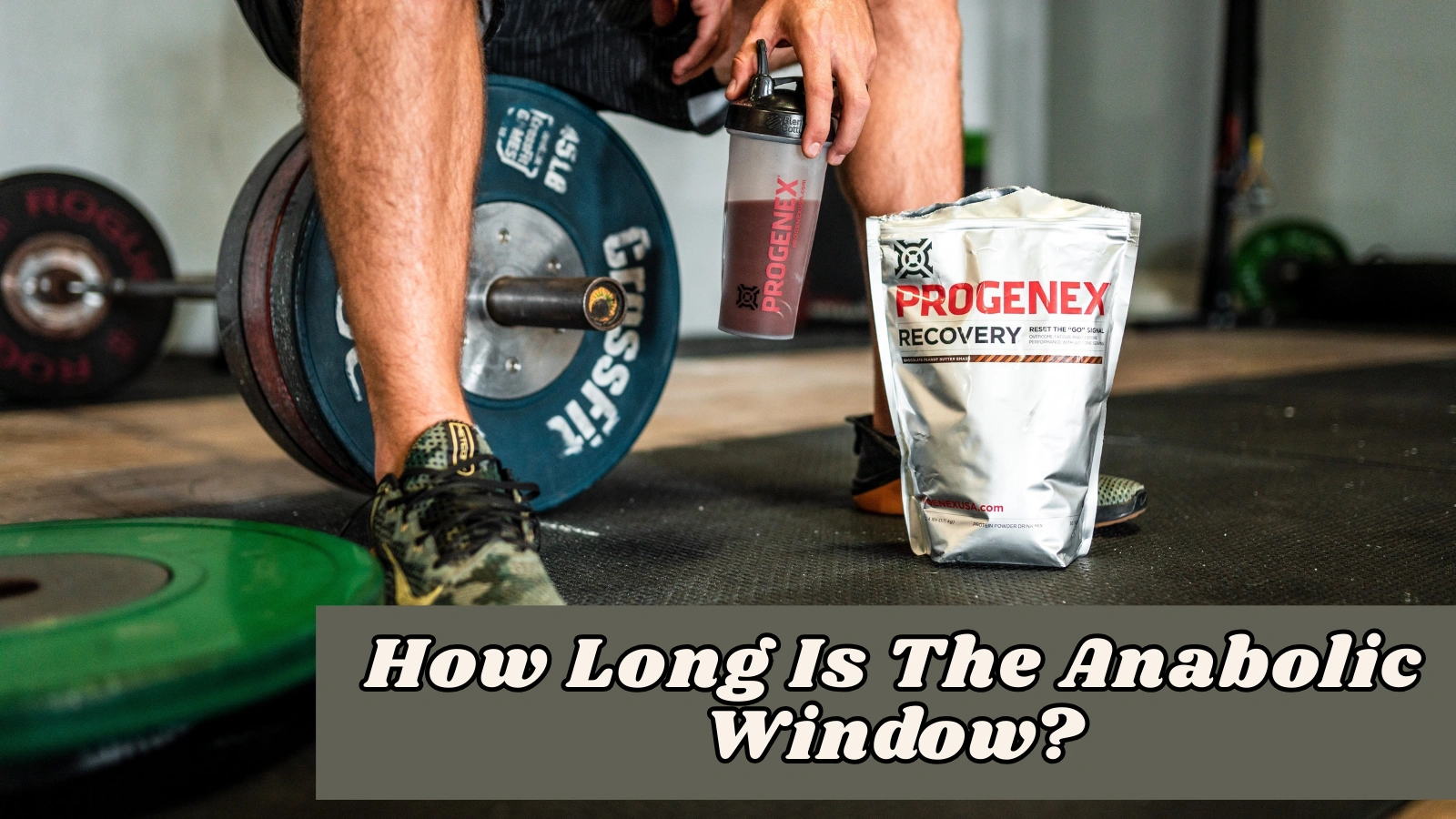
Many people wonder about the duration of this post-workout recovery phase. The short answer: it lasts much longer than once believed.
Instead of closing within 30 minutes, muscle sensitivity to nutrients can remain elevated for several hours. For most individuals, consuming protein within one to two hours after training provides optimal support.
Factors that influence duration include:
- Training intensity
- Age
- Muscle mass
- Pre-workout nutrition
- Overall protein intake
Beginners often experience a stronger anabolic response because their bodies adapt rapidly. Advanced athletes may require more strategic nutrition due to adaptation over time.
Rather than racing the clock, aim for consistency and quality meals.
Also Read:
Is the Anabolic Window Real?
Many lifters still wonder, is the anabolic window real?
Yes, exercise creates a physiological environment that favors nutrient uptake and muscle repair. Increased blood flow, improved insulin sensitivity, and activation of muscle-building pathways confirm that post-workout nutrition matters.
However, the exaggerated urgency lacks strong scientific backing. Muscle growth depends primarily on:
- Total daily protein intake
- Progressive overload
- Calorie balance
- Sleep quality
- Recovery consistency
The anabolic window exists, but it does not function as a rapidly closing door.
Is Anabolic Window Real For Fat Loss Or Endurance?
Some athletes ask, is anabolic window real for goals beyond muscle gain?
For fat loss, total calorie control and adequate protein intake drive results more than strict timing. Eating protein after workouts helps preserve lean mass, but precise minute tracking rarely determines fat loss success.
Endurance athletes benefit more from immediate carbohydrate replenishment, especially when training multiple times per day. Glycogen restoration becomes crucial for performance.
Its importance depends heavily on context and individual fitness goa
Also Read:
Why The Anabolic Window Became So Popular?
Several factors contributed to the widespread popularity of this post-workout nutrition concept in the fitness industry.
Supplement marketing influence:
Protein supplement brands heavily promoted the idea that you must consume whey protein immediately after workouts to build muscle effectively. This marketing strategy strengthened belief in strict timing.
Convenience of whey protein:
Fast-digesting whey became positioned as the “perfect” post-workout solution, making the concept easy to adopt and commercialize.
Psychological appeal:
Athletes prefer structured rules. A strict post-workout timing guideline created a sense of discipline, precision, and control over results.
Fear of missing gains:
The idea of a short window created urgency. Many lifters worried that delaying protein intake would reduce muscle growth.
Social media reinforcement:
Influencers popularized post-workout shake routines. These rituals became symbols of dedication and commitment in fitness culture.
Shift in scientific understanding:
Modern research now emphasizes total daily protein intake and overall nutritional consistency over minute-by-minute timing
The Role Of Protein In Muscle Growth

Protein supplies amino acids required for repair and growth. Most active individuals need between 1.6–2.2 grams of protein per kilogram of body weight daily.
High-quality sources include:
- Eggs
- Lean meats
- Fish
- Greek yogurt
- Whey protein
- Plant-based blends
Including these options in well-balanced fit meals for energy helps sustain performance while supporting lean muscle gains. Combining protein with complex carbohydrates and healthy fats further enhances recovery and training output.
Leucine plays a major role in stimulating muscle protein synthesis. Consuming 20–40 grams of high-quality protein per meal typically maximizes this response.
Instead of focusing exclusively on the anabolic window, distribute protein evenly across three to five meals per day to maintain steady muscle-building support and consistent energy levels.
Why Are Carbohydrates Important For Recovery?
Carbohydrates play a critical role in post-workout recovery and performance.
They restore glycogen, which serves as the primary fuel source for resistance training. When glycogen levels drop too low, strength output decreases, endurance declines, and overall training performance suffers.
Consuming carbohydrates after exercise helps replenish these energy stores efficiently. When paired with protein, carbohydrates enhance insulin response, which improves nutrient delivery to muscle cells and supports recovery.
Athletes who train intensely or multiple times per day benefit most from rapid glycogen replenishment. Faster recovery allows them to maintain performance across sessions.
For recreational lifters who train once daily, immediate carbohydrate intake remains beneficial but not urgent. Meeting total daily carbohydrate needs matters more than strict timing.
How To Use The Anabolic Window To Your Advantage?
Instead of stressing over seconds, follow practical recovery principles:
- Consume a protein-rich meal within one to two hours post-workout.
- Ensure you ate protein before training if possible.
- Meet your total daily calorie and protein targets.
- Support recovery with quality sleep.
- Stay consistent.
While nutrient timing contributes to muscle growth, tracking your total intake often delivers greater results than obsessing over the anabolic window alone. This is where smart tools like Calorie Tracker Buddy make a real difference.
Rather than guessing whether you consumed enough protein after training, you can scan your meals instantly and see how they align with your daily muscle-building goals. When you combine strategic timing with accurate tracking, you support recovery long after your workout ends.
Practical Nutrition Plan For Muscle Growth

A structured daily plan simplifies recovery:
Breakfast: Eggs with whole-grain toast and fruit
Lunch: Grilled chicken, rice, and vegetables
Pre-workout snack: Greek yogurt with berries
Post-workout meal: Lean protein with complex carbohydrates
Dinner: Salmon, quinoa, and mixed greens
Hydration remains equally important. Adequate water intake improves nutrient transport and muscle function.
How Calorie Tracker Buddy Supports Your Muscle-Building Strategy?
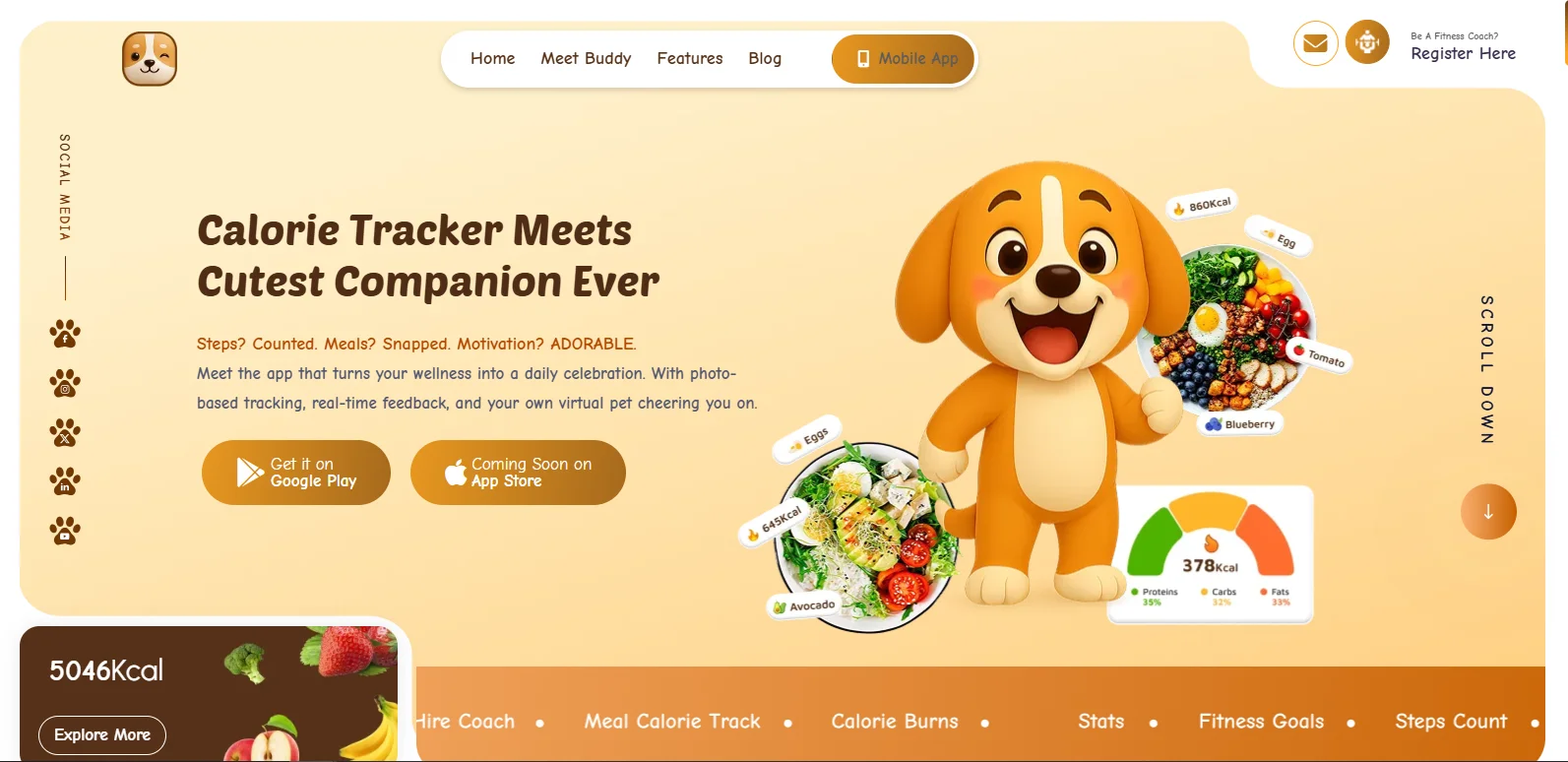
Understanding the anabolic window helps you optimize recovery timing, but long-term progress depends on consistency. Tracking calorie intake, protein levels, and energy expenditure ensures you stay aligned with your goals. This is where Calorie Tracker Buddy becomes a powerful fitness companion.
Instead of manually calculating every gram of protein or calorie burned, the platform simplifies the entire process.
Snap the Meal for Instant Analysis:
After training, many athletes focus on protein intake within the anabolic window. With Calorie Tracker Buddy, you simply point your camera at your meal and tap once. The system scans your food and instantly displays calories, nutrients, and overall balance.
This feature eliminates guesswork and supports smarter post-workout decisions.
Calorie Intake Tracker for Precision:
Muscle growth requires adequate calorie and protein intake. The Calorie Intake Tracker calculates what you eat in seconds and shows how each meal fits your daily targets. If your post-workout meal falls short in protein, you can adjust immediately.
Precision improves progress.
Calorie Burn Tracker for Energy Balance:
Training intensity influences how your body responds during the anabolic window. The Calorie Burn Tracker monitors daily movement, from workouts to daily chores. Matching energy output with intake prevents under-fueling and supports recovery.
Balanced energy drives muscle growth.
Goal Predictions for Smarter Planning:
Long-term success depends on trends, not single meals. Goal Predictions show how each snack, meal, and workout affects your progress. This feature keeps your focus on sustainable improvement instead of short-term anxiety about timing.
Buddy Motivation for Habit Building:
Consistency determines results more than perfect nutrient timing. With Buddy Motivation, your virtual pet grows with every healthy choice you make. This gamified reinforcement builds positive habits and keeps you engaged.
Common Mistakes Athletes Make
Many lifters misinterpret the anabolic window and overlook bigger factors.
- Overvaluing supplements:
Whole foods provide comprehensive nutrition. Supplements support but should not dominate. - Ignoring calorie balance:
Muscle growth requires sufficient calories. Severe deficits limit progress. - Neglecting sleep:
Deep sleep enhances recovery and hormone regulation. - Skipping progressive overload:
Training stimulus triggers adaptation. Nutrition supports it.
When you address these fundamentals, nutrient timing becomes a helpful detail rather than the main focus.
Final Verdict
The anabolic window represents a real physiological response to resistance training. Your body becomes more receptive to nutrients after exercise, but this window lasts longer than early research suggested.
You do not lose gains if you delay eating for an hour. Muscle protein synthesis remains elevated for extended periods.
Prioritize:
- Adequate daily protein
- Balanced calories
- Progressive overload
- Quality sleep
- Consistent tracking
When you combine smart nutrition timing with structured monitoring tools like Calorie Tracker Buddy, you remove uncertainty and build a sustainable muscle-growth system.
In the end, success does not depend on racing the clock. It depends on informed strategy, disciplined habits, and long-term consistency.
FAQs
1. Does the anabolic window matter more for beginners or advanced lifters?
Beginners often experience faster muscle growth because their bodies respond quickly to resistance training. Advanced lifters may need more structured recovery strategies since adaptation slows over time.
2. Can fasted workouts increase the importance of nutrient timing?
Yes. Training in a fasted state reduces circulating amino acids in the bloodstream. Consuming protein soon after exercise can help support muscle repair and recovery.
3. Does age affect post-workout muscle recovery?
As people age, muscle protein synthesis becomes less efficient. Older adults may benefit from slightly higher protein intake and consistent meal distribution to maintain muscle mass.