



You are doing everything by tracking your calories, hitting your goals, and even staying disciplined.
Are you feeling hungry even after eating?
That constant hunger after “eating enough” can feel frustrating, confusing, and even discouraging. It makes you question your willpower. It makes you wonder if your body is broken. And sometimes, it pushes you to overeat, undoing all your hard work.
Here is the truth: if you feel hungry even after hitting your calorie goal, something important is missing. And it’s not more discipline.
This is a bigger problem than most people realize, and if you don’t understand what’s really happening inside your body, you’ll keep fighting hunger instead of fixing it.
Keep reading to discover the real reasons behind this issue and what you can do to finally feel satisfied.
Listen To The Podcast
Why You Still Feel Hungry After Eating

Feeling hungry even after eating means your body is not fully satisfied yet.
Calories are just numbers that measure energy. But hunger is not controlled by a number; it is controlled by your body, which looks at things like:
- How full does your stomach feel?
- What nutrients you eat (protein, fibre, fats, etc.)
- How steady your blood sugar is
- Hormones that control hunger and fullness
If these signals don’t feel “right”, your brain will still tell you that you’re hungry even if you technically ate enough calories.
So when hunger and calorie intake don’t match, it usually happens for specific reasons.
Reasons You Feel Hungry Even After Eating

If you’re feeling hungry even after eating your calorie goal, there’s always a reason behind it.
Hunger doesn’t just appear randomly. It’s your body responding to what you ate, how you slept, how hydrated you are, and how balanced your meals were.
You might be doing everything “right” on paper, but small gaps in nutrition, sleep, or hydration can trigger hunger signals anyway.
1. You’re Eating Foods That Don’t Keep You Full
You might be hitting the calorie numbers, but what are those calories made of?
For example, if your day looks like this:
- A pastry or sugary coffee for breakfast
- A small sandwich and chips for lunch
- A light dinner with minimal protein
By having this in your meal, you can hit your calorie goal and still feel hungry.
Why? Because those foods digest quickly and don’t stretch your stomach for long. They don’t send strong “I’m full” signals to your brain.
Now compare that to:
- Eggs with vegetables for breakfast
- Chicken, rice, and salad for lunch
- Salmon, potatoes, and greens for dinner
Same calories. Completely different fullness.
If most of your calories come from processed or low-volume foods, your hunger returning is not surprising; it’s predictable.
2. You’re Not Eating Enough Protein for Your Body
Protein plays a very important role in your body.
Think about your last few meals.
Did each one include a solid source of protein?
If your meals are mostly carbs with small amounts of protein, there are high chance of you feeling hungry even after eating.
Protein slows down digestion, keeps you full longer, and helps you to regulate hormones. Your body keeps asking for more because it hasn’t received the nutrients it prioritizes for fullness and repair.
If you constantly feel hungry, this is one of the most common reasons.
3. Your Meals Are Low in Fibre
Fibre gives the food staying power.
If your meal lacks vegetables, fruits, beans, or whole grains, your digestion happens quickly. Fast digestion often leads to:
- Blood sugar is rising fast.
- Blood sugar drops fast.
- Hunger is coming back fast.
Most of the time, it’s not about calories; it’s about low fiber earlier in the day.
When your meals include fiber-rich foods, you feel steady energy and longer-lasting fullness.
4. You’re Tired (And Your Body Is Compensating)
If you sleep less than 6-7 hours daily, your body changes how it manages hunger.
When you’re tired:
- Your hunger hormone (ghrelin) increases.
- Your fullness hormone (leptin) decreases.
- Cravings for high-calorie foods increase.
So even if your calorie target is correct on paper, your body is pushing you to eat more. This isn’t a weakness. It’s biology trying to protect you from fatigue. Using a tool like Calorie Tracker Buddy can also help you monitor patterns in both eating and hydration.
5. You Might Be Slightly Dehydrated
Before assuming that you are feeling hungry, ask yourself.
“When was the last time I drank water?”
Mild dehydration can feel like hunger. So if you feel hungry even after eating, try drinking a glass of water and wait for 10-15 minutes.
You can use apps like Calorie Tracker Buddy.
Instead of waiting until you already feel hungry, you can use this app to receive timely nudges based on your activity level, habits, and goals. These reminders encourage you to drink water before your brain mistakes thirst for hunger, helping you prevent unnecessary snacking before it starts.
Also Read
Simple Fixes to Control Hunger Naturally
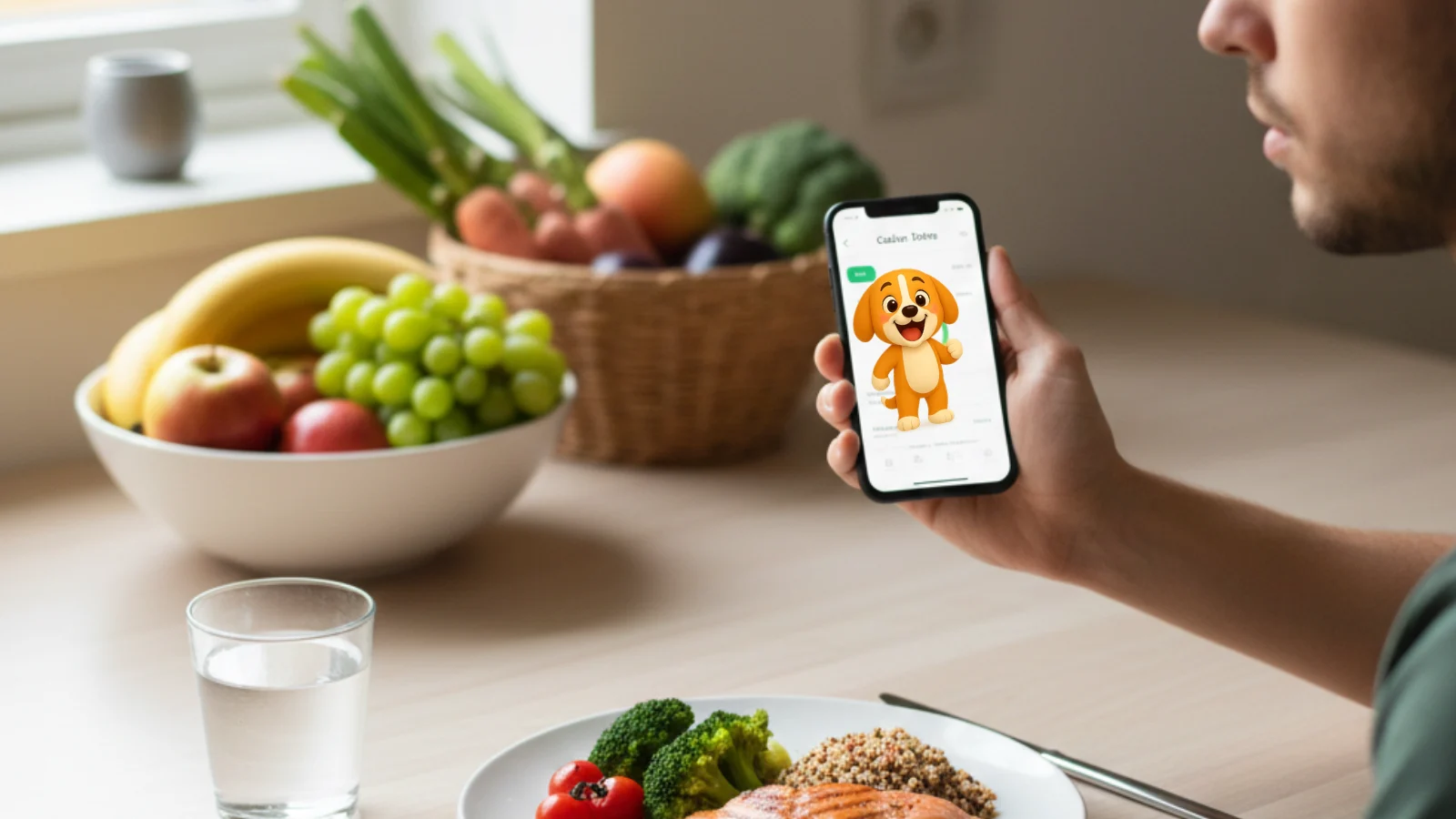
Now that you understand why you’re feeling hungry, let’s talk about how to fix it.
The goal isn’t to ignore your hunger or rely on willpower. The goal is to support your body in a way that naturally reduces cravings and improves fullness.
Small adjustments in food quality, protein intake, hydration, sleep, and eating habits can make a major difference.
1. Focus on Food Quality, Not Just Calories
Hitting the calorie number is important, but it is also important to see the source of calories.
If your daily intake comes mostly from processed or low-volume foods, you’ll likely feel hungry sooner. Instead, build your meals around foods that keep you full and steady.
- Lean protein
- Fibre-rich vegetables
- Whole grains
- Healthy fats in moderation (avocado, nuts, olive oil)
These foods take longer to digest, stabilize blood sugar, and send stronger fullness signals to your brain.
2. Increase Your Protein Intake
If you feel hungry after eating, protein could be the reason.
So include protein-rich food in your diet.
Adding more protein alone significantly reduces cravings and late-night snacking. If your meals are mostly carbs with minimal protein, this change can make an immediate difference.
3. Stay hydrated and improve your diet.
Before assuming that you need more food, check your hydration.
Drink water throughout the day, not just when you feel thirsty. If you feel hungry shortly after eating, try drinking a glass of water and wait 10-15 min. You may realise it wasn’t hunger at all.
Sleep is one of the most overlooked hunger regulators.
Prioritize 7–9 hours of quality sleep each night. Better sleep improves appetite control, energy levels, and decision-making around food.
4. Slow Down While Eating
If you eat quickly or while distracted, your brain doesn’t get enough time to register fullness.
Try this.
- Eat without your phone or TV.
- Chew thoroughly
- Pause between bites
It takes about 15–20 minutes for your brain to recognise that you’re full. Slowing down helps you feel satisfied with the calories you’ve already eaten.
5. Understand Your Hunger Patterns
If you’re still guessing why you feel hungry after hitting your calorie goal, it may be time to stop guessing altogether.
Calorie Tracker Buddy goes beyond basic calorie counting. It helps you track:
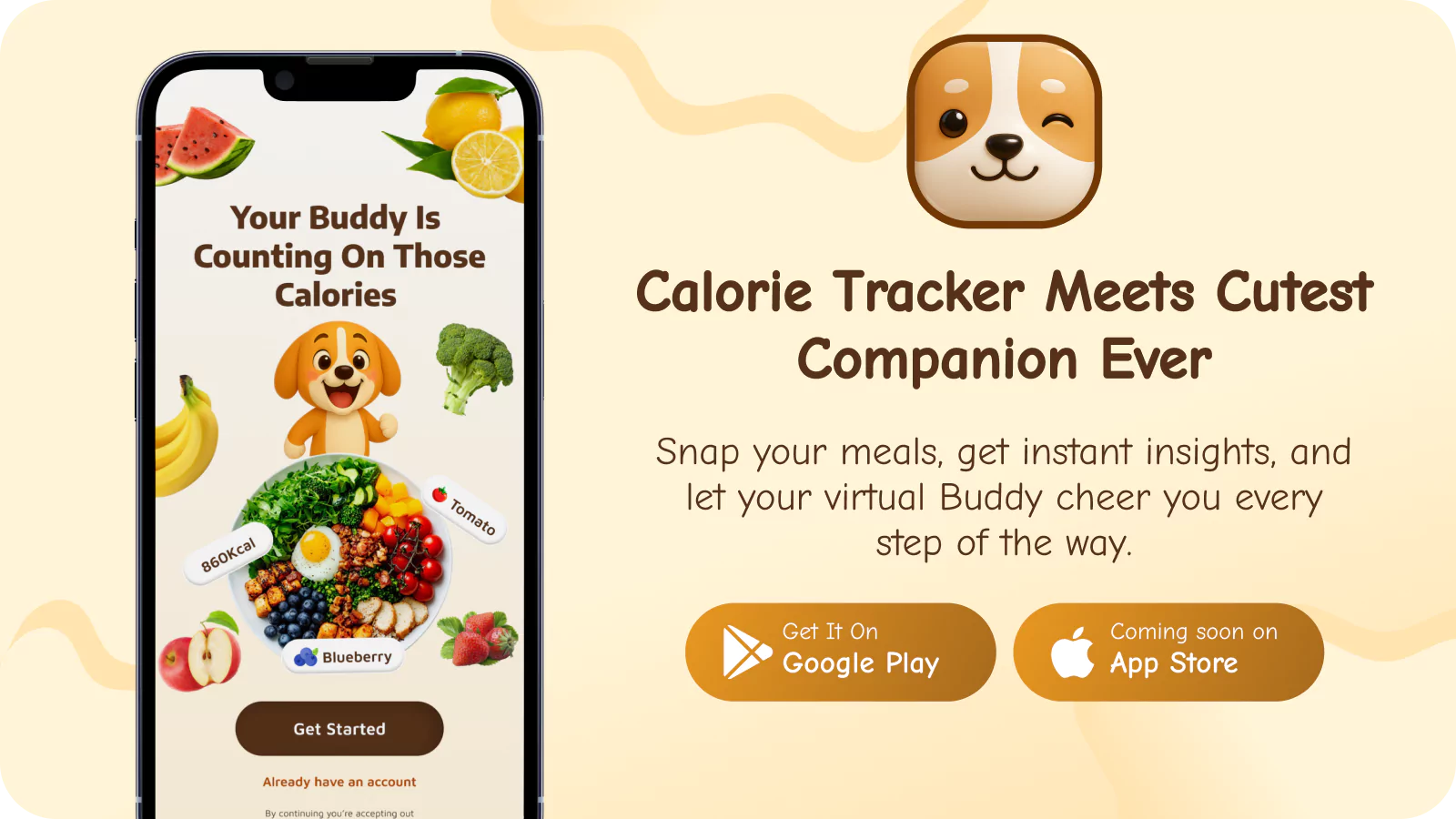
- Calories and macronutrients (especially protein)
- Water intake with smart hydration reminders
- Meal timing and eating patterns
- Daily consistency through progress tracking
This allows you to identify why you’re hungry. Are you low on protein? Not drinking enough water? Eating too quickly? Skipping fiber earlier in the day?
Instead of relying on willpower, you rely on data.
Conclusion
If you’ve ever asked yourself, “Why am I always hungry?” Now you know the answer isn’t as simple as calories.
Feeling hungry even after eating your calorie goal doesn’t mean you lack discipline. It usually means your body is missing something important: enough protein, enough fibre, proper hydration, quality sleep, or balanced meals.
Hunger is not the enemy. It’s feedback.
When you focus on food quality, improve your protein intake, stay hydrated, sleep well, and track your patterns consistently, you stop fighting your body and start understanding it.
And when you combine smart nutrition habits with tools like Calorie Tracker Buddy to monitor calories, protein, hydration, and meal timing, you gain clarity instead of confusion. You make informed adjustments instead of emotional decisions.
The goal should not be the calorie number.
But to feel satisfied, energised, and in control without constantly battling hunger.
Once you understand what your body truly needs, everything becomes easier and more sustainable.
FAQ
1. Why do I feel hungry even after eating a full meal?
Feeling hungry after a full meal usually means your body didn’t get what it needed for lasting satisfaction. Even if the portion size was large, the meal may have been low in protein or fibre. Meals that digest quickly can cause blood sugar to rise and fall fast, which brings hunger back sooner than expected.
2. Why am I always hungry even when I track my calories?
Tracking calories helps with portion control, but calories alone don’t control hunger. If your meals lack protein, fibre, or healthy fats—or if you’re not sleeping well—your body may still signal hunger. It’s often about nutrient balance, not just the total number of calories.
3. Can dehydration make me feel hungry?
Yes, it can. Mild dehydration is often mistaken for hunger because the signals are similar. If you feel hungry shortly after eating, try drinking a glass of water and waiting a few minutes. You may find that the feeling passes.
4. Does eating more protein really help reduce hunger?
For most people, yes. Protein takes longer to digest and helps you feel fuller for a longer period. Including a good source of protein in each meal can reduce cravings and prevent frequent snacking throughout the day.
5. Why do I feel hungrier when I’m tired?
When you don’t get enough rest, your body increases hunger signals and decreases fullness signals. That’s why cravings tend to be stronger after a poor night’s sleep.