


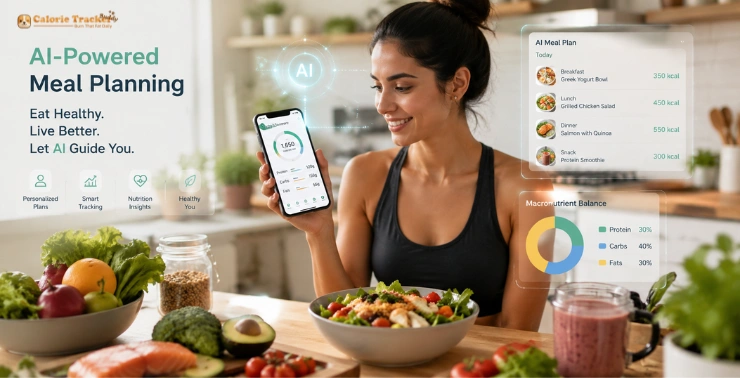
Planning a Healthy Meal sounds easy when you hear general advice online. Eat more vegetables. Reduce sugar. Track calories. Drink more water. Most people already know these basics.
The real difficulty begins when daily life interrupts those plans.
A long workday changes dinner choices. Grocery shopping gets delayed. Meal prep feels exhausting after a busy week. Suddenly, maintaining a meal routine becomes harder than expected.
That is why AI-powered nutrition tools are growing quickly. People are no longer looking only for calorie counters. They want systems that simplify decisions and reduce mental effort around food.
Modern AI nutrition apps now help users build a healthy meal schedule through automation, personalized suggestions, and real-time tracking. Some apps even analyze food images and estimate calories instantly.
The goal is not perfection.
The goal is consistency.
A healthy diet approach works best when it feels sustainable instead of restrictive. That shift explains why many users are replacing traditional food journals with AI-powered meal planning tools.
Research in digital nutrition platforms shows that personalized systems improve long-term adherence and user engagement compared to rigid diet plans.
For beginners, especially, AI removes many of the frustrating parts of healthy eating.
Read Aloud!
Why Building a Healthy Meal Routine Feels Difficult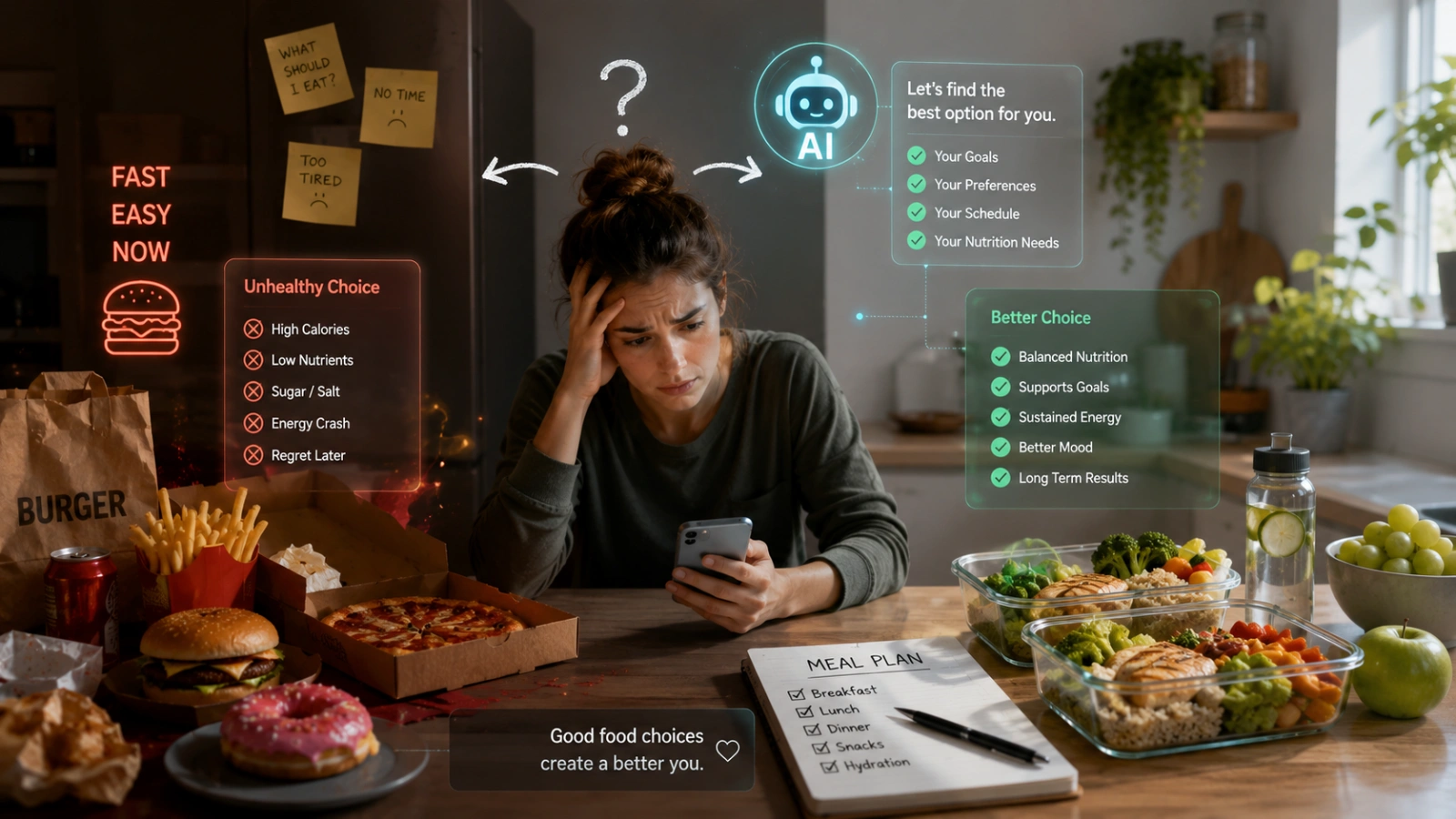
Most people do not fail because they lack discipline.
They fail because nutrition becomes mentally exhausting.
Every meal decision requires planning:
- What to cook
- How much protein to eat
- calorie targets
- portion sizes
- grocery shopping
- meal timing
After a few weeks, that constant decision-making creates fatigue.
This is one reason people search for questions like ” How many calories should I eat to lose weight” They want clarity. Instead, they often find conflicting advice that makes nutrition even more confusing.
One app recommends aggressive calorie cuts. Another promotes intuitive eating. Social media pushes extreme diets that rarely fit real lifestyles.
A Healthy Meal strategy should not feel like solving a math problem every day.
Still, traditional nutrition apps often increase complexity instead of reducing it. Users are expected to manually log ingredients, weigh food portions, and calculate nutrients constantly.
That works for highly motivated fitness enthusiasts.
Most people quit quickly.
Studies reviewing AI-assisted nutrition tools found that automated tracking systems reduce user burden while improving dietary consistency.
That matters because sustainable nutrition depends more on repeatable habits than short-term motivation.
How AI Is Changing Healthy Meal Planning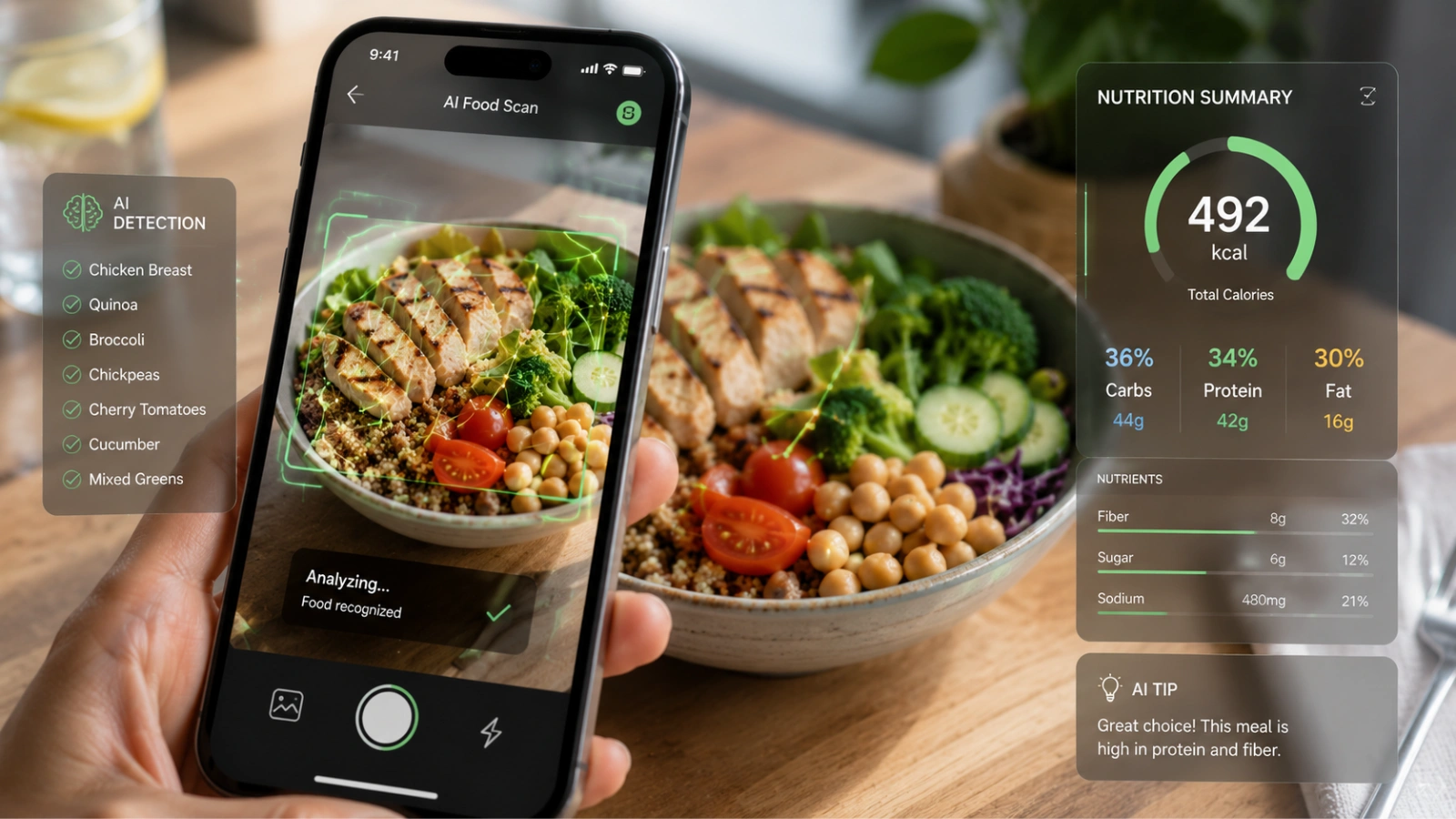
The strongest AI nutrition apps focus on personalization.
Instead of offering generic meal plans, these systems adapt recommendations based on user behavior, preferences, and goals.
For example, if someone dislikes seafood, prefers vegetarian lunches, and struggles with late-night snacking, the AI gradually adjusts recommendations around those habits.
That flexibility changes the entire meal experience.
Users no longer need to build meal plans manually from scratch.
Many AI systems now combine:
- recipe suggestions
- calorie estimation
- grocery planning
- macro tracking
- progress monitoring
- meal substitutions
Some apps also track eating patterns over time.
If a user regularly skips breakfast or consumes too little protein, the system notices those patterns and recommends adjustments automatically.
This is where AI becomes genuinely useful.
A Healthy Meal routine becomes easier when fewer decisions require manual effort.
Research on personalized nutrition applications found that users showed better meal adherence when recommendations aligned closely with personal goals and lifestyle patterns.
That makes practical sense.
People follow plans more consistently when the plan feels realistic.
Can AI Actually Improve Healthy Meal Choices?
In many cases, yes.
One of the biggest advantages of AI is reducing guesswork.
A meal does not always require expensive ingredients or complicated recipes. Sometimes people simply need better guidance around balance and portion sizes.
AI tools help users recognize patterns they might otherwise miss.
For example:
- low protein intake
- excessive snacking
- inconsistent calorie consumption
- poor meal timing
- nutrient gaps
Instead of forcing strict restrictions, many apps now focus on gradual improvements.
That creates a healthier relationship with food overall.
Some AI systems also recommend alternatives rather than simply labeling foods as “good” or “bad.” A user craving fast food may receive suggestions for similar meals with higher protein and lower calorie density.
Those small adjustments are easier to maintain long-term.
A Healthy Meal strategy becomes more sustainable when users feel supported instead of judged.
How AI Simplifies Nutrition Tracking
Nutrition tracking has traditionally been one of the most frustrating parts of dieting.
Manual logging feels repetitive. Portion estimation becomes inconsistent. Many people stop tracking entirely within days.
AI tools attempt to solve this through automation.
Photo recognition is one of the fastest-growing features in modern nutrition apps. Users photograph meals, and the system estimates calories and nutrients automatically.
The technology is still improving, but it reduces friction significantly.
Research involving AI-based food recognition systems found that image-driven nutrition tools can estimate calories and macronutrients with promising accuracy in real-world conditions.
That convenience matters more than people realize.
A Healthy Meal routine survives when the process feels manageable during busy weeks.
People are far more likely to continue tracking when logging meals takes seconds instead of several minutes.
This is especially helpful for users learning how to track macros for weight loss without becoming overwhelmed by complicated calculations.
An easy macro tracker for beginners should simplify decisions, not create anxiety around every meal.
The Role of AI in Weight Loss Planning
Weight loss is one of the biggest reasons people download nutrition apps.
But many users approach weight loss too aggressively.
They cut calories drastically, avoid entire food groups, and follow unrealistic meal plans that collapse within weeks.
A Healthy Meal approach works differently.
The focus shifts toward consistency, satiety, and balance instead of extreme restriction.
AI tools can support this process by:
- estimating realistic calorie targets
- recommending filling foods
- adjusting meal suggestions over time
- monitoring progress patterns
That adaptability is useful because calorie needs change from person to person.
Someone searching for how many calories should I eat to lose weight usually wants a precise number. In reality, nutrition is more flexible than that.
AI systems often calculate targets using activity levels, body metrics, and progress data. As users log meals and weight changes, recommendations become more personalized.
That dynamic approach feels more practical than rigid diet plans.
A Healthy Meal routine should support energy, mood, and sustainability instead of creating constant hunger.
Why Low-Calorie Meals Often Fail
Many low-calorie diets fail because they ignore fullness.
People eat tiny portions, feel hungry all day, then overeat later.
That cycle becomes frustrating quickly.
A smarter Healthy Meal strategy focuses on foods that provide volume and satiety without excessive calories.
This is where a low calorie filling meals tracker becomes useful.
Many AI nutrition apps now prioritize:
- high-protein meals
- fiber-rich ingredients
- balanced portions
- whole foods
- slower digestion
For example, a large bowl with rice, vegetables, chicken, and beans may feel far more satisfying than processed snack foods with similar calories.
AI tools help users identify those differences.
Some systems even analyze eating patterns and suggest meals that improve fullness based on previous habits.
That level of personalization makes Healthy Meal planning more realistic for long-term weight management.
What Makes a Good AI Nutrition App?
Not every app delivers meaningful value.
Some overload users with charts and data while offering little practical guidance.
The strongest platforms simplify action.
A useful Healthy Meal app should help users make faster, better food decisions without creating unnecessary complexity.
Features that matter most include:
- simple meal logging
- barcode scanning
- calorie estimation
- meal personalization
- progress tracking
- grocery planning
Many users also search for a protein and calorie counter app free because subscription fatigue is becoming common across health apps.
Free versions with strong usability often perform better than expensive platforms filled with unnecessary features.
The best apps understand something important.
Most people do not want perfect nutrition.
They want manageable routines they can maintain consistently.
A Healthy Meal strategy succeeds when it fits real schedules, budgets, and habits.
Read More!
Healthy Dinner Recipes That Help With Weight Loss and Energy?
Where AI Nutrition Tools Still Struggle
AI nutrition technology has improved quickly, but limitations still exist.
Food image recognition is not always accurate. Mixed meals, sauces, and regional dishes can confuse calorie estimation systems.
Cultural food variety remains another challenge.
Some apps handle Western meals well but struggle with traditional Indian, Middle Eastern, or Asian dishes. That creates inaccurate calorie estimates and poor recommendations.
Medical conditions also require caution.
AI tools cannot fully replace registered dietitians or healthcare professionals, especially for people managing diabetes, PCOS, digestive disorders, or severe allergies.
Privacy concerns matter too.
Nutrition apps collect highly personal health data, including food habits, body weight, and activity patterns. Users should review privacy policies carefully before sharing sensitive information.
Researchers evaluating AI-generated diet systems found strong potential overall, but also noted weaknesses around nuance, affordability, and individualized medical guidance.
That balance is important to understand.
AI works best as support, not a replacement.
How Calorie Tracker Buddy Relates to AI Meal Planning

One tool that fits naturally into this shift toward smarter nutrition tracking is Calorie Tracker Buddy.
Instead of relying only on manual food logging, the app focuses on simplifying everyday tracking through:
- photo-based meal logging
- calorie and macro estimates
- voice and text food input
- step tracking
- hydration reminders
- restaurant menu scanning
The menu scanner is especially useful for people trying to maintain a Healthy Meal routine while eating out. Users can scan menus and get estimated calories and macro information without searching manually.
The app also supports Indian food tracking better than many generic calorie apps, which makes logging meals more practical for Indian users.
It is not designed as an advanced bodybuilding tracker, but it works well for people who want simpler calorie awareness, easier meal logging, and more sustainable Healthy Meal habits without overcomplicating nutrition.
Are AI Meal Planning Apps Worth Using?
For many people, absolutely.
Not because they create perfect diets, but because they reduce friction around everyday decisions.
That distinction matters.
A Healthy Meal routine depends heavily on consistency. Most users already understand basic nutrition principles. The challenge is applying those habits during stressful or busy periods.
AI helps by simplifying repetitive tasks:
- calorie calculations
- meal organization
- grocery planning
- portion suggestions
- progress tracking
That convenience increases follow-through.
Users trying to learn how to track macros for weight loss often struggle less with knowledge and more with consistency. AI tools reduce that mental burden significantly.
The same applies to people searching for an easy macro tracker for beginners. Simpler systems create better long-term habits than overly technical platforms.
A Healthy Meal plan should feel realistic enough to continue even during imperfect weeks.
That is where AI performs best.
Final Thoughts
Nutrition advice has existed for decades, but consistency remains difficult for most people.
AI tools are not changing human biology. They are changing how people make food decisions.
That difference matters more than flashy technology.
A Healthy Meal routine becomes easier when meal planning, calorie tracking, and food organization require less effort. AI systems help reduce friction through automation, personalization, and adaptive recommendations.
The strongest apps do not pressure users toward perfection.
They help users build repeatable habits gradually.
Whether someone wants to improve energy levels, lose weight, understand how many calories should I eat to lose weight, or simply maintain a better Healthy Meal routine, AI nutrition tools can provide meaningful support.
The technology still has limitations.
But for many users, it makes healthy eating feel far more manageable than it used to.
FAQs
Can AI create a Healthy Meal plan?
Yes. Many AI nutrition apps generate personalized meal recommendations based on calorie goals, food preferences, and dietary needs.
Are AI calorie trackers accurate?
Most modern systems provide reasonably accurate estimates, especially for common foods and packaged meals.
What is the best easy macro tracker for beginners?
The best beginner tools simplify food logging, explain nutrition clearly, and reduce manual calculations whenever possible.
Can AI help with low calorie filling meals tracker apps?
Yes. Many platforms now recommend meals focused on satiety, protein, and balanced nutrition instead of extreme calorie restriction.
Is there a protein and calorie counter app free to use?
Several nutrition apps offer free versions with calorie tracking, macro monitoring, and meal logging features.