


Let’s talk about what actually happens.
Weight loss rarely fails because you don’t care.
It fails because it gets boring.
You start strong. New meal plans get downloaded. Healthier groceries find their way into your cart. This time feels different from before.
And then… it becomes routine. Repetitive. Restrictive.
Your brain doesn’t crave “discipline.” It craves reward, progress, and stimulation.
That’s exactly why gamifying your weight-loss works.
Instead of fighting your psychology, it works with it. Rather than depending solely on willpower, it builds momentum through small, steady wins. Instead of feeling punished, you feel like you are moving forward.
And that shift changes everything.
Hit ‘Play’ Button & Tune Into The Blog!
Why Traditional Weight Loss Feels So Hard
Most programs treat losing weight like a math equation:
Calories in < Calories out = Results.
But human behavior isn’t that simple.
Your brain is wired for:
- Immediate rewards
- Visible progress
- Social validation
- Achievement
- Competition
Traditional dieting gives you none of those.
You eat a salad today.
The scale doesn’t move tomorrow.
There’s no applause. No badge. No sense of completion.
So motivation fades.
When healthy eating and weight loss are framed as restriction instead of achievement, your brain resists. It interprets change as loss instead of growth.
And that resistance often starts somewhere simple – your kitchen. If you want change to feel easier (not forced), start with what you bring home 👉 The Ultimate Grocery Shopping List for Weight Loss
What Does “Gamifying Your Weight Loss” Actually Mean?
Gamification means applying game elements points, rewards, streaks, levels, and achievements to real-life behaviors.
You’re not turning your life into a video game.
You’re turning your progress into something measurable, rewarding, and engaging.
When you start Gamifying Your weight Losing journey, everyday actions transform:
- Logging meals becomes earning points
- Drinking water becomes completing a quest
- Hitting 8,000 steps becomes unlocking an achievement
- Meal prepping becomes leveling up
Suddenly, consistency feels satisfying.
The Psychology Behind Why Fun Apps Work
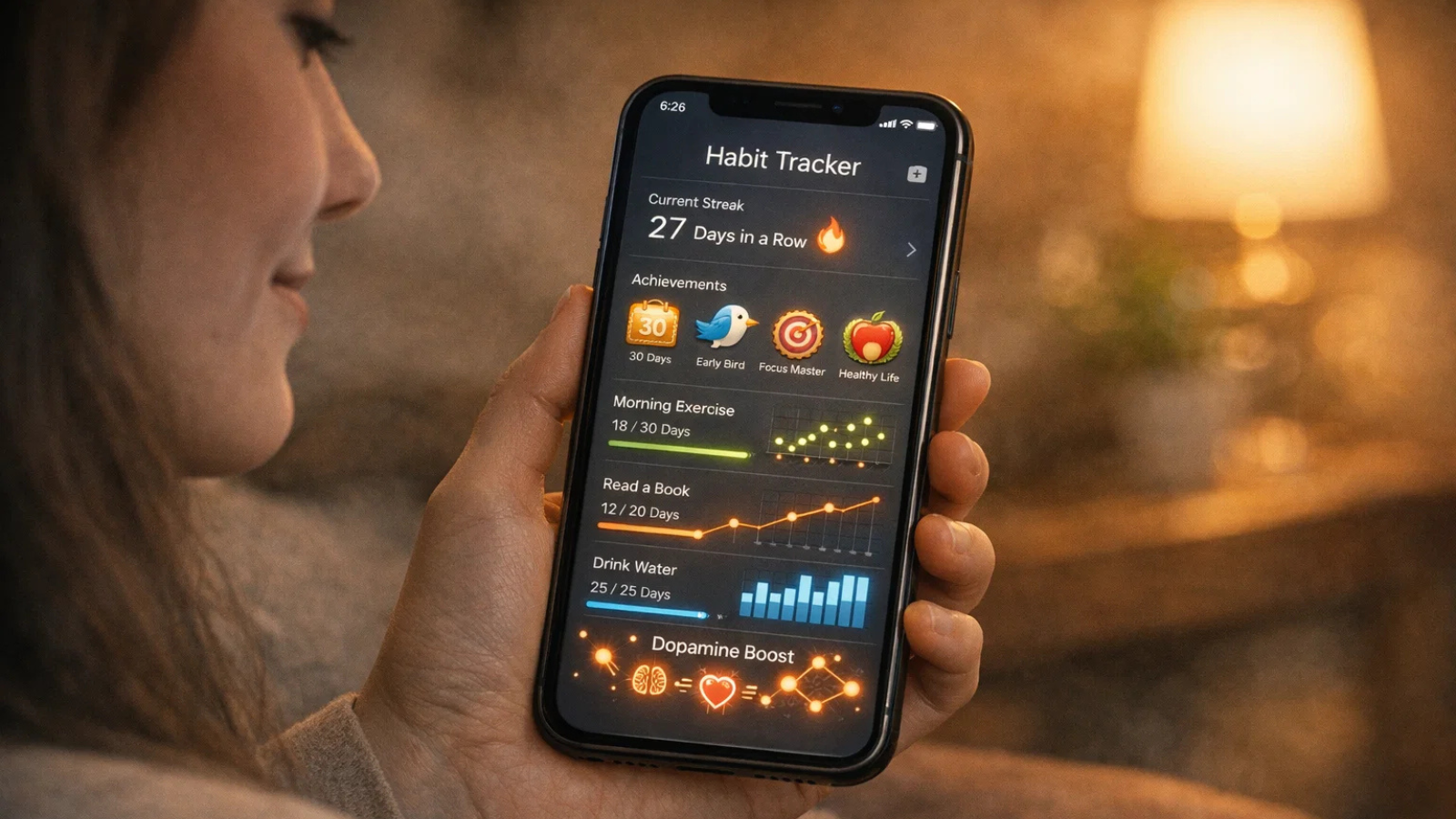
There’s a reason games are addictive and it’s not just entertainment.
Games activate dopamine pathways in your brain.
Dopamine isn’t the “pleasure chemical.”
It’s the motivation chemical.
It’s released when:
- You make progress
- You complete challenges
- You anticipate rewards
- You achieve milestones
Gamified weight loss apps use this exact loop.
You:
- Set a small goal
- Complete it
- Get rewarded
- Feel accomplished
- Repeat
Over time, this builds habit strength.
Instead of depending on emotional motivation, you rely on structured reinforcement.
And that’s powerful.
Small Wins Beat Big Promises
One major reason loosing weight fails is that goals are too big.
“Lose 15 kilos.”
“Drop two sizes.”
“Transform in 90 days.”
Big goals are inspiring — but they’re not motivating daily.
Gamification breaks big outcomes into micro-wins:
- 5-day tracking streak
- First 2 kg milestone
- 10 workouts completed
- 20 home-cooked meals logged
Every win counts.
And when your brain experiences frequent success, it becomes more likely to continue the behavior.
That’s how consistency builds.
Progress Tracking Changes Everything
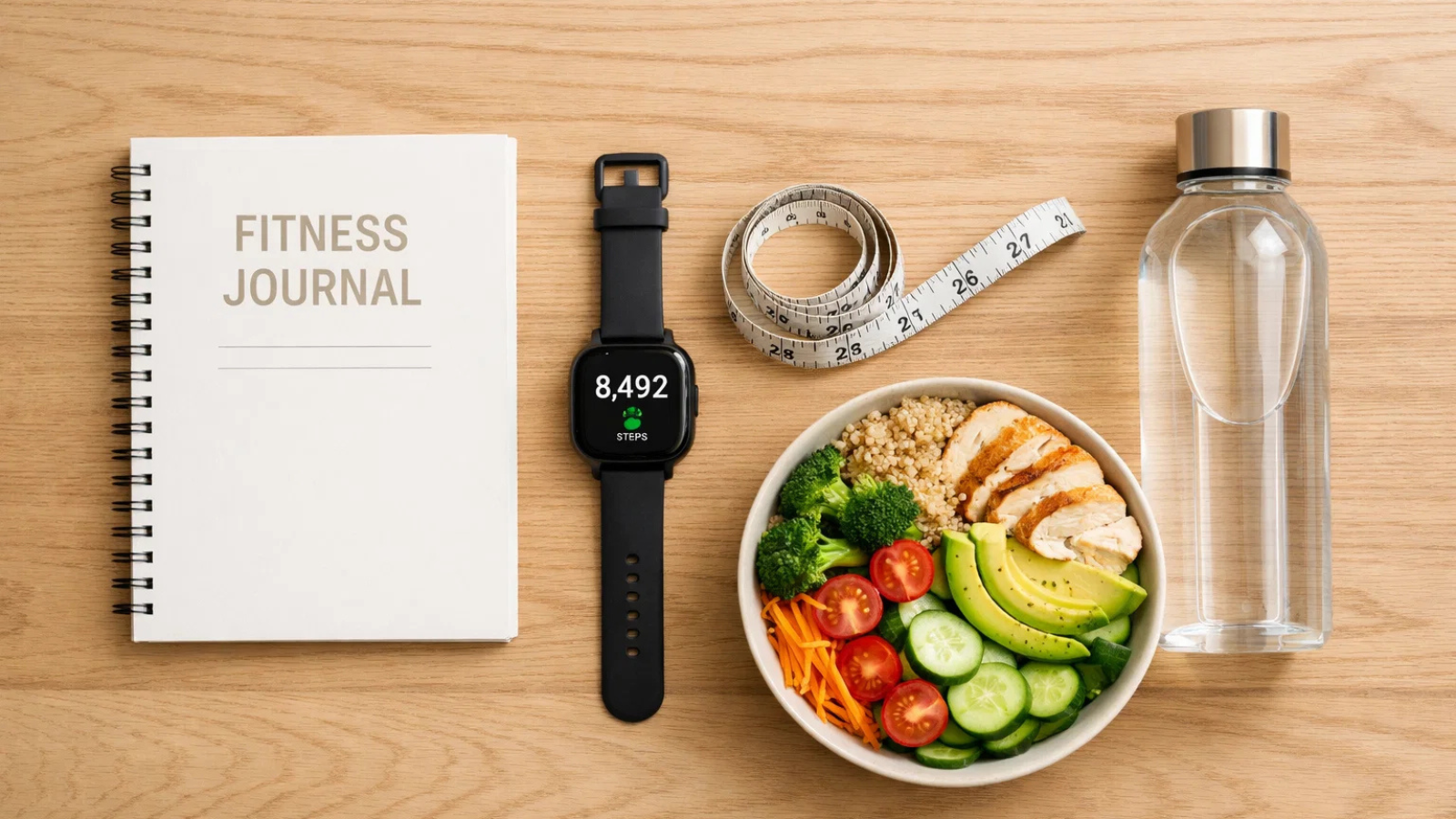
Seeing progress visually matters more than people think.
When you can:
- See streak counters
- Watch graphs trend downward
- Track habit consistency
- Monitor body measurements
You build psychological momentum.
Even if weight fluctuates, progress metrics keep motivation alive.
This is crucial in losing weight because results are rarely linear.
Gamified apps give you more than just scale data — they show:
- Consistency
- Effort
- Skill development
- Habit growth
This is exactly where apps like Calorie Tracker Buddy stand out. By combining photo-based meal tracking, automatic step monitoring, and visible streak systems with interactive rewards, it turns daily habits into measurable progress you can actually see and feel.
Social Features Increase Accountability
You’re more consistent when someone’s watching.
Gamified platforms often include:
- Leaderboards
- Group challenges
- Shared milestones
- Community badges
When you know others are participating, you’re more likely to stick with it.
Healthy competition increases effort.
Support increases resilience.
And celebrating wins together makes the journey feel less isolating.
Weight loss stops being a lonely struggle and becomes a shared mission.
Rewards Make Habits Stick
Rewards are central to gamification.
But here’s the key:
They must reinforce identity, not sabotage progress.
Good rewards:
- New workout gear
- A spa day
- A new book
- A fitness class
- Upgrading your kitchen tools
Bad rewards:
- “Cheat” binges
- Using junk food as motivation
- Extreme restriction cycles
The best gamified systems reward consistency, not just outcomes.
That’s how sustainable weight loss is built.
Can Gamification Work With Weight Loss Medication?
Yes and often, it works even better when combined thoughtfully.
Some people use weight loss medication to support appetite regulation or metabolic health. Others explore medical treatments when lifestyle efforts alone haven’t worked.
But here’s the truth:
Even with medication and weight loss support, behavior still matters.
Medication may:
- Reduce hunger
- Improve insulin response
- Help regulate cravings
But habits determine long-term results.
Gamifying your losing weight journey while using medication creates synergy:
- Medication supports biology
- Gamification supports behavior
Together, they improve consistency and adherence.
And that’s what drives sustainable outcomes.
Why It Works for People Who “Hate Dieting”
Not everyone enjoys calorie counting or strict programs.
Gamification shifts focus from restriction to achievement.
Instead of:
“I can’t eat that.”
It becomes:
“I completed today’s nutrition goal.”
Instead of:
“I have to work out.”
It becomes:
“I unlocked today’s activity streak.”
That emotional reframing reduces resistance.
And resistance is the silent killer of losing weight.
If you also struggle with food prep, you’ll love these practical Weight Loss Tips for People Who Hate Cooking.
What Makes a Gamified Weight Loss App Effective?
Not all apps are created equal.
The most effective ones include:
1. Clear Goals
Vague tracking doesn’t work. Clear targets do.
2. Immediate Feedback
Instant scoring or streak updates matter.
3. Visible Progress
Graphs and milestones reinforce effort.
4. Social Integration
Community boosts accountability.
5. Balanced Design
It should motivate — not overwhelm.
If an app feels stressful, complicated, or obsessive, it defeats the purpose.
Gamification should make losing weight feel lighter, not heavier.
The Risk of Over – Gamification
While gamification is powerful, it’s important to avoid extremes.
Warning signs include:
- Anxiety when you miss a streak
- Obsessive calorie tracking
- Skipping social events to protect “points”
- Feeling guilt instead of motivation
Healthy gamification supports flexibility.
It encourages consistency, not perfection.
Remember — the goal is sustainable weight loss, not score maximization.
The Science of Engagement
Research in behavioral psychology consistently shows:
People stick with behaviors when they feel:
- Autonomous
- Competent
- Connected
Gamified systems hit all three.
- Autonomy → You choose challenges
- Competence → You see progress
- Connection → You share wins
That combination dramatically improves retention.
And retention is the true driver of weight loss success.
Because the best diet isn’t the strictest one.
It’s the one you can stick to.
This is exactly why a new wave of weight loss apps is focusing on engagement instead of restriction.
Apps like Calorie Tracker Buddy are blending calorie tracking with interactive motivation – letting users snap meals instead of manually logging everything, get instant feedback, and even grow a virtual companion as they stay consistent.
It shifts the experience from “tracking food” to actually participating in progress.
And that small shift changes everything.
A Closer Look at Calorie Tracker Buddy
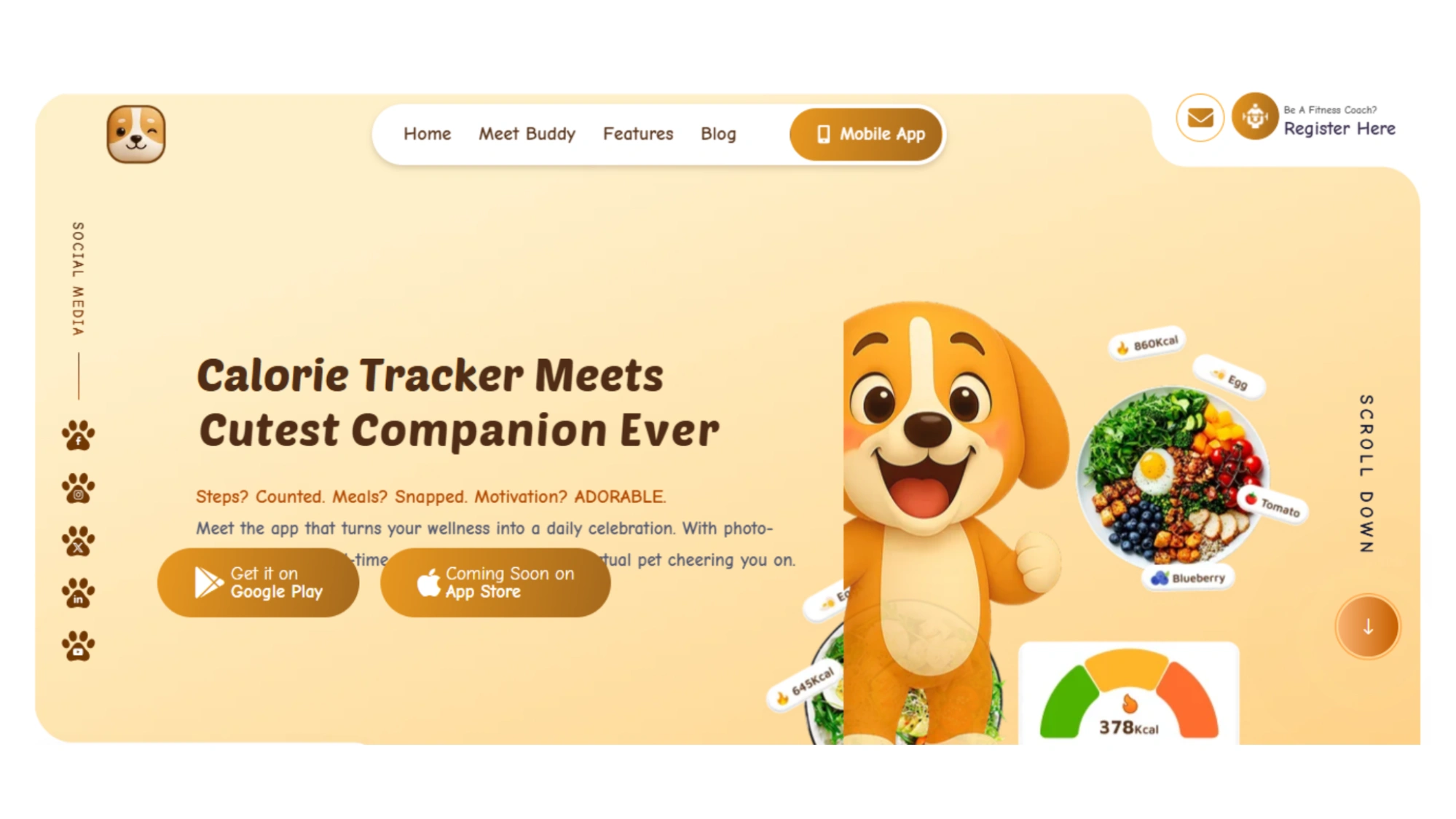
If you want to see how gamification works in practice, Calorie Tracker Buddy offers a strong example.
It’s a photo-based calorie tracking app that combines nutrition logging, step tracking, and virtual rewards into one interactive experience.
Instead of relying only on discipline, it builds a feedback loop around consistency.
- Snap your meals → get instant calorie and nutrient insights
- Track steps and calorie burn automatically
- Hit your goals → your virtual pet evolves, celebrates, and reflects your progress.
- Maintain streaks → visible progress builds momentum
What makes this powerful isn’t just the tracking.
It’s the emotional reinforcement.
You’re not just losing weight.
You’re nurturing something alongside your progress.
Download Calorie Tracker Buddy Now
Why Fun Outperforms Force
Force creates short bursts of discipline.
Fun creates long-term consistency.
When losing weight feels:
- Punishing → You quit
- Depriving → You rebel
- Lonely → You isolate
But when it feels:
- Engaging → You participate
- Rewarding → You repeat
- Social → You persist
That’s the difference.
Fun isn’t childish.
It’s strategic.
Turning Your Journey Into a Game (Without an App)

Even without technology, you can gamify your weight-loss:
- Create a streak calendar
- Set weekly mini challenges
- Reward milestone achievements
- Compete with a friend
- Track consistency visually
The structure matters more than the tool.
But digital platforms make it easier.
And easier usually means more sustainable.
More Ways to Make It Easier –
The Long-Term Impact
Gamification isn’t about temporary excitement.
It’s about rewiring your relationship with health.
When you start seeing:
- Healthy eating as progress
- Movement as achievement
- Consistency as victory
You stop chasing short-term transformation.
You start building identity.
And identity-driven weight loss lasts.
Final Thoughts: Why Gamifying Your Weight Loss Is the Future
The reason most weight loss attempts fail isn’t laziness.
It’s disengagement.
Humans are wired for progress, play, and connection.
When you design your environment around those drivers, change becomes easier.
Whether you rely purely on lifestyle changes or combine them with medication and weight loss support, the principle remains the same:
Consistency wins.
And gamification makes consistency feel good.
Instead of asking:
“How do I find more willpower?”
Ask:
“How do I make this journey more engaging?”
Because when the process feels rewarding, you don’t need to force it.
You follow through.
And that’s when weight loss stops being a battle — and starts becoming a game you’re actually excited to win.
FAQs: –
1. Does gamifying your weight loss really work?
Yes. Gamification works because it uses progress, rewards, and small wins to build consistent habits — instead of relying only on willpower.
2. Are weight loss apps actually effective?
They can be — especially when they focus on engagement. Apps like Calorie Tracker Buddy combine tracking with streaks and interactive rewards, which improves consistency.
3. Can I gamify losing weight without an app?
Yes. You can create streak calendars, set mini-challenges, reward milestones, or track habits visually. The system matters more than the tool.
4. Is calorie tracking necessary to lose weight?
Not always — but awareness is. Whether through calorie logging or habit tracking, consistency is what drives results.
5. Does gamification work with weight loss medication?
Yes. Medication may support appetite or metabolism, but habits determine long-term success. Gamification strengthens those habits.
6. What makes a gamified weight loss app effective?
Clear goals, instant feedback, visible progress, and balanced design. If it keeps you consistent without adding stress, it works.