



Everyone wants fast results. When motivation is high, and the scale isn’t moving quickly enough, extreme approaches can seem tempting. Promises like “lose 10 pounds in a week” grab attention, but they rarely tell the full story.
If you’ve ever considered a crash diet, you’re not alone. Rapid weight loss plans are heavily marketed because they appeal to urgency. However, long-term health, sustainable fat loss, and mental well-being rarely align with extreme restriction.
In this guide, we’ll break down why slow, steady weight loss consistently outperforms quick fixes and how to build a healthier, more realistic approach.
You can listen to this blog here.
What Is a Crash Diet?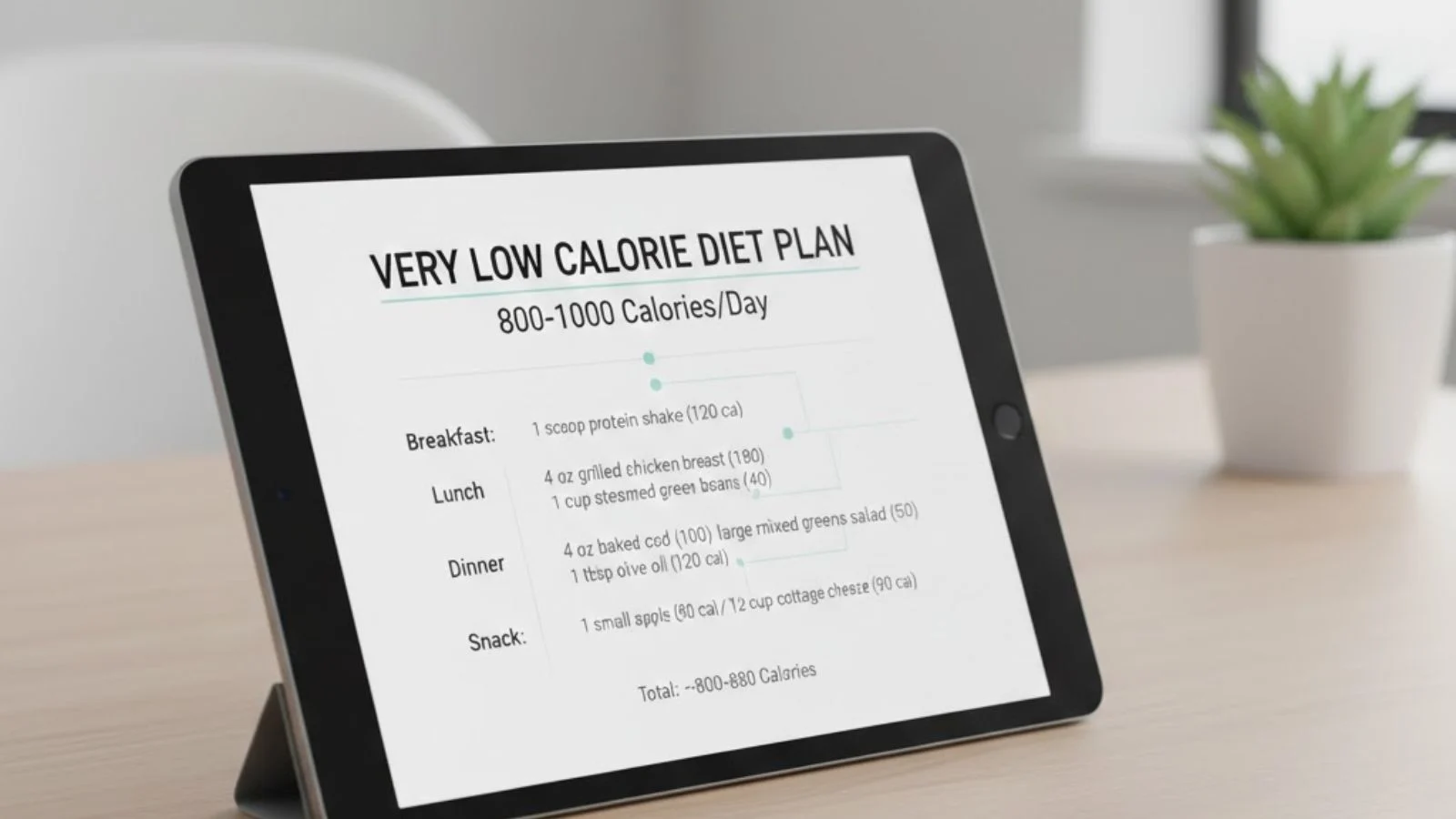
Let’s clarify ‘what is a crash diet” before going further.
The crash diet meaning refers to an eating plan that drastically reduces calorie intake for a short period to achieve rapid weight loss. These diets often eliminate entire food groups, slash daily calories to very low levels, or rely on liquid-only plans.
A typical crash diet chart might show extremely low calorie numbers, sometimes 800–1,000 calories per day, far below what most adults need to function properly.
The appeal? Fast results.
The downside? Most of the weight lost is water, glycogen, and sometimes muscle, not sustainable fat loss.
Why Rapid Weight Loss Looks So Appealing
Quick transformations feel motivating. When the scale drops quickly, it creates excitement and momentum.
But here’s what’s really happening in the early days of extreme restriction:
- Glycogen stores deplete
- Water weight drops
- Sodium intake changes
- Muscle breakdown may begin
The number on the scale goes down but it doesn’t reflect true fat loss.
The body is incredibly adaptive. When calories drop too low, metabolism slows to conserve energy. This biological response makes long-term success much harder.
The Metabolism Problem
Your metabolism isn’t fixed — it adjusts based on energy intake.
When you severely restrict calories, your body shifts into survival mode. Hormones change. Energy levels drop. Hunger increases.
Over time, this can lead to:
- Increased cravings
- Lower daily energy expenditure
- Hormonal imbalances
- Fatigue and irritability
The body is protecting itself, not sabotaging you.
Slow weight loss works with your metabolism rather than against it.
Muscle Loss vs. Fat Loss
One of the biggest risks of a crash diet is losing lean muscle mass.
Muscle plays a key role in:
- Maintaining metabolism
- Supporting strength
- Improving body composition
- Regulating blood sugar
When calorie intake is too low and protein is inadequate, the body may break down muscle tissue for energy.
Losing muscle slows your metabolic rate, making future fat loss harder.
Slow weight loss prioritizes fat reduction while preserving muscle, especially when combined with strength training and adequate protein.
The Rebound Effect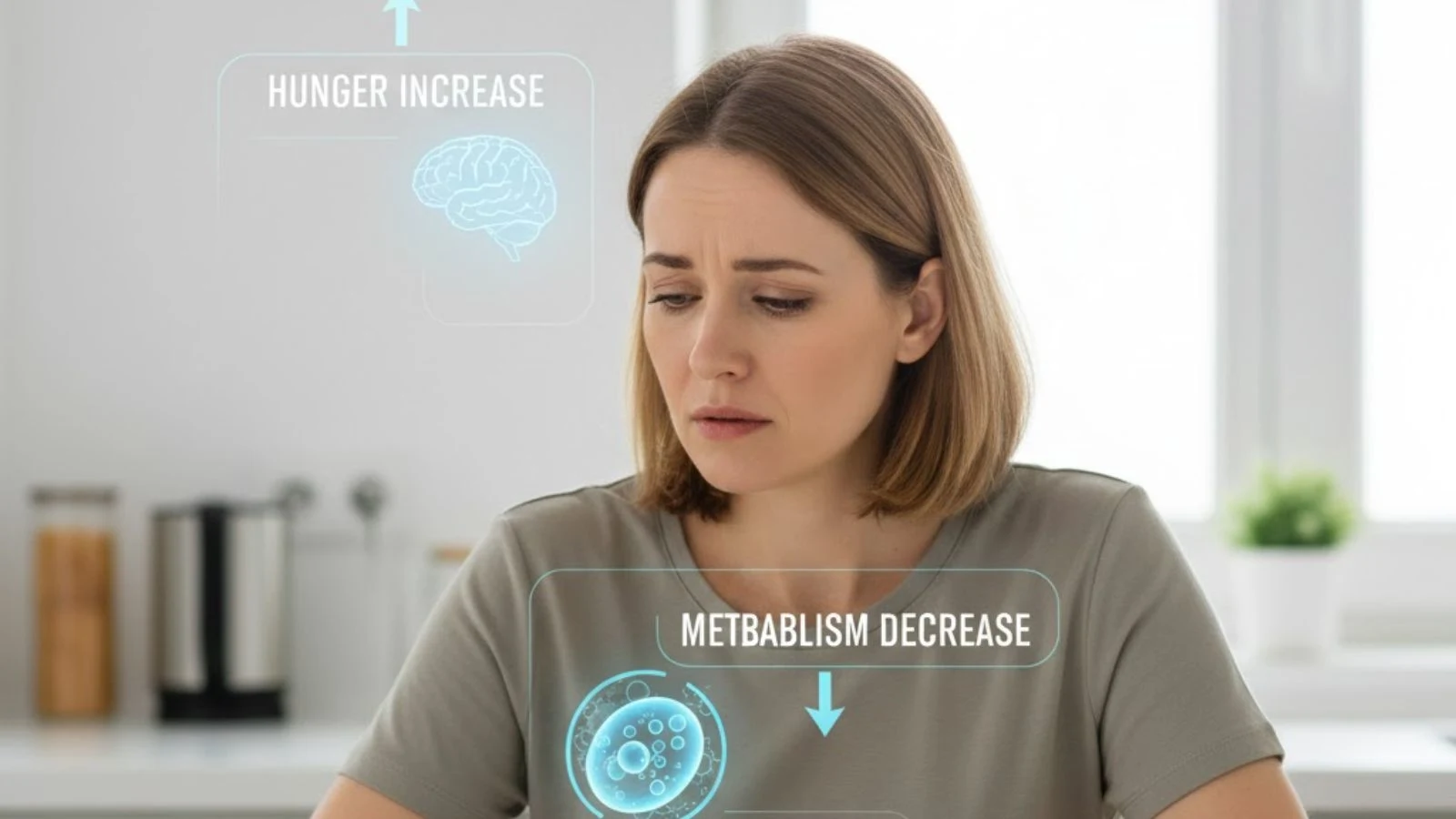
Rapid weight loss often leads to rapid regain.
Why?
Because extreme plans are difficult to maintain. Once normal eating resumes, hunger hormones spike, and metabolism remains slightly suppressed.
This creates the classic cycle:
- Restrict heavily
- Lose weight quickly
- Feel deprived
- Overeat
- Regain weight
This cycle isn’t a willpower problem; it’s a biological response.
Slow, consistent progress prevents this rebound effect.
Why Slow Weight Loss Actually Works
Sustainable fat loss typically means losing about 0.5–1% of body weight per week.
This allows:
- Stable energy levels
- Balanced hormones
- Muscle preservation
- Consistent habits
- Less psychological stress
Instead of extreme calorie cuts, slow weight loss focuses on:
- Small calorie deficits
- Balanced macronutrients
- Adequate protein intake
- Strength training
- Sleep and stress management
The result isn’t just a lower number on the scale, it’s improved body composition and long-term health.
The Psychological Impact of Extreme Dieting
Food isn’t just fuel; it’s social, emotional, and cultural.
Extreme restriction can create:
- Obsessive food thoughts
- Anxiety around eating
- Guilt after meals
- All-or-nothing mindset
When food becomes the enemy, sustainability disappears.
Slow weight loss supports a healthier relationship with food. Instead of labeling foods as “good” or “bad,” it emphasizes balance and moderation.
Mental sustainability matters as much as physical results.
How Calorie Tracker Buddy Supports Sustainable Weight Loss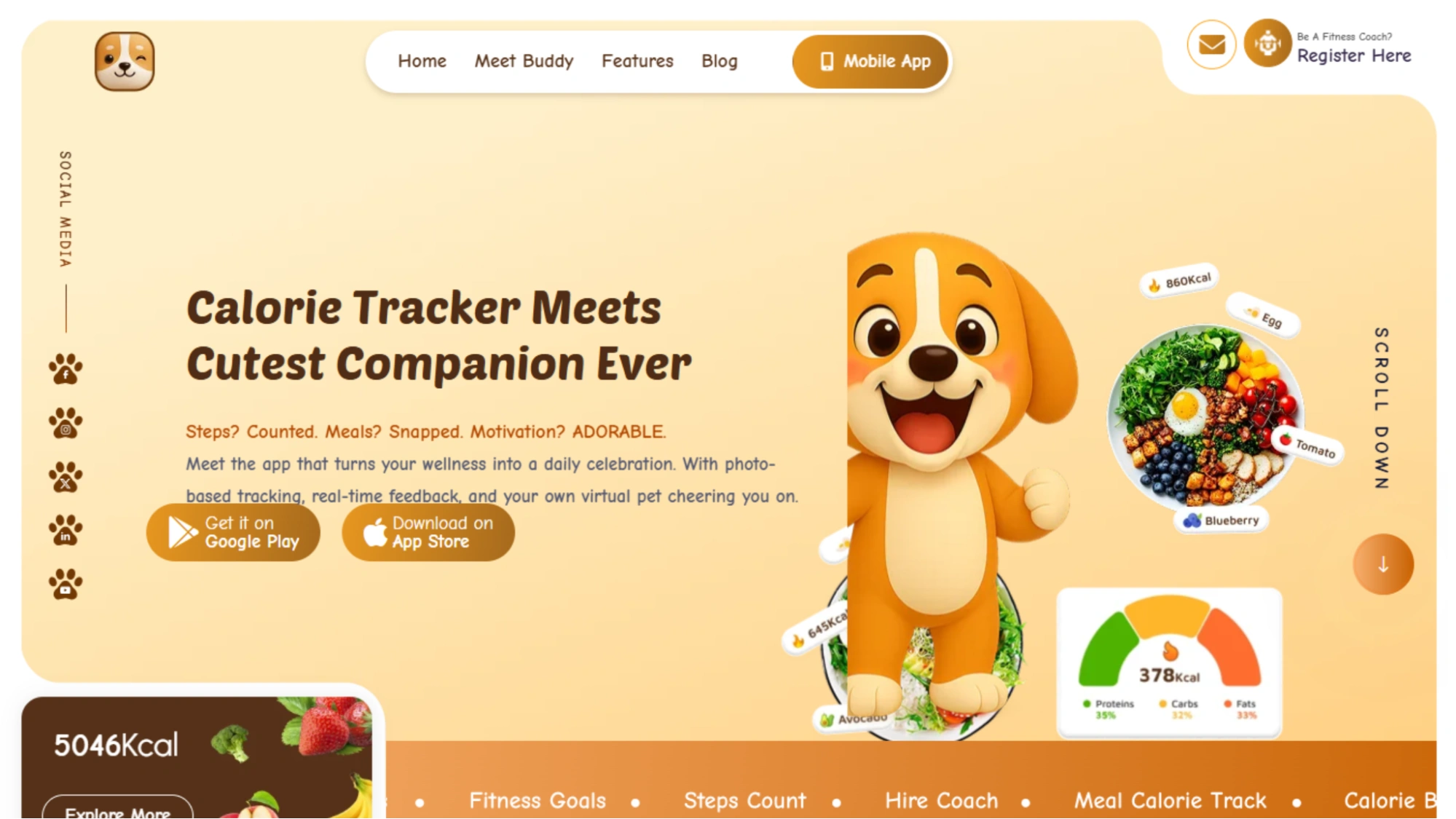
Sustainable weight loss isn’t about extreme restriction; it’s about consistency and awareness. That’s where Calorie Tracker Buddy can help.
Instead of pushing aggressive calorie cuts, the app focuses on simple tracking and realistic goals. Here’s what it offers:
- Daily Calorie Tracking – Log meals and snacks to stay within a healthy calorie range.
- Macro Monitoring – Track protein, carbohydrates, and fats to maintain balanced nutrition.
- Personalized Calorie Goals – Set targets based on your weight and goals.
When you can clearly see your intake and progress, you’re less likely to feel the need for extreme approaches. Steady tracking encourages steady results.
Consistency, not intensity, is what builds lasting change.
Building a Sustainable Fat Loss Plan
If you’re shifting away from quick-fix approaches, here’s a better framework:
1. Create a Moderate Calorie Deficit
Aim for a 300–500 calorie daily deficit rather than extreme restriction.
2. Prioritize Protein
Protein supports muscle retention and keeps you fuller longer.
3. Strength Train Regularly
Building muscle improves metabolism and long-term fat loss.
4. Stay Consistent
Consistency beats intensity.
5. Monitor Progress Beyond the Scale
Track:
- Body measurements
- Strength improvements
- Energy levels
- How clothes fit
Fat loss isn’t linear. Patience pays off.
Why Patience Is a Competitive Advantage
In a world that promotes instant results, patience feels boring.
But patience:
- Protects your metabolism
- Reduces rebound weight gain
- Builds sustainable habits
- Improves long-term health
- Strengthens discipline
Slow progress compounds over time.
What you can maintain for a year will always outperform what you can only maintain for two weeks.
Conclusion
Extreme dieting promises speed, but sustainability delivers results.
While a crash diet might create temporary scale changes, it often leads to muscle loss, metabolic slowdown, and rebound weight gain. Slow weight loss, on the other hand, builds habits that last.
By focusing on balanced nutrition, moderate calorie deficits, strength training, and consistent tracking with tools like Calorie Tracker Buddy, you create a system that works long term.
Real transformation isn’t about urgency.
It’s about consistency.
Also read,
FAQs
1. What is the crash diet meaning in simple terms?
The crash diet meaning refers to any extreme dieting method that aims for quick results by sharply cutting calories. These plans are typically not sustainable and are meant for short-term weight loss.
2. Do crash diets help you lose fat permanently?
Not usually. While a crash diet may cause quick weight loss, much of it can be water weight or muscle loss. Because extreme restriction slows metabolism and increases hunger, weight regain is common once normal eating resumes.
3. What does a crash diet chart usually look like?
A typical crash diet chart often includes very low daily calorie limits (sometimes under 1,000 calories), limited food variety, and strict portion control. These charts prioritize rapid scale changes rather than long-term nutrition balance.