

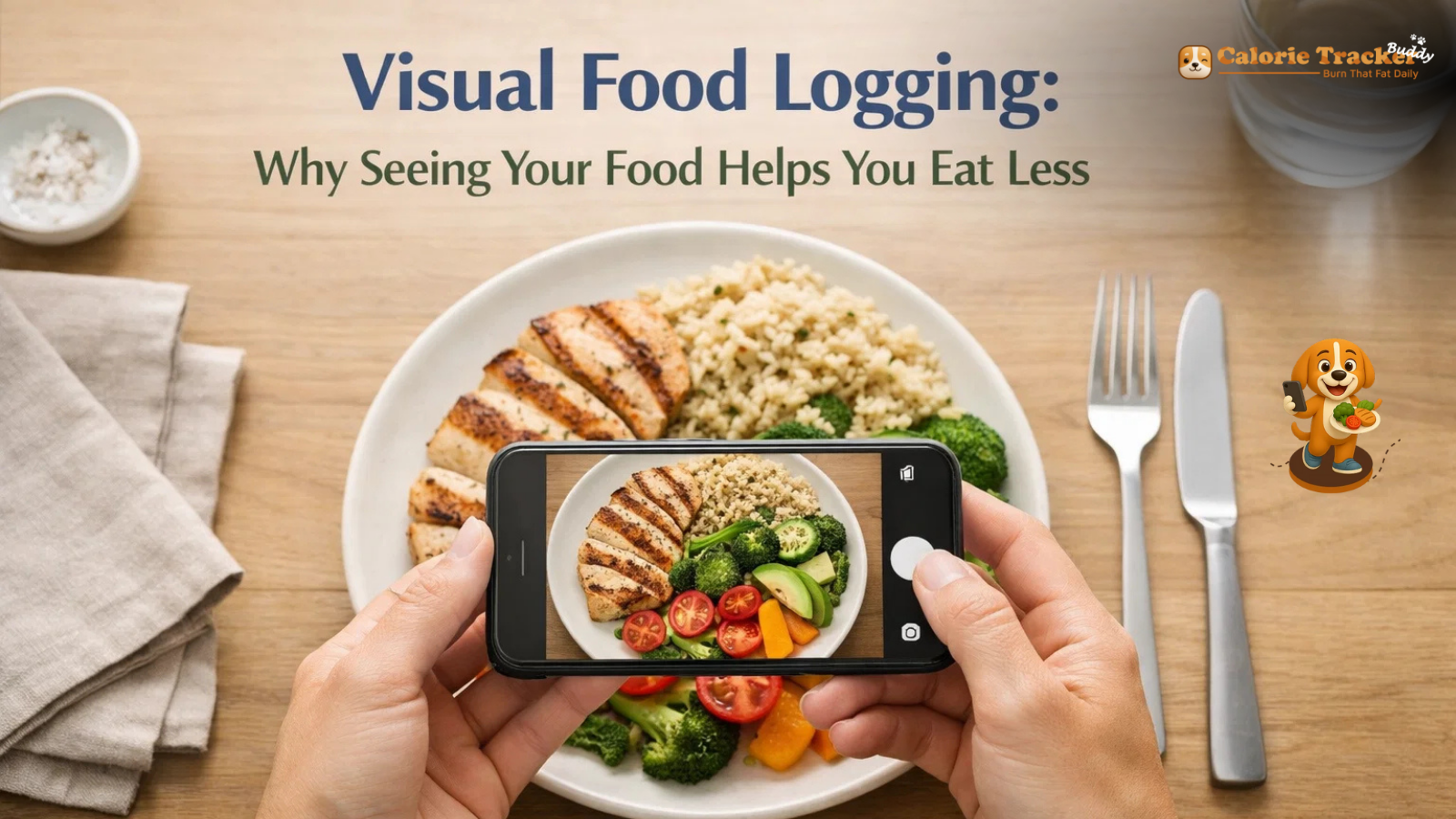
You’re about to take your first bite.
The plate in front of you looks tempting. Maybe a little larger than you planned.
And in that brief moment before you dig in, you have two options.
Start eating on autopilot.
Or take five seconds to log it.
That small pause? It quietly shifts the entire meal.
Food Logging has long been one of the most effective habits for people trying to lose weight, maintain weight, or simply eat better. Research consistently shows that people who track what they eat are significantly more successful at reaching their health goals. But something interesting has happened in recent years.
We’ve moved from notebooks… to apps… to cameras.
And now, visual food logging is transforming how we understand what we eat.
Let’s break down why seeing your food can actually help you eat less, and how to use it the smart way.
Listen To The Podcast Now: –
Why Logging Food Works in the First Place
At its core, it isn’t about restriction.
It’s about awareness.
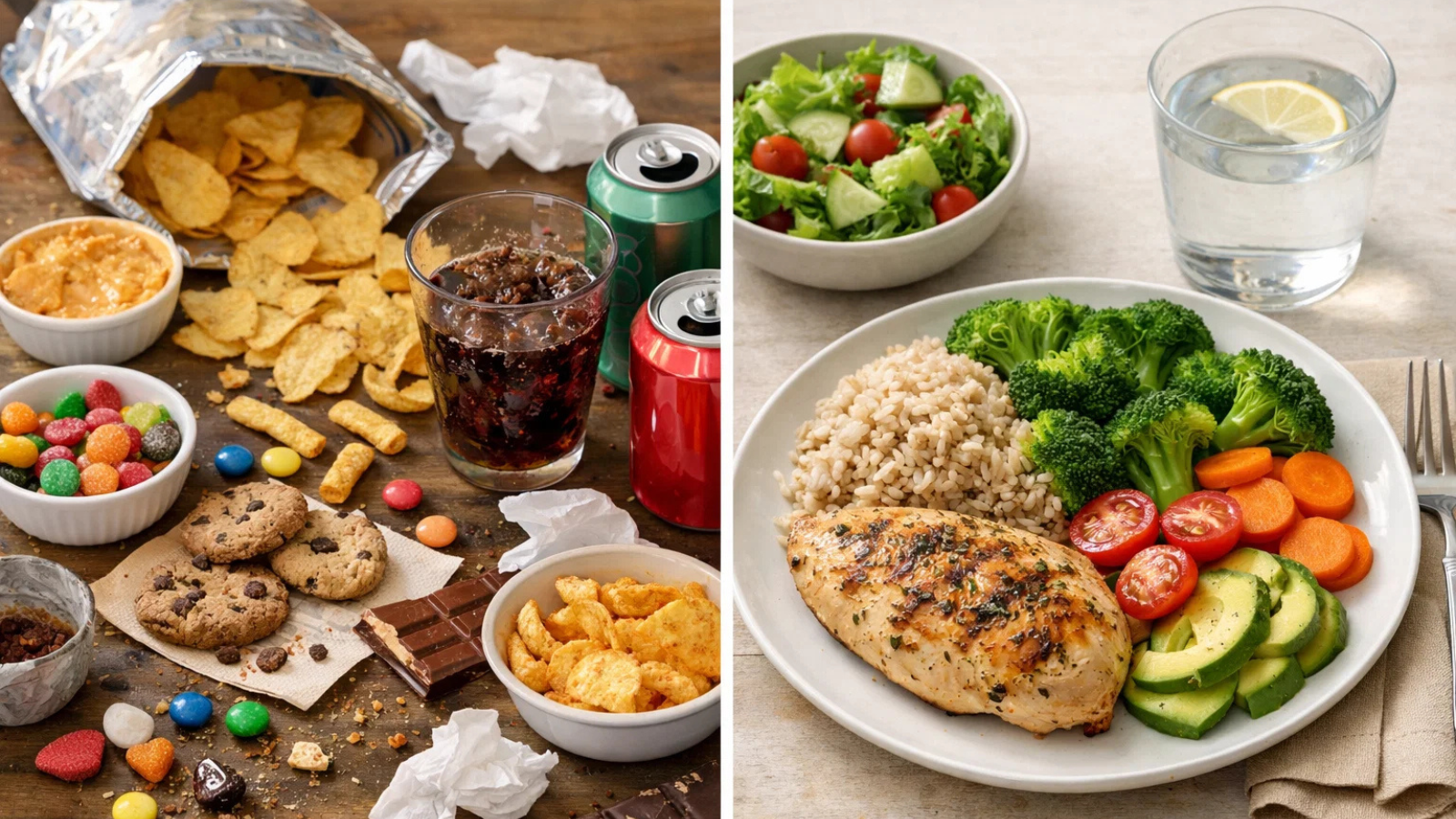
Most of us underestimate what we eat. Not because we’re careless — but because memory is unreliable. A handful of chips here. A latte there. A few bites while cooking dinner.
They disappear from memory.
But they don’t disappear from your calorie total.
When you track your meals consistently, a few powerful things happen:
- You become more mindful.
- You understand portion sizes better.
- You spot patterns in your eating.
- You connect food to mood and energy.
- You create accountability.
Studies have shown that people who keep a consistent food diary can lose nearly twice as much weight compared to those who don’t track. And once the habit forms, it often takes just 10–15 minutes a day.
That’s a small investment for a big shift.
The Problem With Traditional Tracking
Manual tracking works. But it’s not perfect.
- Typing every ingredient.
- Estimating grams.
- Searching databases.
- Measuring everything precisely.
For some people, that level of detail becomes overwhelming.
And when something feels overwhelming, consistency drops.
That’s where photo food logging changes the game.
Instead of obsessing over numbers, you take a picture.
Simple. Fast. Visual.
And surprisingly powerful.
What Is Visual Food Logging?
It is exactly what it sounds like: logging meals by capturing a photo instead of (or alongside) manually entering details.
A modern Food Logging app may allow you to:
- Snap a photo of your meal.
- Automatically detect food items.
- Estimate portion sizes.
- Calculate calories and macros.
- Store visual history of your meals.
Rather than just reading numbers, you build a visual timeline of what you actually eat.
And that visual record hits differently.
Why Seeing Your Food Changes Your Behavior
Here’s where psychology steps in.
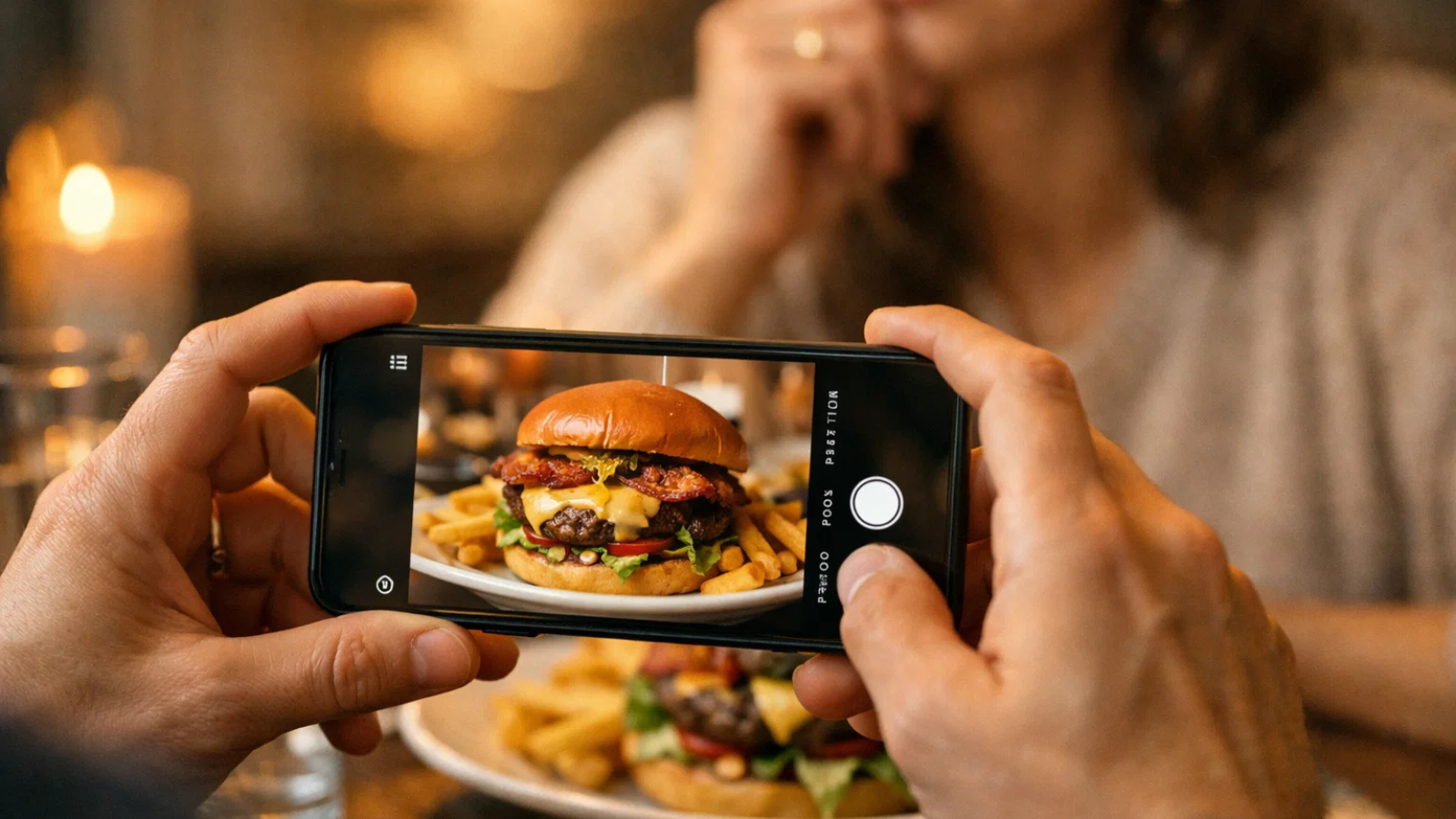
When you take a picture before eating, you pause.
That pause disrupts autopilot eating.
You start asking:
- Do I really need this portion?
- Is this balanced?
- Should I add vegetables?
- Is this worth it?
That moment of reflection is powerful.
1. Visual Accountability
Numbers can feel abstract.
But a plate stacked high with fries? That’s concrete.
Looking back at a week of photos makes patterns obvious. You can literally see:
- How often you eat out.
- Whether your portions are growing.
- If vegetables are missing.
- How late-night snacks add up.
Visual evidence is harder to ignore than numbers alone.
2. Portion Awareness Improves Naturally
Many people struggle with portion control because they don’t know what “normal” looks like.
With visually logging food, you build a reference library of your own meals.
Over time, you start adjusting portions automatically:
- Smaller rice servings.
- Fewer fried sides.
- More protein.
- More greens.
You don’t need constant calorie math. Your eyes start doing the work.
3. Mindful Eating Becomes Easier
Mindful eating is often talked about — rarely practiced.
But snapping a photo forces awareness.
It slows you down.
It reminds you that eating is intentional.
And when you’re intentional, you’re less likely to overeat.
Does Photo Food Logging Actually Help You Eat Less?
Short answer: yes, for many people.
Here’s why.
When you know your meal is being “recorded,” even privately, you naturally make slightly better decisions.
Not perfect decisions. Better ones.
That extra slice of pizza? Maybe you skip it.
That sugary drink? Maybe you reconsider.
That oversized portion? Maybe you adjust.
Over time, these small shifts compound.
And that’s where sustainable results come from.
Comparing Manual Entry vs Photo Food Logging
Both methods have value. But they serve different personalities and goals.
Manual Entry
- More precise calorie tracking
- Detailed nutrient breakdown
- Better for macro-focused plans
- Ideal for competitive athletes or strict programs
Visual / Photo Logging
- Faster and less stressful
- Encourages awareness over perfection
- More sustainable long-term
- Great for beginners
- Reduces tracking fatigue
Many modern platforms combine both approaches, offering AI detection plus manual adjustment.
That hybrid approach is often ideal.
Using a Food Logging App the Smart Way
If you’re serious about making this habit stick, choosing the right Food Logging app matters.
Look for features like:
- AI-powered meal detection
- Barcode scanning
- Saved meals
- Macro tracking
- Photo-based logging
- Progress reports
- Habit tracking
Some of the best calorie tracker app options today integrate photo recognition with nutrient databases, making logging faster than ever.
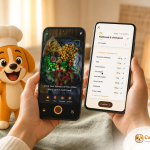
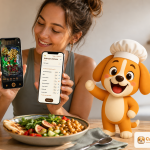
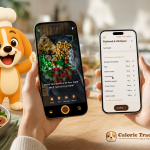
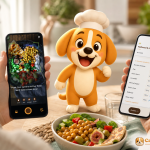
One platform that’s leaning fully into this visual-first approach is Calorie Tracker Buddy. Instead of treating Food Logging like a strict calorie ledger, it turns it into a quick snap-and-track experience with real-time feedback. The idea is simple: make logging so effortless, and even a little fun, that you actually stick with it.
Calorie Tracker Buddy: Where Visual Food Logging Feels Effortless
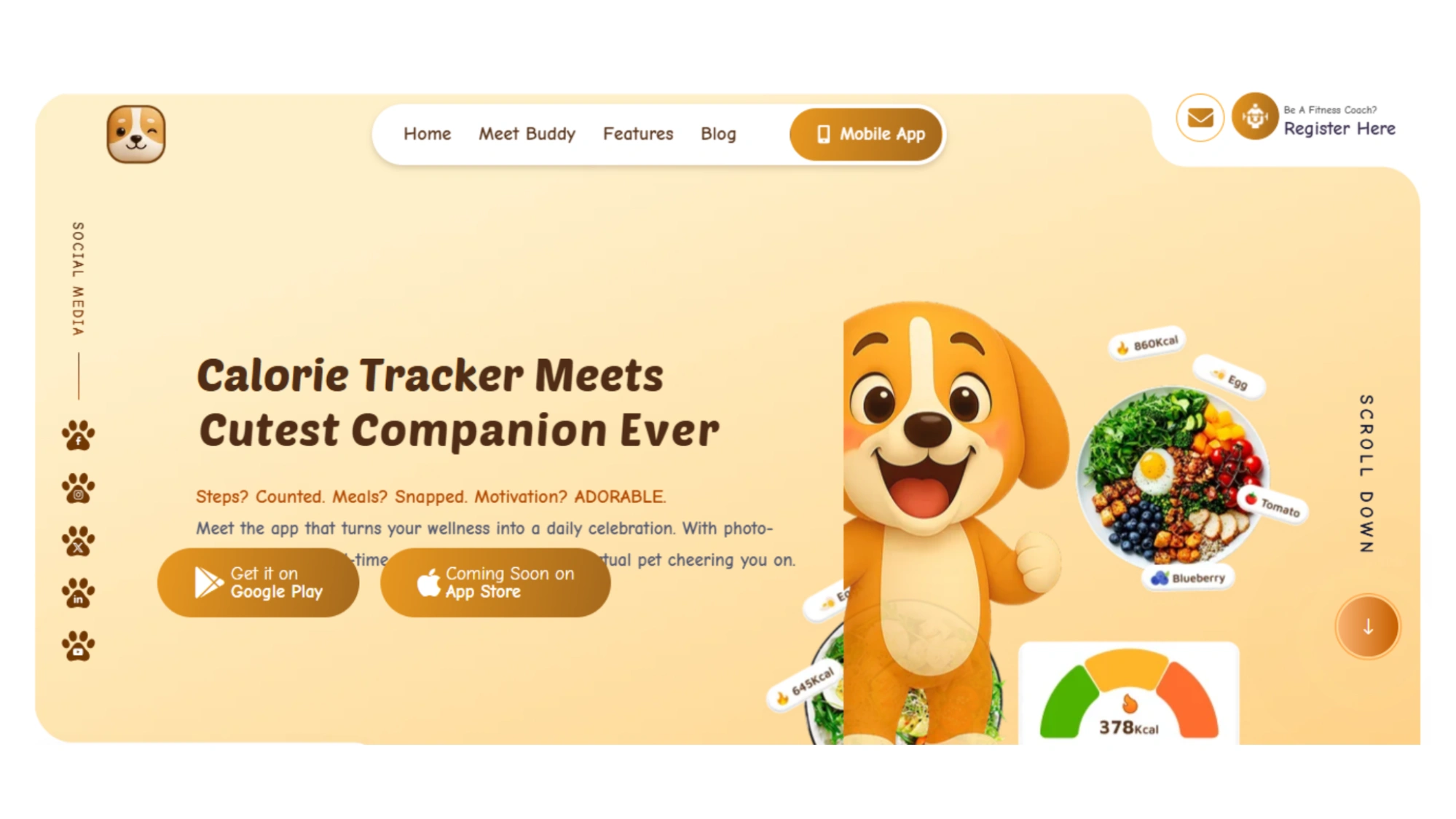
If visual logging is about awareness, Calorie Tracker Buddy builds on that with momentum.
Here’s what makes it stand out:
1. Snap & Track in Seconds
Just point your camera at your plate. The app scans your food, estimates calories, and gives you nutrient insights instantly. No long searches. No complicated entries.
2. Instant Meal Feedback
Instead of waiting until the end of the day to assess your intake, you see how each meal impacts your goal right away. That real-time response helps you adjust the very next choice.
3. Built-In Motivation With a Virtual Buddy
Here’s where it gets different.
Every healthy decision helps your virtual pet grow stronger and happier. Skip an impulsive snack? Your buddy levels up. Hit your hydration goal? Your buddy celebrates. Balanced meal? Your buddy thrives.
It’s subtle. But powerful.
Because motivation feels external and internal at the same time.
4. Calories Burned + Steps Tracked
From daily walks to workouts, your movement gets counted alongside your meals, giving you a clearer energy picture.
5. Goal Predictions
You can see how today’s choices affect tomorrow’s progress. That forward-looking feedback strengthens long-term consistency.
Visual food logging already encourages you to pause before eating.
When you combine that pause with instant insights and a bit of positive reinforcement, tracking becomes less of a chore and more of a daily check-in.
Download Calorie Tracker Buddy Now!
Common Myths About Logging Food
“Food Logging Is Only for Weight Loss”
Not true.
People use Logging to:
- Improve digestion
- Track protein intake
- Manage diabetes
- Increase fiber
- Reduce sodium
- Improve energy
- Identify food sensitivities
It’s about awareness — not restriction.
“It’s Too Time-Consuming”
It feels that way at first.
But once the habit forms, logging becomes automatic.
And with visually logging food, it can take under a minute.
“It Leads to Obsession”
For some people, hyper-focusing on numbers can become stressful.
That’s why visual logging can be a healthier alternative.
It emphasizes patterns over perfection.
Awareness over anxiety.
The Psychology Behind Why It Works
Food logging strengthens what psychologists call the habit loop:
Cue → Routine → Reward
- You eat (cue).
- You log (routine).
- You feel accomplished or aligned with your goals (reward).
The loop reinforces itself.
Over time, logging becomes automatic.
And so do better choices.
Also Read: –
How to Start Visual Food Logging (Without Burnout)
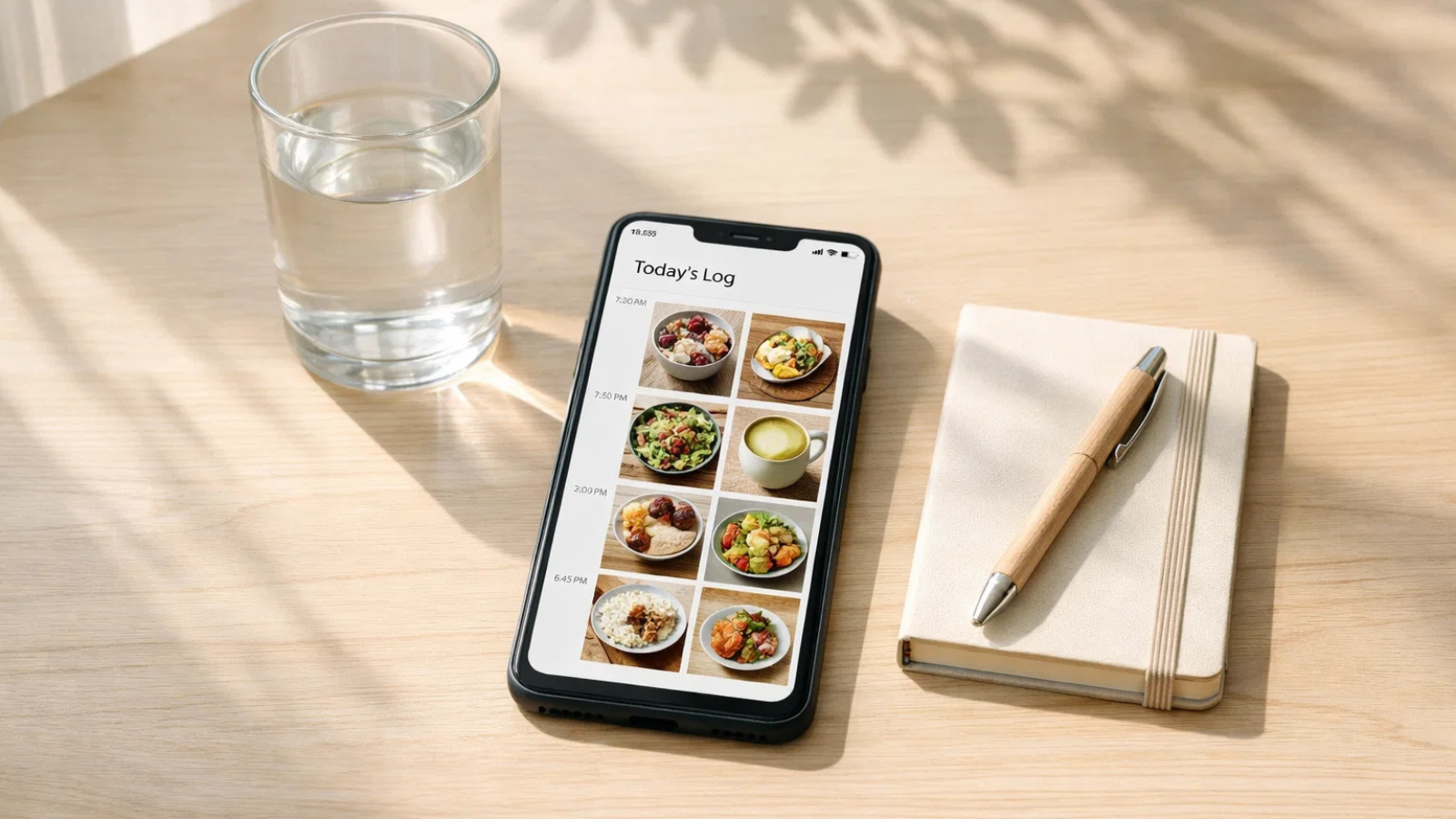
You don’t need to log everything perfectly from day one.
Start small.
- Log one meal per day.
- Take a quick photo before eating.
- Review your photos at the end of the week.
- Notice patterns without judgment.
Then gradually increase consistency.
Four days a week is often enough to see meaningful progress.
Progress beats perfection.
Real-World Impact: What People Notice
People who commit to Logging often report:
- Fewer impulsive snacks
- Smaller portions
- Better meal balance
- Increased protein intake
- More vegetables
- Improved energy levels
- Steadier weight trends
And interestingly, many say the biggest benefit isn’t weight loss.
It’s control.
When you understand what you’re eating, you feel more in charge of your health.
Is Visually Logging Food Right for You?
It may be especially helpful if:
- You hate typing long entries.
- You quit tracking in the past.
- You overeat without realizing it.
- You want a low-stress approach.
- You prefer visual learning.
- You struggle with portion awareness.
On the other hand, if you need highly precise macro tracking for competitive goals, manual logging might still be essential.
Many people use both.
The Long-Term Advantage
Here’s the honest truth.
Even the best calorie tracker app won’t change anything if you abandon it after two weeks.
Precision is helpful. But sustainability is powerful.
That’s where visual logging stands out. It feels lighter. Less rigid. Less like homework.
You’re not stuck measuring every gram or obsessing over perfect numbers. You’re simply building awareness, one meal at a time.
And when tracking feels natural instead of exhausting, you stick with it.
Consistency builds momentum.
Momentum builds results.
Final Thoughts: Awareness Changes Everything
Extreme dieting isn’t the only way to stay healthy.
Perfect macro tracking isn’t necessary for progress.
Enjoying your favorite foods doesn’t have to be eliminated.
What you need is simple awareness.
Food Logging works because it forces honesty — gently, not aggressively.
And visually logging food adds a powerful layer of self-awareness that numbers alone can’t always provide.
Seeing your food changes your relationship with it.
Slow down your pace.
Reflect on your choices.
Make adjustments when needed.
And slowly, without drastic restriction, you begin eating a little less, and a lot smarter.
If you’ve struggled with traditional tracking, try taking photos for a week.
No pressure. No perfection.
Just awareness.
That simple shift might be the turning point.
FAQs: –
1. What is Food Logging?
It is the habit of recording what you eat to increase awareness of calories, portion sizes, and eating patterns. You can log meals manually in an app or use photo-based (visual) food logging for a faster, simpler approach.
2. Does Logging Food really help you lose weight?
Yes. Research shows that people who consistently track their food intake are more likely to lose weight and maintain results. Logging reduces mindless eating and improves portion control.
3. Is visual food logging better than manual tracking?
Manual tracking is more precise.
Visual logging is faster and easier to sustain long term.
For most people, consistency matters more than perfect accuracy, and photo logging improves consistency.
4. How often should I log my food?
You don’t need to be perfect. Logging 4–5 days per week is often enough to build awareness and see progress. Start with one meal a day and build the habit gradually.
5. What is the best Food Logging app?
The best Food Logging app is one you’ll actually use daily. Look for features like photo logging, AI meal detection, macro tracking, and progress reports. Apps like Calorie Tracker Buddy combine visual logging with real-time feedback to make tracking easier to stick with.